




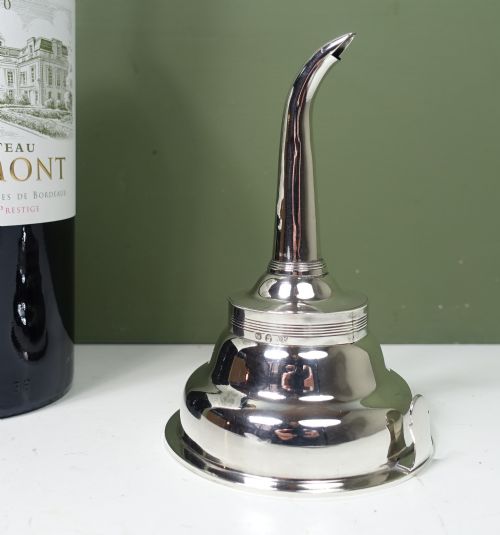


Vintage Silver Strainer
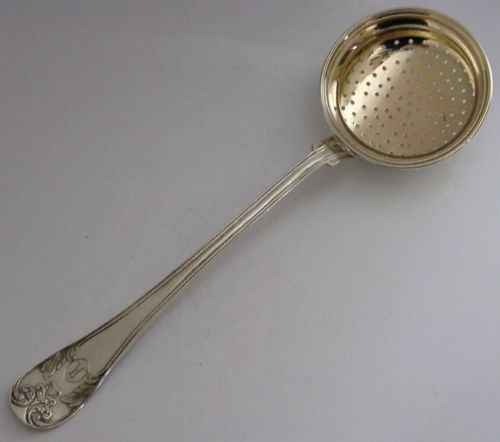
A vintage silver strainer handles the business of keeping leaves, pips and sediment out of the glass or cup with quiet competence.
Vintage Silver Strainer
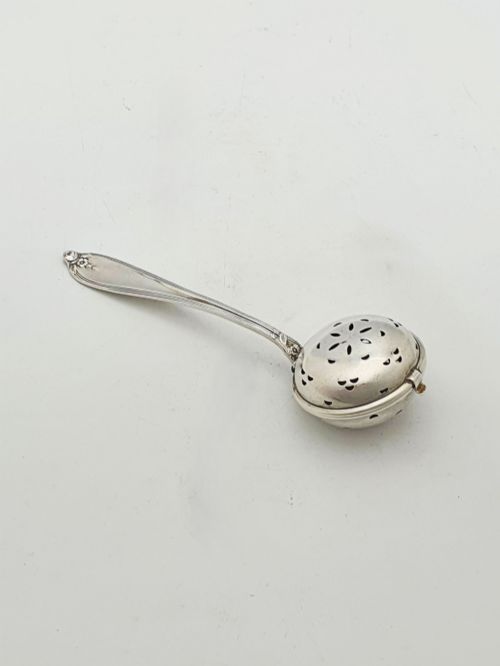
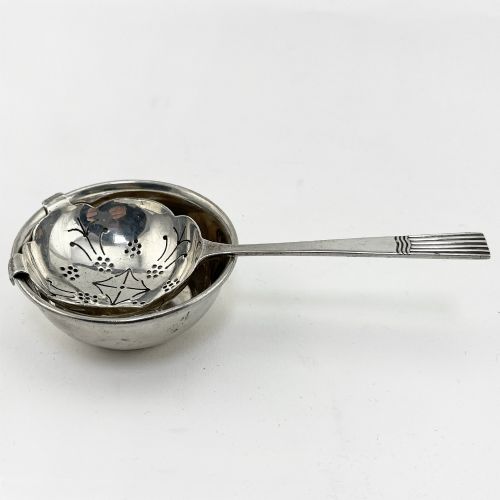
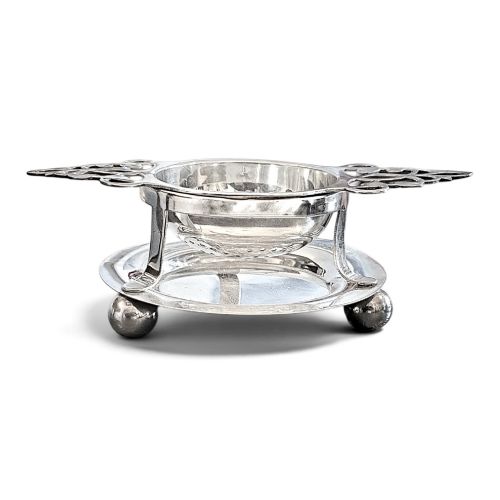
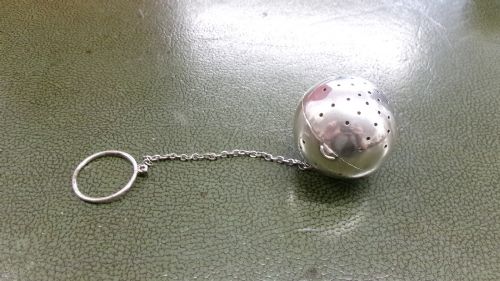
A vintage silver strainer encompasses a variety of implements designed for tea, wine, and bar service across multiple centuries. Tea strainers and infusers dominate the selection, often accompanied by dedicated stands.
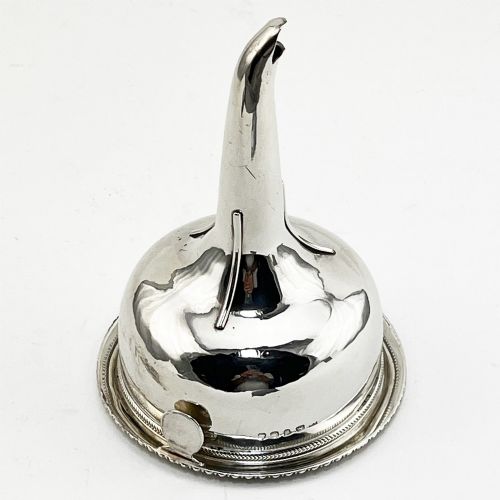
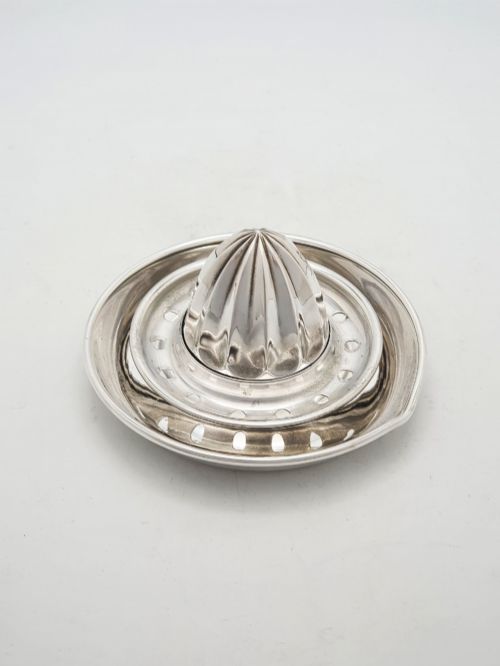
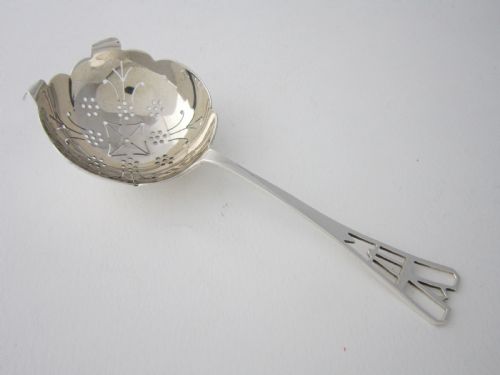
The inventory ranges from early Georgian wine funnels to Art Deco tea strainers and Edwardian iterations. Each piece serves a specific liquid separation purpose, whether filtering loose tea leaves or straining citrus juice.
How they were made
Makers utilised sterling silver, solid silver, and silver plate to construct these implements, occasionally applying silver gilt for decorative effect. Nickel silver and base metal also appear in functional barware items.
Perforations and mesh panels form the core filtering mechanism, pierced or woven by hand and machine depending on the period. Multi-part wine funnels and cocktail shakers incorporate fitted collars and removable straining rings.
Vintage Silver Strainer Retail Price Guide 2026
Typical asking prices for vintage silver strainer among the pieces listed under this phrase on Sellingantiques today, from the lower quarter to the upper quarter. They describe what is for sale here now, not the wider market.
Some cocktail shakers arrived with built-in lemon squeezers so nobody had to hunt for a separate kitchen tool during the party.
What varies in quality
Metal weight and gauge dictate the structural integrity of the piece, with heavier items resisting bends in the delicate mesh or handle. Thinner silver plate shows substrate metal beneath through regular polishing and use.
Finishing detail on the piercing work and the crispness of maker's marks separate standard production items from finer workshop output. Integral stands and matched components retain more collector interest than isolated elements.
Hammond, Turner And Sons
The Vintage Silver Strainer Glossary
- Sterling silver
- An alloy containing 92.5 percent pure silver by mass, with the remainder usually copper. This standard provides the durability required for functional domestic items.
- Wine funnel
- A conical implement used to decant wine into a vessel while catching sediment. Older examples often feature a removable straining disc.
- Silver plate
- A base metal substrate coated with a thin layer of silver. It offers the appearance of solid silver at a lower production cost.
- Sugar sifter
- A spoon or ladle with a perforated bowl designed to sprinkle powdered sugar over food or drink. Some historical variants double as straining ladles.
- Silver gilt
- Silver objects that have been coated with a thin layer of gold on the surface. This technique protects the underlying metal and creates a two-tone decorative effect.
Vintage Silver Strainer: Frequently Asked Questions
Can I use these for daily tea?
These items function perfectly well for brewing loose leaf tea in a traditional manner. The silver conducts heat efficiently and withstands daily hot water exposure.
Take care not to press down hard on the mesh with a spoon, as older wires can warp under sustained pressure. Rinse the strainer promptly after use to prevent tea staining.
What is a wine funnel used for?
A wine funnel guides older vintage wines from the bottle into a decanter. The integrated mesh catches bottle sediment and cork fragments before they enter the drinking vessel.
Many period funnels include a removable straining piece that makes washing out trapped grape skins much easier. They sit comfortably in the neck of standard decanters.
How do I identify the silver standard?
Look closely at the surface for hallmarks or stamped words indicating the metal purity. British pieces usually display a lion passant for sterling silver alongside maker marks and date letters.
Items marked simply as silver plate or nickel silver indicate a base metal core rather than solid precious metal. Unmarked items require professional testing to confirm the exact material composition.