
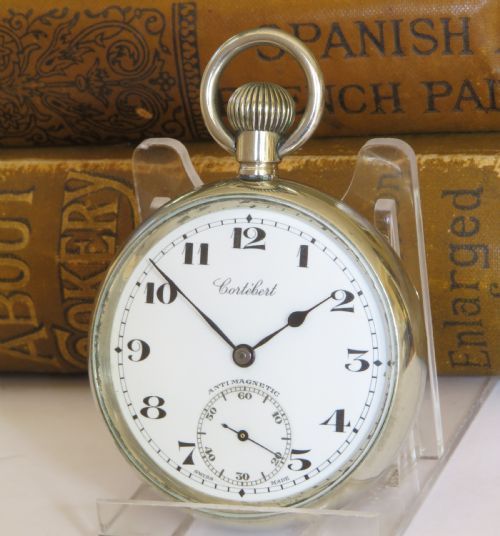
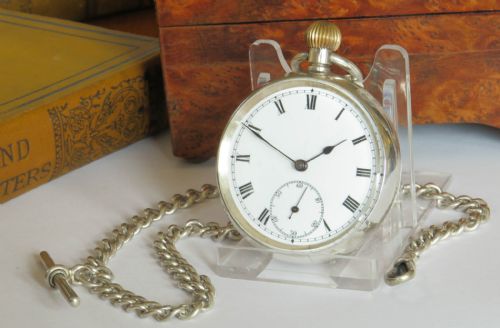
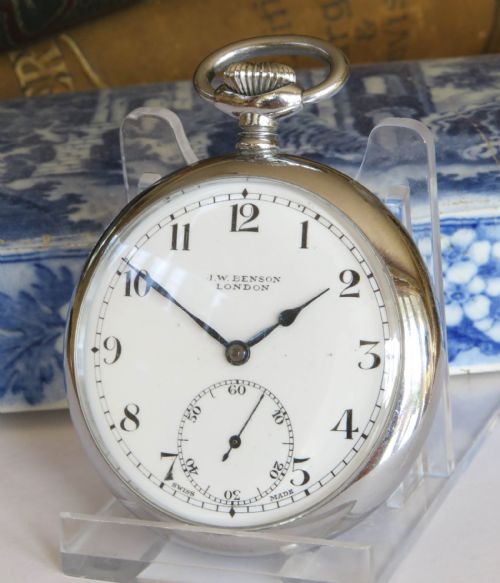
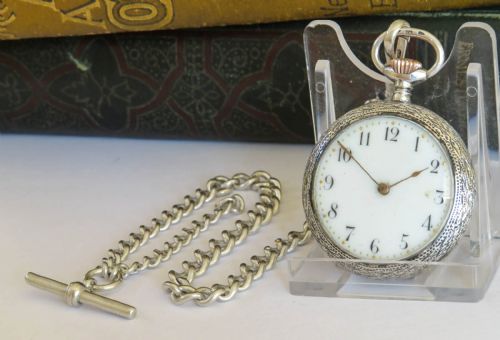
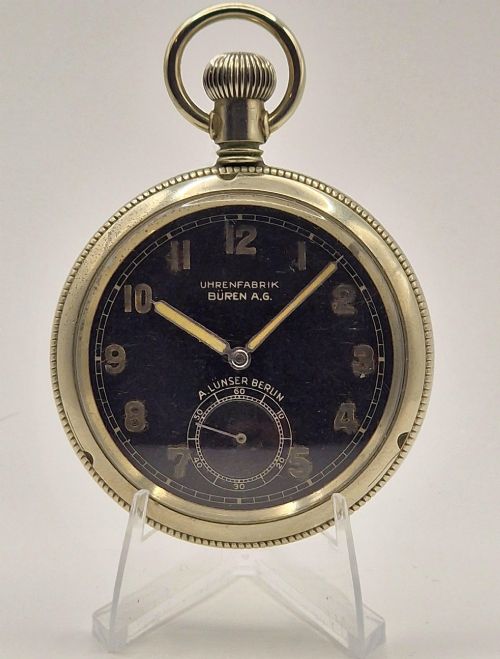
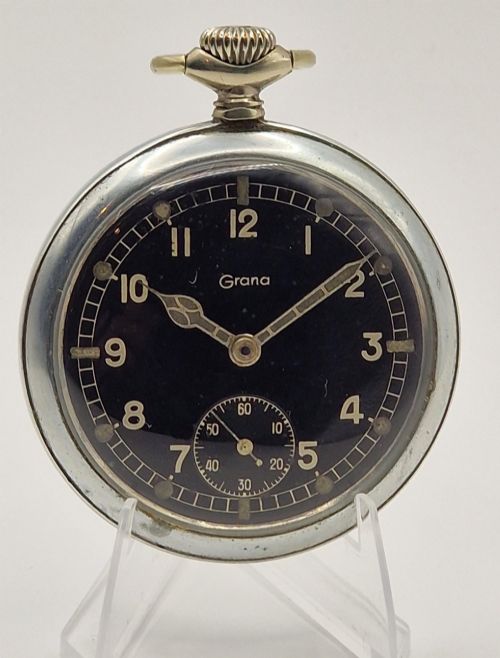
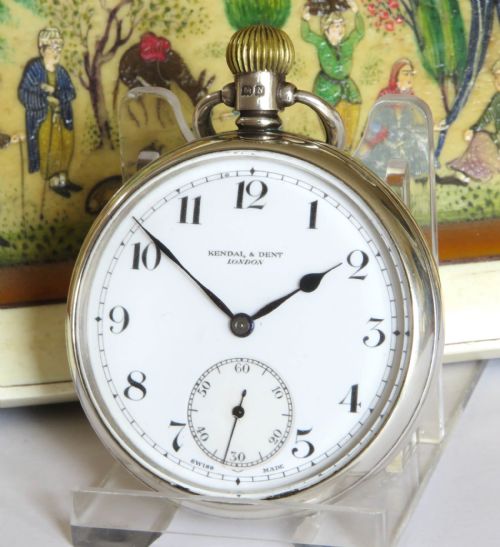
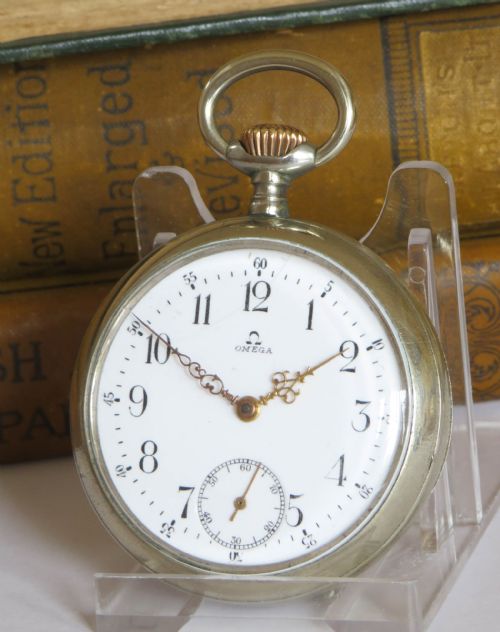
Vintage Silver Pocket Timepiece
A vintage silver pocket timepiece is a portable mechanical marvel of precision engineering and historic craftsmanship that rewards daily carrying.
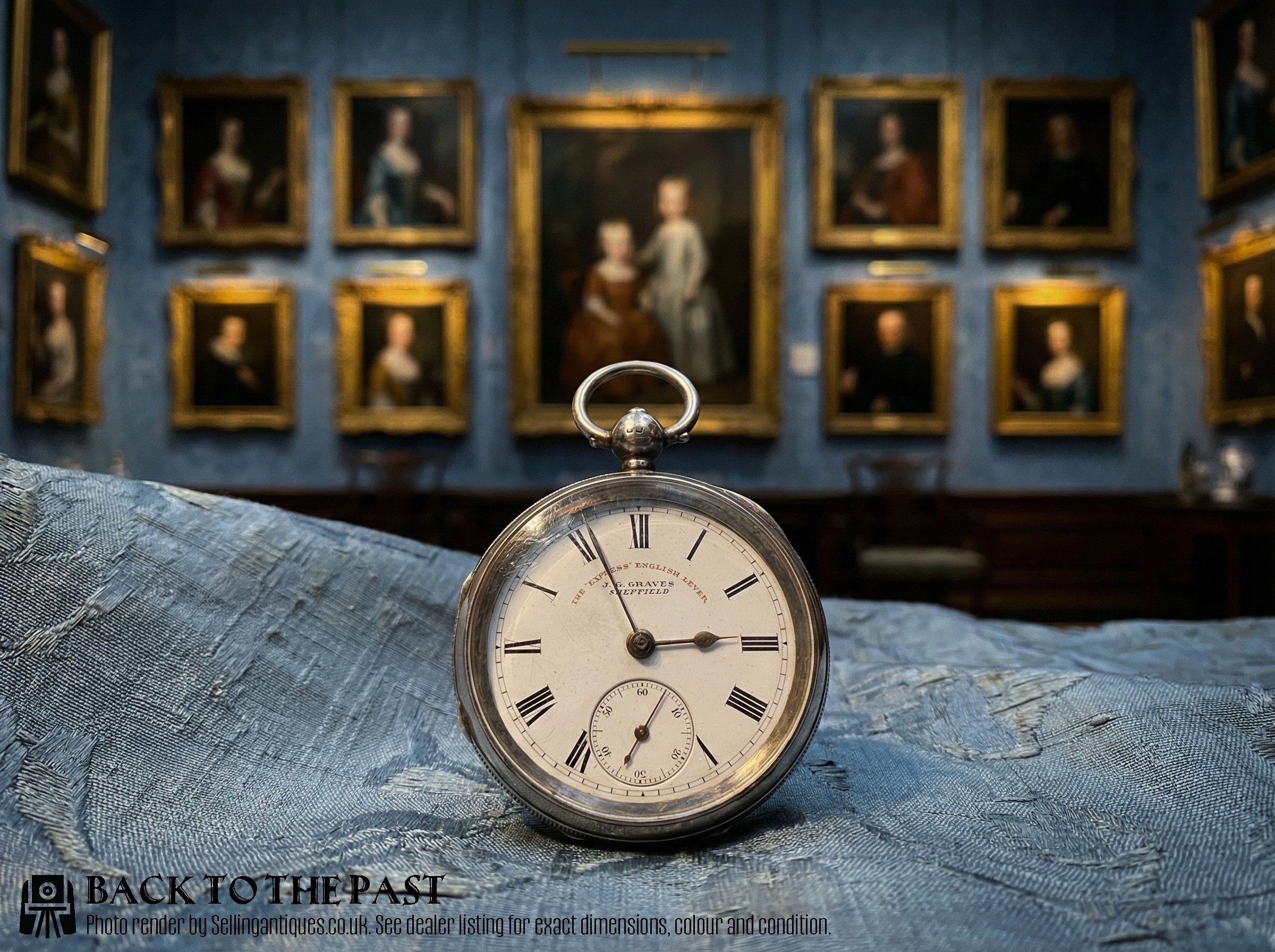
Vintage Silver Pocket Timepiece
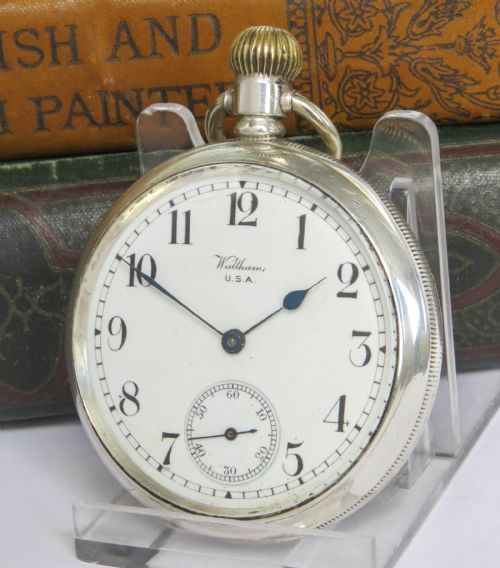
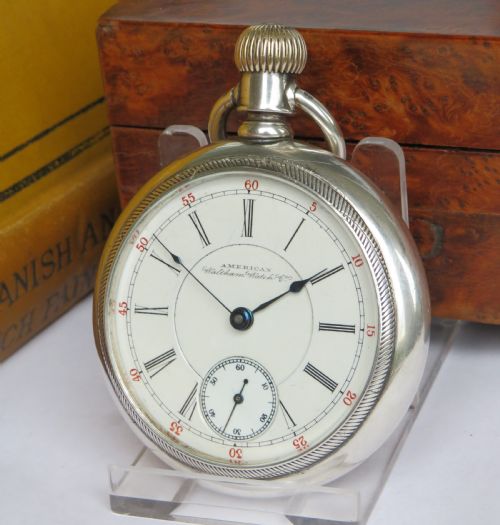
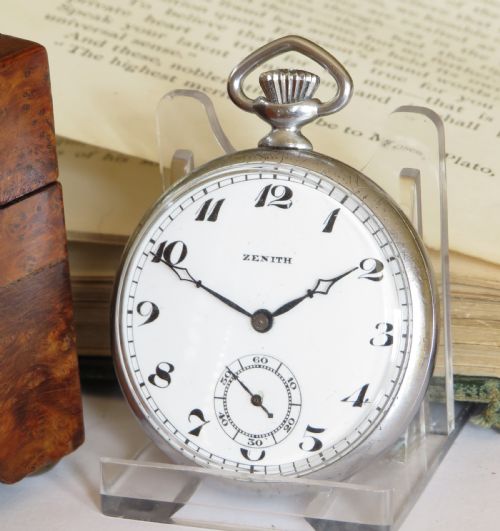
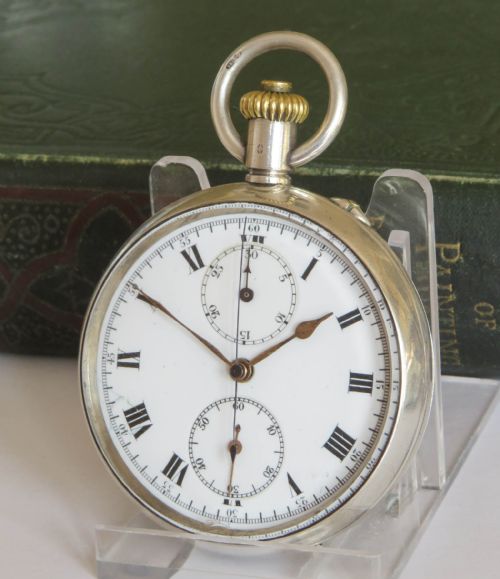
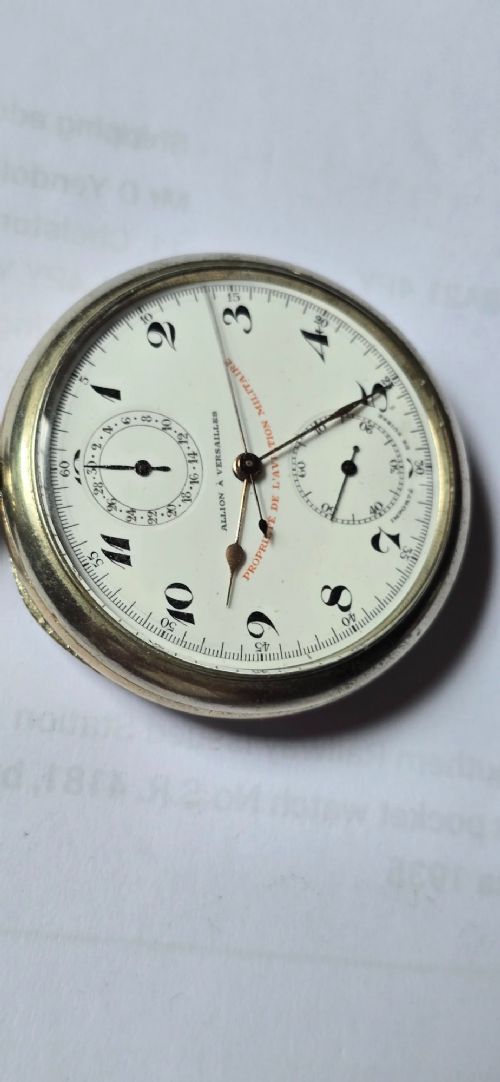
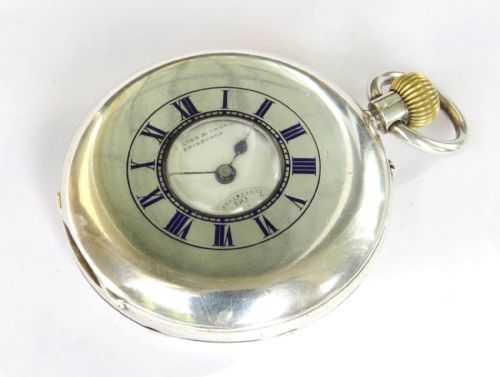
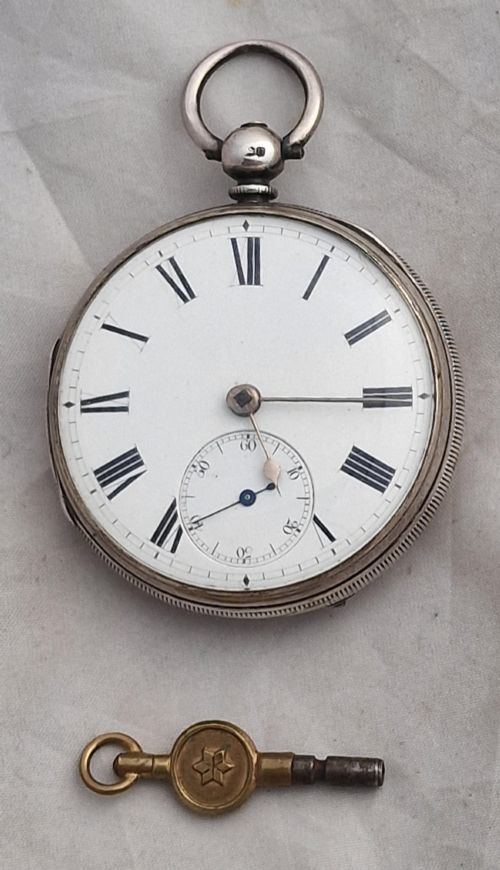
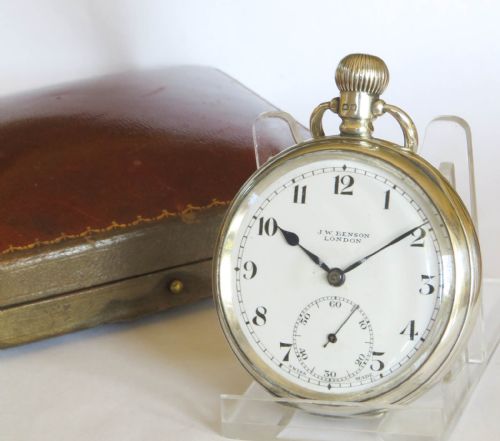
A vintage silver pocket timepiece represents portable horology spanning the Victorian, Edwardian, and mid-century eras. When searching for a vintage silver pocket timepiece, buyers encounter diverse forms ranging from standard open-face designs to protective hunter and half hunter configurations.
Railway timekeepers, military issues, and civic presentation pieces appear frequently alongside standard civilian models. Each vintage silver pocket timepiece reflects the technological standards and aesthetic preferences of its decade of manufacture.
How they were made
Makers utilised sterling silver and standard silver for protective outer cases, frequently pairing precious metal with interior brass movements and steel components. Glass crystals protected fragile enamel dials bearing delicate hour markers and subsidiary seconds counters.
Intricate mechanical gear trains, fusee chains, and jewelled lever escapements were assembled by hand within workshops and factories. Skilled artisans decorated cases with engine-turned patterns, niello inlay, or smooth polished finishes suitable for personal engraving.
What varies in quality
The sophistication of the internal movement dictates the tier of a piece, distinguishing simple pin-pallet calibres from high-grade jewelled lever mechanisms. Heavier silver gauge cases and complex configurations like chronographs or eight-day reserves elevate the standing of an item.
The legibility and condition of the enamel dial heavily influence overall desirability. Crisp retailer signatures on the dial and matching hallmarks across case components demonstrate higher initial manufacture and careful preservation.
Hamilton and Inches·Kendal and Dent·Hinds London·J W Benson·Camerer Cuss·Longines·Waltham·Omega·Stauffer·Silvana
The Vintage Silver Pocket Timepiece Glossary
- Hunter
- A pocket watch featuring a spring-loaded metal cover that protects the glass crystal from scratches and impacts. The cover opens via a push-piece on the crown.
- Half hunter
- A pocket watch style featuring a hinged outer case lid with a glass or open aperture in the centre, permitting the wearer to read the hands without opening the cover.
- Fusee
- A conical pulley mechanism designed to maintain equal torque on the gear train as the mainspring unwinds, improving timekeeping accuracy in older watches.
- Enamel
- A glassy substance fused to a metal dial base through high-temperature firing, creating a smooth, glossy surface for painted numerals.
- Albert
- A chain attached to a pocket watch, designed to secure the timepiece safely to a waistcoat or buttonhole during wear.
Vintage Silver Pocket Timepiece: Frequently Asked Questions
How do I wind a pocket watch?
Most pieces wind via the crown at the top, turning it clockwise until resistance meets the mainspring's limit. Fusee models may require a dedicated key inserted through the dial or back dust cover.
Avoid overwinding older mechanisms, as excessive force can strain delicate internal springs and vintage gear teeth.
What is a fusee movement?
A fusee is a conical drum linked by a fine chain to the mainspring barrel. It compensates for the decreasing power of an uncoiling spring.
This sophisticated mechanical solution ensures steady energy delivery to the balance wheel for more consistent timekeeping.
Can I wear a pocket watch daily?
Carrying a pocket timepiece daily is entirely practical when paired with a secure albert chain and a suitable waistcoat pocket. Modern movement maintenance ensures reliable operation during normal routines.
Keep the piece away from strong magnetic fields and moisture to preserve internal components and silver cases.
How do I date a silver pocket watch?
Dating relies on matching hallmarks stamped inside the silver case to official assay office records and date letter tables. Maker signatures and style cues offer additional chronological context.
Movement serial numbers also help identify production decades for specific manufacturing houses.