





Vintage Silver Cross
Vintage silver cross pieces encompass ecclesiastical vessels, pendants, and decorative items spanning the early to mid-twentieth century.
Vintage Silver Cross
When buyers search for vintage silver cross items, they encounter a diverse range of objects spanning pendant necklaces, religious artefacts, and desk accessories. The selection on this page includes sterling silver chalices, pyx boxes, pocket watches, and wall sconces dating across the decades from the nineteen-tens through the nineteen-sixties.
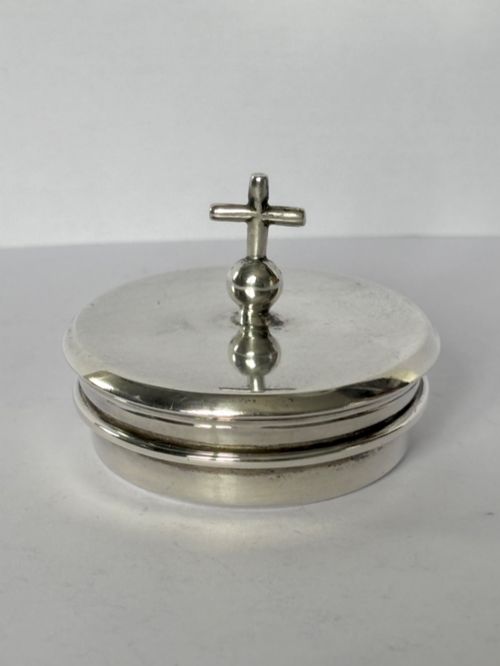
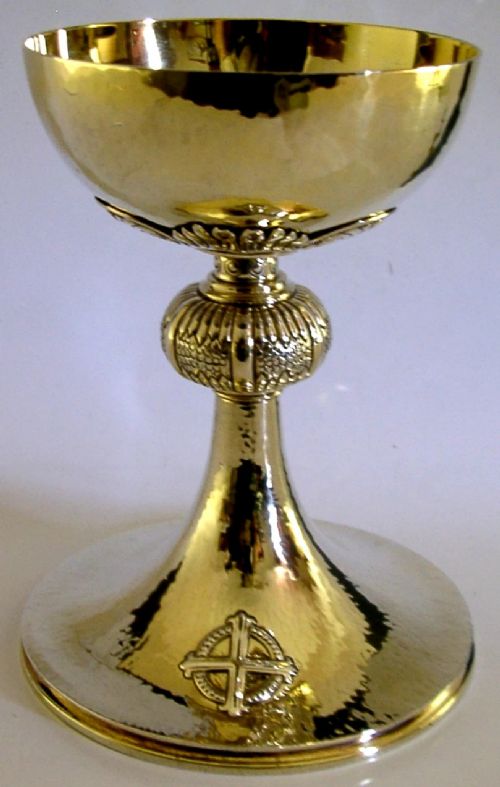
Religious items form a distinct category within these listings, represented by altar crosses, ecclesiastical pyx boxes, and wafer boxes in solid sterling silver and silver gilt. These liturgical objects reflect traditional ecclesiastical design alongside Arts and Crafts and Mid-Century aesthetics.
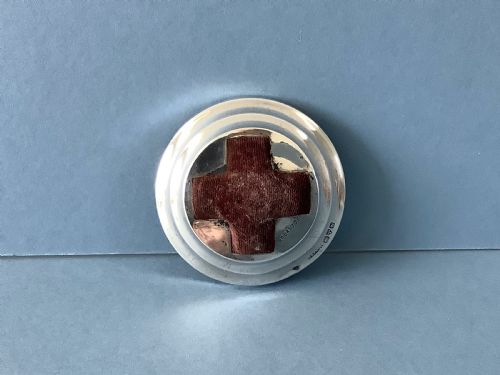
Wearable pieces and decorative homeware sit alongside church silver, featuring moonstone Christian cross pendants, amethyst and marcasite designs, and Red Cross pin cushions. These smaller items demonstrate the varied application of the cross motif in both personal adornment and patriotic commemoration during the twentieth century.
Materials and construction
Objects listed under this category utilise solid sterling silver, silver gilt, and standard silver, frequently complemented by chrome, glass, and base metal components. Artisans applied decorative treatments including black and red enamel alongside marcasite settings to enhance specific pendants and crucifixes.
Construction techniques range from the detailed casting of ecclesiastical chalices and pyx boxes to the delicate stone-setting found in moonstone and amethyst pendant necklaces. Pewter appears in quatrefoil wall sconce candle holders, demonstrating the variety of metalwork traditions employed across these periods.
Vintage Silver Cross Retail Price Guide 2026
Typical asking prices for vintage silver cross among the pieces listed under this phrase on Sellingantiques today, from the lower quarter to the upper quarter. They describe what is for sale here now, not the wider market.
Listings feature sterling silver items across five decades, running from the nineteen-tens through to the nineteen-sixties.
Evaluating craftsmanship and condition
Quality in these pieces depends upon the precision of the metalwork, the clarity of hallmarks, and the integrity of any stone settings such as marcasite, moonstone, or amethyst. Heavier ecclesiastical vessels like chalices and pyx boxes derive distinction from substantial silver weight and refined gilding.
Decorative items and personal accessories show variation in the crispness of casting and the preservation of original surface finishes, whether polished silver or gilt. Pieces originating from known ecclesiastical workshops or bearing distinct assay marks command greater interest through documented provenance.
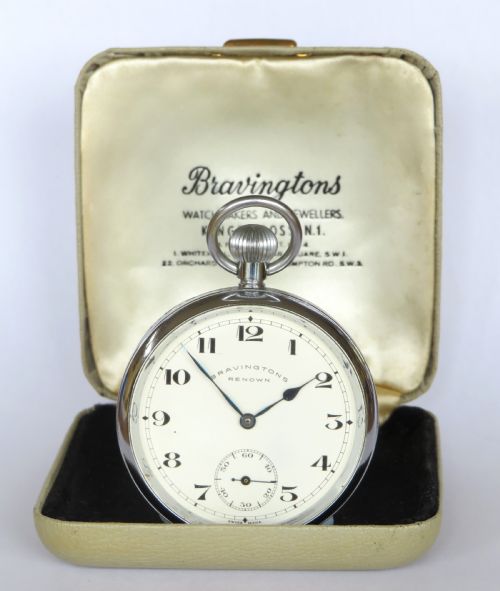
F Osbourne and Co London·Bravingtons Renown
The Vintage Silver Cross Glossary
- Pyx
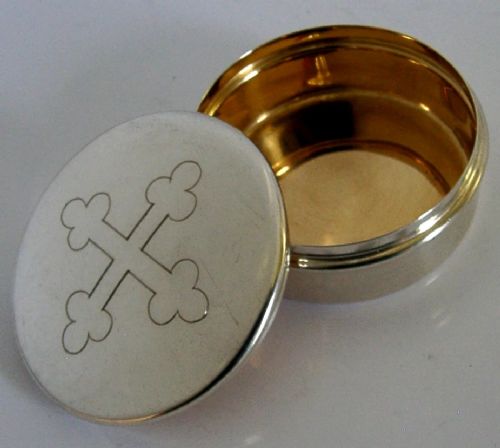
- A small round box used in Christian churches to carry the Eucharist. Examples often feature sterling silver and interior gilding.
- Marcasite
- Polished pyrite stones cut and set into silver jewellery to create a sparkling, faceted effect. This technique appears on vintage cross pendants.
- Silver Gilt
- Silver that has been coated with a thin layer of gold. This finish is common on interior ecclesiastical vessels and specific decorative items.
- Quatrefoil
- A symmetrical shape that forms the overall outline of four partially overlapping circles. This motif is found in wall sconce candle holders.
Vintage Silver Cross: Frequently Asked Questions
What is a silver pyx box used for?
A pyx box serves as a small liturgical container designed to hold consecrated bread for distribution to the sick or absent members of a congregation. These lidded vessels are typically manufactured from sterling silver and often feature interior gold gilding.
In the marketplace listings, pyx boxes appear alongside other ecclesiastical items such as chalices and altar crosses, reflecting traditional church metalwork of the mid-twentieth century.
How do I identify a vintage silver cross pendant?
Vintage silver cross pendants can be evaluated by examining the metal hallmarks, the style of the mounting, and any accompanying gemstones such as marcasite, moonstone, or amethyst. These necklaces span various twentieth-century movements, from Arts and Crafts interpretations to Mid-Century Modernist designs.
Inspect the reverse of the cross for maker marks and silver purity stamps like ninety-two five to confirm the material composition and potential period of origin.
What periods do these silver items date from?
The pieces listed under this category date across several decades of the twentieth century, specifically spanning the nineteen-tens, nineteen-twenties, nineteen-forties, nineteen-fifties, and nineteen-sixties. This timeframe encompasses diverse eras such as the George V period and the mid-century design movement.
Assay marks, style characteristics, and specific maker records help establish the precise decade of manufacture for individual chalices, watches, and decorative crosses.
Are all these items of a religious nature?
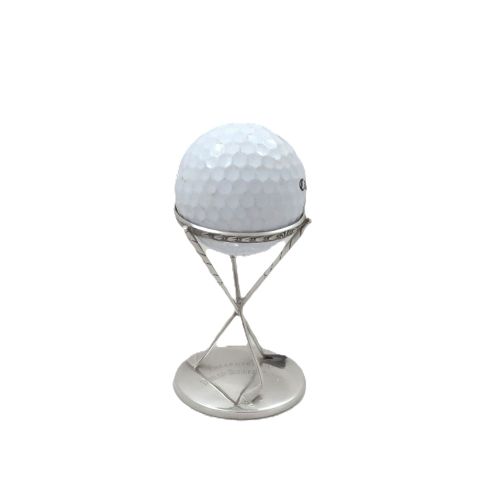
While many pieces, including altar crosses, pyx boxes, and chalices, serve direct ecclesiastical purposes, the category also includes secular items. Examples range from golf ball stands and pocket watches to Red Cross pin cushions and wall sconce candle holders.
The cross motif and silver medium unite these diverse objects, spanning personal devotion, decorative homeware, and commemorative items.