
Vintage Sideboard Cabinet
A vintage sideboard cabinet brings practical storage and architectural presence to a room, ranging from Edwardian oak to Art Deco walnut.
Vintage Sideboard Cabinet
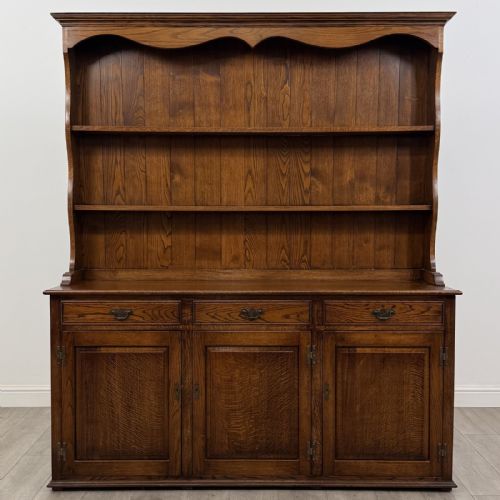
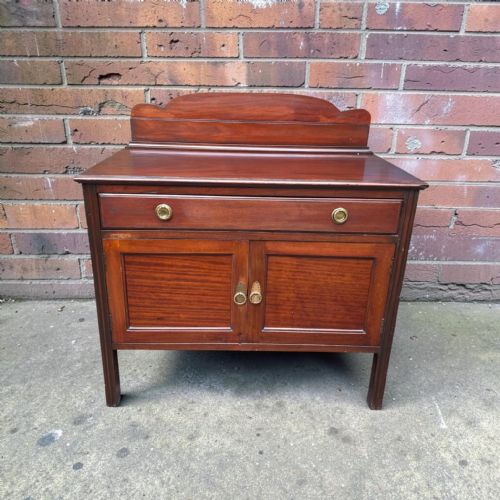
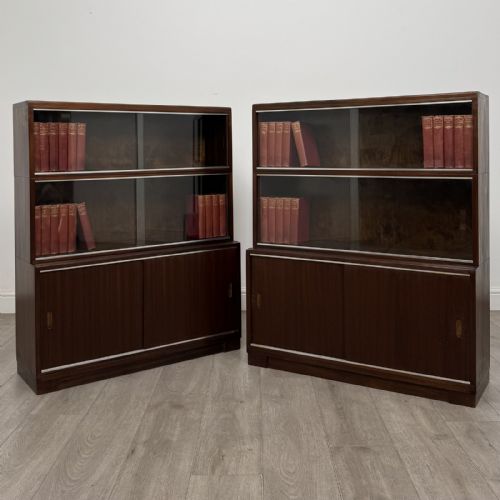
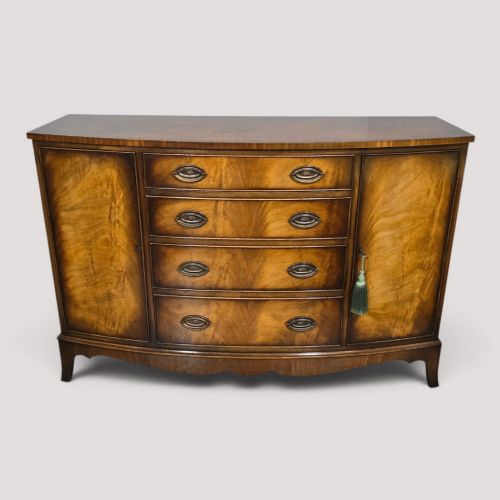
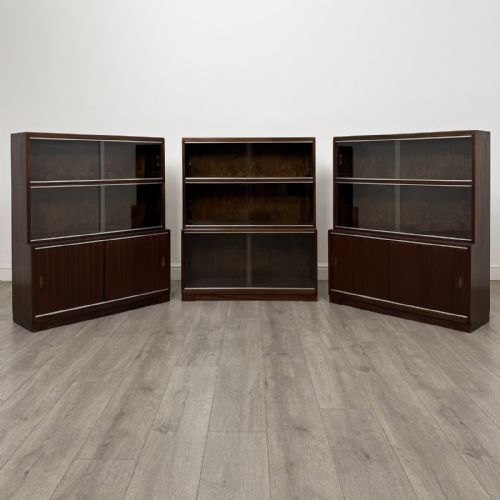
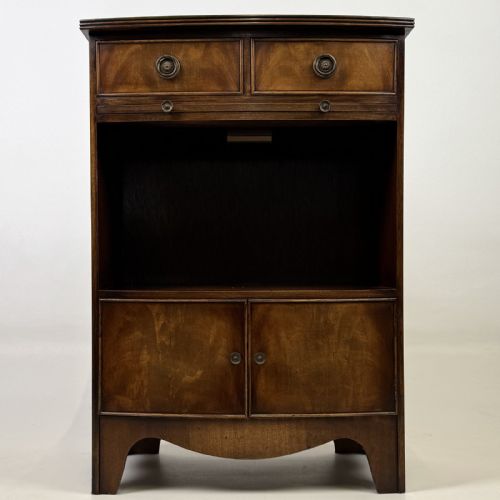
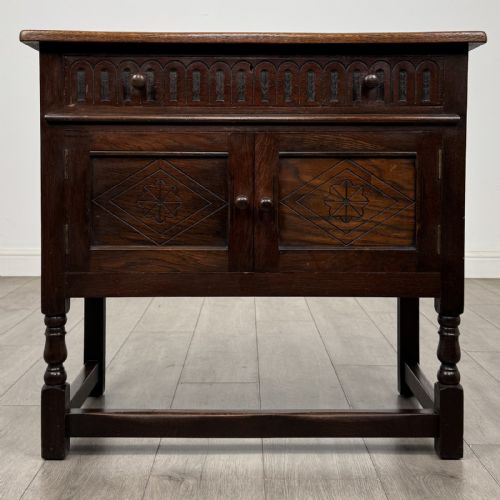
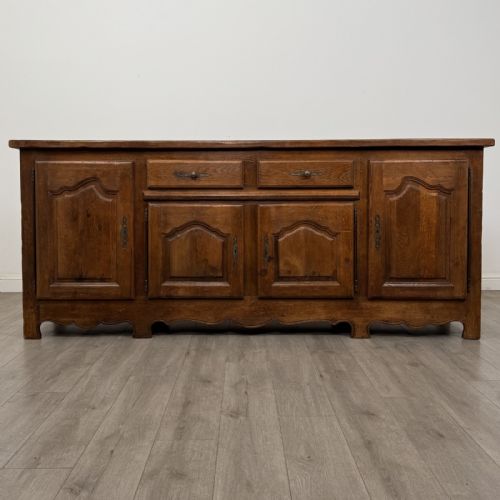
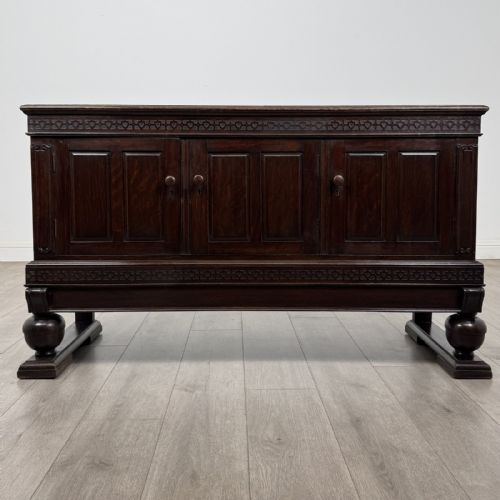
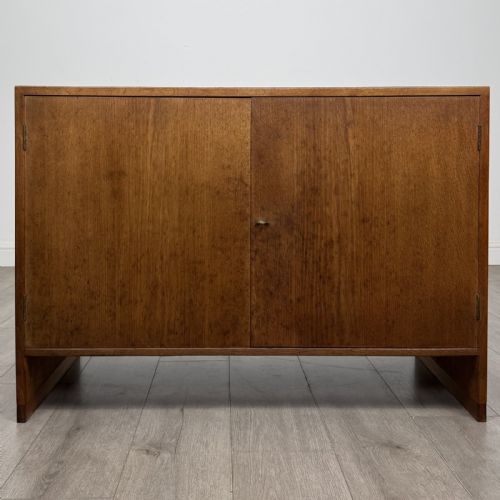
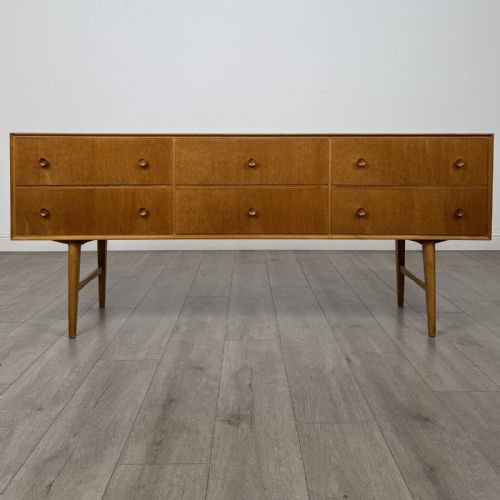
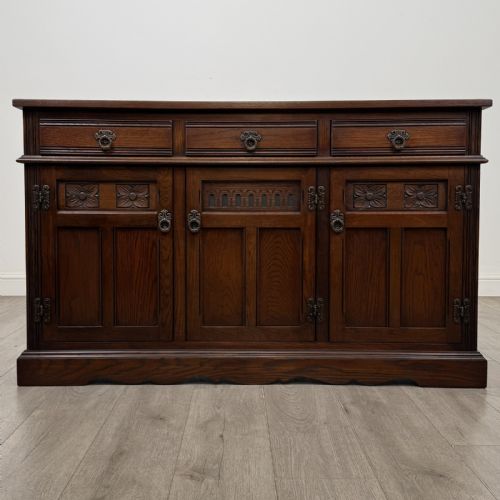
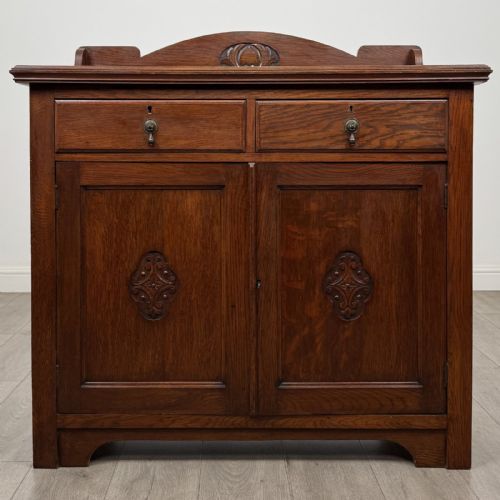
A vintage sideboard cabinet combines surface display with enclosed storage, taking forms such as chiffoniers, dresser bases, and side cabinets. The search for a vintage sideboard cabinet most frequently leads to early twentieth century oak and mahogany examples featuring cupboards, drawers, and raised galleries.
The origins span centuries of British and continental cabinetmaking, drawing on Victorian, Edwardian, and Art Deco design vocabularies. Pieces range from large dining room sideboards with multiple doors to compact side cabinets built for smaller domestic spaces.
Materials and Construction
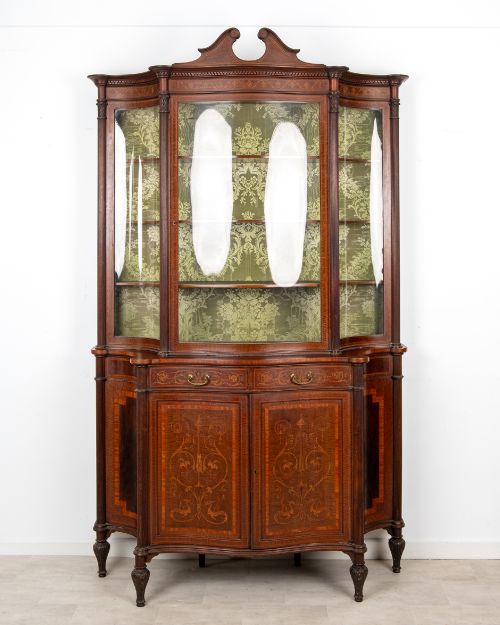
Cabinetmakers utilised durable hardwoods like oak and mahogany, often enhancing surfaces with burr walnut veneers, satinwood inlay, or linenfold carving. Structural integrity relies on traditional joinery, panelled doors, and fitted drawers.
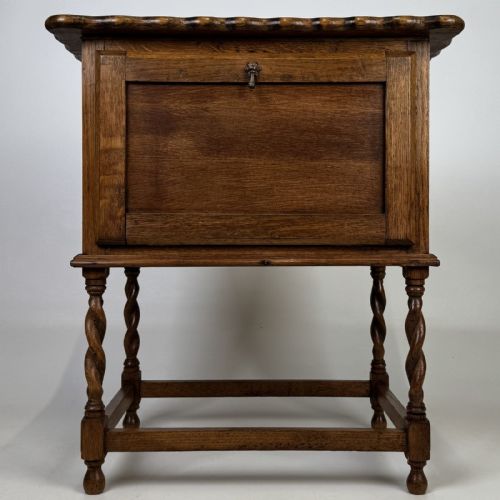
Metal hardware such as brass handles and iron fittings complement glass doors and carved wooden elements like barley twist or turned legs. Finish techniques preserve the natural grain of the timber while adding decorative depth through polish or wax.
Some oak cupboards hide pigeon holes behind their doors, ready for secret correspondence.
Distinctions in Quality
Quality rests in the selection of timber figures, such as matched walnut veneers or dense mahogany, and the crispness of hand-carved details like linenfold panels or claw and ball feet. Superior construction shows in smooth-running drawers, well-fitted doors, and stable joints.
Maple and Co·Jaycee·Epstein·Charles Dudouyt
The Vintage Sideboard Cabinet Glossary
- Chiffonier
- A low sideboard or cabinet featuring a raised shelf or gallery, popular during the Victorian period for serving and display.
- Dresser base
- A long wooden table with drawers and cupboards beneath, originating from eighteenth-century kitchens and dining spaces.
- Linenfold
- A style of wood carving that imitates folded linen, frequently seen on panels of early twentieth century oak cupboards.
- Demi lune
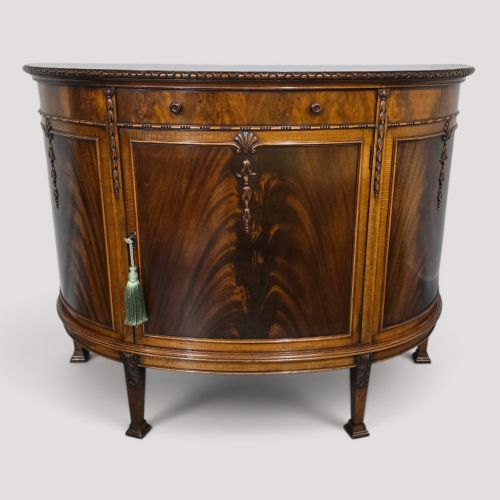
- A half-moon shape used for the tabletops and frames of side cabinets designed to sit flat against a wall.
- Stretcher base
- A framework of horizontal wooden bars connecting the legs of a cabinet to provide structural stability and support.
Vintage Sideboard Cabinet: Frequently Asked Questions
How do I identify an Edwardian sideboard cabinet?
Edwardian examples often feature lighter timbers like mahogany and satinwood inlay, or carved oak with raised galleries and turned legs.
Look for refined proportions and details such as mirror backs or claw and ball feet that distinguish the period from heavier Victorian designs.
What is the difference between a sideboard and a chiffonier?
A sideboard is generally a larger piece designed for dining rooms with multiple doors and drawers for storage and serving.
A chiffonier is a smaller, more compact cabinet that typically includes a raised shelf or gallery on top for displaying decorative items.
How were oak sideboards used in homes?
Oak sideboards served as practical dining room furniture for storing tableware, linens, and serving dishes.
The top surface provided space for displaying platters and ornaments, while drawers kept cutlery organised.
Are Art Deco sideboards different from earlier styles?
Art Deco sideboards embrace geometric forms, streamlined silhouettes, and striking veneers like burr walnut without traditional period carving.
They shift the decorative focus towards clean lines and material grain rather than Revival ornamentation.