

Vintage Scrubbed Pine Table
A vintage scrubbed pine table brings honest utility to a room, offering scrubbed timber tops and painted bases built for hard domestic service.
Vintage Scrubbed Pine Table
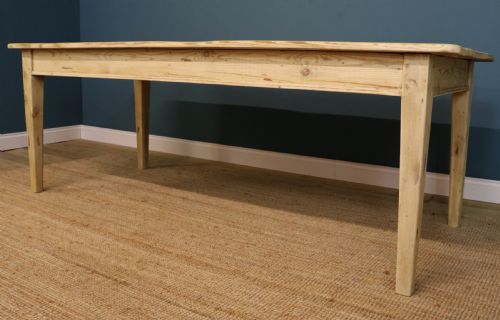
When you search for a vintage scrubbed pine table, you encounter hard-working domestic furniture rooted in the nineteenth and early twentieth centuries. These pieces encompass dining tables, kitchen tables, coffee tables, servers, and work tables originating from English, French, Swedish, and Danish country settings.
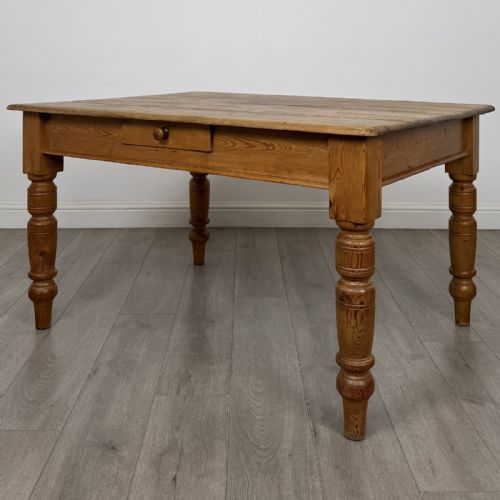
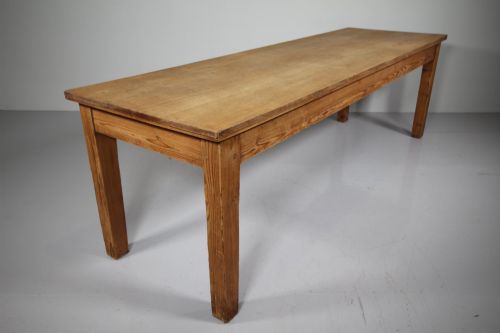
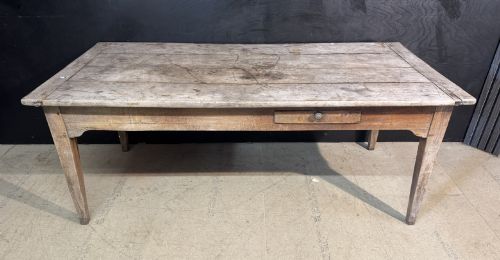
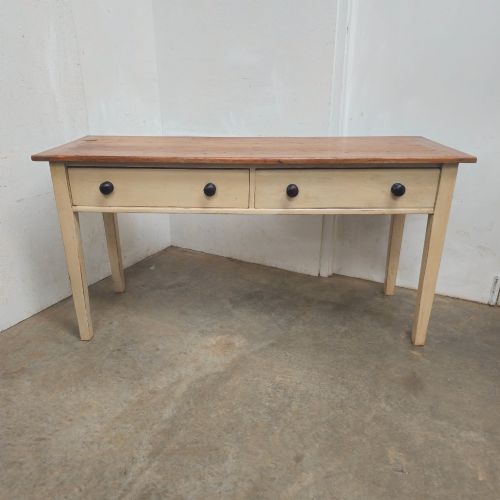
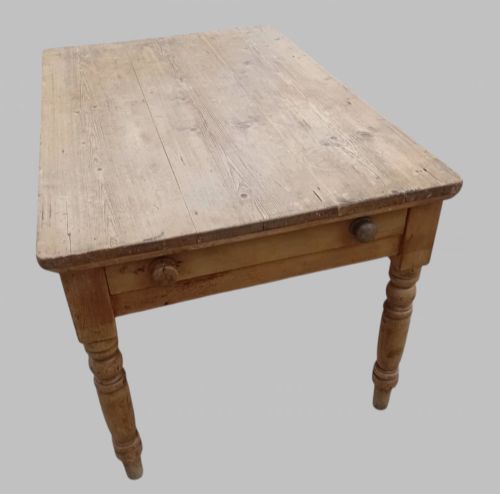
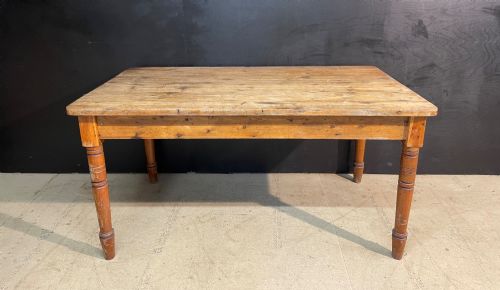
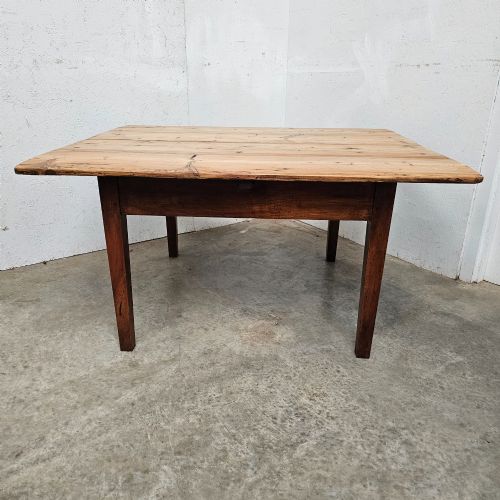
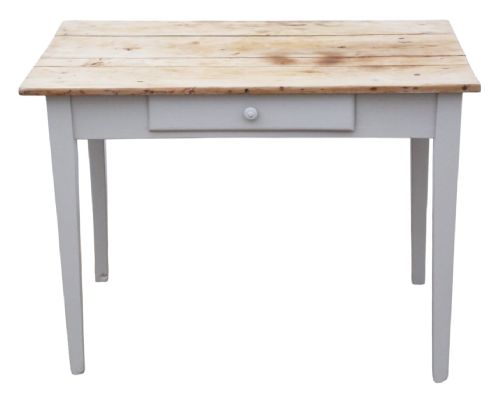
The version you are most likely to meet on this page is a nineteenth-century or Victorian farmhouse kitchen table featuring a scrubbed wooden top and square section supports. Many examples display painted bases in traditional shades, reflecting their origins in dairies, farmhouses, and preparation rooms.
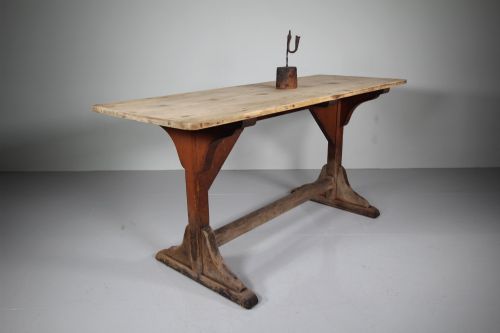
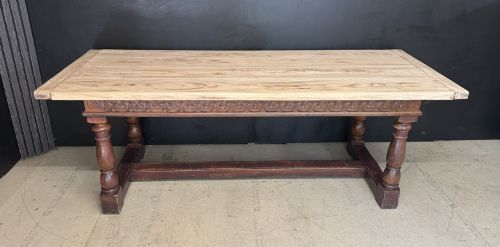
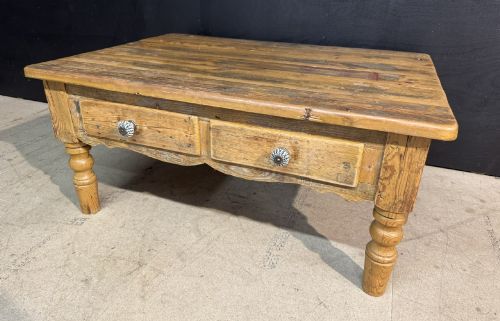
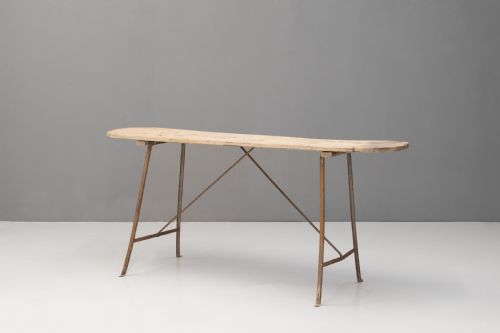
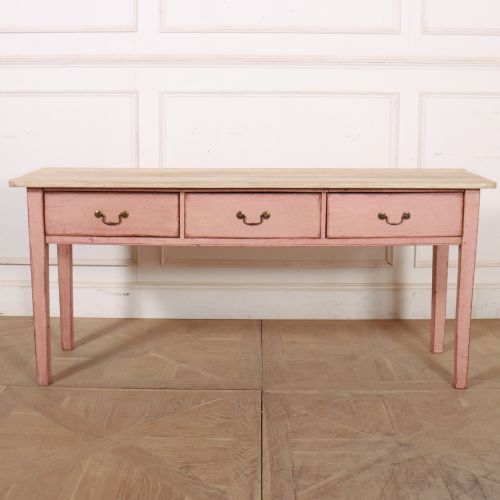
Beyond standard dining formats, the selection includes low pantry tables, trestle tables in sycamore and elm, pot tables with shelves, and compact coffee tables. Each piece retains the marks of domestic labour, whether designed for food preparation or daily family meals.
How they were made
Construction relies primarily on solid pine, timber, and occasionally fruitwood, sycamore, or elm for scrubbed tops that could withstand daily scouring with water and sand. Carpenters built these tables for endurance, joining thick planks with sturdy frames and square section supports.
Surface treatments vary between bare scrubbed timber tops and painted structural elements utilising traditional finishes such as Falu paint. Surviving layers of old paint on legs and aprons record decades of maintenance and redecoration in rural households.
Styles span rustic farmhouse, Scandinavian country, French provincial, and Victorian country traditions.
What varies in quality
Quality in these utility tables rests upon the integrity of the timber and the balance of proportions between the scrubbed top and the base. Tables featuring thick, well-scrubbed pine planks paired with stable, original painted frames hold greater structural coherence.
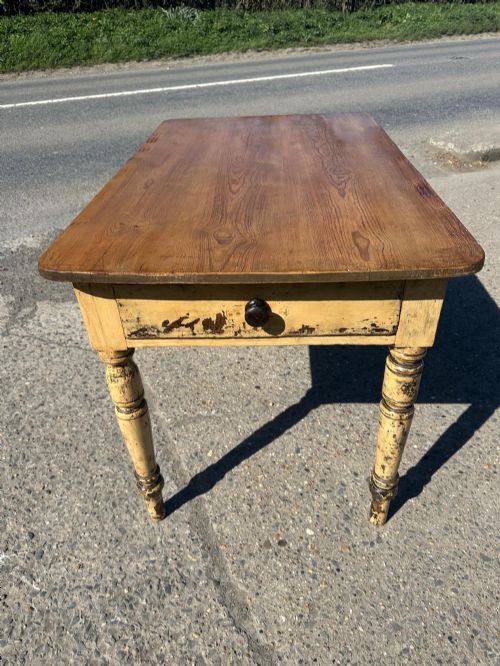
The character of the surface wear distinguishes finer pieces from ordinary ones, particularly where layers of old paint survive untouched on the legs and skirts. Proportion and scale also dictate quality, as larger farmhouse formats and tables with integrated drawers demand more sophisticated joinery.
The Vintage Scrubbed Pine Table Glossary
- Scrub top
- A wooden table top cleaned repeatedly with water and abrasives until the soft grain wears away, leaving a pale, textured surface. This method was standard for kitchen and dairy tables to maintain hygiene.
- Falu paint
- A traditional deep red or dark paint originating in Sweden, composed of copper mine waste and linseed oil. It was widely applied to woodwork for its preservative qualities.
- Dresser base
- The lower section of a kitchen storage unit, functioning as a heavy standalone table or sideboard. These sturdy bases often doubled as food preparation surfaces.
- Trestle table
- A table supported by two or more upright frames connected by a horizontal beam. This construction provides stability without obstructing legroom.
- Dairy table
- A utilitarian table designed for milk processing and cheese making, usually fitted with scrubbed softwood tops to resist moisture. They often include lower shelves for draining.
Vintage Scrubbed Pine Table: Frequently Asked Questions
How do I clean a scrubbed pine top?
Clean the surface using warm water and a mild soap, scrubbing gently along the grain with a soft brush. Avoid harsh chemical detergents that strip the natural patina accumulated over the decades.
Rinse thoroughly and dry with a clean cloth to prevent moisture penetration. Regular light waxing can help protect the pale wood without darkening its historic character.
Are these tables suitable for daily dining?
These tables were originally constructed for heavy domestic work, making them exceptionally durable for daily meals. Their solid timber construction handles regular use without losing structural stability.
Most examples offer generous proportions that accommodate modern seating arrangements comfortably. Using placemats helps protect the historic scrubbed surface from heat and moisture marks.
What is Falu paint?
Falu paint is a traditional Scandinavian matte paint known for its deep earthy hue and protective qualities. It consists of alkyd oil, flour paste, and pigment derived from copper mining residue.
Applied frequently to vernacular furniture, this finish ages gracefully on table legs and aprons. Surviving coats demonstrate authentic regional manufacturing traditions.
How can I tell a nineteenth-century table from a later one?
Nineteenth-century examples display hand-cut joinery marks, iron fixings appropriate to the period, and deep surface wear from decades of manual scrubbing. Timber grain on older tops shows distinct weathering patterns unique to historic domestic service.
Twentieth-century pieces often feature more uniform machining and lighter framing structures. Examining the underside and leg fixings reveals the construction methods characteristic of different eras.