




Vintage Round Stool
These vintage round stool examples range from rustic farmhouse seating to refined piano stools, offering sturdy utility and distinct period character.
Vintage Round Stool
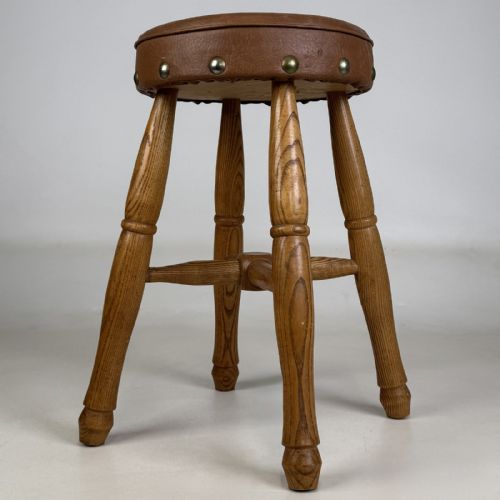
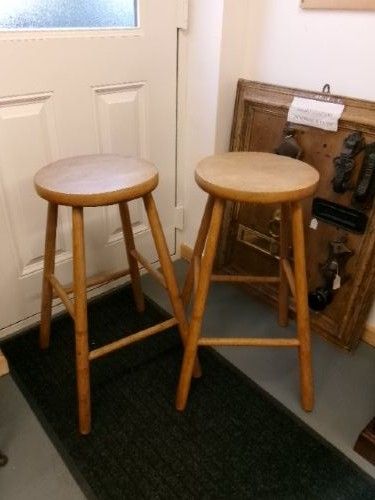
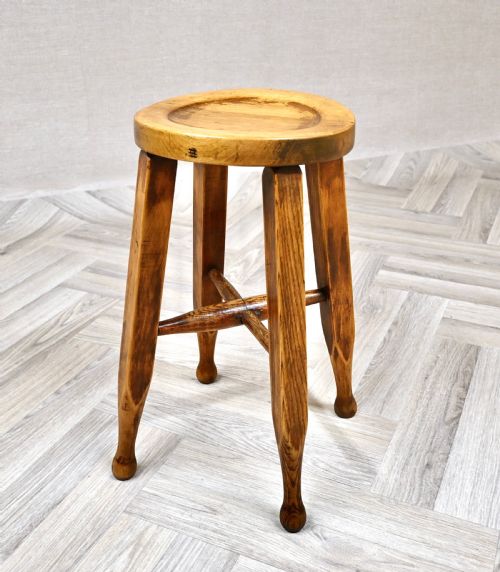
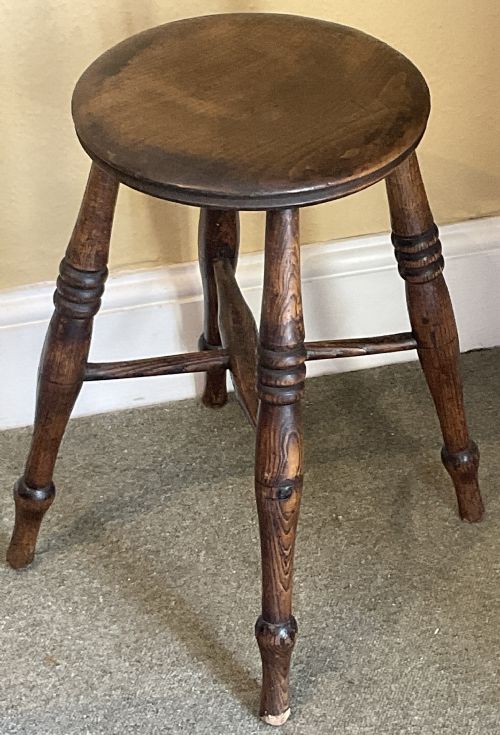
When you search for a vintage round stool, you encounter a surprisingly varied selection of seating spanning the nineteenth and twentieth centuries. These pieces encompass kitchen stools, piano stools, footstools, and bar stools originating from English and French traditions.
The versions you are most likely to meet on this page include nineteenth century country examples in elm and oak alongside early twentieth century bentwood designs and adjustable piano stools in walnut and mahogany.
Forms stretch from simple utilitarian circular top stools to elaborately carved Victorian specimens and French red silk buttoned ottomans. Each piece serves a domestic function while bearing the distinct stylistic hallmarks of its period of origin, from Regency elegance to rustic country simplicity.
How they were made
Construction relies heavily on traditional timber selection, with workshops utilising oak, elm, walnut, mahogany, beech, and rosewood. Solid woods provide the structural integrity required for everyday seating and adjustable mechanisms.
Surface treatments and upholstery methods define the finished appearance, combining carved wooden frames with applied finishes and occasionally delicate fabrics such as calico, silk, and fabric coverings. Joinery techniques vary from rustic farmhouse dowel construction to precise nineteenth century cabinet making.
Vintage Round Stool Retail Price Guide 2026
Typical asking prices for vintage round stool among the pieces listed under this phrase on Sellingantiques today, from the lower quarter to the upper quarter. They describe what is for sale here now, not the wider market.
Materials documented across the pieces include solid oak, elm, walnut, mahogany, rosewood, beech, and silk upholstery.
What varies in quality
The distinction between standard utility seating and top-tier examples lies in the execution of the woodwork and the sophistication of any mechanical elements. Hand-carved details on walnut and mahogany frames elevate certain pieces far above plain general purpose items.
Design pedigree and material choice heavily influence the overall standard of a piece, such as marked maker attribution on Regency piano stools versus anonymous nineteenth century workshop output. The integrity of adjustable screws, bentwood steam curves, and tight joinery also marks out superior examples.
Gillows
The Vintage Round Stool Glossary
- Bentwood
- Wood that has been heated by steam and then bent into curved shapes. This technique creates lightweight yet strong frames typical of early twentieth century seating.
- Piano stool
- A seat specifically designed for use at a piano, frequently featuring a central threaded screw mechanism to allow adjustable height. These often incorporate mahogany, walnut, or rosewood timbers.
- Windsor
- A traditional chair or stool style featuring turned legs and spindles socketed directly into a solid sculpted seat. These sturdy pieces draw on long-established English country woodworking traditions.
- Ottoman
- A low upholstered seat or footstool lacking a back or arms. Nineteenth century examples often showcase deep buttoning and rich silk or fabric coverings.
- Napoleon III
- A French nineteenth century design style characterised by eclectic influences, rich materials, and decorative carving. Pieces from this period frequently display dark hardwoods and luxurious upholstery.
Vintage Round Stool: Frequently Asked Questions
How do I date a round stool?
Dating relies on observing the timber types, tool marks, joinery methods, and stylistic cues present in the frame. Nineteenth century pieces often display hand-turned elements and denser hardwoods like mahogany or rosewood.
Later pieces from the 1920s and 1940s introduce industrial manufacturing techniques, bentwood processes, and simpler beech or elm structures. Comparing the construction details to documented period examples helps confirm the era of manufacture.
Are piano stools adjustable?
Many vintage piano stools feature a central wooden or metal screw mechanism concealed beneath the seat. Turning the top allows the user to raise or lower the seating height to suit their preference.
Not all piano stools are adjustable, as some fixed-height variants and footstools were also produced during the Regency and Victorian periods. Examining the underside reveals whether a mechanical height adjustment screw is present.
What woods were commonly used?
Cabinet makers and country joiners utilised a wide variety of timbers depending on the intended function and style of the stool. Oak and elm predominate in rustic farmhouse and Windsor designs due to their toughness and resilience.
Refined Victorian and Regency pieces frequently employ high-status furniture woods such as walnut, mahogany, and rosewood. Beech also appears regularly in twentieth century kitchen and bar stools.