





Vintage Reference Book
These vintage reference books are practical volumes and bound sets from the eighteenth, nineteenth, and early twentieth centuries that collectors use for historical research and library display.
Vintage Reference Book
When you search for vintage reference book, you are looking at utilitarian works spanning the eighteenth to the early twentieth centuries, including almanacs, regional histories, sporting guides, and geographical atlases. The selection on this page leans heavily toward multi-volume sets of British birds, county histories, and German cartography.
You will encounter individual leather-bound volumes alongside sets running to several books, originating from English, French, and German presses. These pieces served as working tools for naturalists, cartographers, and genealogists before becoming decorative library items.
The periods represented stretch from the late Georgian and Regency eras through the Victorian age and into the early twentieth century. Each book carries the specific stamps, maps, or plates of its original printing purpose.
How they were made
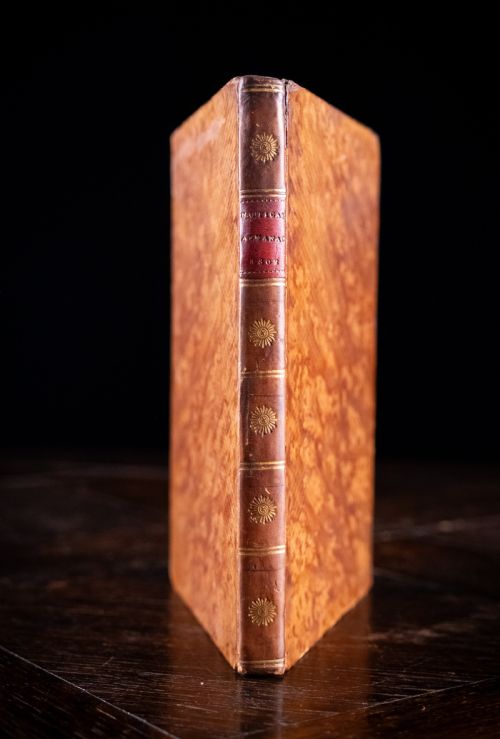
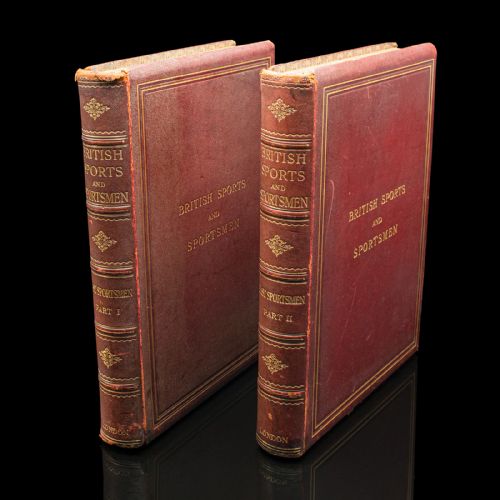
These volumes rely on sturdy paper and cardboard construction, stitched together with thread and bound in full leather, cloth, or paper-covered boards. Bindings frequently incorporate gold leaf and gilt tooling on the spines to mark titles and volume numbers.
Printing techniques combine traditional letterpress text with detailed engraving, lithography, and hand-coloured cartography, particularly in atlases and natural history volumes.
Vintage Reference Book Retail Price Guide 2026
Typical asking prices for vintage reference book among the pieces listed under this phrase on Sellingantiques today, from the lower quarter to the upper quarter. They describe what is for sale here now, not the wider market.
Human locomotion is captured frame by frame in Eadweard Muybridge's early photographic study.
What varies in quality
Quality in these volumes rests on the completeness of the text and plate blocks, particularly in multi-volume sets and cartographic works where missing maps or plates diminish the historical value. The integrity of the original binding, whether full leather or cloth, also separates standard reading copies from superior collector examples.
The crispness of the printing and the clarity of any illustrations or folding maps distinguish standard utilitarian runs from finer editions produced with quality papers and gold leaf detailing.
The Vintage Reference Book Glossary
- Almanac
- An annual publication containing tabular information, calendars, and astronomical data. The eighteenth-century nautical example listed here records astronomical ephemeris for navigation.
- Atlas
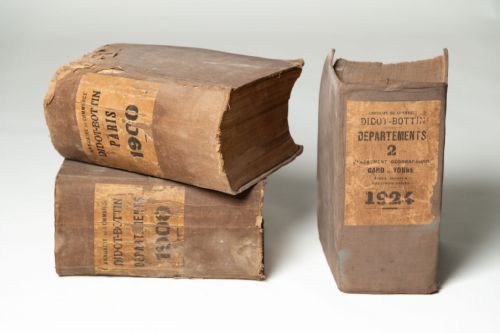
- A bound collection of maps, often accompanied by statistical tables or descriptive text. The German cartography volume from the nineteen-twenties demonstrates this form.
- Gilt
- A thin layer of gold or gold-like material applied to paper, leather, or page edges. It is found on many nineteenth-century spines and cover lettering.
Vintage Reference Book: Frequently Asked Questions
What is a vintage reference book?
A vintage reference book is an older informational volume, such as an atlas, almanac, or natural history guide, produced for study rather than casual reading.
These pieces range from late eighteenth-century nautical tables to early twentieth-century German cartography.
How were these books used?
Original owners consulted these volumes for practical data, navigation, geographical mapping, and tracking local history or species.
They sat in libraries, studies, and offices as working tools for professionals and scholars.
Are multi-volume sets common?
Yes, many reference works of the nineteenth and early twentieth centuries span several volumes to cover extensive subjects like British birds or county genealogies.
Listings frequently include long runs of leather-bound books or sets contained in multiple bindings.
How do I date these books?
Dating relies on title page publication years, printer credits, and stylistic clues from the binding materials such as Victorian cloth or Regency leather.
Many volumes explicitly state their printing year on the title page or within the preface.