
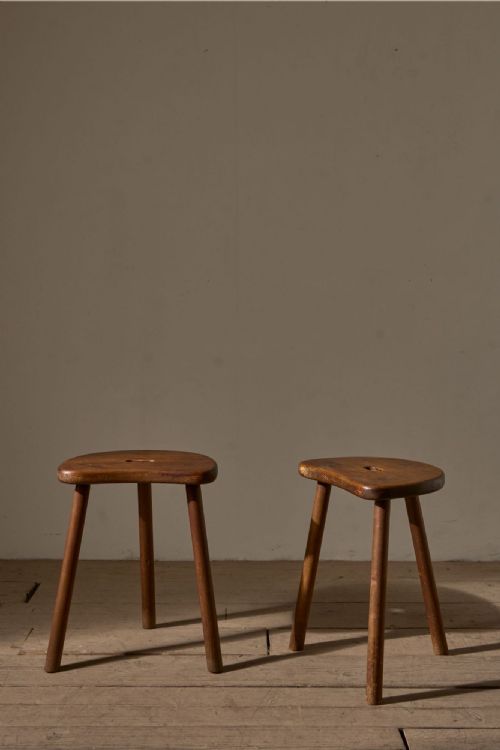

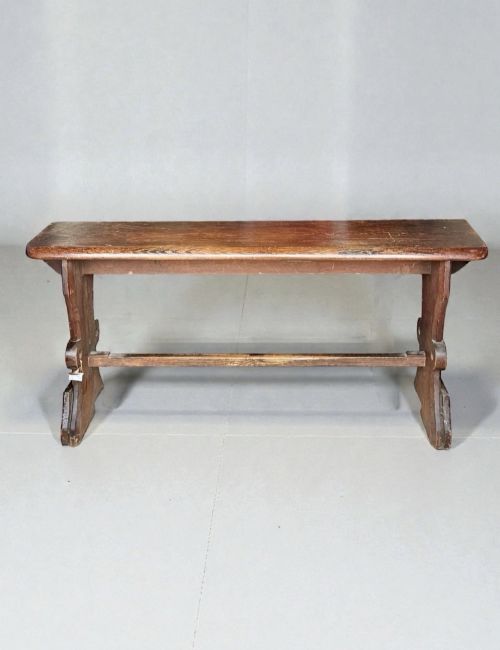


Vintage Pine Stool
These vintage pine stool pieces span rustic country forms and industrial utility, offering honest timber character for daily seating.
Vintage Pine Stool
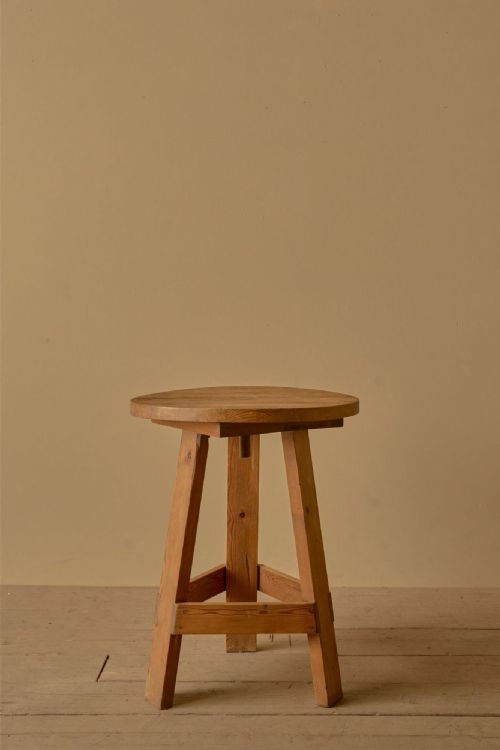
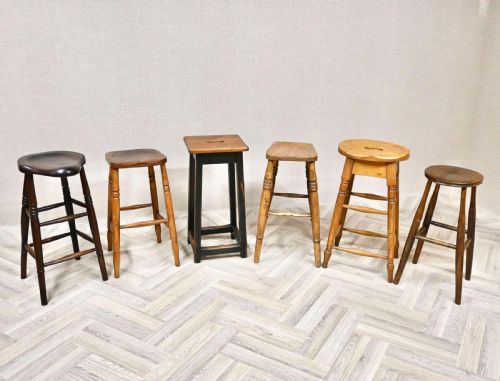
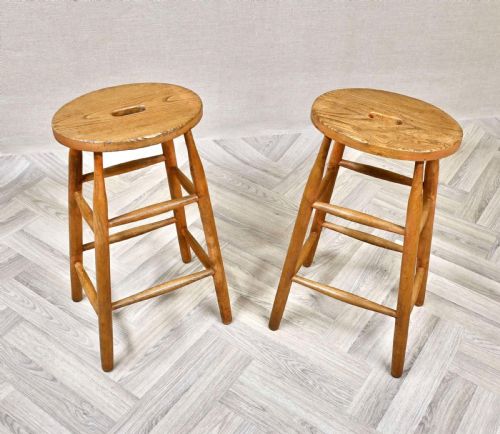
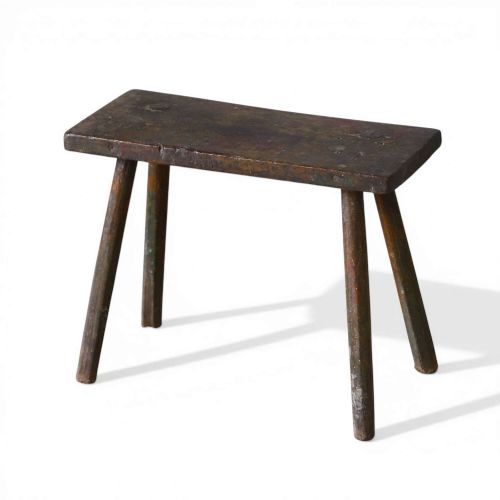
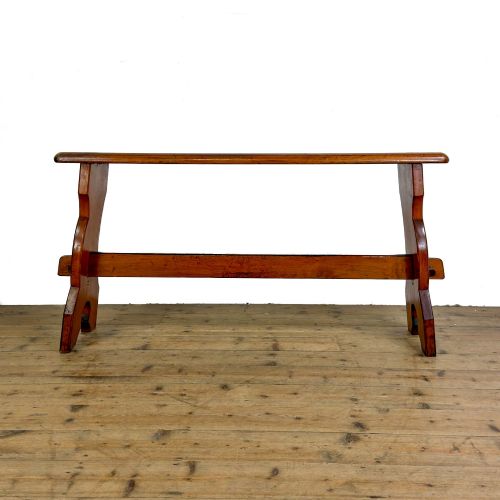
A vintage pine stool encompasses functional domestic seating and utilitarian workshop pieces originating primarily through the nineteenth and early twentieth centuries. Buyers encounter diverse forms ranging from low milking stools and footstools to tall bar stools and industrial machinist seats. Regional vernacular traditions shape these pieces, often combining pine with elm, oak, beech, or iron reinforcement.
Construction and materials
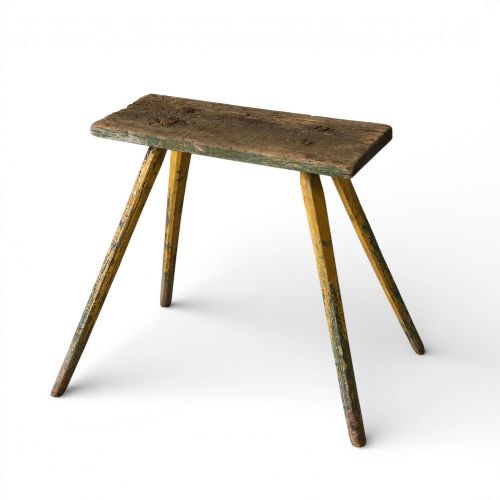
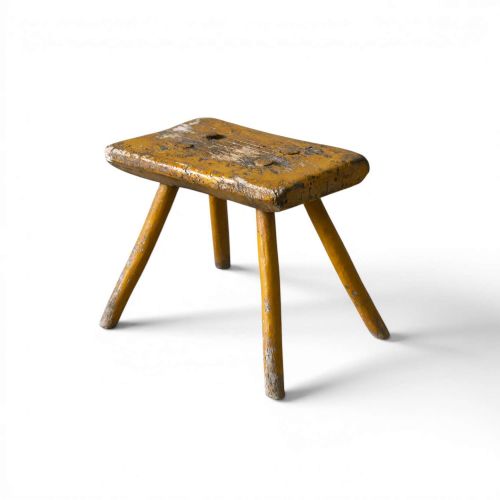
Makers utilised solid timber construction, relying primarily on pine alongside pitch pine, elm, oak, and beech for structural resilience. Joinery techniques in these vernacular objects typically involved pegged mortise and tenon joints or simple turned legs wedged directly into plank seats. Many surfaces display original paint finishes, including ochre and green layers, while others retain exposed scrubbed grain.
Industrial and workshop pieces incorporate cast iron elements alongside wooden components, particularly in machinist stools and folding step ladders. Scratch-built French country examples demonstrate straightforward hand-tool working methods suited to local agricultural needs. The combination of timber and iron ensured durability under heavy daily use.
Listings feature pine, elm, oak, beech, and cast iron across nineteenth and early twentieth century periods.
Judging quality and character
Quality in these items rests upon structural integrity, original surface patination, and honest signs of period wear. Pieces retaining their original painted finishes, such as historic ochre or green pigments, hold greater visual appeal than stripped timber. Solid joints and uncompromised footings distinguish superior vernacular construction from heavily altered or rebuilt examples.
Proportion and form heavily influence desirability, particularly in scarce items like tall bar stools or primitive milking seats. The balance between utilitarian strength and pleasing domestic proportion separates standard workshop survivors from exceptional decorative pieces. Natural ageing of the timber grain provides an authentic surface depth that modern reproductions cannot replicate.
The Vintage Pine Stool Glossary
- Vernacular
- Everyday objects built by local craftspeople or tradesmen using regional traditions rather than high-style architectural designs. These pieces prioritise utility and local material availability over fashionable trends.
- Pitch pine
- A dense, resinous softwood sourced mainly from North America and frequently utilised for heavy-duty industrial and architectural furniture. Its high resin content provides notable durability.
- Milking stool
- A small, usually three-legged seat designed for agricultural workers tending dairy animals. The tripod base offered stability on uneven barn and pasture floors.
- Scratch built
- An item constructed from raw timber using basic workshop tools without the benefit of standardised factory templates or kits. Each piece reflects the individual maker's direct measurements and resourcefulness.
- Patina
- The surface sheen and colour depth developed on wood and paint over decades of handling, cleaning, and exposure to light. It serves as a primary indicator of genuine age.
Vintage Pine Stool: Frequently Asked Questions
How do I date a vintage pine stool?
Dating relies on examining construction methods, tool marks, and fastener types such as early screws or hand-forged iron. Signs of wear patterns on the seat and feet also help establish genuine nineteenth or early twentieth-century origins.
Secondary indicators include original surface treatments and paint layers that match historical pigments. Comparing the joinery style to documented vernacular furniture traditions confirms the period.
Are these stools suitable for daily kitchen use?
Most pieces were originally built for hard domestic or workplace tasks, making them robust enough for contemporary seating. Checking the stability of the legs and joints ensures safe everyday utility.
Placing felt pads on the base protects both historical feet and modern flooring surfaces. Regular gentle cleaning preserves the aged timber without stripping its character.
What is the difference between a milking stool and a bar stool?
Milking stools feature low, compact tripod or four-legged designs intended for sitting close to the ground during agricultural chores. Bar stools are significantly taller, often built with integrated footrests for elevated counter seating.
Industrial bar stools frequently incorporate cast iron swivel mechanisms or metal framing. Milking stools remain purely timber-based constructions suited to low-level tasks.
How should I care for original painted surfaces?
Preserving original paint requires avoiding harsh chemical cleaners, abrasive scrubbers, and modern solvent-based polishes. Dusting with a dry or slightly damp cloth is usually sufficient for routine maintenance.
Keep the timber away from direct heat sources and strong sunlight to prevent paint flaking and wood splitting. Minimal intervention maintains the historical integrity of the piece.