

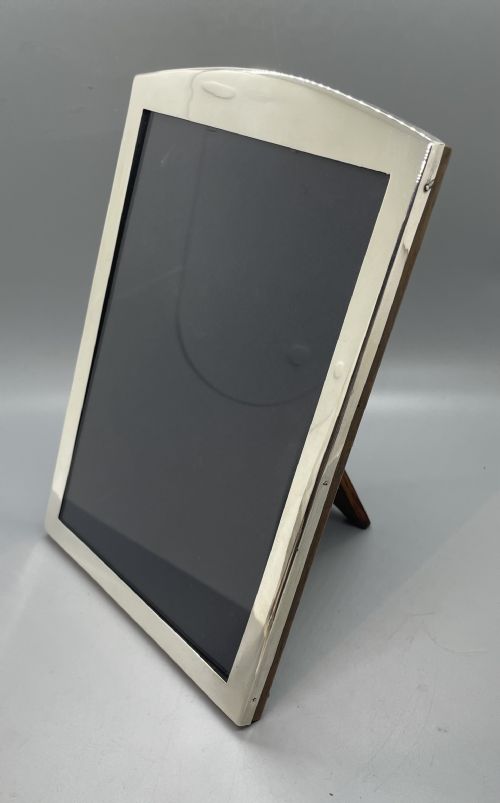
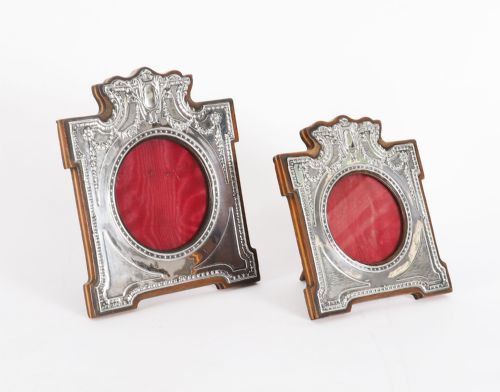
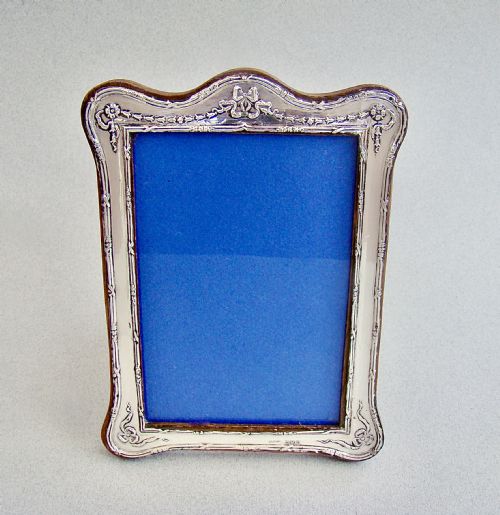


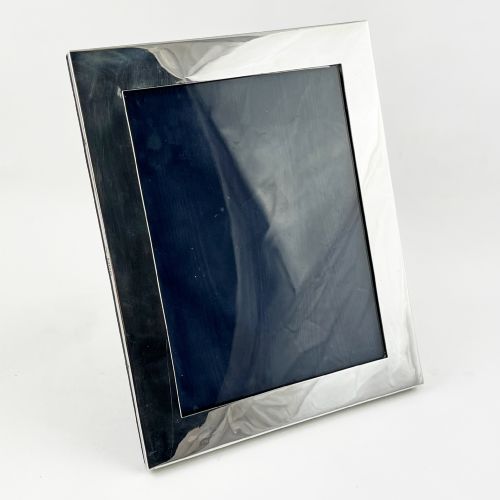


Vintage Photo Display
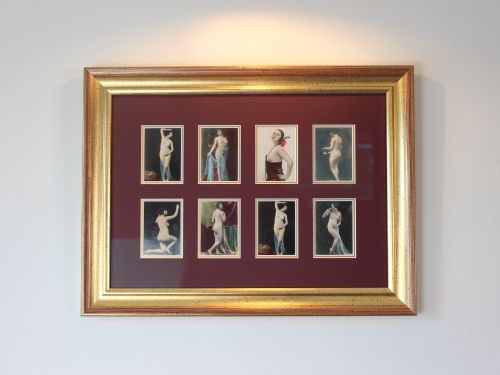
A vintage photo display offers a tangible way to showcase portraits, holding memories within frames of silver, bronze, and wood.
Vintage Photo Display
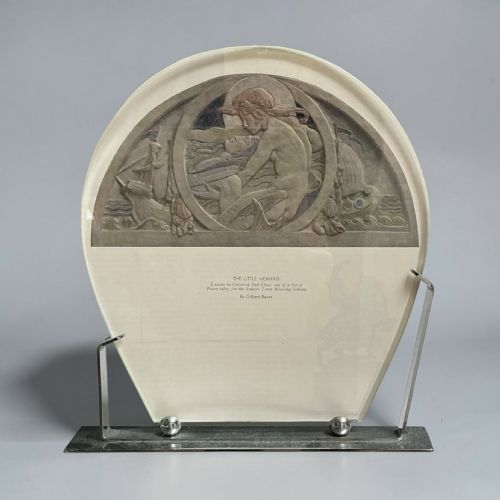
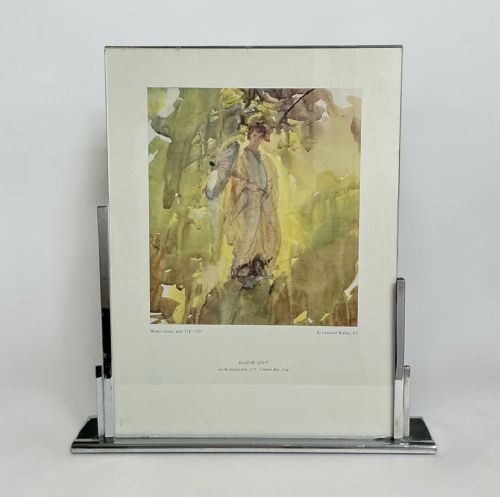
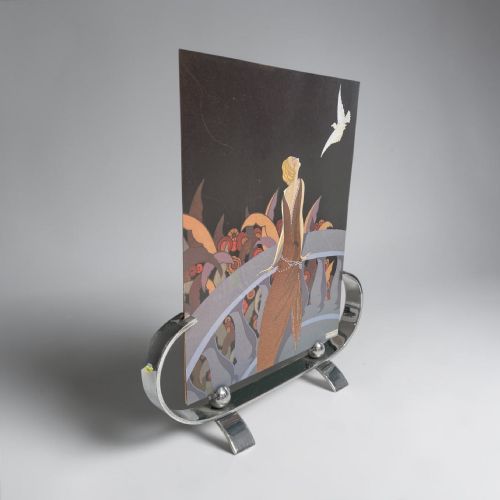
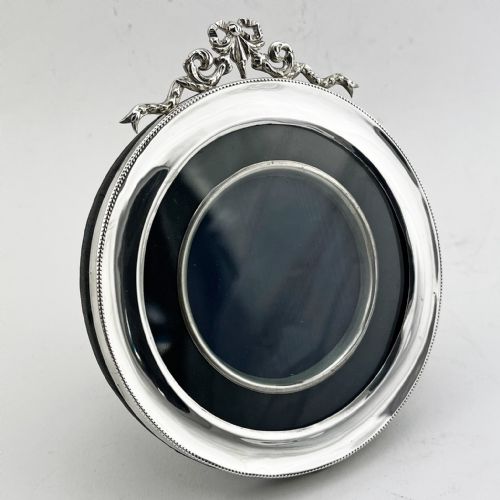
Buyers will encounter various forms, ranging from single round or oval desk frames to folding travel cases, double frames, and large wall-hanging mirrors. Materials such as glass, brass, velvet, and leather frequently support these metal and wooden structures.
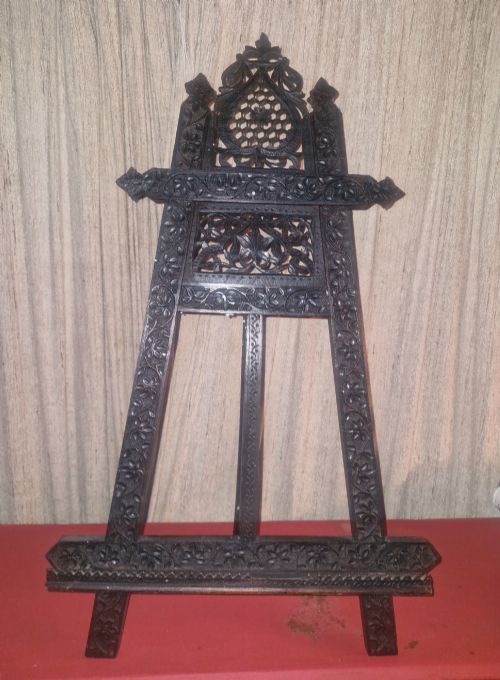
Pieces span from the late nineteenth century through the 1950s, displaying distinct design languages from French Rococo and Art Nouveau to George V silverwork. Smaller tabletop picture frames dominate the offerings, alongside occasional stereoscopes and specialised display easels.
Materials and Construction
Metals form the core of these pieces, utilising sterling silver, gilt bronze, ormolu, brass, and chrome. Silversmiths applied techniques like embossing, floral engraving, and planishing to shape decorative borders around the viewing windows.
Backings rely on traditional materials including black leather, blue velvet, and wood such as burr yew. Glass protects the photographic content, secured within hinged or fixed metal and wooden housings that often incorporate folding mechanisms for travel.
Vintage Photo Display Retail Price Guide 2026
Typical asking prices for vintage photo display among the pieces listed under this phrase on Sellingantiques today, from the lower quarter to the upper quarter. They describe what is for sale here now, not the wider market.
Napoleon Bonaparte's preferred symbol lives on in gilded bronze frames decorated with small cast bees from the nineteenth century.
Assessing Quality and Craftsmanship
The distinction between tiers rests upon the weight of the metal, the crispness of the chasing or embossing on silver borders, and the integrity of the structural joints. Superior examples exhibit substantial metal gauge, intact velvet or leather backing panels, and clear hallmarks.
Workmanship on decorative elements, such as cast ormolu mounts, Napoleonic bees, or carved wood details, defines the upper range. Pieces retaining their original glass, secure hinges, and functional desk easels command stronger appreciation.
Mappin Bros·W.I. Broadway and Co·William Comyns·Pinci Roma·Julian Mandel
The Vintage Photo Display Glossary
- Sterling silver
- An alloy containing 92.5 percent silver by mass, widely utilised in Edwardian and George V picture frames.
- Ormolu
- A gilded bronze technique popular in French decorative arts for mounting and framing photographs.
- Planished
- A metal surface finish achieved by hammering with a small-faced tool to create uniform facets.
- Stereoscope
- An optical instrument used to view two slightly different photographic images simultaneously to create a three-dimensional effect.
- Hallmark
- An official stamp applied by an assay office, such as Birmingham, indicating metal purity and year of manufacture.
Vintage Photo Display: Frequently Asked Questions
How do I clean tarnished silver frames?
Use a soft microfiber cloth with a dedicated silver polish, taking care to avoid abrasive materials that might scratch the embossed floral borders.
Keep polish away from the velvet or leather backings to prevent staining or moisture damage.
Can I replace the glass in antique frames?
Original glass is preferred, but cracked panes can be replaced by a professional glazier using thin window glass cut to fit the rebate.
Ensure the retaining tabs or backings secure the new glass without putting excessive pressure on the antique metal frame.
How do I date an Edwardian silver frame?
Look for the assay office hallmarks stamped into the silver border, which indicate the city of testing and the specific year letter.
Stylistic cues such as floral embossed borders or Art Nouveau motifs also point directly to the Edwardian era.
Are folding travel frames fragile?
Travel frames use hinges to connect multiple panels, which can weaken with frequent movement over the decades.
Support the joints when opening multi-fold displays to protect the leather or velvet hinges from tearing.