






Vintage Percussion Firearm
A vintage percussion firearm brings tangible nineteenth-century engineering to the cabinet, spanning martial revolvers and sporting arms.
Vintage Percussion Firearm
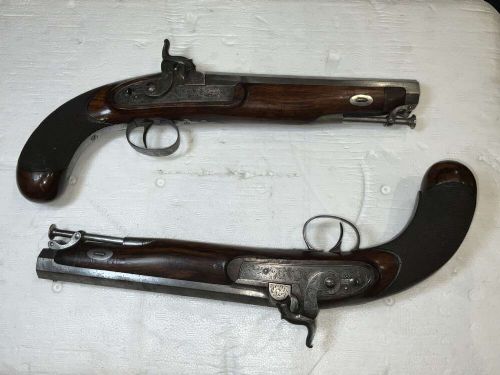
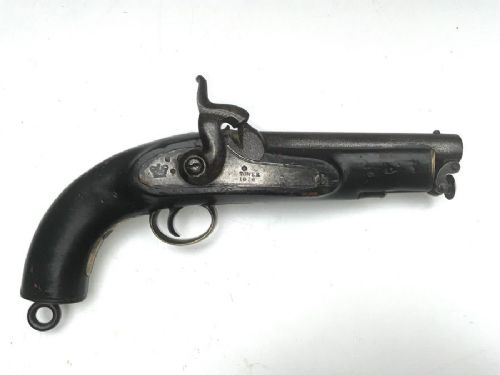
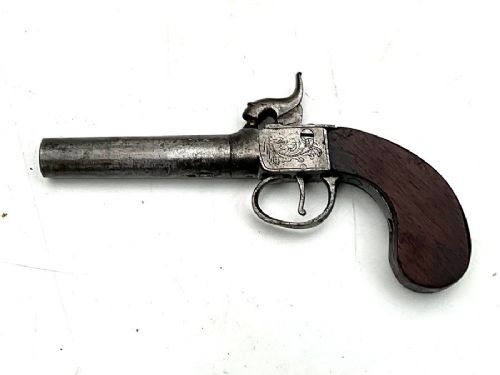
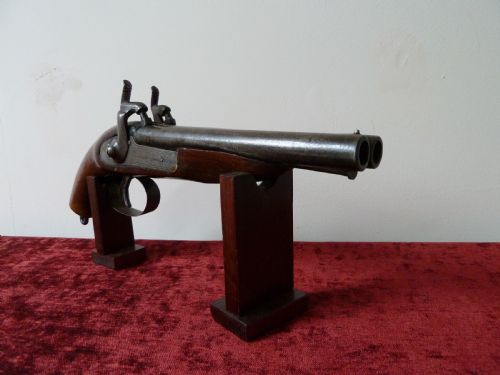
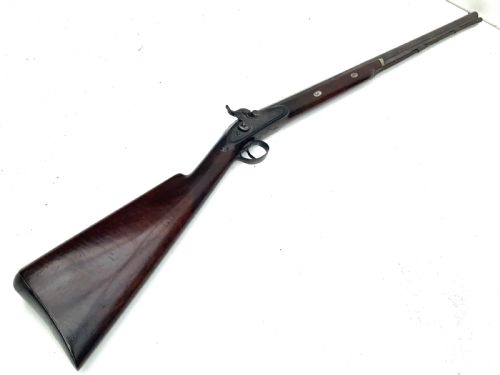
A vintage percussion firearm represents the dominant ignition system of the nineteenth century, utilising a hammer striking a percussion cap to detonate black powder. These pieces range from pocket pistols and belt sidearms to military muskets, carbines, and sporting fowlers.
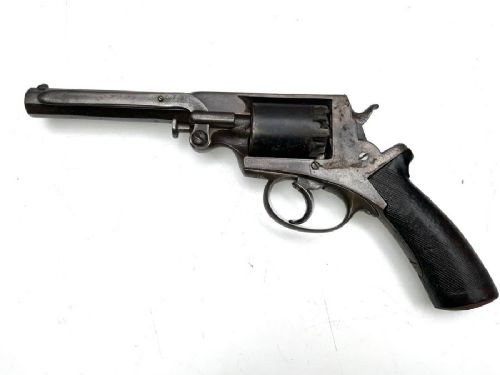
The selections span the Georgian, Regency, and Victorian eras, alongside mid-nineteenth-century American and European military variants. Single-shot pistols, double-barrelled designs, and multi-shot revolvers dominate the forms encountered.
Makers and government arsenals both produced these arms, creating a clear division between standard issue military equipment and bespoke civilian pieces intended for officers or gentlemen.
Materials and construction methods
Construction relies on forged steel and iron for barrels, locks, and internal mechanisms, paired with stocks shaped from dense hardwoods such as walnut, oak, and mahogany. Brass fittings, trigger guards, and butt caps appear frequently on military and civilian sidearms.
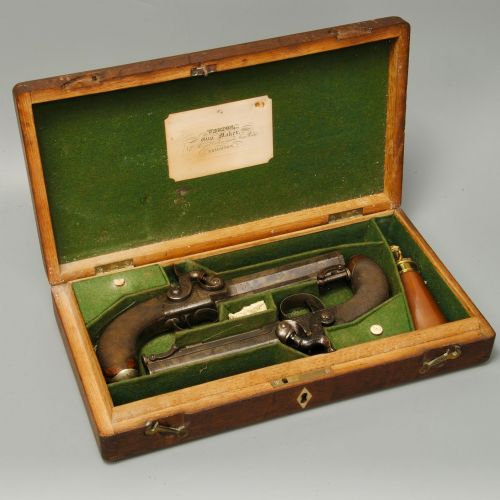
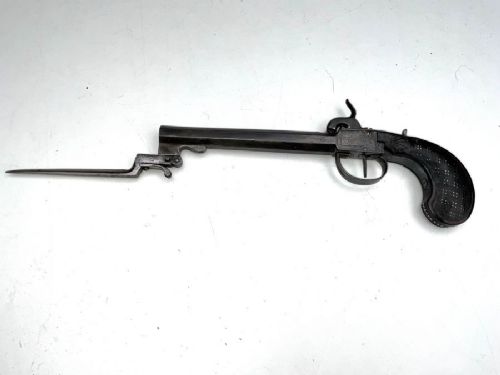
Cased sets often include fitted interior linings of velvet alongside accompanying metal accessories, powder flasks, and bullet moulds. Metal surfaces exhibit smooth-bore or rifled boring, while some military variants incorporate integrated socket bayonets.
Vintage Percussion Firearm Retail Price Guide 2026
Typical asking prices for vintage percussion firearm among the pieces listed under this phrase on Sellingantiques today, from the lower quarter to the upper quarter. They describe what is for sale here now, not the wider market.
Evaluating quality and execution
The standard of execution separates utilitarian military contracts from high-end domestic pieces produced by notable makers. Engraving on metal components, checkering on wooden grips, and the precision of lock mechanisms demonstrate the level of workshop care.
Matching serial numbers across major components and the presence of original fitted accessory boxes elevate the standing of a piece. The integration of mechanical improvements, such as sliding rear sights or concealed triggers, indicates advanced gunmaking skill.
John Manton And Son·Mortimer·Auguste Francotte·A W Spires
The Vintage Percussion Firearm Glossary
- Percussion cap
- A small metal cup containing fulminate of mercury placed on the nipple of a firearm to ignite the powder charge. When the hammer falls, it strikes the cap and sparks the main propellant.
- Smooth-bore
- A barrel lacking internal rifling grooves, designed to fire lead shot or spherical balls. This bore type appears on many military pistols and sporting fowlers.
- Rifling
- Spiral grooves cut into the interior of a gun barrel to impart spin on the projectile for greater accuracy. Rifled barrels characterise mid-century military rifles and carbines.
- Nipple
- The small metal cone on a percussion firearm over which the percussion cap is fitted. It channels the flame from the detonated cap directly into the powder chamber.
- Pepper pot pistol
- A multi-barrel firearm with a rotating cluster of barrels that align with a single hammer and nipple. This design predates the widespread success of the multi-chamber cylinder revolver.
Vintage Percussion Firearm: Frequently Asked Questions
What is a vintage percussion firearm?
A vintage percussion firearm is a nineteenth-century weapon that uses a percussion cap and hammer system to ignite black powder. These arms superseded flintlocks and include pistols, revolvers, rifles, and muskets.
They reflect the transition from smooth-bore martial sidearms to rifled military shoulder arms and precision civilian pocket pieces during the Victorian era.
How do these firearms operate?
The user places a primed percussion cap onto the metal nipple, loads black powder and a projectile down the muzzle or into the cylinder, and culls the hammer. Pulling the trigger releases the hammer to strike the cap, creating a spark that fires the charge.
Multi-shot revolvers and pepper pot designs advance the chambers automatically or manually as the action is cocked for subsequent shots.
How should I display or store them?
These pieces require a stable, dry environment away from excessive humidity to preserve the integrity of the iron, steel, and wooden stocks. Secure cabinets or wall mounts designed for display keep the pieces safe and visible.
Original cased sets with velvet interiors should remain flat to support the weight of the firearm and its accompanying accessories properly.
How do I distinguish military from civilian pieces?
Military arms typically display government inspection stamps, arsenal markings such as Tower or Enfield, and standardised brass or iron furniture built for rugged service. They include cavalry pistols, belt pistols with bayonets, and infantry muskets.
Civilian pieces often feature refined walnut or mahogany stocks, delicate engraving by makers like John Manton and Son or Mortimer, and sometimes bespoke wooden transport cases.