


Vintage Pair Bedside Cabinets
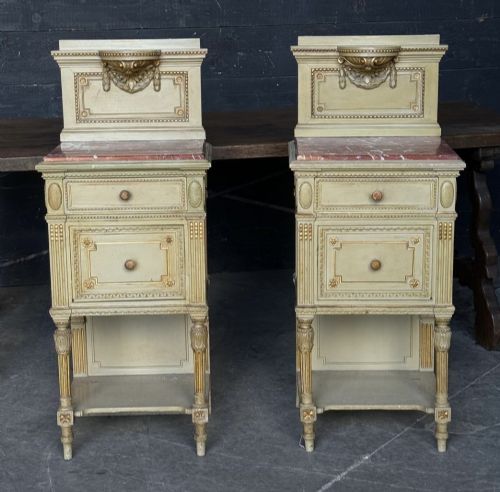
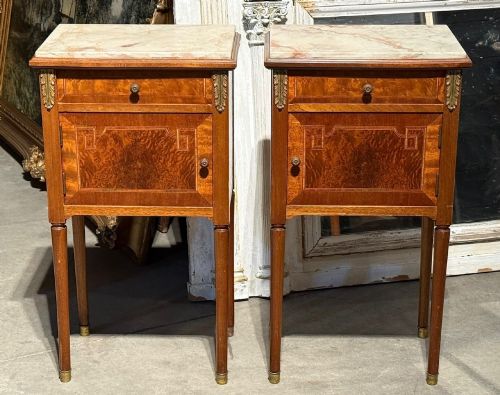
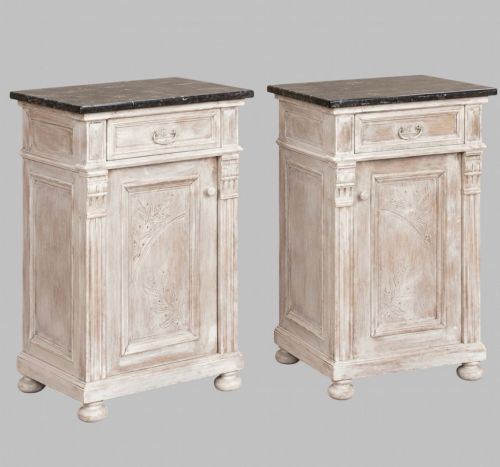
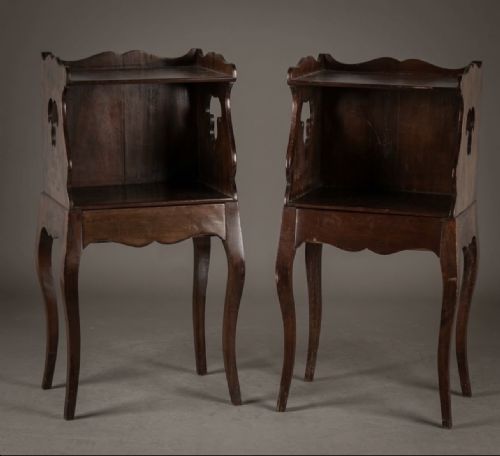
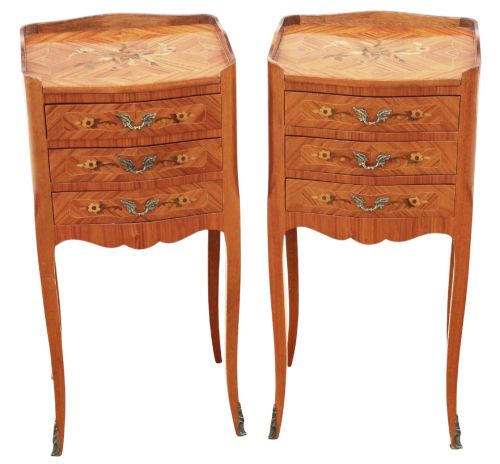
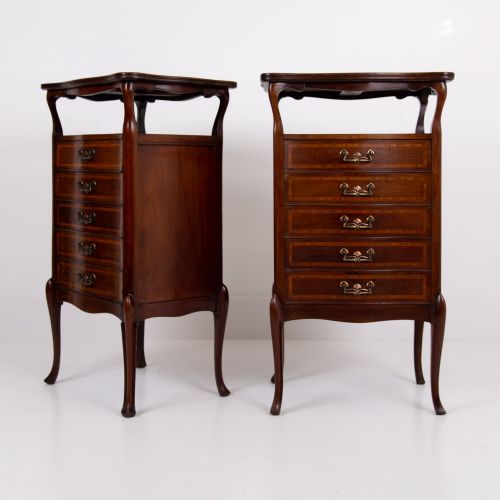
These vintage pair bedside cabinets bring matched storage to the bedroom through periods ranging from Victorian to Art Deco.
Vintage Pair Bedside Cabinets
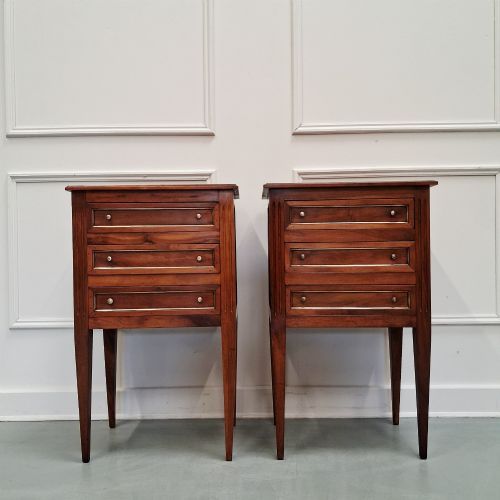
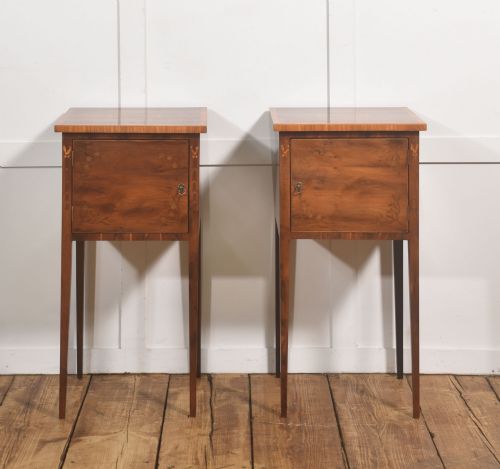
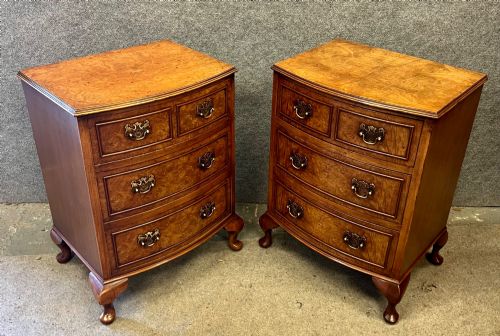
When you search for vintage pair bedside cabinets, you encounter matched pairs of small storage furniture designed to sit beside a bed. The selection includes bedside tables, bedside chests, pedestal cupboards, and nightstands.
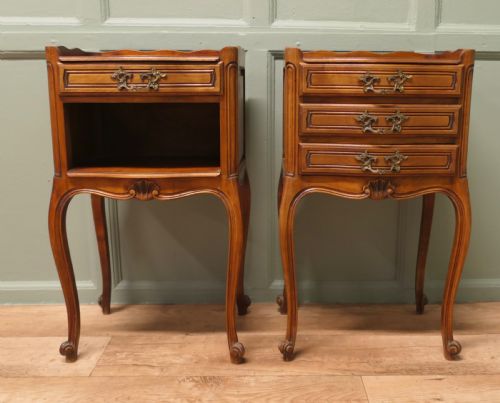
You are most likely to meet mahogany, walnut, and oak examples originating from the Edwardian period, the Victorian era, and the nineteen-thirties. Pieces span various aesthetics, including Georgian style, French provincial, and Art Deco.
The objects function as compact storage units, often featuring a combination of small drawers, open areas, and enclosed cupboards behind doors.
How they were made
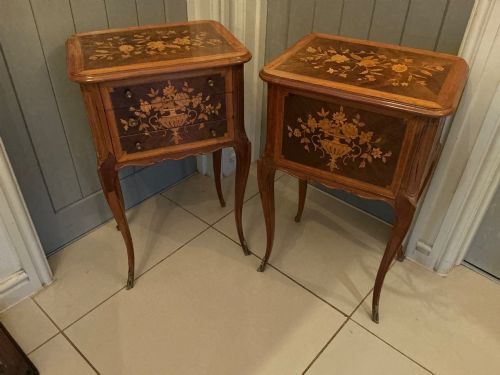
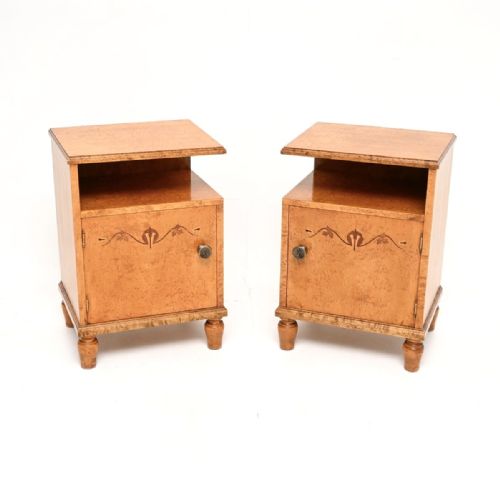
Cabinet makers utilised timber solids and veneers such as mahogany, walnut, oak, satinwood, and kingwood, often applying marquetry inlay for decorative surface patterns. Structural integrity relied on traditional joinery techniques.
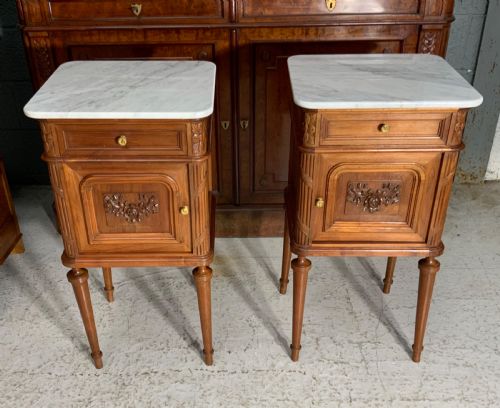
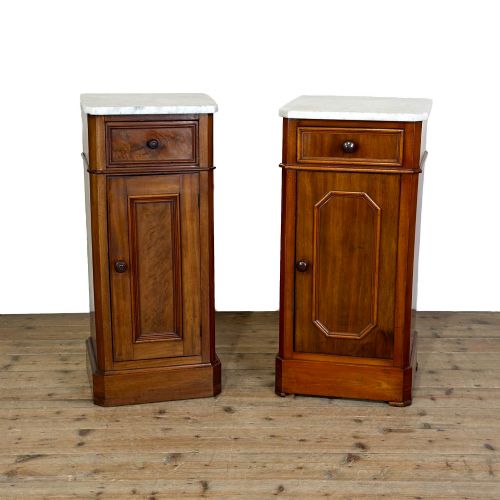
Marble tops appear frequently on continental pieces, particularly French designs, providing a durable and decorative upper surface. Brass handles and mounts frequently furnish the doors and drawer fronts.
Secret bedside compartments occasionally surface behind small cupboard doors, designed for midnight reading.
What varies in quality
The standard of craftsmanship separates standard utility furniture from finer commissions, visible in the precision of the drawer dovetails and the alignment of the marquetry. Timber selection dictates the visual depth, with figured burr walnut or carefully matched mahogany grain showing higher refinement.
Matching consistency between the two pieces defines the desirability of a pair. Differences in timber fading or minor proportional variations indicate whether the cabinets started life together or were matched later.
Waring & Gillows
The Vintage Pair Bedside Cabinets Glossary
- Marquetry
- Decorative patterns formed by fitting together thin slices of wood veneer on a surface. This technique creates complex pictorial or geometric designs across cabinet doors and tabletops.
- Nightstand
- An alternative term for a bedside table or cabinet. These small pieces provide surface space for a lamp and enclosed storage for bedside items.
- Pedestal cupboard
- A narrow, upright bedside cabinet featuring a single door enclosing shelf space. They maximise vertical storage while occupying minimal floor space.
- Satinwood
- A durable hardwood with a lustrous, golden-yellow sheen used for fine cabinetmaking. It frequently serves as a veneer or banding material on Edwardian furniture.
- Art Deco
- A design style from the nineteen-thirties characterised by sleek geometric shapes and streamlined forms. Pieces from this era often feature rich walnut or oak veneers.
Vintage Pair Bedside Cabinets: Frequently Asked Questions
What is the difference between a bedside chest and a cabinet?
Bedside chests are characterised by a stack of multiple operating drawers from top to bottom. They provide accessible segmented storage for smaller personal belongings.
Cabinets generally feature a cupboard door enclosing a shelf space, sometimes paired with one upper drawer. This internal compartment accommodates taller items that do not fit into shallow drawers.
How do I identify Art Deco bedside cabinets?
Art Deco pieces from the nineteen-thirties display geometric lines, symmetrical forms, and curved waterfall edges. They frequently utilise walnut or oak with distinct grain patterns.
Unlike ornate Victorian or Edwardian designs, these cabinets avoid applied carving in favour of clean, streamlined surfaces.
Are marble topped bedside cabinets French?
Marble topped variants often originate from France, aligning with continental tastes for hygienic and decorative stone surfaces. These pieces frequently incorporate marquetry inlay and kingwood or walnut veneers.
English equivalents of the same period typically feature solid timber or veneered wooden tops instead of stone.
How do I care for waxed wooden bedside tables?
Waxed surfaces require occasional application of traditional beeswax to nourish the timber and maintain a soft sheen. Avoid placing damp items directly on the wood to prevent water marking.
Regular dusting with a dry, soft cloth preserves the finish without stripping the historical wax layers.