

Vintage Painted Sign
A vintage painted sign brings direct commercial character and honest hand-lettered craft into a room.
Vintage Painted Sign
When you search for a vintage painted sign, you encounter utilitarian markers, trade boards, and glazed practice windows produced across the nineteenth and twentieth centuries. These pieces span commercial announcements and occupational notices made for everyday trade rather than academic display.
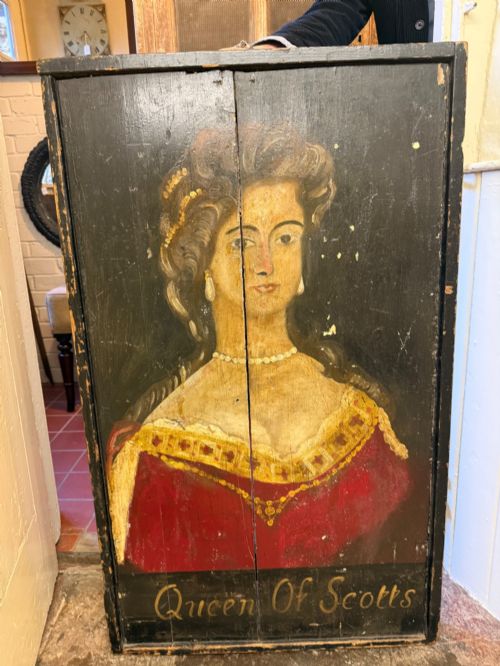
The version you are most likely to meet on this page combines wooden substrates or glass panels with applied pigment, reflecting the practical requirements of Edwardian and mid-century commerce. Surviving examples retain the original surface wear accumulated through active use in shopfronts and surgeries.
Materials and construction
Makers constructed these boards from solid timber panels, canvas, or heavy sheet glass, prepared to receive oil and water-based pigments. Artisans applied lettering and pictorial elements directly by hand, utilising durable paints suited to exterior exposure.
Framing and mounting varied according to placement, with exterior trade boards utilising weather-resistant priming while interior practice windows employed reverse-painting and gilding techniques on glass.
Vintage Painted Sign Retail Price Guide 2026
Typical asking prices for vintage painted sign among the pieces listed under this phrase on Sellingantiques today, from the lower quarter to the upper quarter. They describe what is for sale here now, not the wider market.
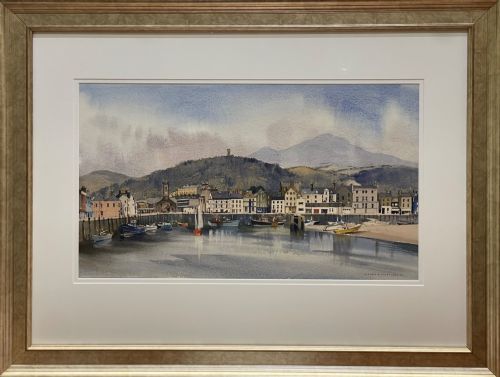
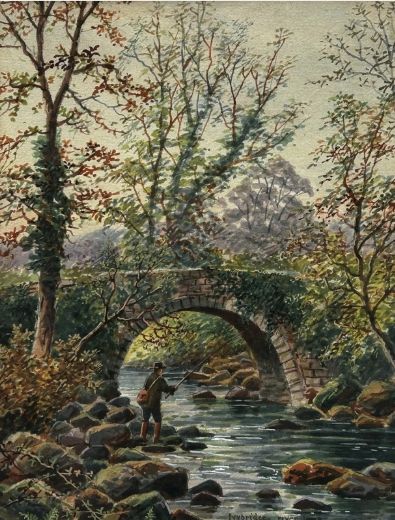
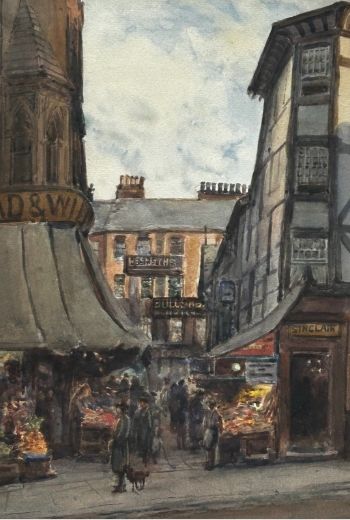
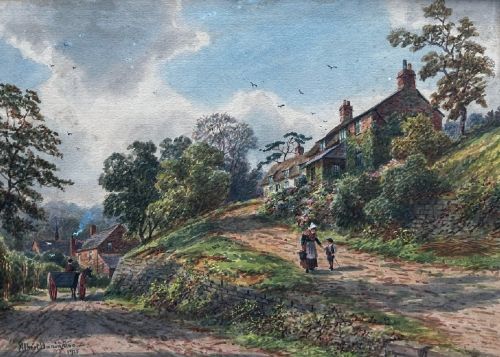
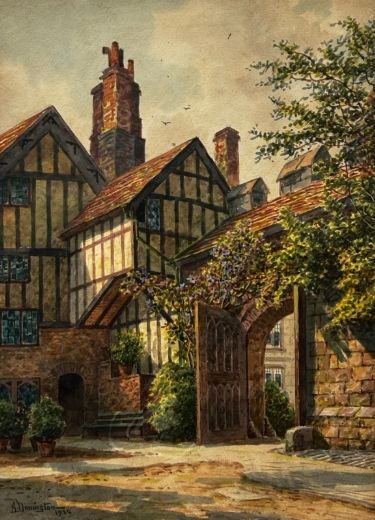
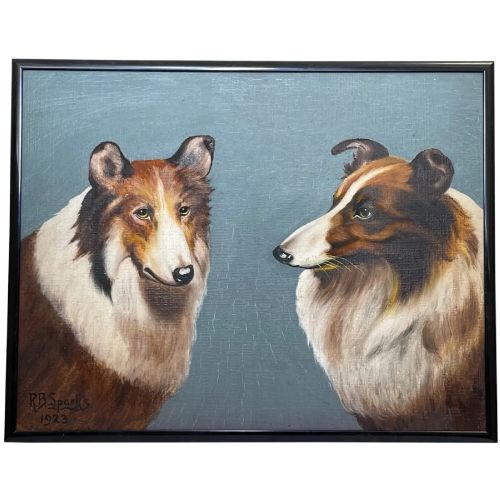
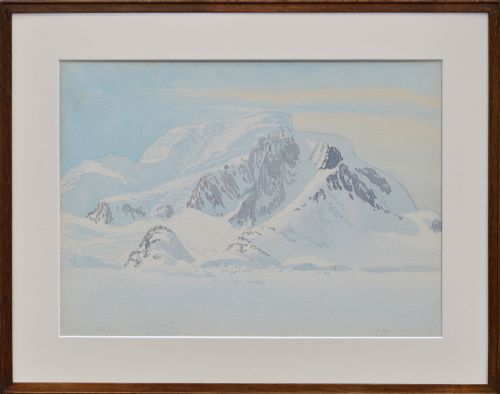
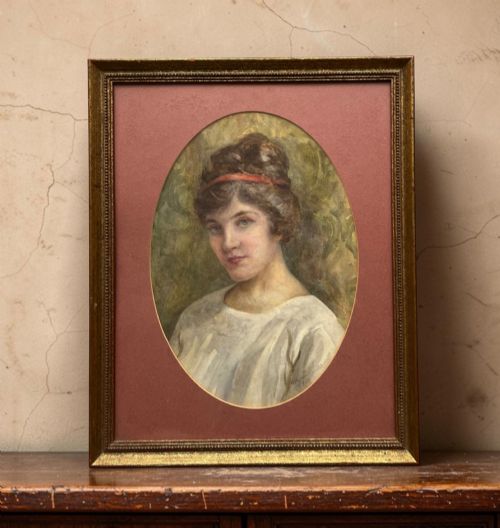
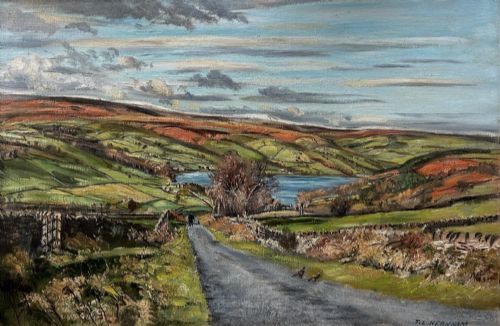
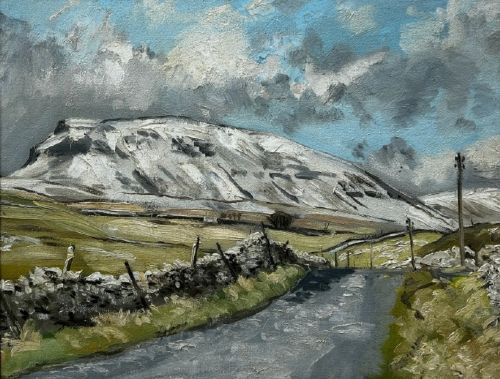
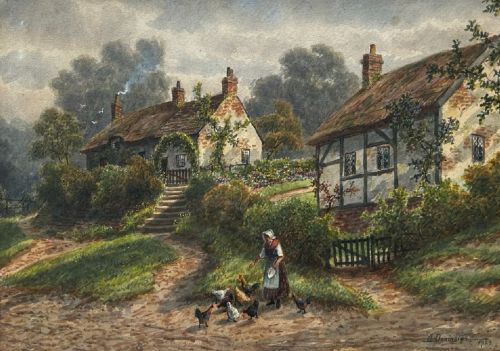
Listings feature wood, paper, glass, and canvas supports bearing oil and watercolour paint.
Assessing quality and execution
The distinction between ordinary utility work and superior execution rests upon the confidence of the brushwork and the balance of the lettering. Master signwriters achieved precise line work and proportion that elevate a functional notice into accomplished graphic art.
Preservation of the original painted surface dictates the standing of a piece, where undisturbed patination and genuine wear outrank heavy restoration or later overpainting.
Emily Eyres·Patricia F Arnett·Muriel Metcalfe·Angus Rands·Harry Bright·William Taylor Longmire·George Lorain Stampa·William H Myers·Tom Campbell·Frederick Marriott·Alfred Fontville de Breanski Jr·Sidney A Court·Robert Leslie Howey·George Houston·William Banks Fortescue
The Vintage Painted Sign Glossary
- Trade sign
- A board or panel bearing lettering or imagery identifying a commercial premises or profession. These items were displayed outside shops and offices to attract passing custom.
- Reverse painting on glass
- A technique where the artist applies paint and gold leaf to the back of a glass panel so the image reads correctly from the front. This method creates a glossy, protected finish.
- Signwriter
- A specialist artisan trained in the manual formation of letterforms and pictorial symbols for commercial use. Their work preceded modern vinyl and digital printing methods.
- Patina
- The surface alteration, softening, and wear acquired by an object through age and use. On a painted sign, this includes minor flaking, fading, and surface crquelure.
Vintage Painted Sign: Frequently Asked Questions
How were old trade signs displayed?
Traders mounted these boards directly onto exterior brickwork above shop doorways or suspended them from metal brackets perpendicular to the street. This ensured maximum visibility for pedestrians walking past the premises.
Inside establishments, smaller notices and glass practice windows were hung in waiting rooms or fitted directly into interior partitions to direct clients.
Are these signs weatherproof?
Original boards were coated with protective varnishes to withstand daily exposure to rain and sunlight, though decades outdoors naturally weathered the pigments. Contemporary collectors generally keep them indoors to preserve the remaining surface.
Exposing fragile wood or glass panels to damp conditions today will cause further lifting of the historic paint layers.
How do I date a painted sign?
Dating relies on the typeface styles, the composition of the wooden board or glass, and any specific trade terminology or occupational titles referenced in the text. Edwardian pieces often feature serif lettering and bevelled glass, while mid-century examples display cleaner sans-serif layouts.
Nail types, backing boards, and any maker signatures also provide reliable chronological markers for the period of manufacture.
How should I hang a heavy wooden sign?
Due to the solid timber construction and thick layers of historic paint, these panels require secure fixings anchored directly into wall studs or solid masonry. Using industrial picture wire rated well above the weight of the object ensures stability.
Position the piece away from direct heat sources and strong sunlight to prevent the timber from warping and the paint from drying out further.