





Vintage Original Life Drawing
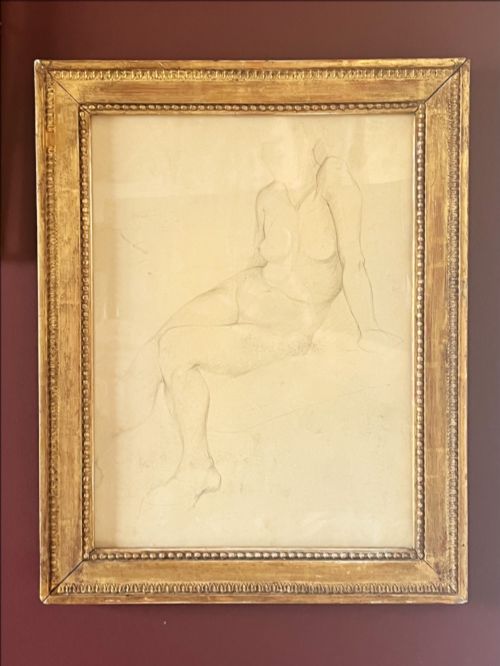
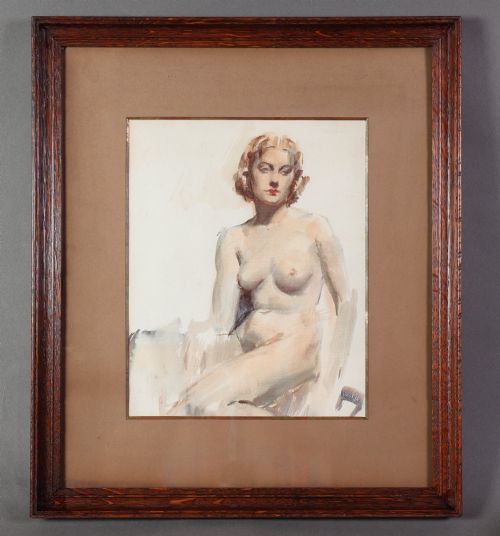
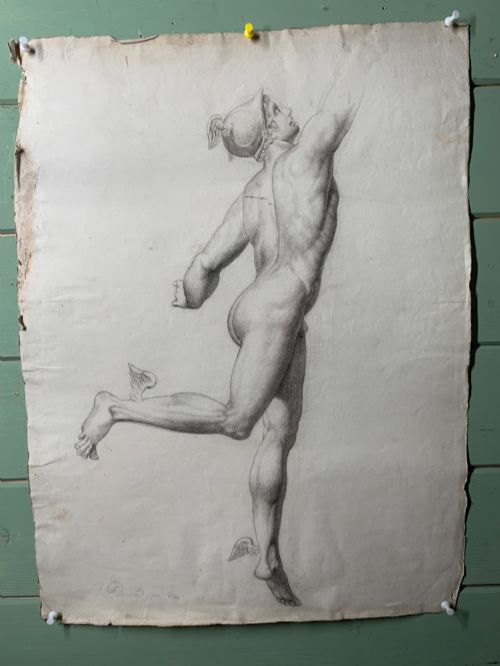
These vintage original life drawing pieces capture the human form through direct observation, offering tangible connections to past studio practices.
Vintage Original Life Drawing
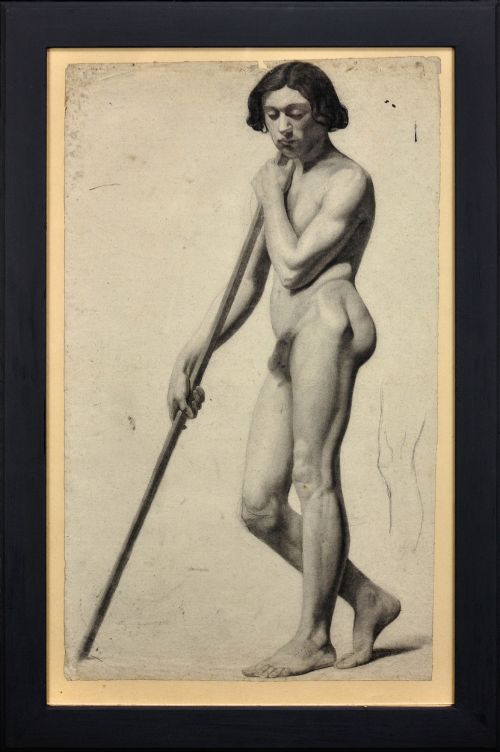
A vintage original life drawing represents direct study from a human model, executed across multiple decades spanning from the Georgian era through the mid-20th century. These works frequently manifest as framed drawings or paintings on paper, capturing academic poses and studio exercises.
The pieces appearing on this page lean heavily into the mid-century period, alongside works from the 1930s, 1940s, 1950s, and 1960s. Academic realism and modernist styles dominate the selection, preserving the distinct approaches of various art schools and individual draftsmen.
Materials and execution
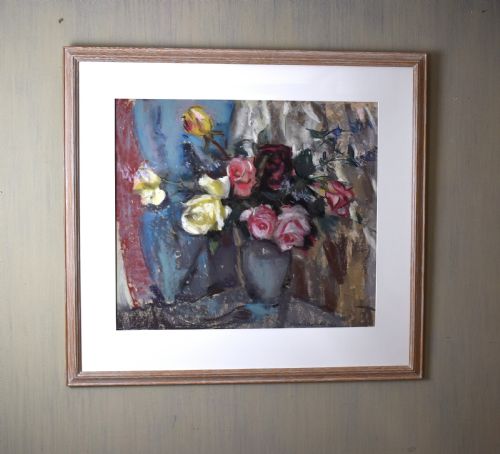
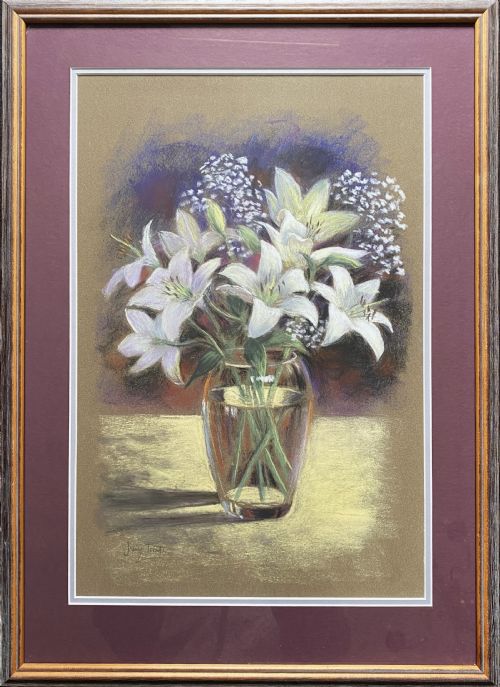
Artists relied primarily on paper as a substrate, applying mediums such as charcoal, graphite, chalk, pastel, watercolour, and ink to record the subject. These materials allowed for rapid tonal shifts and immediate registration of light and shadow during timed studio sessions.
Framing often incorporates wood and glass to protect the fragile paper works, occasionally utilising antique gilt frames that complement the age of the drawing. The combination of dry mediums like charcoal with textured paper surfaces defines the physical character of these studies.
The listings span from Georgian academic drawings to mid-century modernist works on paper.
Assessing quality in studio work
Quality rests upon the confidence of the line and the precision of proportion, distinguishing hurried sketches from rigorous academic studies. Works that successfully capture volume and tension in the human anatomy demonstrate superior draftsmanship.
The condition of the paper and the integrity of the framing materials further differentiate the pieces. Works maintained without excessive toning or foxing preserve the original visual impact intended by the artist.
Augustus John·Henry Arthur Roberts·James Tower·Lena M Alexander·Winifred Eugene Ballard·Jennifer Toombs·Frank Dobson·J Betourne·John Stanton Ward
The Vintage Original Life Drawing Glossary
- Academic Realism
- A style of painting and drawing produced under the influence of European academies of art. It emphasises strict adherence to traditional techniques and accurate anatomical proportions.
- Charcoal
- A dry drawing medium made from finely ground organic matter held together by a gum or wax binder. It allows for deep blacks and smooth smudging to create shadows on paper.
- Life Study
- A work of art executed directly from a live model rather than from memory or imagination. These studies form the foundation of traditional artistic training.
- Graphite
- A crystalline form of carbon used in pencils to produce grey or black marks. Artists utilise it for fine line work and precise tonal hatching.
- Wash
- A technique involving diluted ink or watercolour applied across paper to create smooth, uniform pools of colour or tone. It provides background depth and subtle shading.
Vintage Original Life Drawing: Frequently Asked Questions
What is a life drawing?
A life drawing is an artwork created from direct observation of a live human model, capturing posture, proportion, and gesture. These exercises were standard practice in art schools and studios.
Such pieces range from rapid gesture sketches completed in minutes to highly finished academic studies that took multiple sessions to achieve.
How should I frame paper art?
Paper artworks require conservation-grade mounting behind glass to protect the medium from ultraviolet light and atmospheric moisture. Spacers should keep the glass from touching the surface of charcoal or pastel works.
Selecting a frame that matches the era of the piece helps preserve its historical context while ensuring structural safety for the fragile paper.
Are these works unique?
Every piece recorded here is an original hand-drawn or painted work rather than a reproduction or print. The artist applied mediums directly to the paper during the recording of the subject.
This direct application means each sheet carries unique corrections, smudges, and pencil marks left behind during the creation process.
How do I identify the period?
Dating relies upon stylistic cues, artist biographical dates, framing materials, and inscriptions recorded on the reverse or front of the paper. Mid-century pieces often display modernist sensibilities distinct from 19th-century academic works.
Comparative analysis with known dated works by specific artists or schools further clarifies the timeline of execution.