
Vintage Open Shelves
Vintage open shelves offer practical utility and timeless display space, bringing character to any room through period woods and simple lines.
Vintage Open Shelves
Vintage open shelves encompass practical storage units designed for books and display, appearing frequently as bookcases and bookcases with open shelving. Buyers searching for vintage open shelves encounter pieces spanning the Victorian, Edwardian, and early twentieth-century periods, alongside nineteenth-century examples.
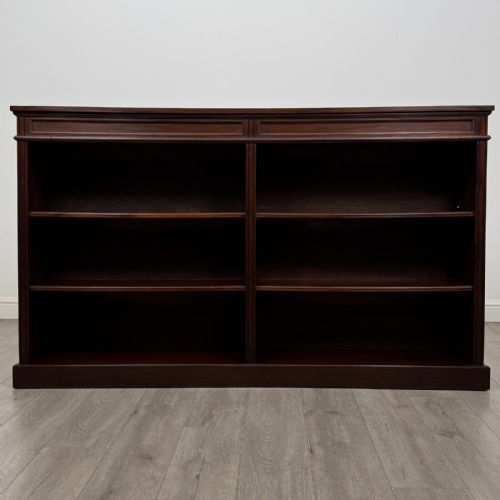
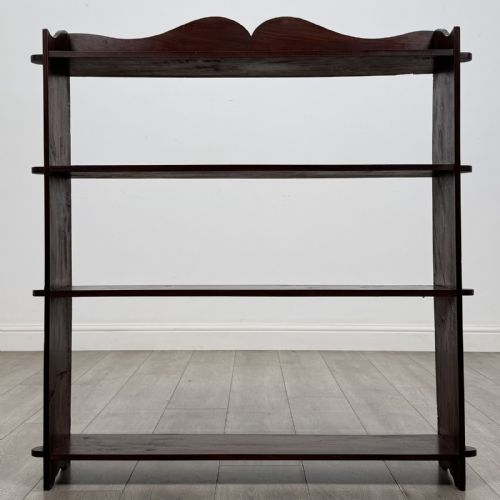
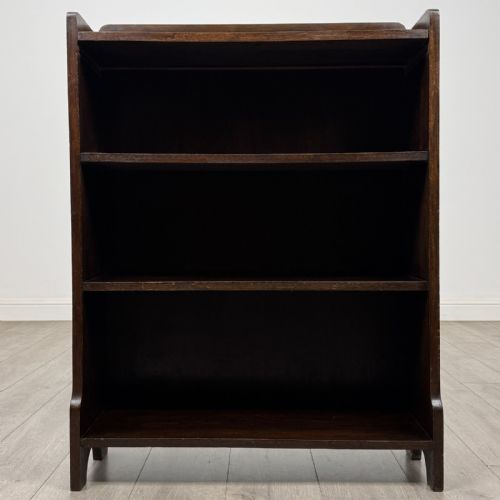
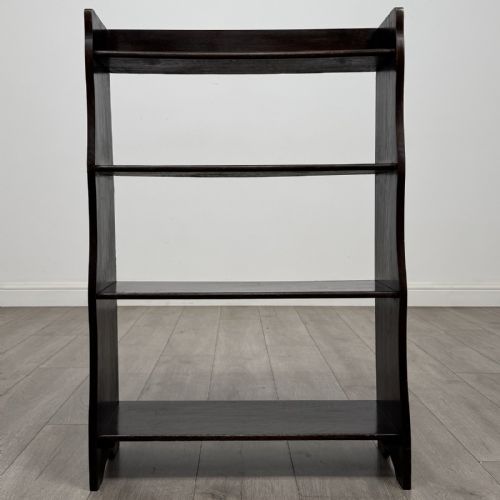
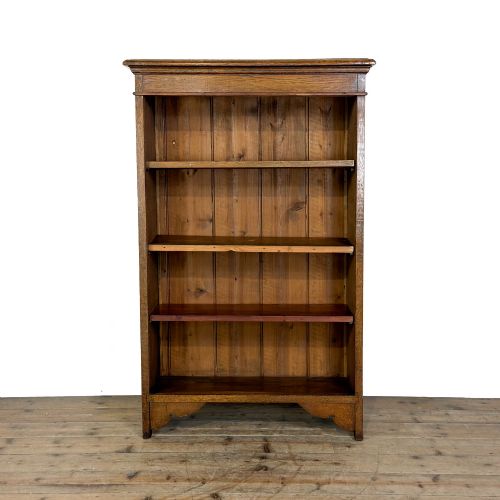
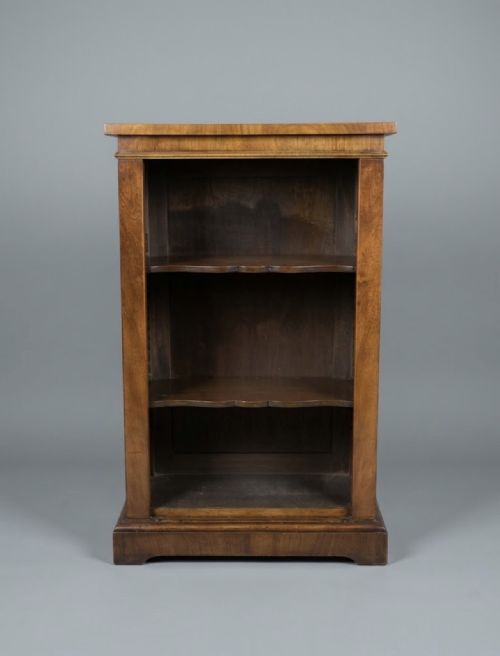
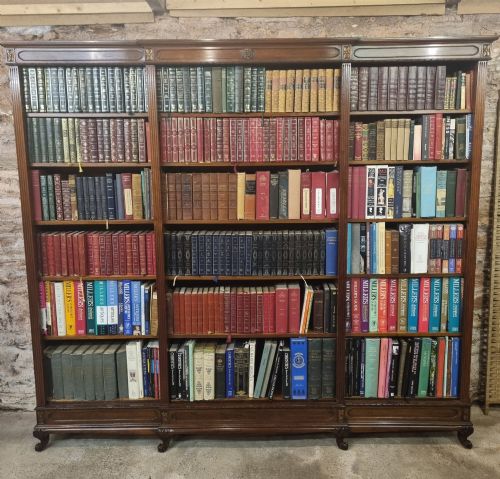
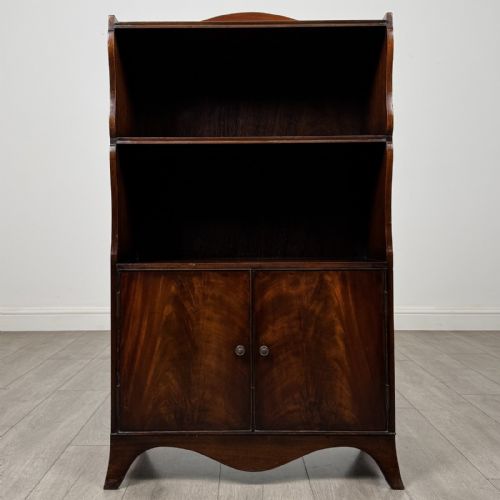
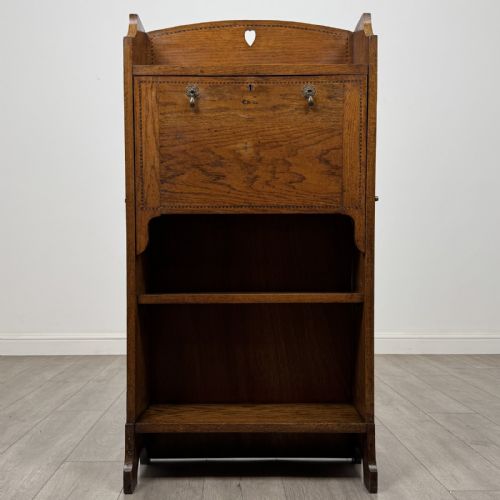
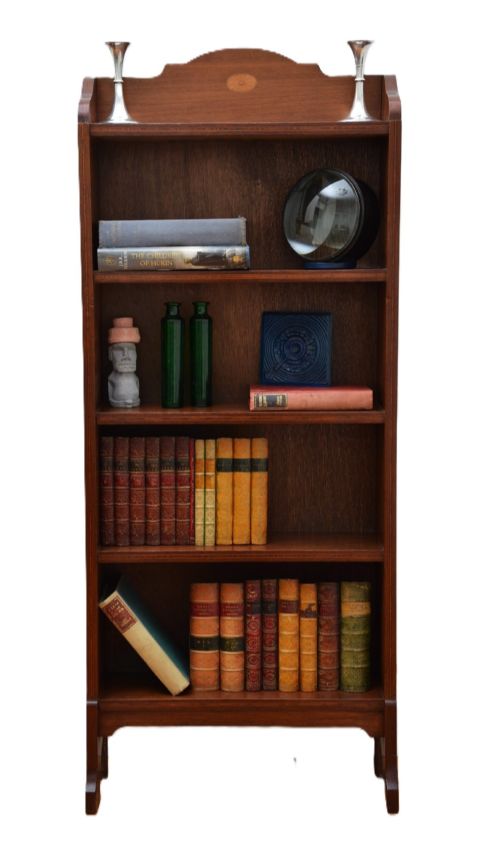
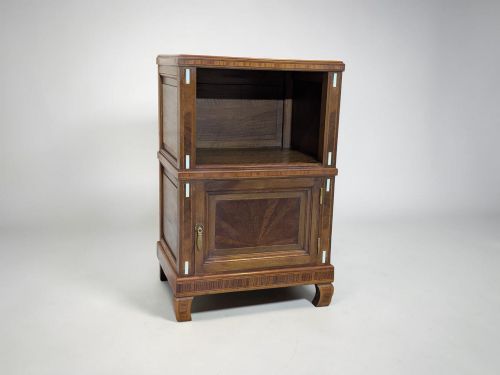
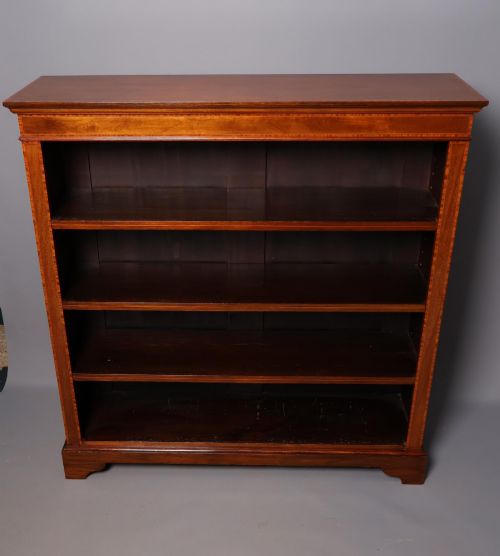
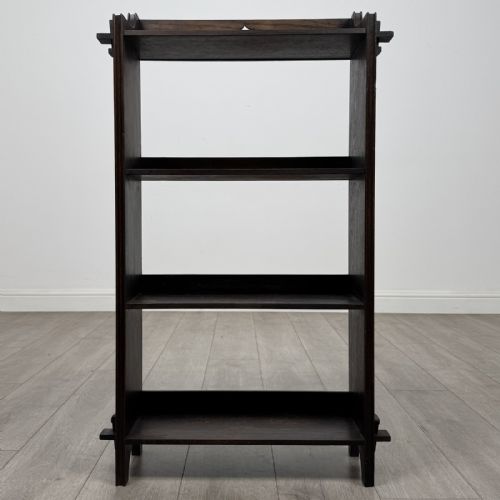
The selection includes specific forms such as breakfront bookcases, cascading shelves, slim open bookcases, and wall-mounting designs. Materials range from oak and mahogany to walnut and pine, reflecting the decorative preferences of late nineteenth and early twentieth-century workshops.
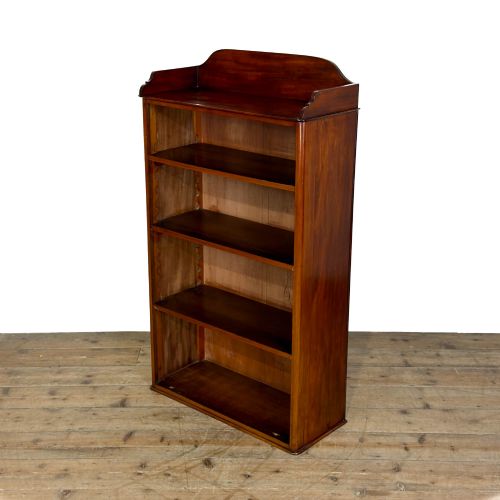
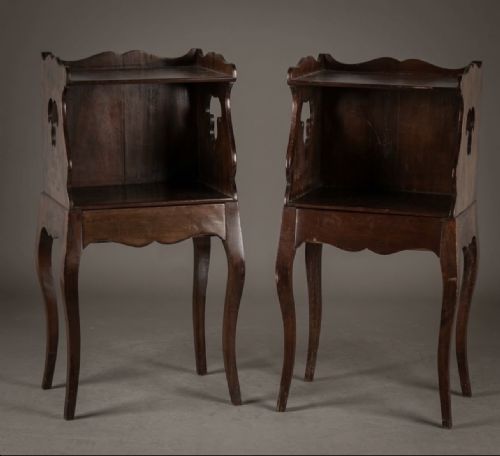
Origins stretch from English workshops to French provincial makers and Scottish makers, providing diverse proportions suited to modern domestic spaces. Many incorporate functional additions such as raised galleries, shaped sides, or adjustable shelves.
How they were made
Construction relies heavily on traditional timber selection, utilising solid hardwoods like oak and mahogany alongside figured veneers such as burr walnut and satinwood inlay. Makers employed sturdy joinery techniques to support books and heavy display objects without sagging over time.
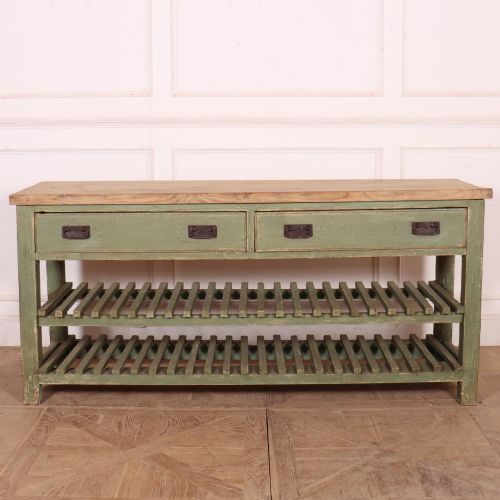
Surface treatments and decorative details include inlaid motifs, carved elements, and painted finishes applied to pine and hardwood structures. Adjustable shelving mechanisms often utilise brass fittings or wooden ratchets, allowing owners to alter shelf heights to suit their volumes.
Listings feature oak, mahogany, walnut, and pine across Victorian, Edwardian, and early twentieth-century periods.
What varies in quality
Quality separates pieces through the grade of timber selected, favouring finely figured walnut, rich mahogany, or quarter-sawn oak over plain utilitarian woods. Superior examples display meticulous attention to detail in their inlay work, carved mouldings, and balanced proportions.
The sophistication of the internal mechanism, such as smoothly operating adjustable shelving systems, distinguishes high-end workshop production from standard domestic furniture. Sound structural integrity and original hardware further elevate a piece above routine utility items.
Bowman Brothers·Liberty
The Vintage Open Shelves Glossary
- Breakfront
- A piece of furniture having a central section that projects forward beyond the flanking sections.
- Gallery
- A raised ornamental border or railing along the edge of a shelf or top surface, designed to prevent items from sliding off.
- Whatnot
- A piece of furniture consisting of a set of open shelves for displaying small objects or books, popular in the nineteenth century.
- Enfilade
- A long sideboard or cabinet with a row of doors, often topped with marble in French provincial pieces.
Vintage Open Shelves: Frequently Asked Questions
How do I choose the right size?
Consider the height and depth of your available wall space alongside the dimensions of the items you plan to display. Slim or low variants fit narrow corridors and alcoves, while breakfront and multi-section formats suit larger reception rooms.
Check whether the shelves feature adjustable heights to accommodate taller volumes or varied display objects. Measuring your intended room layout carefully ensures the piece maintains proper circulation space.
Are shelves adjustable?
Many period examples feature adjustable shelving supported by brass pins, wooden notches, or ratchets. This adaptability allows you to reconfigure the interior layout for different book sizes or display pieces.
Fixed shelves remain common in simpler or earlier utilitarian bookcases. Inspect the interior uprights for adjustment tracks if flexibility is a priority for your collection.
How do I care for the wood?
Dust regularly with a soft, dry cloth to prevent dirt accumulation on polished oak, mahogany, or walnut surfaces. Apply a quality beeswax periodically to nourish the timber and maintain a natural sheen.
Keep wooden furniture away from direct sunlight and strong heat sources to prevent the wood from drying out or warping. Maintaining stable room humidity protects both the structural joinery and delicate veneer or inlay work.
What periods are represented?
The selection spans the nineteenth century through the early twentieth century, encompassing Victorian, Edwardian, and Art Deco eras. Each period brings distinct aesthetic choices, from ornate carved oak to sleek figured walnut.
Stylistic influences range from Arts and Crafts simplicity to French provincial elegance and Neoclassical revival. These diverse origins offer varied decorative options for modern interiors.