

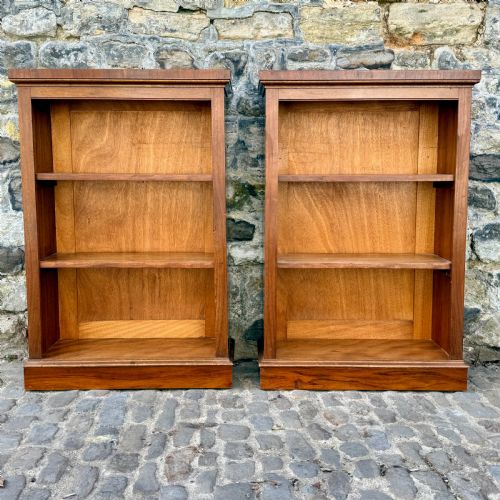
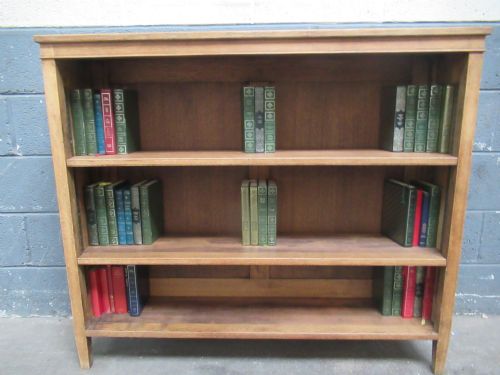
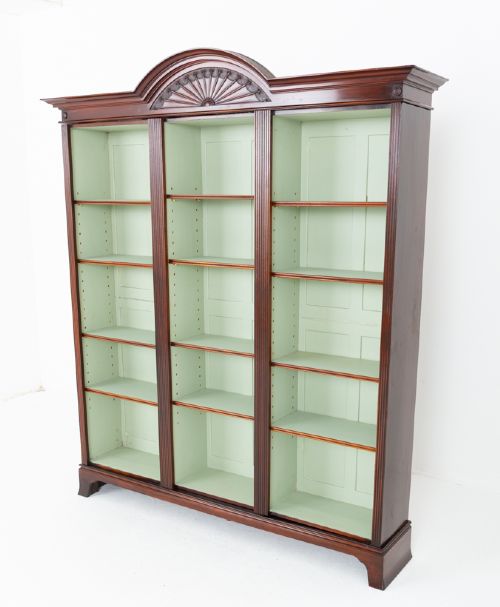
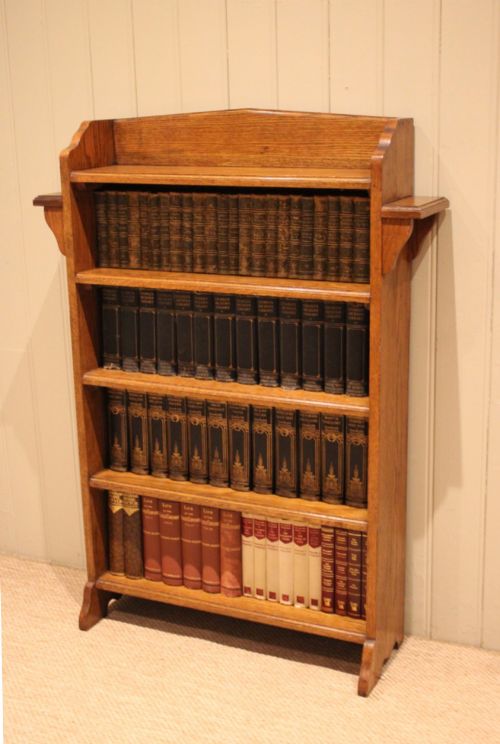
Vintage Open Book Shelf
These vintage open book shelf pieces bring direct utility and period character to any room, offering accessible display and storage.
Vintage Open Book Shelf
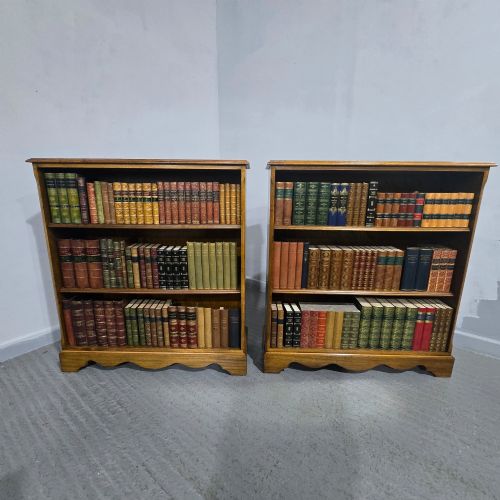
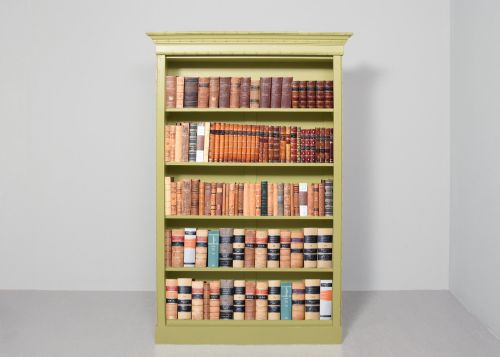
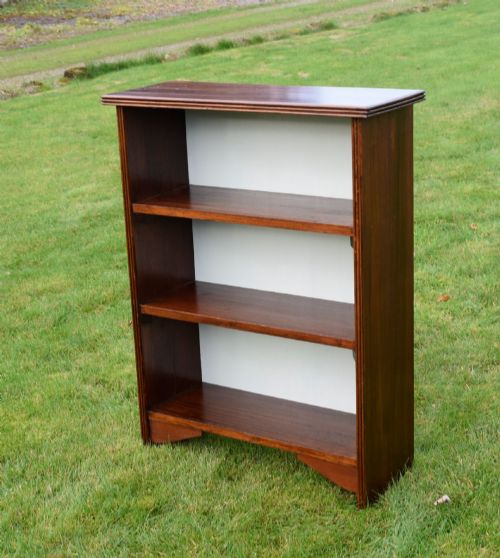
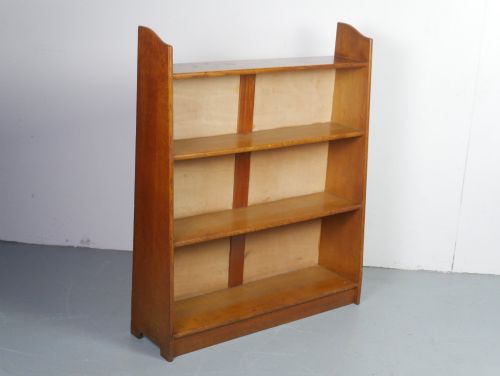
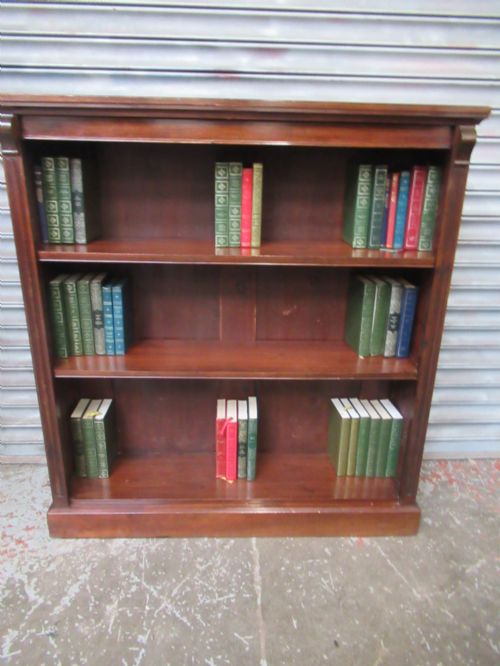
A vintage open book shelf provides immediate access to collections and daily reading material through unglazed compartments. Pieces range from tall narrow formats to low horizontal configurations designed for domestic libraries and parlours.
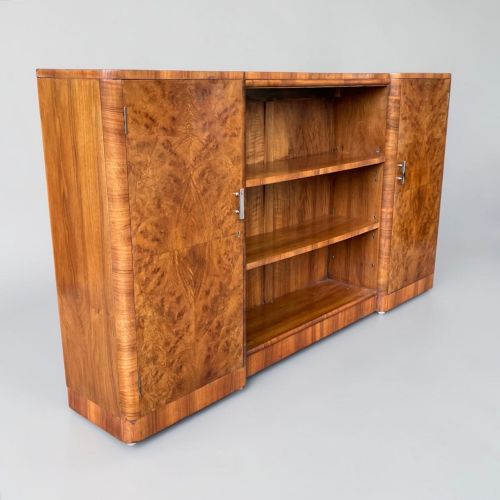
The selections span the Victorian, Edwardian, and early twentieth century periods, reflecting diverse construction approaches from the nineteenth century onward. Oak and mahogany dominate the offerings, appearing alongside walnut, pine, and brass details.
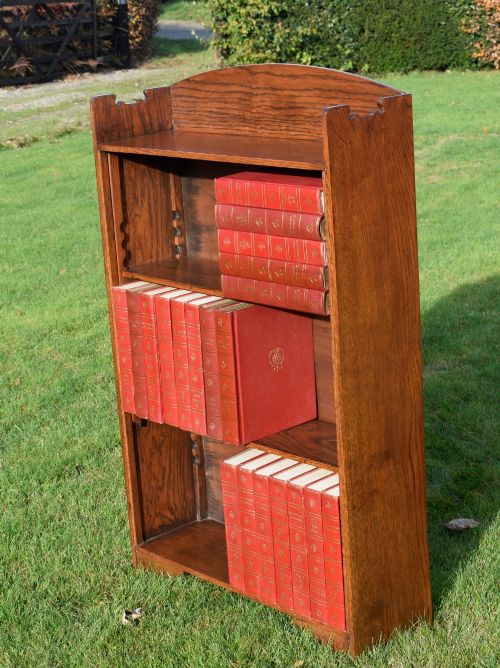
Buyers frequently encounter Edwardian oak variations equipped with raised galleries or adjustable shelves, alongside Victorian mahogany examples and Arts and Crafts interpretations. These functional items suit modern home environments seeking traditional storage solutions.
Materials and Construction
Makers utilised solid timbers including oak, mahogany, walnut, and pine to construct structural frames and shelving units. Selected pieces incorporate brass hardware, leather accents, and painted finishes to enhance visual appeal.
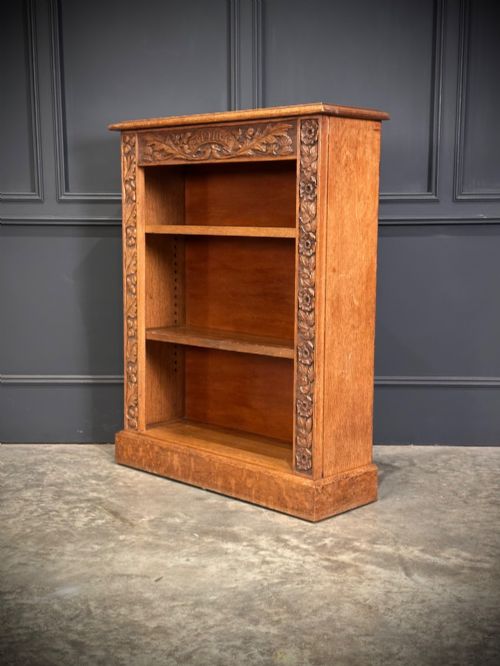
Carpentry techniques vary from carved friezes and dentil cornices to iron cross backs and shaped sides. Many examples feature adjustable shelving or raised galleries that demonstrate practical domestic engineering from past eras.
Vintage Open Book Shelf Retail Price Guide 2026
Typical asking prices for vintage open book shelf among the pieces listed under this phrase on Sellingantiques today, from the lower quarter to the upper quarter. They describe what is for sale here now, not the wider market.
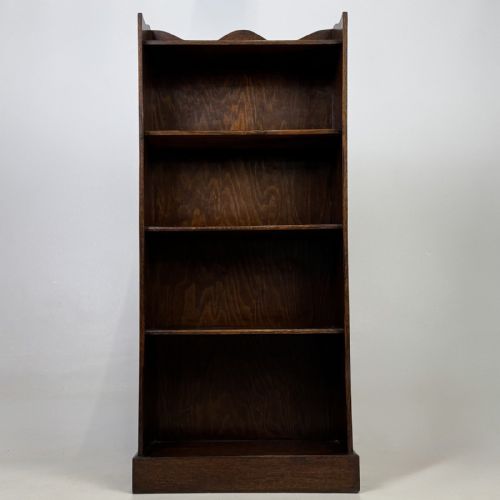
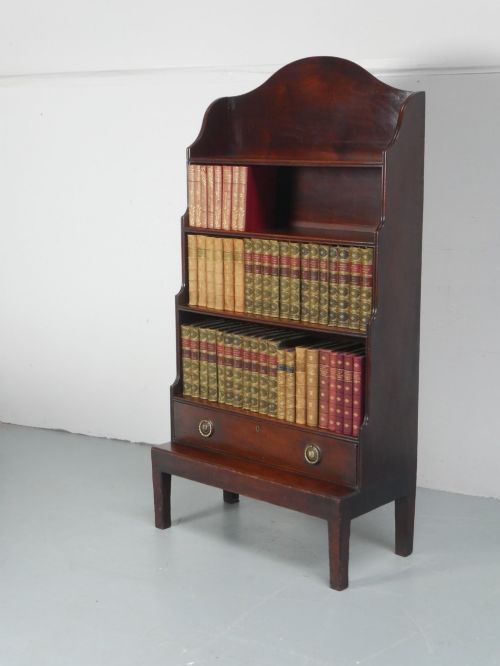
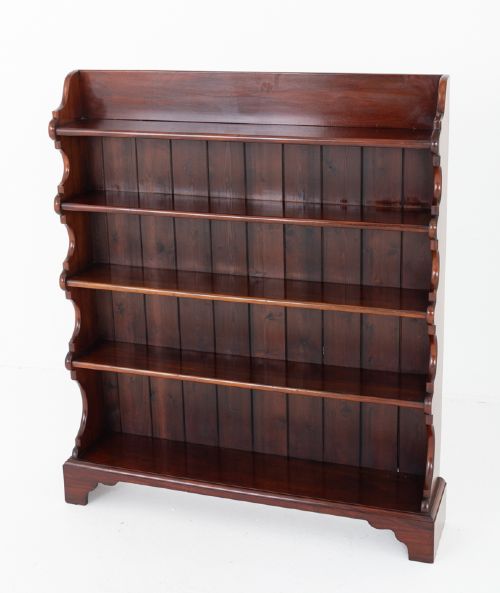
Some shelves lean outward with cascading steps like a literal wooden waterfall.
Craftsmanship and Proportion
Quality rests in timber selection, evident in figured walnut and dense oak surfaces that display natural grain patterns. Superior examples exhibit refined joinery, such as cleanly cut dentil cornices and well-fitted adjustable shelf mechanisms.
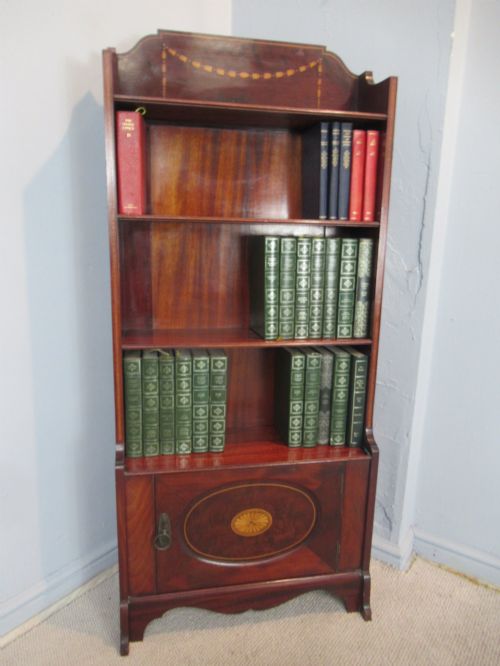
Proportion and detail separate standard domestic utility items from finer commissions. Pieces featuring shaped sides, carved friezes, inlaid marquetry, or raised galleries demonstrate higher levels of workshop attention.
The Vintage Open Book Shelf Glossary
- Gallery
- A raised ornamental border along the top edge of a shelf or cabinet. This feature prevents items from sliding off the surface.
- Waterfall Bookcase
- A stepped shelving unit where each tier is narrower than the one below. The design creates a cascading profile popular in nineteenth and twentieth century rooms.
- Dentil Cornice
- A decorative architectural moulding punctuated by small rectangular blocks. It appears along the upper edge of formal bookcases.
- Breakfront
- A piece of furniture with a central section that projects forward from the flanking sides. This layout adds architectural depth to large shelving units.
- Frieze
- A broad horizontal band of decoration situated near the top of a bookcase. Carved wooden motifs frequently populate this area.
Vintage Open Book Shelf: Frequently Asked Questions
What periods do these bookcases represent?
The available inventory includes pieces originating from the Victorian and Edwardian eras, alongside early twentieth century productions. Makers during these times utilised traditional timbers like oak and mahogany.
Specific design movements such as Arts and Crafts and Regency Revival also appear across the selection, showing distinct decorative traits from their respective decades.
Are the shelves adjustable?
Many examples incorporate adjustable shelving systems that allow owners to modify shelf heights for different book sizes. This mechanical flexibility was common in Edwardian and twentieth century domestic furniture.
Buyers should examine individual listings to confirm whether specific units retain their movable shelf supports.
How do I choose the right size?
Selecting dimensions depends on available wall space and storage requirements, with options ranging from tall narrow units to low horizontal formats. Slim profiles suit compact rooms, while double width variations accommodate larger collections.
Reviewing height, width, and depth measurements ensures proper placement within a home library or study.
What woods were commonly used?
Oak and mahogany form the foundation of the majority of listed items, offering robust structural integrity. Walnut and pine also appear frequently in various finishes.
Selected pieces feature figured walnut veneers or inlaid details that provide decorative contrast against the primary timber body.