

Vintage Office Bureau
A vintage office bureau brings working history straight into a room, offering practical storage alongside traditional craft.
Vintage Office Bureau
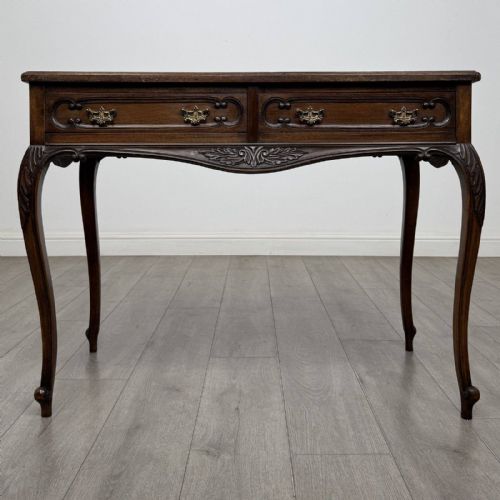
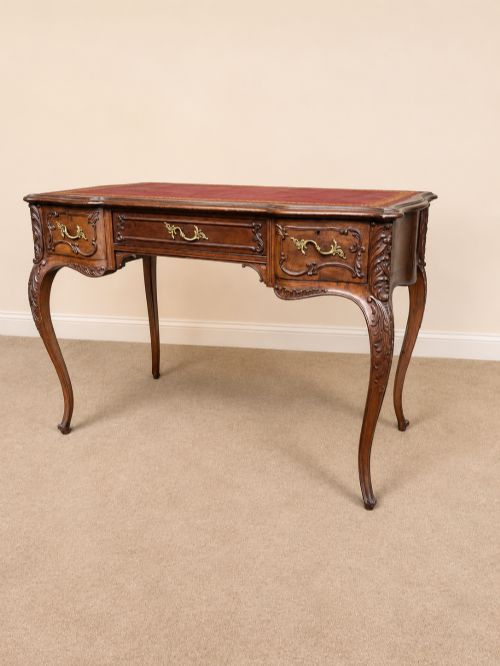
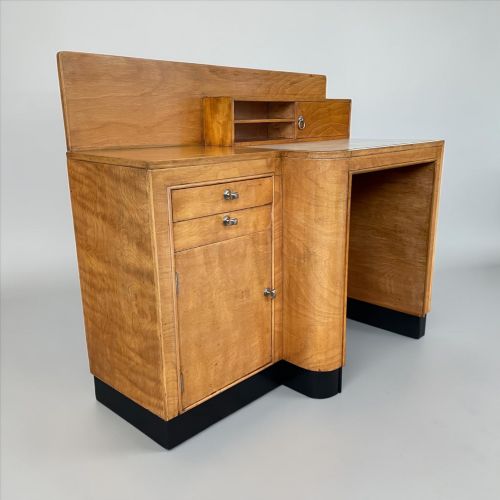
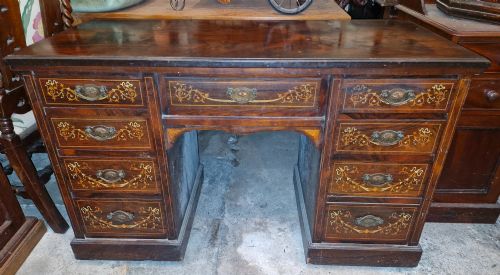
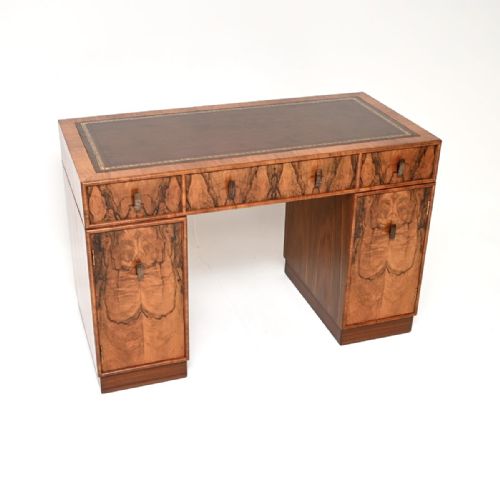
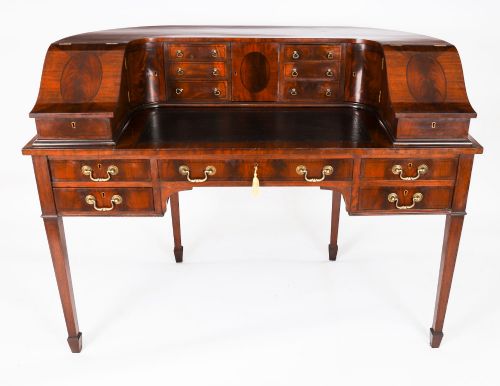
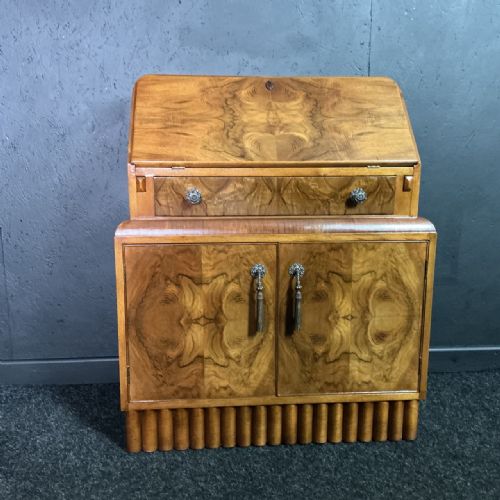
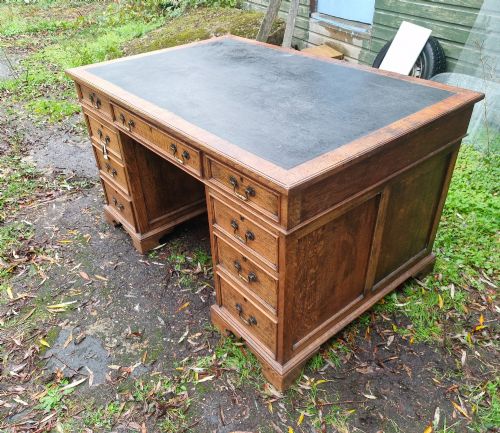
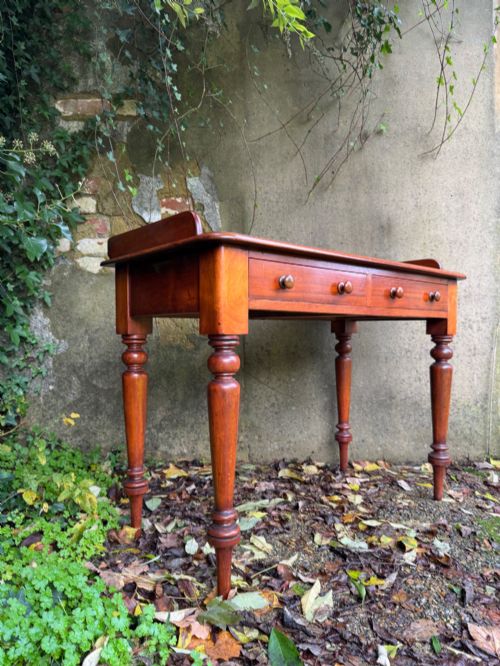
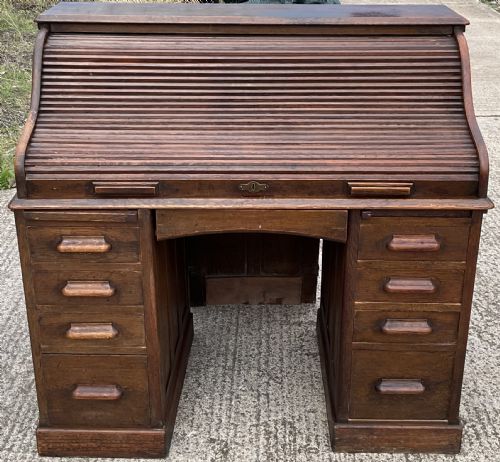
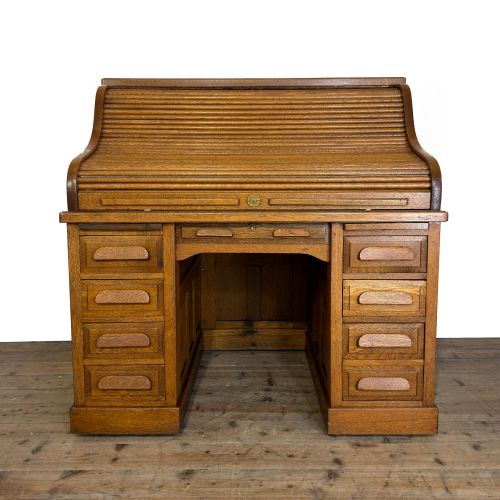
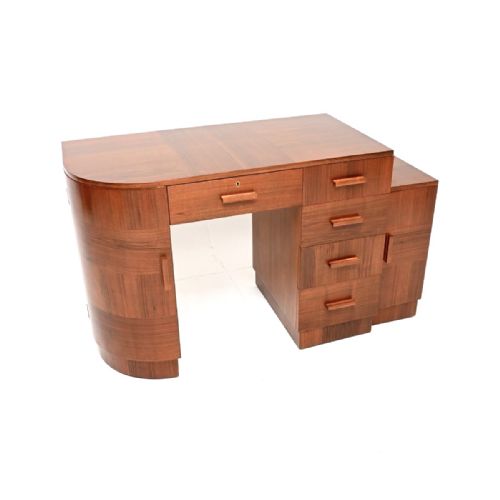
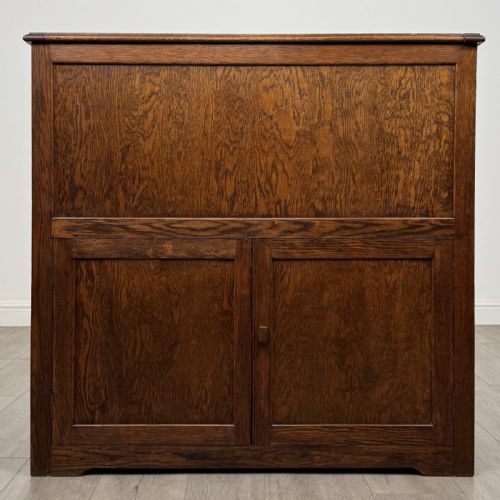
A vintage office bureau encompasses practical writing furniture built across the nineteenth and twentieth centuries, ranging from compact clerk desks to large pedestal forms. The selections available here heavily feature Edwardian and Victorian oak and mahogany pieces, alongside distinct Art Deco walnut designs from the nineteen-thirties.
Buyers will encounter roll-top desks with internal pigeonholes, kneehole writing tables fitted with stationery drawers, and larger bureau bookcases. Oak and mahogany dominate the earlier Victorian and Edwardian examples, while figured walnut and maple define the later Art Deco items.
Materials and construction
Cabinetmakers utilised solid timbers such as oak, mahogany, and walnut, frequently applying burr walnut and macassar veneers to create striking grain patterns on drawer fronts and cylinder lids. Brass handles, escutcheons, and leather writing inserts provide functional contrast to the wooden structures.
Joinery methods rely on sturdy dovetail construction for drawers and panelled assembly for pedestals, ensuring stability during daily use. Roll-top mechanisms employ slatted tambour tracks that slide smoothly within grooved housings to conceal fitted interiors.
Vintage Office Bureau Retail Price Guide 2026
Typical asking prices for vintage office bureau among the pieces listed under this phrase on Sellingantiques today, from the lower quarter to the upper quarter. They describe what is for sale here now, not the wider market.
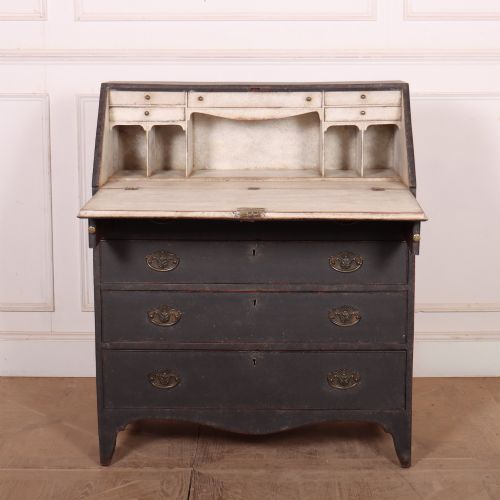
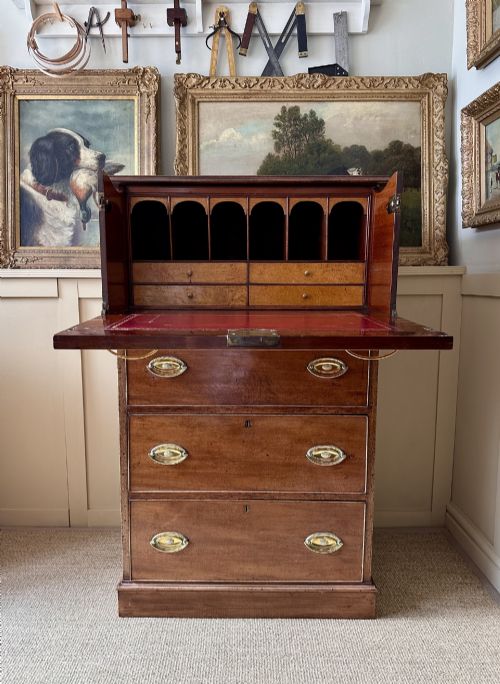
The listings span from eighteenth-century painted pieces through Victorian mahogany cylinders to nineteen-thirties Art Deco walnut designs.
Defining quality
Superior examples display thoughtful timber selection, such as matching burr walnut veneers across multiple drawer fronts, and retain original brass hardware and fitted internal stationery compartments. Lesser pieces show plain grain matching, replacement handles, or simplified interior layouts lacking pigeonholes and small drawers.
The precision of the sliding tambour mechanism in roll-top desks and the smooth action of deep pedestal drawers separate finer workshop production from standard utility items.
E Gomme·James Mein of Kelso·Maple & Co.
The Vintage Office Bureau Glossary
- Bureau
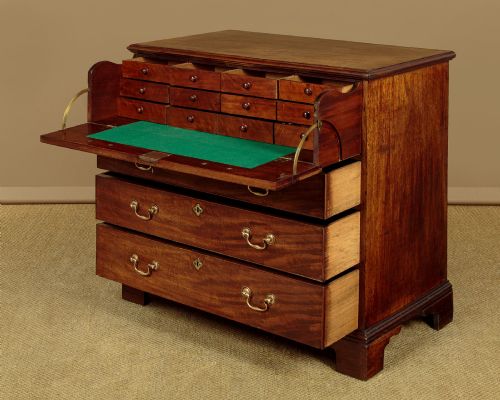
- A writing desk featuring a sloping lid that folds down to reveal a fitted interior of small drawers and pigeonholes.
- Pedestal desk
- A heavy freestanding desk supported by two banks of drawers either side of a central kneehole.
- Tambour
- Flexible shutter formed of narrow strips of wood glued to canvas, allowing a desk lid to curve around a track.
- Secretaire
- A cabinet or chest containing a pull-down writing drawer with internal compartments.
- Pigeonhole
- Small vertical compartment inside a desk used for sorting letters and stationery.
Vintage Office Bureau: Frequently Asked Questions
What is a roll-top desk?
A roll-top desk uses a slatted wooden tambour lid that slides back over a track to cover the writing surface and pigeonholes. This design keeps paperwork concealed and secure when the desk is unattended.
Such desks appeared widely during the Victorian and Edwardian periods, constructed primarily in oak or mahogany for heavy office use.
How do I identify an Edwardian bureau?
Edwardian bureaux usually date from the early twentieth century and frequently feature lighter oak or walnut timbers. They often incorporate decorative elements like claw and ball feet or simplified revival styles.
The interiors typically contain numerous small drawers and pigeonholes designed for household administration and letter writing.
Are these desks suitable for modern computers?
Kneehole writing tables and pedestal desks offer flat surfaces and legroom that accommodate laptops and modern seating comfortably. Roll-top desks provide enclosed storage above the work surface for paperwork and supplies.
Buyers should measure kneehole clearances on pedestal models to ensure standard office chairs fit underneath.
What timber was used most often?
Oak and mahogany appear most frequently across Victorian and Edwardian office furniture, valued for durability and rich grain. Walnut and burr walnut gained popularity towards the end of the nineteenth century and into the nineteen-thirties.
Exotic woods like macassar and maple also feature on later Art Deco pieces.