


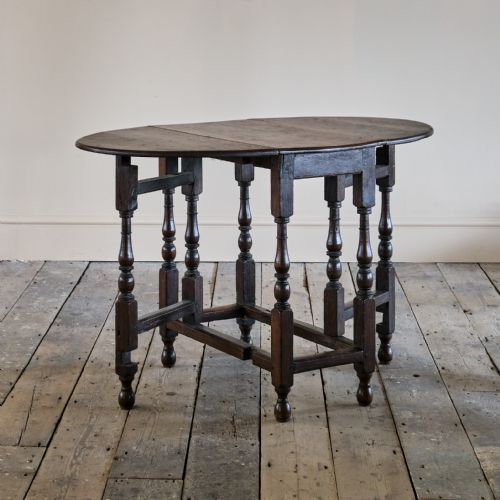
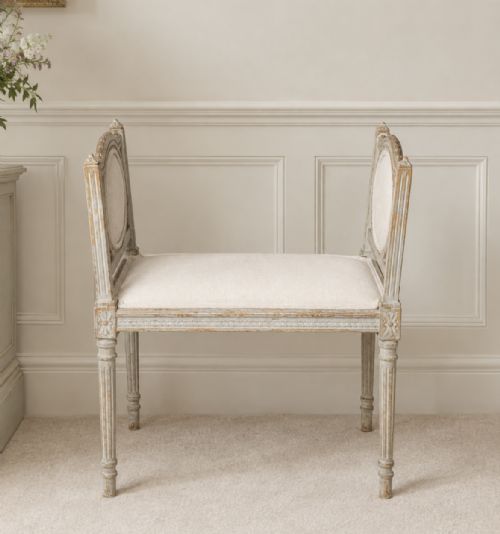


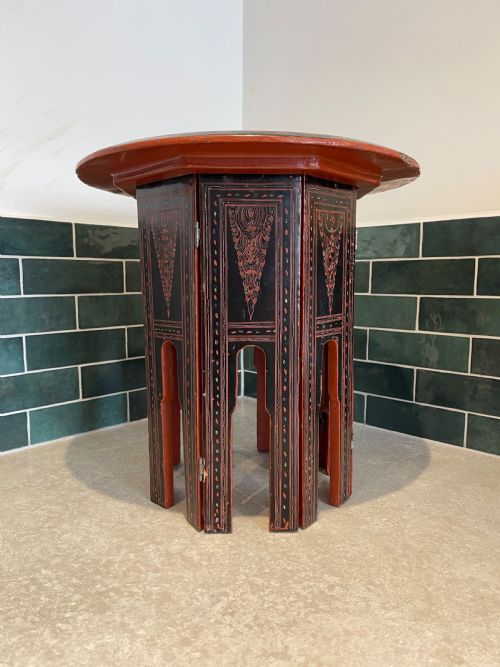


Vintage Occasional Stool
These vintage occasional stool examples provide compact, movable seating and display surfaces that suit any room requiring a practical touch of historical character.
Vintage Occasional Stool
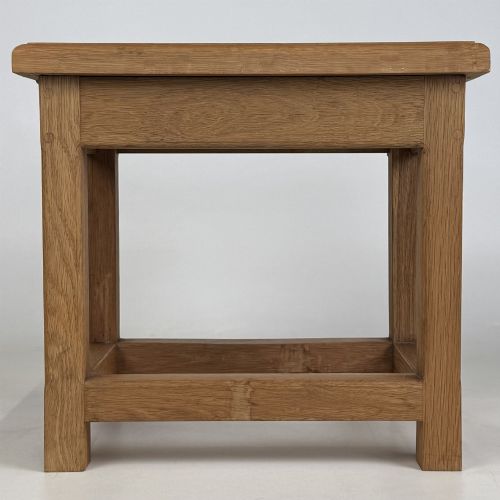
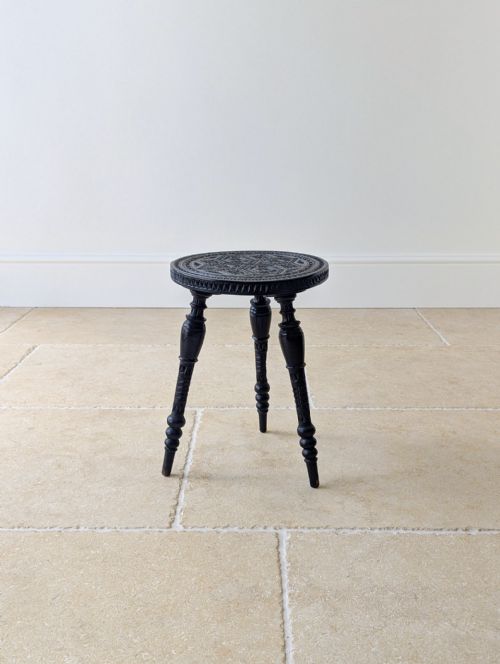
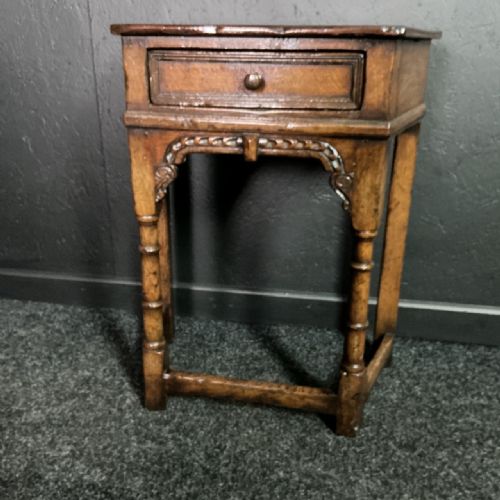
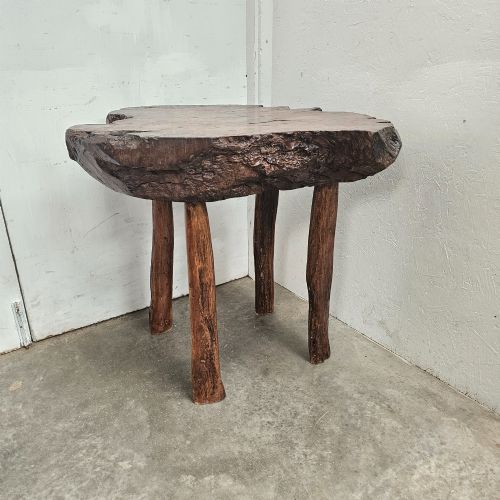
A vintage occasional stool functions as a versatile seating or display piece that shifts easily between rooms as needs change. Buyers seeking a vintage occasional stool will encounter diverse forms ranging from solid timber joint stools to low tripod designs and decorative seating influenced by historical revival movements.
The selections span multiple periods including the Victorian era, Edwardian years, and the early twentieth century. Common physical manifestations include low wooden frames, carved surfaces, and compact proportions suited to smaller spaces.
Origin points vary widely across the inventory, encompassing British revival pieces alongside items influenced by Anglo-Indian, Chinese, and Burmese traditions. This eclectic mix ensures buyers can find a vintage occasional stool that suits both traditional interiors and more varied decorative schemes.
Materials and construction methods
Construction relies heavily on timbers such as oak, teak, walnut, and ebonised hardwood, providing sturdy structural foundations. Joinery techniques range from traditional joint work to chip carving and detailed surface ornamentation involving bone inlay.
Makers utilised manual woodworking tools to shape legs, tops, and stretchers, often applying surface treatments like staining or polishing to highlight grain patterns. Exotic woods such as thuya wood and rosewood appear alongside domestic hardwoods, demonstrating a broad material palette across different workshops.
Vintage Occasional Stool Retail Price Guide 2026
Typical asking prices for vintage occasional stool among the pieces listed under this phrase on Sellingantiques today, from the lower quarter to the upper quarter. They describe what is for sale here now, not the wider market.
Several pieces feature carved elephant legs, proving that nineteenth-century artisans took the brief of occasional seating quite literally for world travellers.
Distinctions in craftsmanship and condition
Quality differences emerge through the precision of the joinery and the depth of surface carving. Finely executed chip carving or intricate bone inlay elevates an example above plain utility items.
The integrity of the timber frame and the preservation of original surface finishes dictate desirability among collectors. Examples retaining their structural stability without excessive timber shrinkage represent the higher end of the range.
The Vintage Occasional Stool Glossary
- Joint stool
- A traditional wooden stool constructed with mortise and tenon joints, commonly associated with seventeenth-century forms but reproduced in later periods. These sturdy items often double as small tables.
- Chip carving
- A decorative technique where small chips are removed from the surface of timber to create geometric patterns. This method appears frequently on nineteenth-century and early twentieth-century occasional furniture.
- Gateleg table
- A table with hinged leaves supported by swing-out legs that create an extended surface when raised. They offer compact storage when dropped down.
- Sgabello chair
- An Italian Renaissance chair type featuring a wooden seat supported by carved board ends rather than conventional legs. These decorative seats often function as occasional display pieces.
Vintage Occasional Stool: Frequently Asked Questions
Where should I place a vintage stool?
These compact pieces fit easily beside a fireside chair or serve as a low display surface for plants and books.
Their modest footprint allows them to move between rooms without dominating the interior space.
How do I care for antique timber?
Keep wooden surfaces away from direct heat sources and sudden humidity changes to prevent the timber from splitting.
Apply a traditional wax polish occasionally to maintain the lustre of the finish.
Are these items suitable for daily seating?
Most surviving examples retain their structural strength and function well for short periods of sitting.
Checking the rigidity of the leg joints ensures safe use in everyday domestic environments.
How do I identify a revival period piece?
Revival items often display stylised historical carving combined with nineteenth-century timber preparation methods.
Examine the underside and joints for tool marks that indicate the true manufacturing era.