
Vintage Oak Plant Table
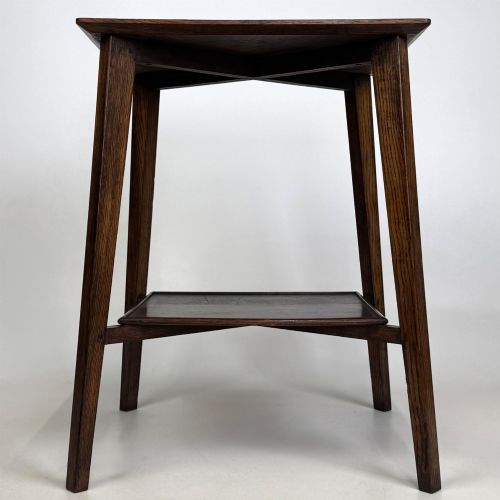
These vintage oak plant table pieces provide sturdy timber display surfaces for domestic greenery, drawing on Edwardian and Arts and Crafts designs.
Vintage Oak Plant Table
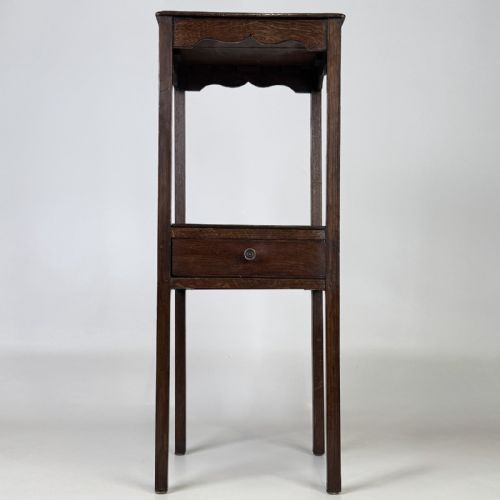
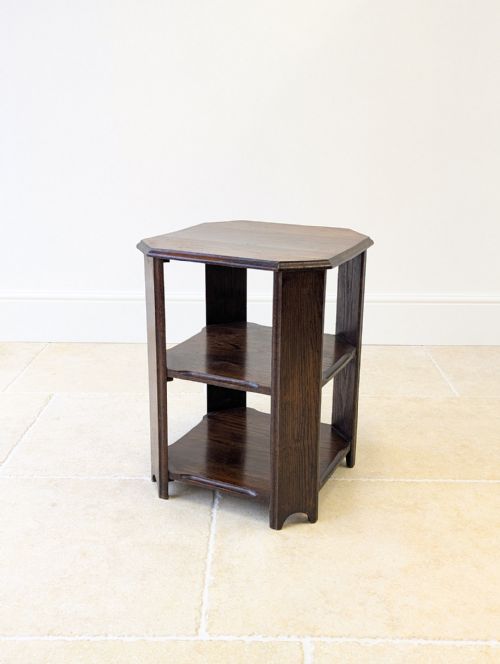
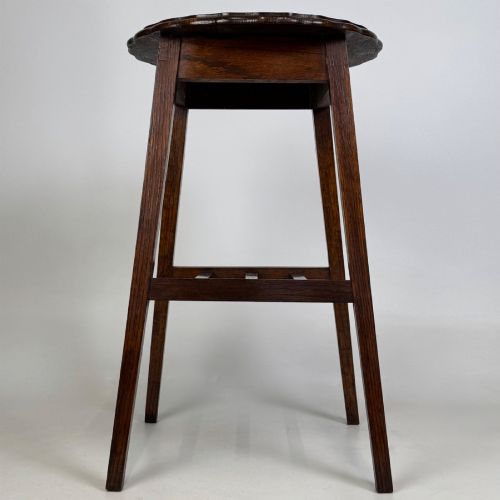
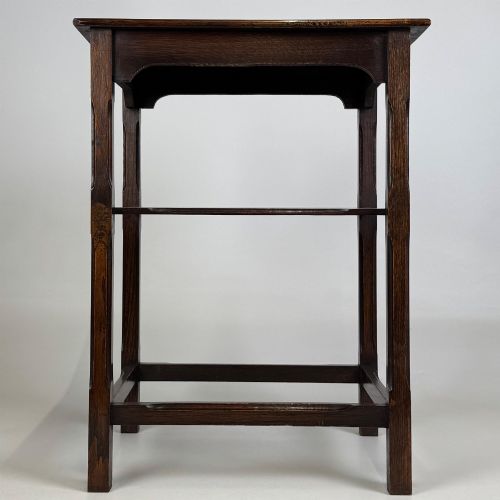
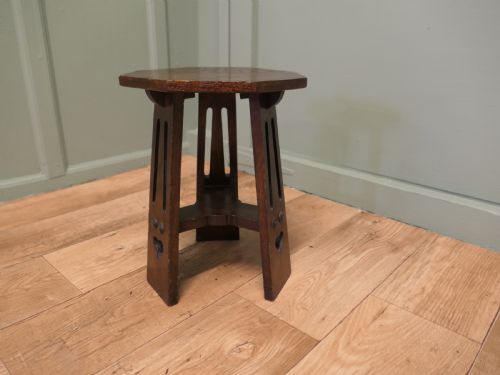
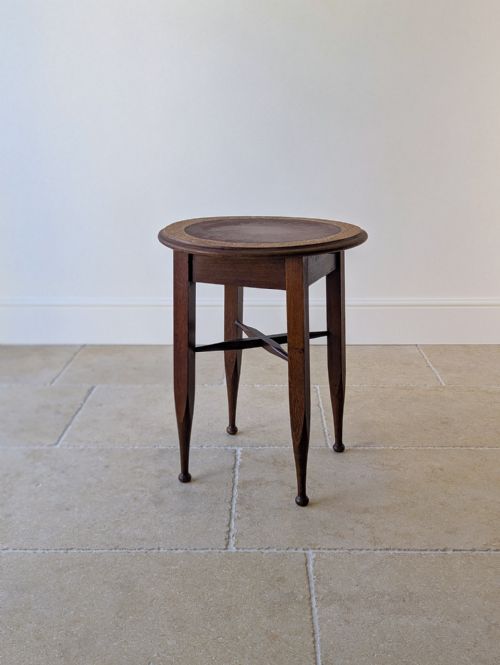
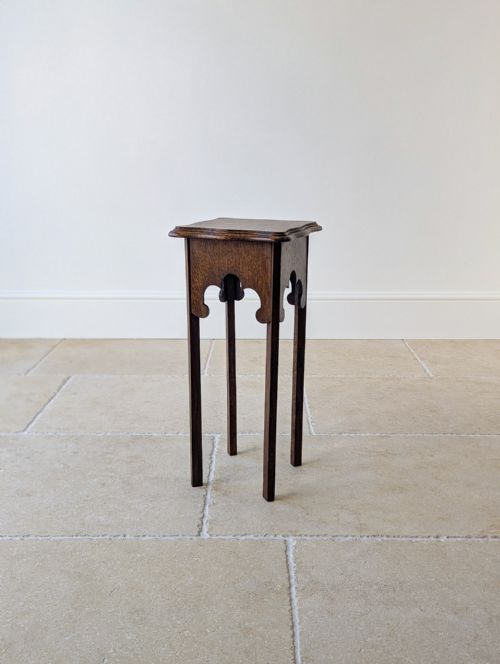
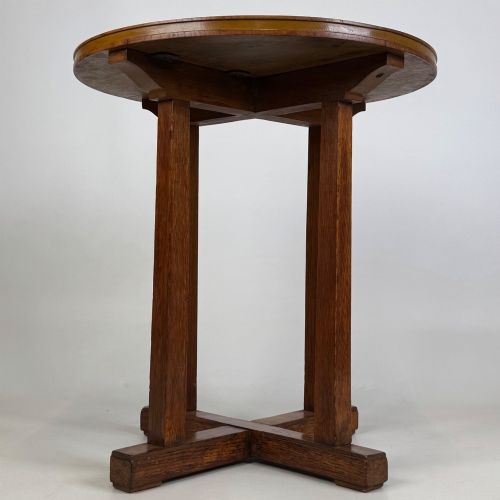
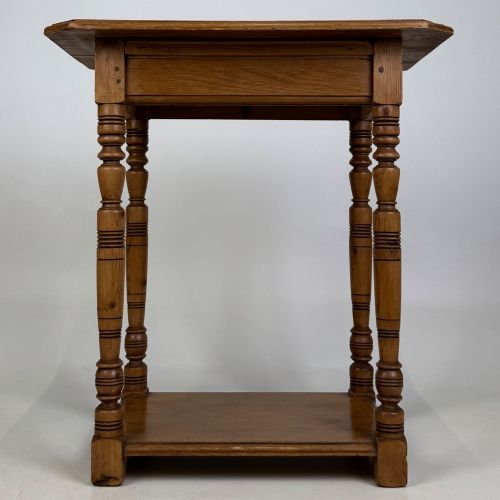
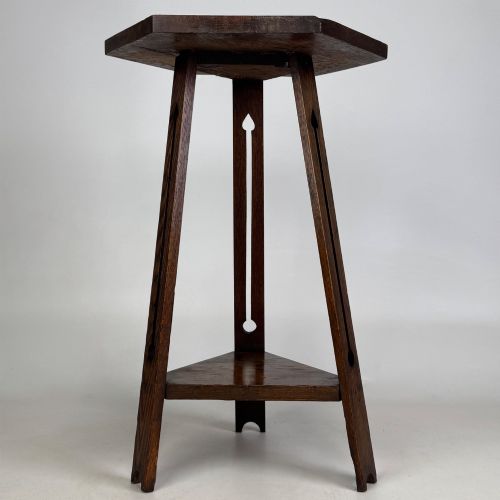
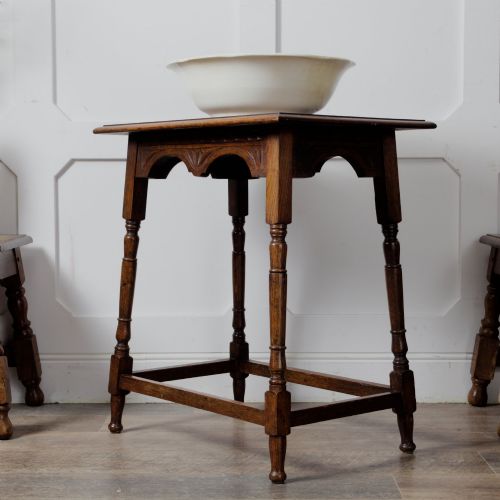
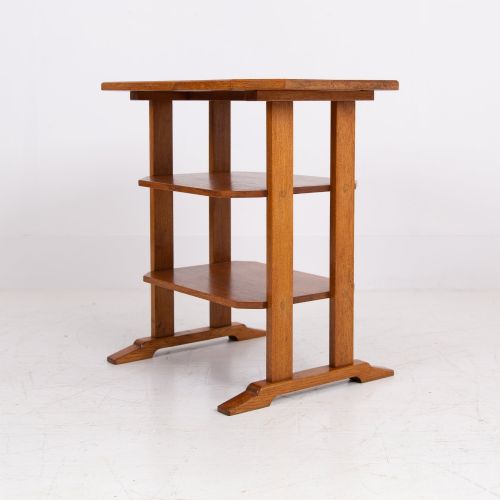
A vintage oak plant table serves primarily as a raised platform for indoor plants, taking the form of plant stands, jardiniere stands, and small occasional tables. Buyers seeking these items encounter numerous Edwardian and Arts and Crafts examples, alongside pieces from the Victorian and Art Deco periods. These forms range from octagonal and hexagonal tops to round and three-tier tiers.
Makers and workshops of the early twentieth century often utilised sturdy timbers to build functional stands that doubled as lamp tables or side tables. The selection includes tripod structures, two-tier designs, and occasional tables with specialised tops meant to hold heavy ceramic pots. English Country and Cotswold School influences appear frequently among the listed forms.
Assessing quality in oak plant tables
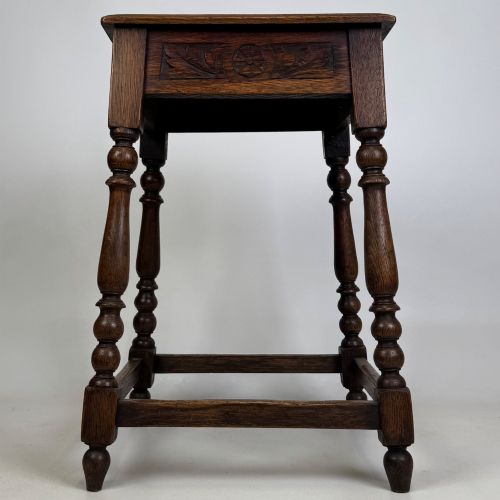
Quality rests on the integrity of the timber selection and the precision of the joinery rather than decorative excess alone. Tables featuring solid oak construction and thoughtful proportioning stand apart from standard utility items. The presence of hand-carved details, such as chip carving or specific regional school characteristics like Cotswold or Glasgow School styling, elevates a piece.
The treatment of the tabletop dictates much of the utility and refinement, particularly on examples meant to hold damp pots. Tables integrating original glazed tiles demonstrate a higher tier of design ambition than plain timber tops. Balance and stability in smaller tripod or bobbin-turned forms indicate superior baseline manufacture.
Several tables retain traces of ancient soil, proving that past ferns met vigorous watering regimes.
Liberty and Co
The Vintage Oak Plant Table Glossary
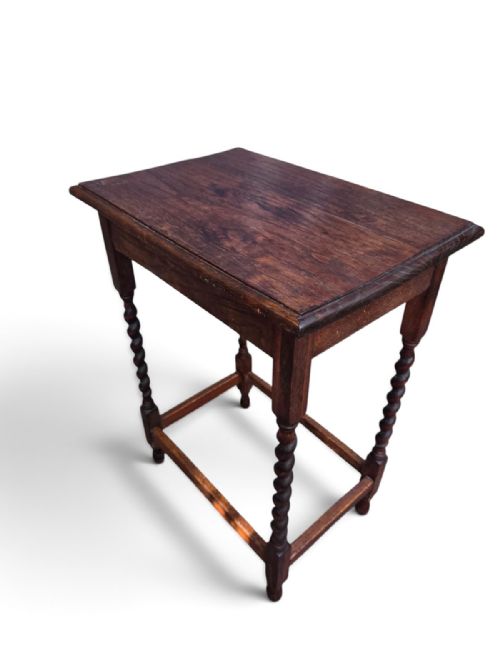
- Barley twist
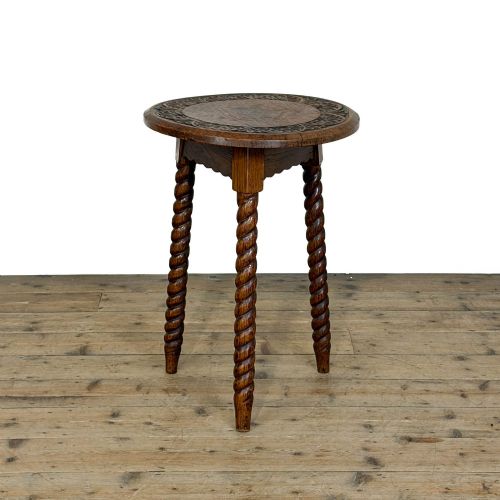
- A turned wooden furniture leg or stretcher shaped in a spiral twist resembling a rope or stalk of barley. This technique appears frequently on Edwardian oak tables.
- Jardiniere stand
- A tall, slender table or pedestal specifically designed to support a plant pot or flower bowl. These stands often feature waterproof inserts or tiled tops.
- Arts and Crafts
- A design movement emphasising handcraftsmanship, simple forms, and local materials rather than mass-produced ornamentation. Pieces from this style often display visible construction joints and honest timber grain.
- Tripod table
- A small freestanding table supported by three legs connected to a central column or directly to the underside of the top. This form provides stability on uneven domestic flooring.
- Limed oak
- A wood finishing technique that fills the open pores of oak with a white or pale substance to create a lighter, textured surface. This treatment is characteristic of later Art Deco pieces.
Vintage Oak Plant Table: Frequently Asked Questions
What is a plant table used for?
These tables provide an elevated platform to display potted plants, ferns, and flowers within domestic living spaces. Their compact footprints allow them to fit into corners or beside seating.
Many examples double as occasional tables or lamp tables when not holding greenery. The sturdy timber construction accommodates both heavy ceramic pots and everyday household objects.
How do I date an oak plant table?
Dating relies on observing stylistic markers, construction methods, and the specific period characteristics present in the wood. Edwardian and late Victorian pieces frequently display turned legs, chip carving, or Arts and Crafts influences.
Later pieces from the 1920s and 1930s introduce streamlined forms, limed oak finishes, or Art Deco geometric details. Comparing the timber thickness and joinery style helps narrow the decade of manufacture.
Are these tables waterproof?
Most standard oak surfaces require a protective saucer or mat beneath potted plants to prevent water rings and moisture damage to the timber. Untreated wood or older French polish can spot if exposed to standing water.
Certain jardiniere stands incorporate glazed ceramic tiles specifically designed to handle spills and moisture from watering. Checking the top surface material clarifies whether a protective barrier is needed.
Where should I place an oak plant table?
These compact tables suit corners, hallways, and living rooms where floor space is limited. Their height makes them ideal for positioning near windows to catch natural light for plants.
They also function effectively as side tables next to armchairs or as lamp stands in darker corners. The neutral tones of oak blend easily with various interior decorating schemes.