

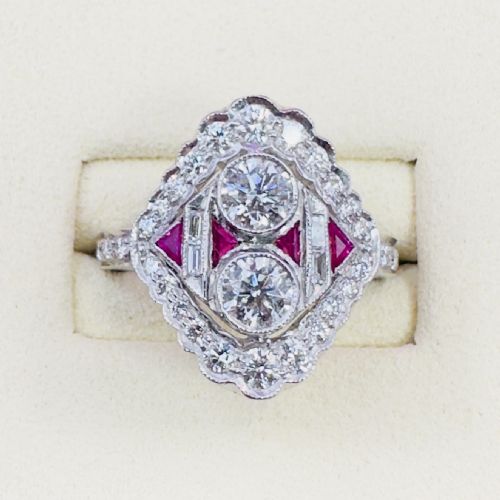


Vintage Navette Cocktail Ring
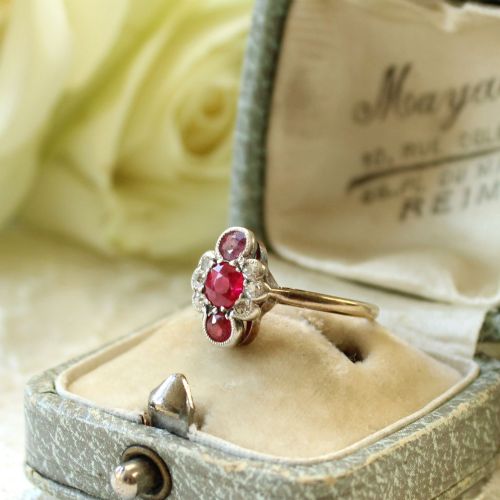
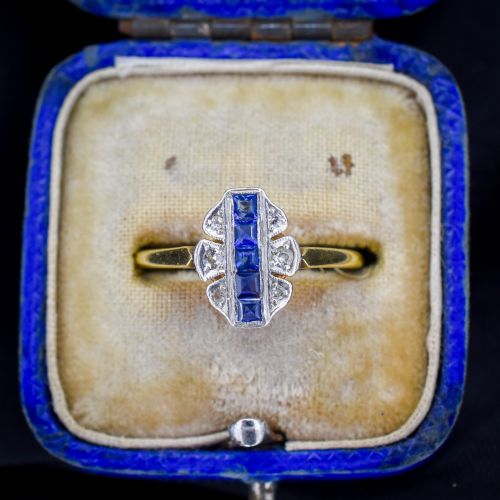
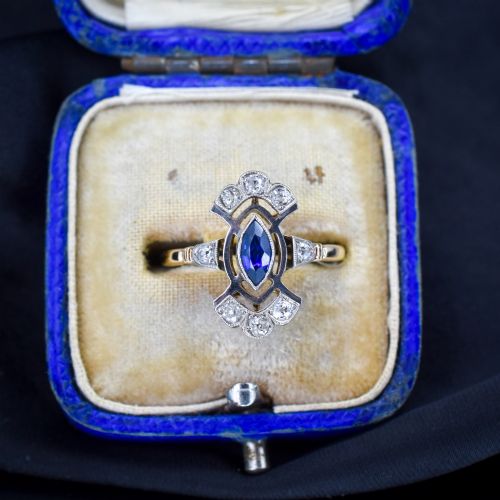
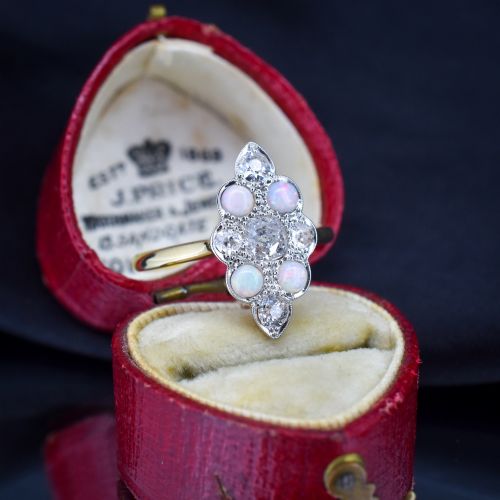
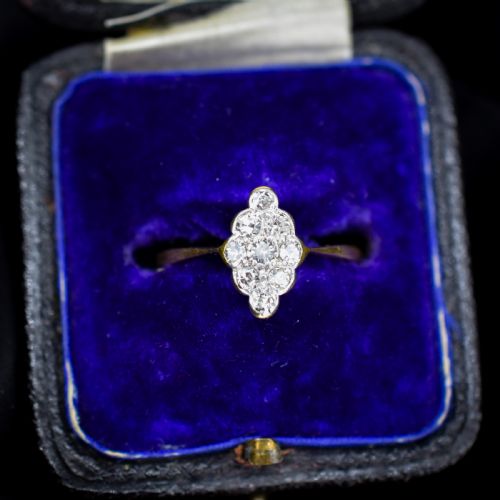
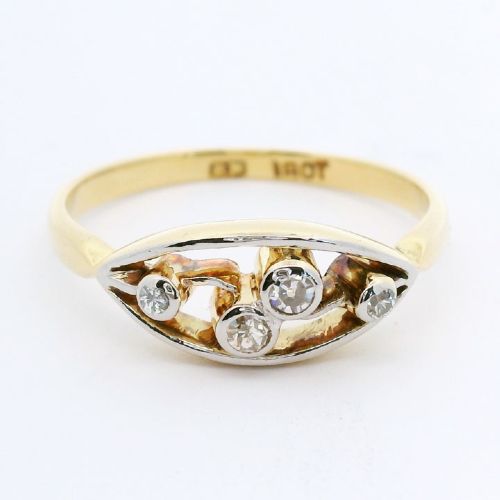
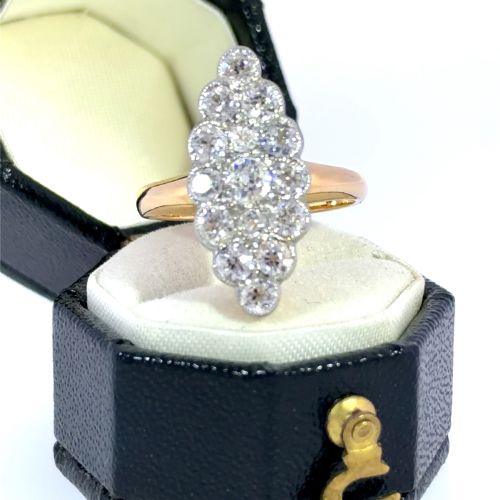
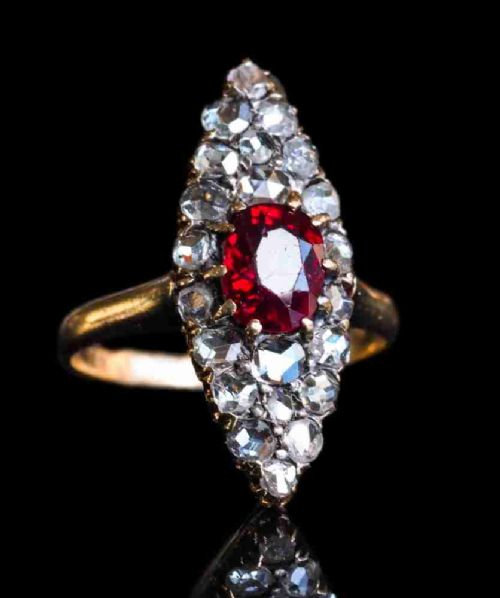
A vintage navette cocktail ring brings an elongated cluster silhouette to the hand, offering unmistakable period presence through bright diamonds and coloured gems.
Vintage Navette Cocktail Ring
A vintage navette cocktail ring is characterised by its distinctive boat-shaped or marquise outline, stretching along the finger with layered clusters of stones. You are most likely to encounter Edwardian and Art Deco examples featuring symmetrical geometric motifs or delicate openwork filigree.
The materials span traditional yellow gold, 18ct white gold, and platinum settings, frequently paired with old cut diamonds, sapphires, rubies, or opals. These pieces originate from distinct periods ranging from Victorian craftsmanship through to mid-century revivals.
Materials and Construction Methods
Goldsmiths utilised a combination of 18ct gold and platinum to construct these intricate clusters, often mounting stones in platinum-topped gold settings to maximise the brilliance of old cut diamonds. This dual-metal technique provided durable strength for elaborate multi-stone arrangements.
Gemstones such as sapphires, rubies, and emeralds were hand-set alongside rose cut or old mine cut diamonds into detailed panel and cluster formations. Skilled artisans executed fine millegrain edges and pierced galleries to lighten the substantial metal framework.
Vintage Navette Cocktail Ring Retail Price Guide 2026
Typical asking prices for vintage navette cocktail ring among the pieces listed under this phrase on Sellingantiques today, from the lower quarter to the upper quarter. They describe what is for sale here now, not the wider market.
Listings feature periods spanning from the Victorian era and Edwardian decades through to Art Deco and mid-century 1960s designs.
Assessing Quality and Execution
The distinction between tiers rests upon the harmony of the proportions and the precision of the stone setting. Finer examples display perfectly matched gemstone colours and tight, even claw or bezel work that secures each diamond without excess metal.
Superior manufacture is further evidenced by the crispness of hand-engraved details and openwork galleries that remain intact after decades of wear. The integration of platinum with gold indicates a higher grade of period craftsmanship.
The Vintage Navette Cocktail Ring Glossary
- Navette
- A French term meaning little ship, describing a pointed, elongated boat shape for a ring face. This profile sits flat across the knuckle and creates an expansive visual impact.
- Marquise
- An alternative descriptor for an elongated, pointed oval gemstone or cluster outline. It shares the same slender geometry as the navette.
- Old Cut
- A general term for antique diamond cutting styles predating modern round brilliants, including old mine and rose cuts. These stones feature smaller tables and larger facets that cast a distinctive, softer candlelight glow.
- Millegrain
- A decorative technique featuring a fine border of tiny raised metal beads along the edges of a setting. It adds a refined texture typical of Edwardian and Art Deco jewellery.
- Cluster Ring
- A design where multiple smaller gemstones are grouped closely together around a central stone. This arrangement maximises surface sparkle and colour contrast.
Vintage Navette Cocktail Ring: Frequently Asked Questions
How do I wear a vintage navette ring?
Because these rings feature an elongated shape that stretches along the finger, they make striking standalone pieces on the middle or ring finger.
Pair them with simple wedding bands or plain stacking rings to ensure the elaborate navette silhouette remains the focal point without crowding.
What is the difference between navette and marquise?
While both terms describe a pointed, elongated oval shape, navette traditionally refers to a boat-shaped cluster of multiple small stones.
Marquise often describes a single large gemstone cut to that specific geometry, though the terms are frequently used interchangeably in vintage listings.
How do I identify an Edwardian navette ring?
Edwardian pieces typically showcase platinum-topped gold, intricate millegrain detailing, and lace-like openwork metal patterns.
They lean towards softer floral motifs, natural pearls, and lighter old cut diamonds compared to the bolder, geometric symmetry of later Art Deco designs.