
Vintage Mirror
A vintage mirror brings depth and reflection to a room, drawing on periods from the nineteenth century to the art deco era.
Vintage Mirror
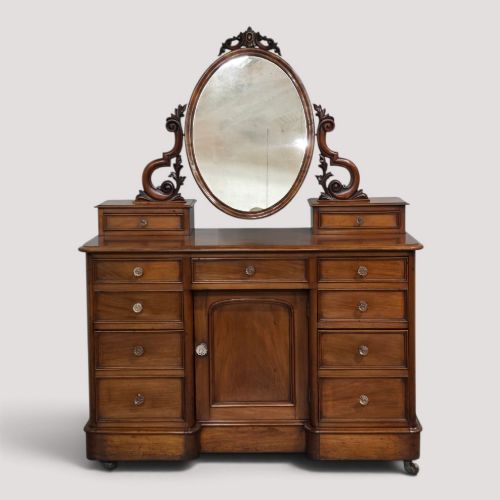
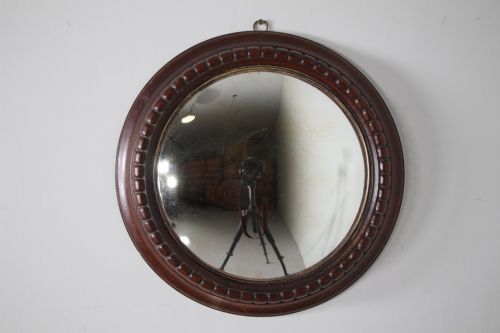
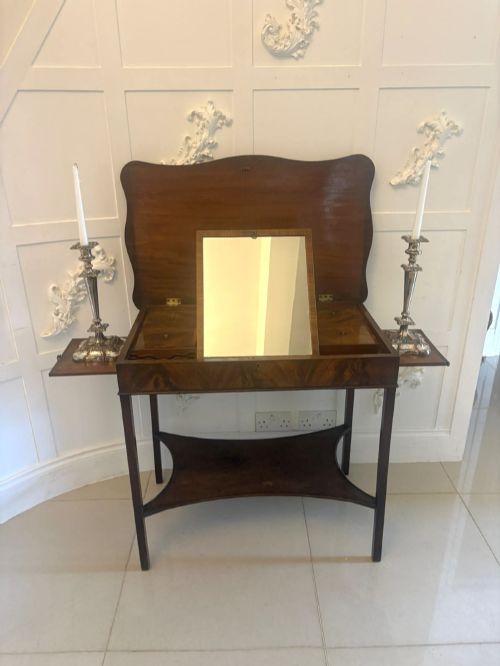
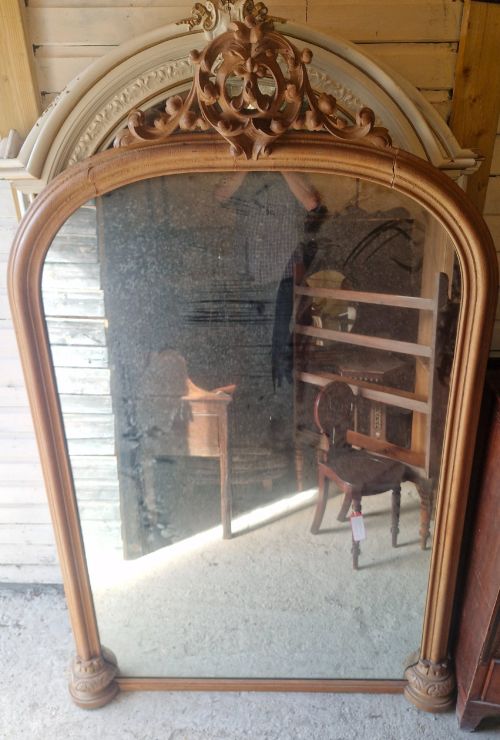
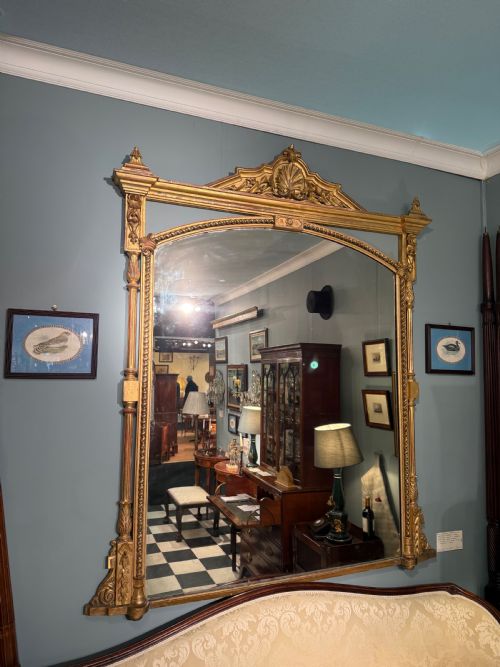
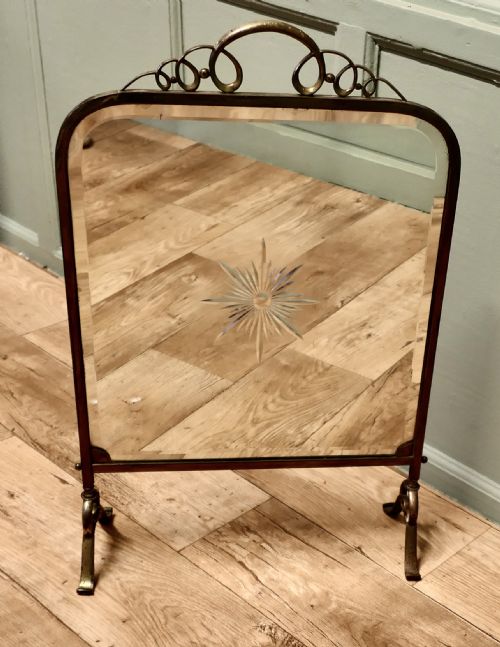
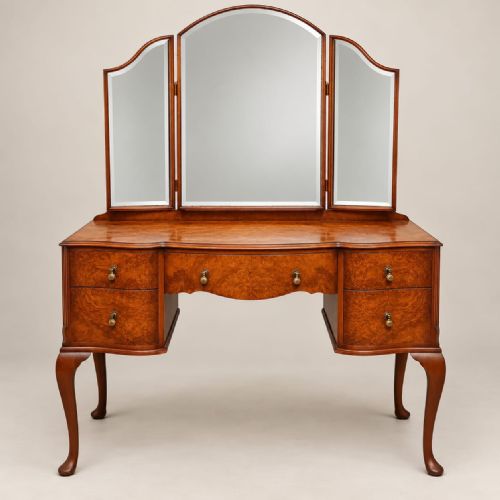
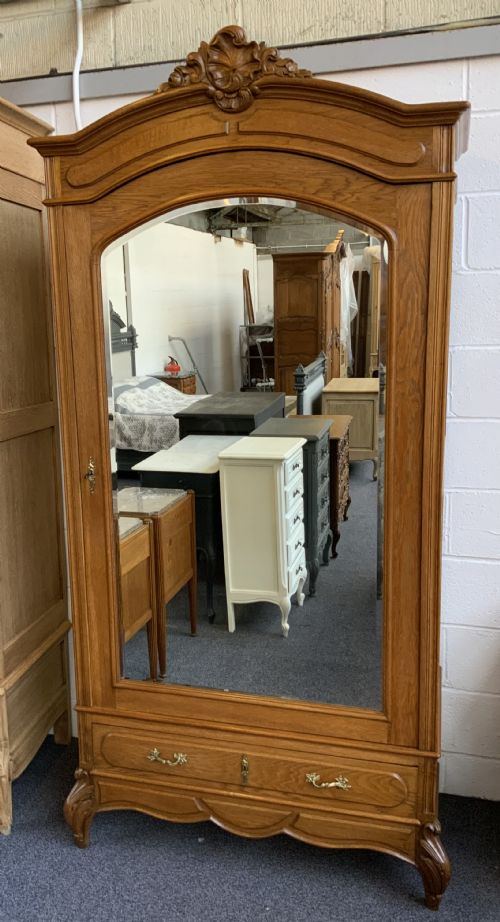
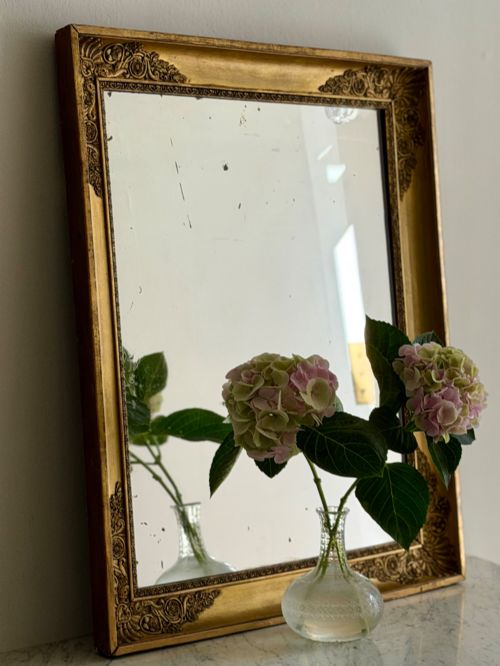
A vintage mirror spans forms ranging from overmantel and wall mirrors to cheval dressing glasses and console sets. Buyers searching for a vintage mirror encounter pieces originating across the nineteenth and early twentieth centuries, including Victorian, Edwardian, and art deco examples.
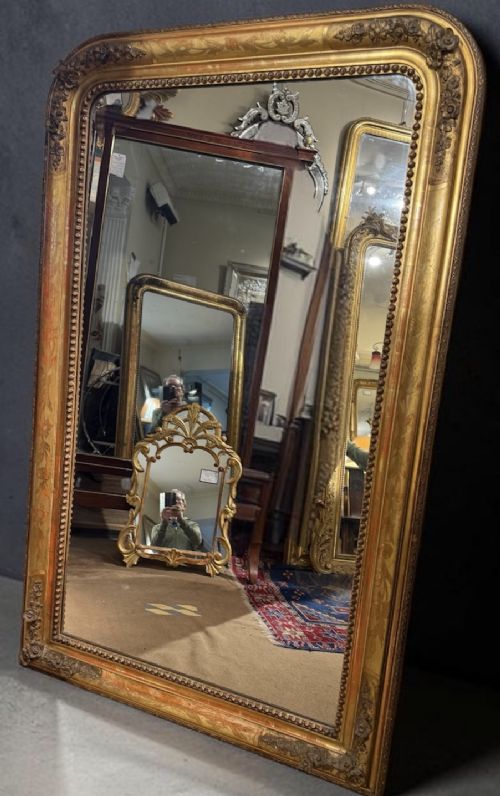
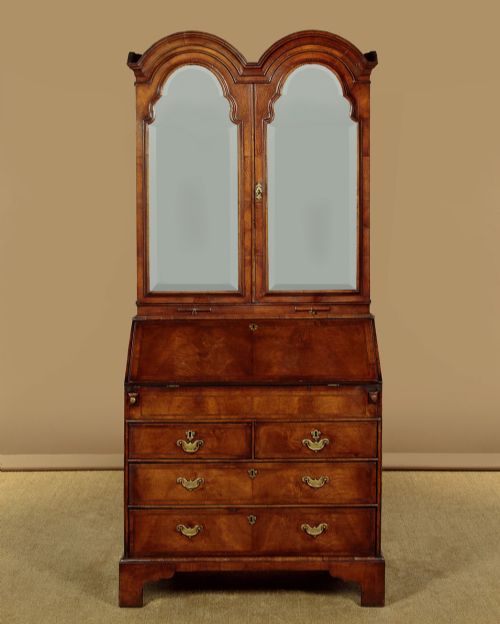
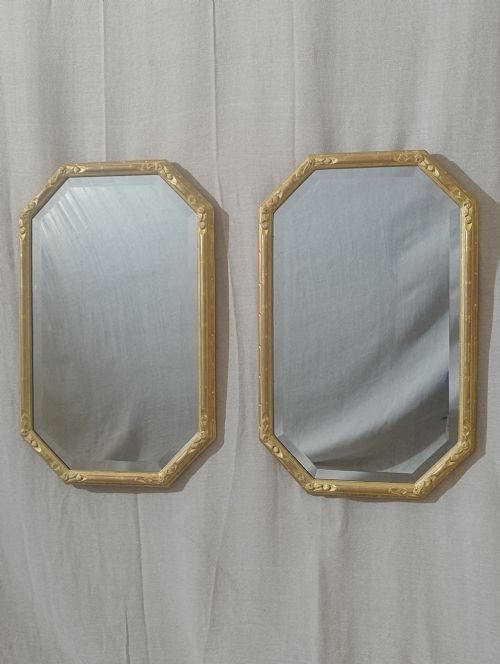
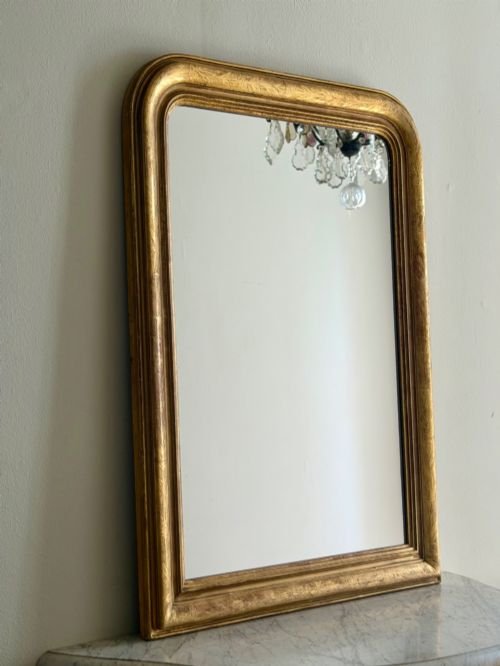
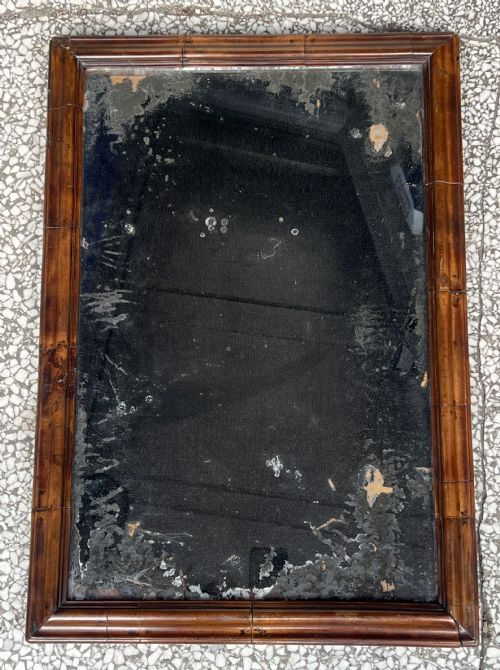
French styles, particularly gilt Louis Philippe frames, appear alongside English mahogany and walnut designs, offering varied proportions for different interior spaces.
Materials and construction
Frames take shape in timber such as mahogany, walnut, and oak, often finished with gesso and gold leaf or water gilding. Brass and mirror glass complete the physical structure of these pieces.
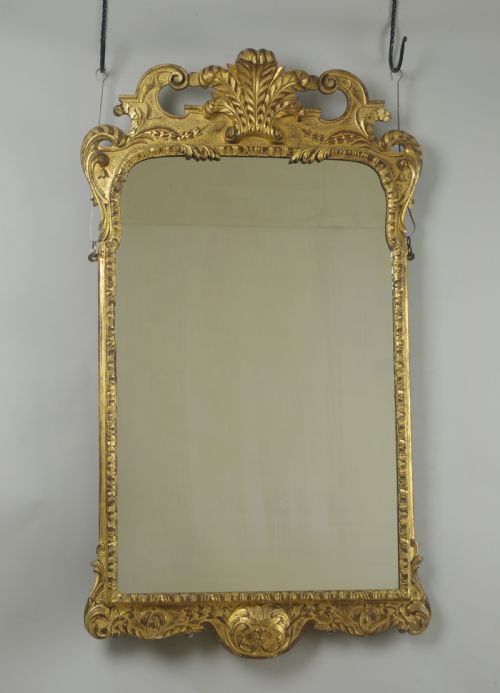
Early examples utilise mercury glass plates set within hand-carved wood and gesso frames, showing traditional joinery and finishing methods appropriate to their period.
Listings feature glass, giltwood, gesso, brass, gold leaf, wood, and mahogany across nineteenth and twentieth-century periods.
Craftsmanship and condition
Quality rests in the crispness of the carved detail on the wood and gesso frames, alongside the depth of the original gilding or polish. Better examples retain their original mirror plates and structural integrity without heavy restoration.
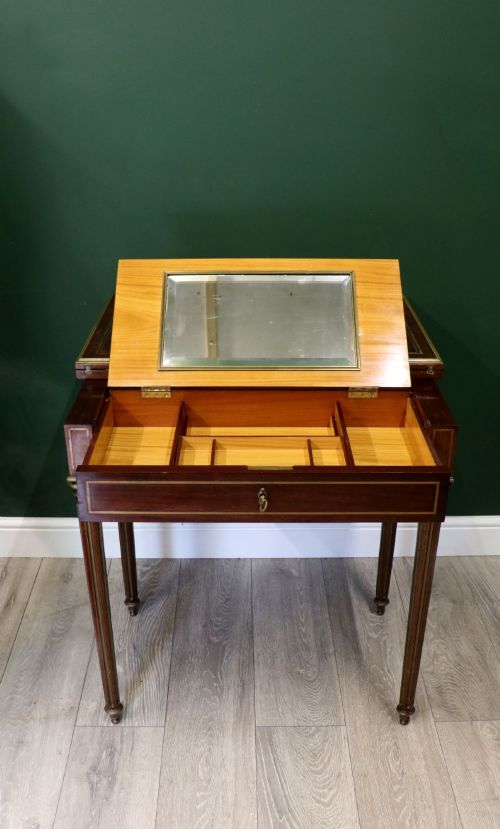
The sophistication of the timber veneer, such as burr walnut or birds eye maple, and the subtlety of applied ornamentation separate standard production items from finer decorative pieces.
Shapland & Petter
The Vintage Mirror Glossary
- Gesso
- A plaster-like mixture applied to wood frames to provide a smooth surface for gilding. This material takes fine carved detail before gold leaf application.
- Mercury glass
- A double-walled glass blown type popular in earlier mirror plates. It produces a characteristic mottled reflection due to the silvering method.
- Louis Philippe
- A nineteenth-century French style defined by softly rounded upper corners and restrained frames. These mirrors suit both traditional and modern interiors.
- Cheval mirror
- A full-length dressing glass hung within a freestanding frame. It permits tilting to adjust the viewing angle.
- Overmantel mirror
- A large wall glass designed to hang above a fireplace mantel. Its proportions usually match the width of the fireplace below.
Vintage Mirror: Frequently Asked Questions
How do I date a mirror?
Dating relies on examining the construction methods of the frame, the type of wood used, and the characteristics of the glass plate itself. Older mirrors often show hand-beveled edges or mercury silvering.
Secondary indicators include original backboards, fixings, and the style of ornamentation, which align with periods such as Georgian, Victorian, or Edwardian.
What is mercury glass?
Mercury glass refers to a specific type of silvered glass used in nineteenth-century mirrors and decorative objects. It creates a cloudy, atmospheric reflection.
Despite the name, actual mercury was rarely used in the final sealing process after the invention of better silvering techniques in the mid-nineteenth century.
Where should I hang an overmantel mirror?
An overmantel mirror traditionally sits directly above a fireplace mantelpiece to reflect light and fill vertical wall space. Secure wall fixings are essential for these heavy giltwood pieces.
They also function effectively on main living room walls opposite windows to maximise natural light in the interior.
How do I clean an antique frame?
Cleaning requires a soft, dry brush to remove dust from delicate gesso and giltwood carvings without damaging the surface. Avoid using liquid cleaners on old gold leaf.
Glass surfaces tolerate standard glass cleaner applied sparingly to a cloth rather than sprayed directly, preventing moisture from seeping behind the frame.