




Vintage Millinery Hat
These vintage millinery hat objects are practical tools and display pieces from past workshops, offering authentic character for modern interiors.
Vintage Millinery Hat
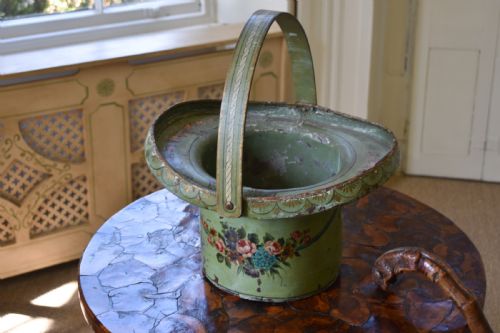
When you search for a vintage millinery hat, you encounter working shop equipment such as wooden hat blocks, metal moulds, stretchers, and display heads. These items originate from active hat-making trades and commercial shop displays across various periods.
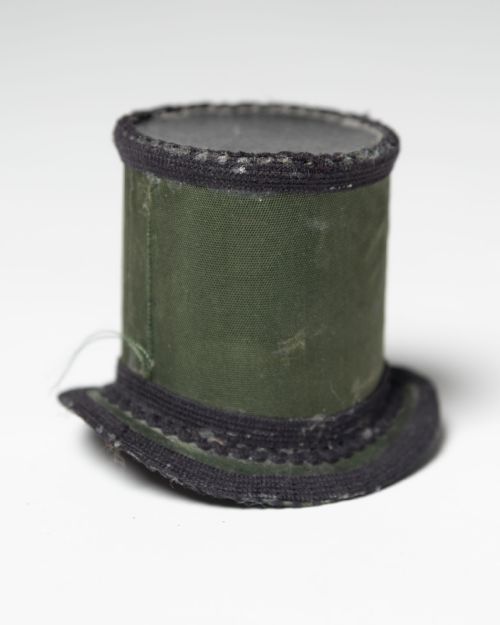
The selection on this page relies heavily on utilitarian forms shaped from wood, aluminium, and cast iron. You find pieces spanning from Georgian leather hat boxes and wig stands to 1920s aluminium moulds and Art Deco shop mannequins.
Many listings comprise functional tools like hat stretchers alongside decorative display stands in oak, beech, and fruitwood. Each piece reflects the specific demands of historical hatters and haberdashery shops.
How they were made
Makers shaped wooden blocks and forms by carving solid timber such as oak, beech, walnut, and fruitwood to precise head proportions. Metal pieces utilise cast iron, brass, and aluminium, often engineered for mechanical hat stretchers or industrial moulds.
Leather boxes and fabric elements required skilled hand-stitching and mounting over rigid frames. Wooden surfaces display the tool marks of the hatter or carver, showing the direct hand of the maker in shaping functional workshop apparatus.
Listings feature materials ranging from carved fruitwood and oak to industrial aluminium, cast iron, and painted leather.
What varies in quality
The distinction between ordinary workshop tools and finer items rests in the integrity of the carving and the quality of the materials. Solid hardwood blocks and detailed folk art carved heads demonstrate superior craftsmanship compared to basic utilitarian gear.
Original manufacturer marks, stamps, and retained factory finishes elevate a piece from a simple prop to an authentic historical artefact. The weight and casting clarity of aluminium moulds and brass stands also signal the original intended tier of workshop use.
McDonald's
The Vintage Millinery Hat Glossary
- Hat block
- A solid wooden form used by a milliner to shape and dry a hat during construction. These blocks come in various head sizes and hat styles.
- Hat stretcher
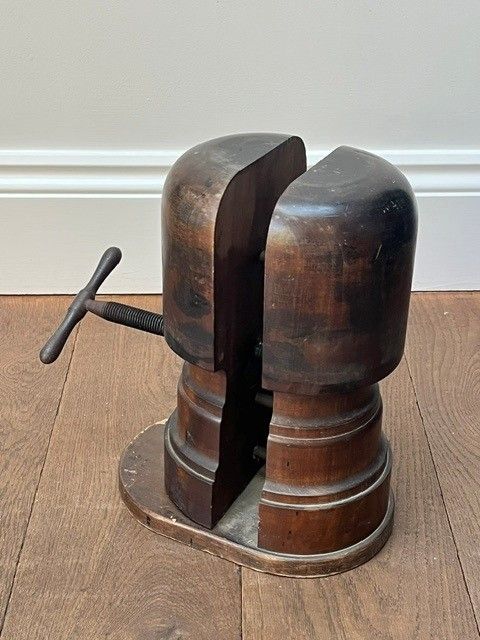
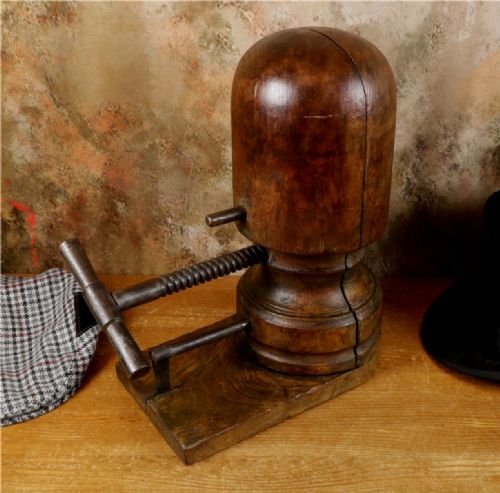
- A mechanical tool inserted into a hat band and expanded to increase the interior circumference. They usually feature wooden segments operated by a central screw mechanism.
- Millinery mould
- A hollow metal form, often cast in aluminium, used for pressing or shaping hat materials under heat and pressure. They frequently bear production numbers.
- Wig stand
- A carved wooden or mounted display stand historically used for supporting wigs or hats when not in use. Georgian and Victorian examples often feature elegant turned pedestals.
- Haberdashery
- The trade and equipment associated with small articles of apparel and dressmaking tools. Items from this category served daily commercial functions in drapery shops.
Vintage Millinery Hat: Frequently Asked Questions
What is a hat block used for?
A hat block served as the primary solid form upon which a milliner shaped damp felt or straw. The material was pulled tightly over the wood and pinned or tied until it dried into the desired silhouette.
Today, these blocks function primarily as sculptural objects or display mounts for finished hats in domestic interiors.
How do I date a wooden hat stretcher?
Dating relies on observing the timber species, metal hardware, and construction methods used in the expansion mechanism. Victorian and Edwardian examples typically feature turned oak or beech with hand-cut iron screws.
Later pieces from the twentieth century often incorporate simpler machined metal components and standardised sizing stamps.
Are aluminium hat moulds contemporary?
Aluminium hat moulds date predominantly to the early twentieth century, particularly the 1920s, when industrial manufacturing introduced lighter metals to the trade. Workshops used them alongside traditional wooden blocks for efficient production.
They display utilitarian cast numbers and robust metal surfaces intended for heavy workshop output.
How should I display a vintage hat stand?
These stands look best placed on hallway consoles, dressing tables, or open bookshelves where their timber or brass patination is visible. Their original purpose as shop displays makes them ideal for holding modern hats, scarves, or wigs.
Ensure the placement protects antique wood and polished metal from excessive direct sunlight and moisture.