





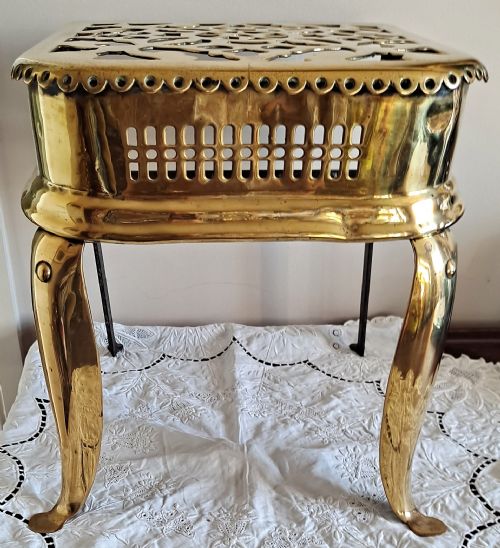

Vintage Metal Trivet
These vintage metal trivet pieces are sturdy hearth and table accessories built from brass, steel, iron, and silver plate to hold kettles and serving dishes.
Vintage Metal Trivet
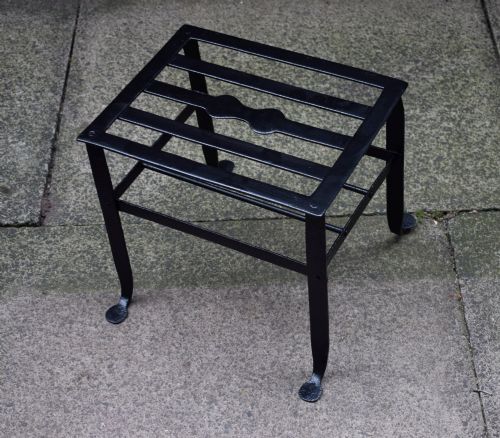
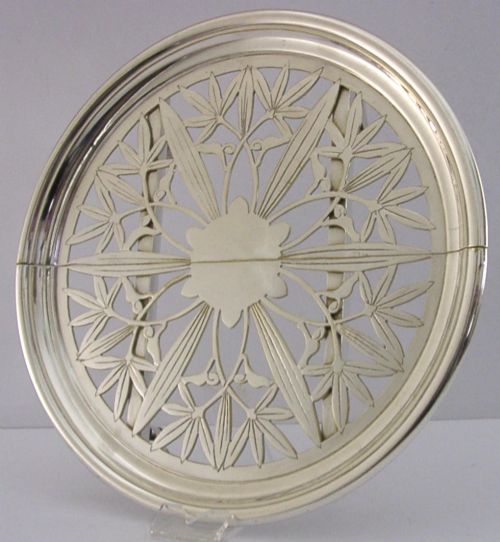
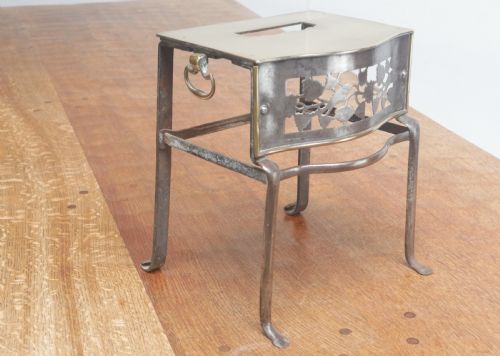
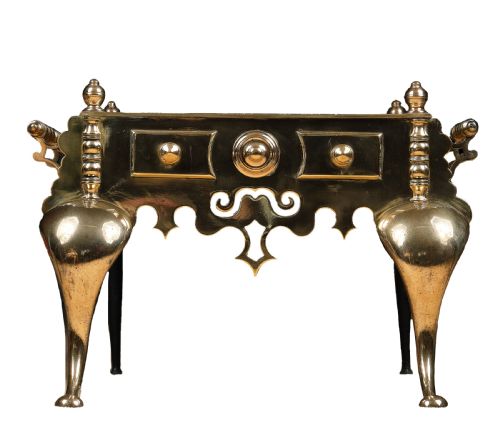
When you search for a vintage metal trivet, you encounter sturdy hearth and table accessories designed to hold hot kettles and serving dishes. These items range from traditional footmen used by the fireplace to extendable dish stands and smaller table coasters.
The versions you are most likely to meet on this page come primarily from the Victorian and Georgian periods, alongside Edwardian and Art Deco examples. They appear in brass, steel, iron, and silver plate, often taking the form of footmen, kettle stands, and hearth accessories.
Origins span across English, Welsh, Dutch, and French workshops, showing diverse regional approaches to metalworking. Whether built as a small Georgian brass steel footman or a French Art Deco extending dish stand, each piece serves a practical domestic role.
How they were made
Makers utilised durable metals such as brass, steel, wrought iron, and silver plate to withstand the intense heat of the hearth or the heavy weight of serving vessels. Iron and steel provided rigid structural strength for footmen and fireplace accessories.
Brass and silver plate offered a brighter, decorative finish suited for formal dining tables and drawing rooms, sometimes combined with wooden elements. Construction methods involved careful casting, forging, and plating to join components securely.
Vintage Metal Trivet Retail Price Guide 2026
Typical asking prices for vintage metal trivet among the pieces listed under this phrase on Sellingantiques today, from the lower quarter to the upper quarter. They describe what is for sale here now, not the wider market.
The site records object forms such as footmen, kettle stands, coasters, and fireplace accessories spanning the eighteenth to twentieth centuries.
What varies in quality
The distinction between standard utility items and finer examples rests on the crispness of the casting, the weight of the metal, and the refinement of decorative details. Heavy gauge brass and well-forged steel indicate a higher grade of manufacture.
Stylistic execution also sets pieces apart, as seen in the flowing organic lines of Art Nouveau designs or the precise geometric symmetry of Art Deco stands. Superior craftsmanship ensures both structural stability and lasting visual appeal.
CHRISTOFLE
The Vintage Metal Trivet Glossary
- Footman
- A metal stand placed by the hearth to keep food or kettles warm before the fire. These typically feature sturdy legs and a flat top plate.
- Trivet
- A small support appliance used to elevate hot vessels off tables or hearth stones. They appear in materials like brass, iron, and silver plate.
- Silver Plate
- A thin layer of silver applied to a base metal such as copper or brass. This technique offered the lustre of solid silver at a lower cost.
- Art Deco
- A design style from the early twentieth century characterised by sleek geometric shapes and modern industrial lines. It is seen here in French serving dish stands.
- Art Nouveau
- An international style of art and decoration inspired by natural forms like plants and flowers. Pieces from this period display flowing, curved contours.
Vintage Metal Trivet: Frequently Asked Questions
What is a footman?
A footman is a low metal stand traditionally placed in front of the fireplace to keep kettles and dishes warm. They are commonly constructed from brass and steel.
These sturdy items formed a standard part of historic hearth equipment in British homes.
How were trivets used?
Trivets served as protective stands to elevate hot pots and serving dishes above tabletops or hearth floors. They prevented heat damage to polished wood surfaces.
In daily use, they acted as movable platforms for tea kettles and serving platters.
What materials are common?
The most frequent materials include brass, steel, iron, and silver plate, sometimes accompanied by wood. Each metal suited different domestic environments, from the rugged hearth to the dining table.
Makers selected these durable substances to endure regular exposure to heat and weight.
How do styles differ?
Styles range from plain Georgian and Victorian utility pieces to decorative Art Nouveau and Art Deco designs. Earlier items prioritise functional hearth placement.
Later pieces incorporate stylistic movements like Art Deco, expanding their use to formal dining rooms.