

Vintage Metal Seating
Vintage metal seating spans durable garden benches and industrial workshop stools cast, forged and shaped across the nineteenth and twentieth centuries.
Vintage Metal Seating
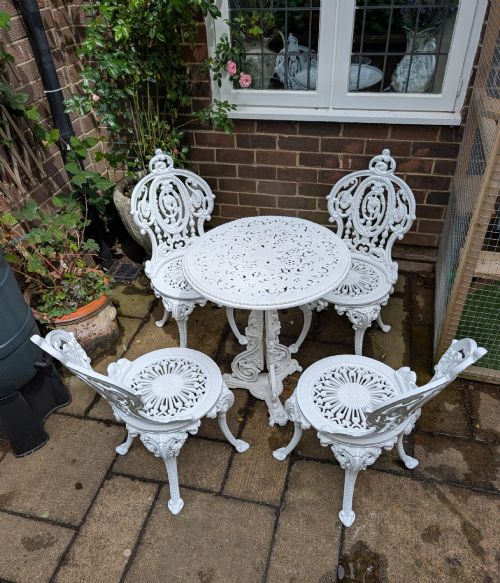
When you search for vintage metal seating, you encounter a robust mix of garden furniture, industrial stools and interior chairs produced from the Victorian era through the mid-twentieth century. The selection on this page relies heavily on sturdy outdoor benches and utilitarian workshop seating rather than delicate parlour chairs.
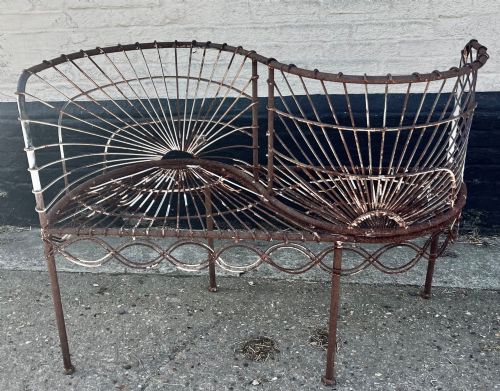
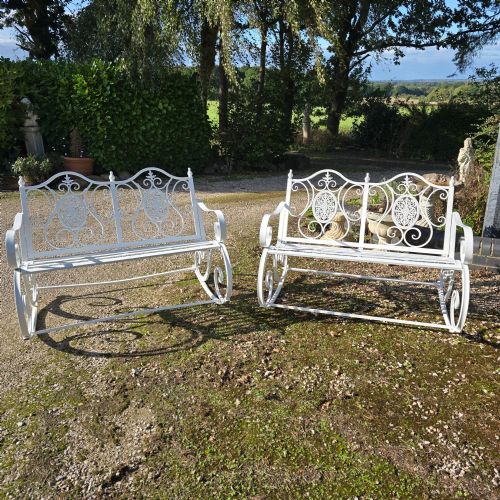
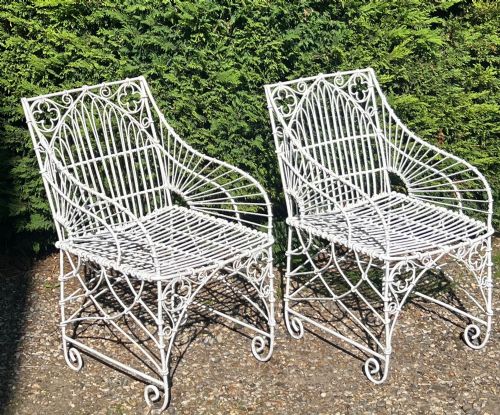
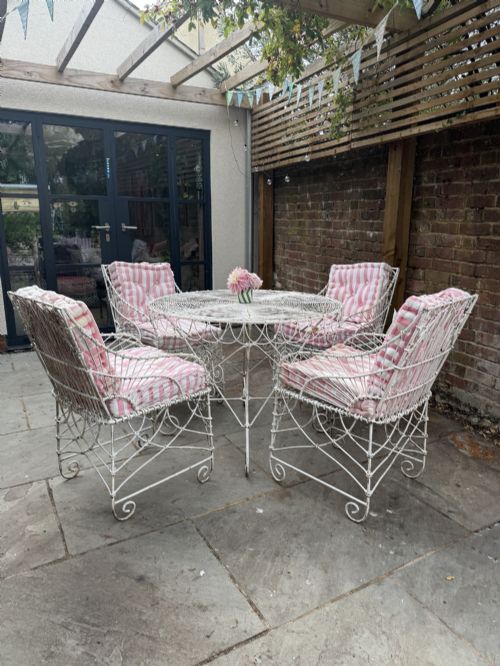
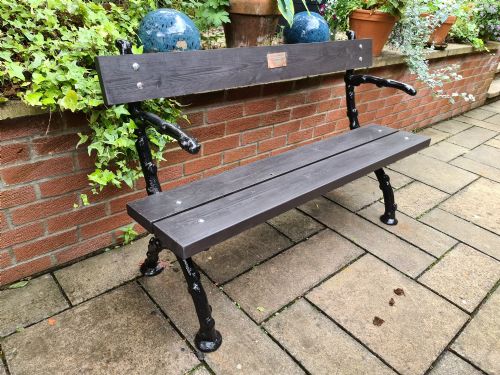
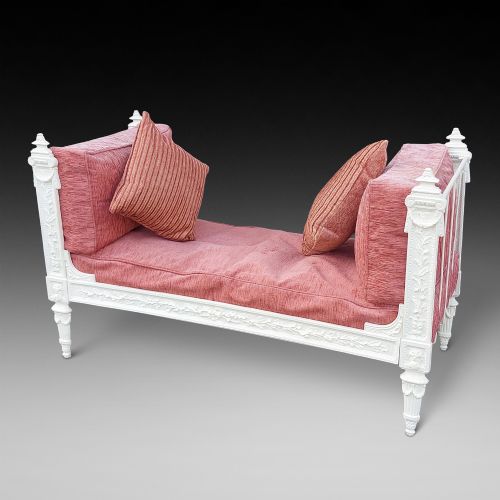
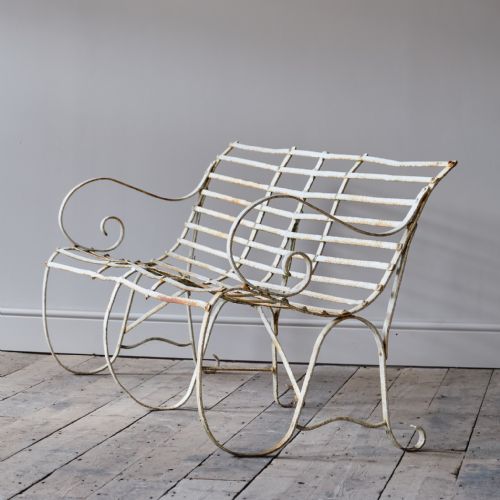
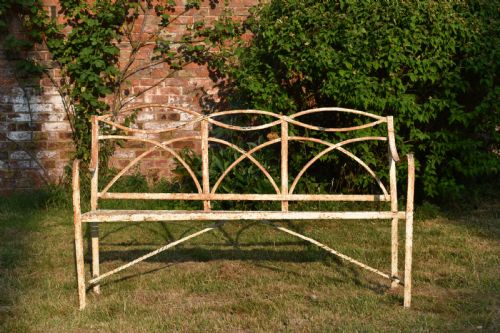
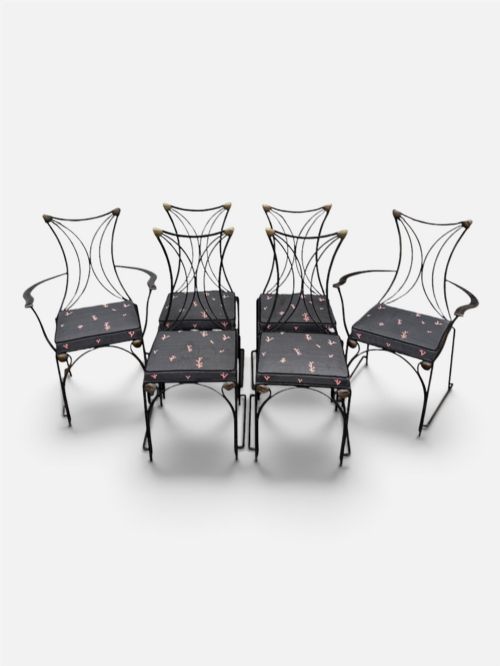
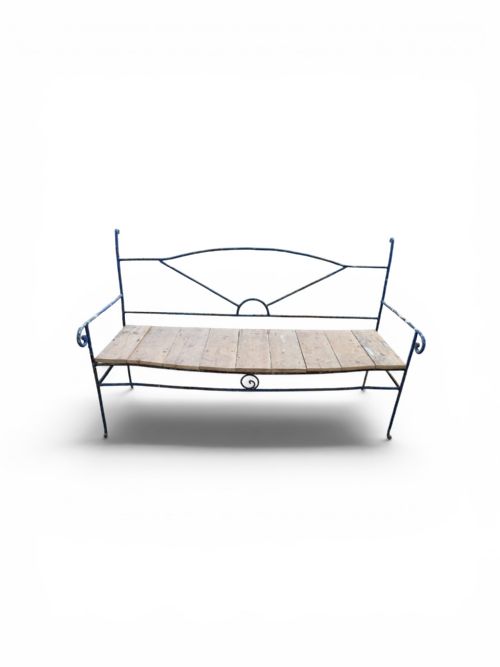
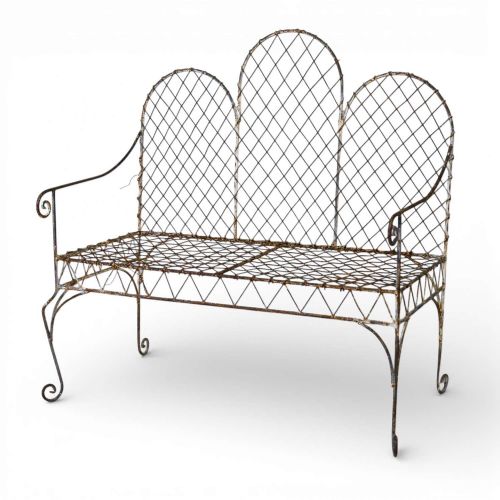
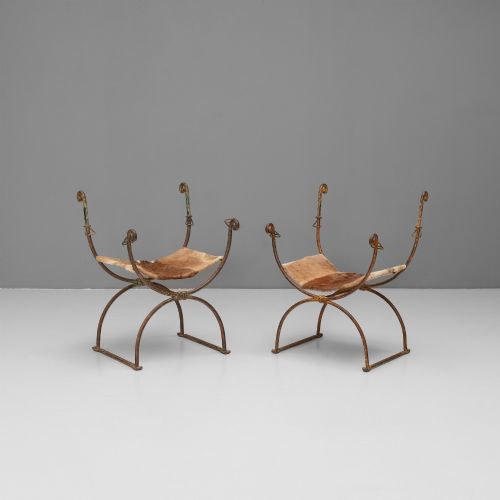
You find pieces spanning diverse forms including garden benches, bar stools, rocking benches, daybeds and armchairs originating from English and French workshops. The most common survivals are cast iron garden seats and steel-framed industrial stools built for heavy daily use.
Materials and construction methods
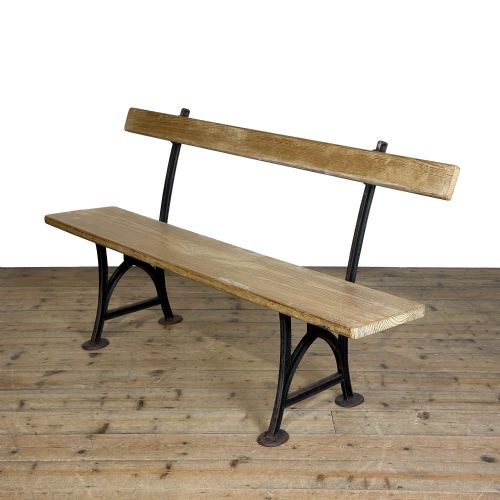
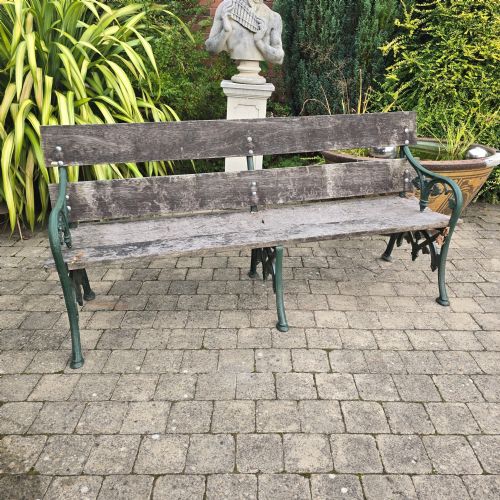
Foundries utilised cast iron and wrought iron for sturdy garden benches and structural bases, pouring molten metal into intricate moulds or forging bars by hand. Many pieces combine these heavy metal frames with timber slats, leather or fabric upholstery, and brass detailing.
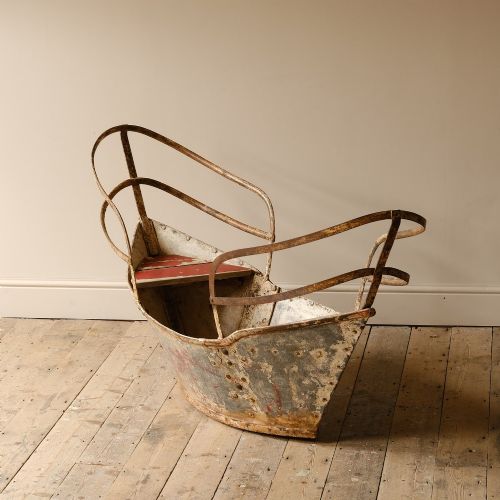
Industrial items incorporate riveted steel, exposed gear cogs and pivoting mechanisms designed for endurance in workshops and factories. Protective layers of paint applied over decades often survive in layers, showing the working history of each piece.
Vintage Metal Seating Retail Price Guide 2026
Typical asking prices for vintage metal seating among the pieces listed under this phrase on Sellingantiques today, from the lower quarter to the upper quarter. They describe what is for sale here now, not the wider market.
Object types range from garden benches and dining sets to industrial workshop stools, bar chairs, daybeds and sculptural figures.
Judging quality in metal furniture
Quality rests in the crispness of the casting detail, the weight of the metal and the integrity of the original construction rather than generic age alone. Ornate foundry work featuring sharp fern patterns, animal masks or gothic tracery separates superior garden benches from plain utilitarian counterparts.
The sophistication of the mechanism on industrial stools and the subtlety of hand-forged strapwork on Regency benches dictate the upper tier of the range. Original surfaces with honest patination hold greater appeal than heavy over-restoration that obscures the metal texture.
Blackstone and Co·Christopher Dresser·Coalbrookdale·Rubery Owen·Evertaut
The Vintage Metal Seating Glossary
- Cast iron
- Iron melted and poured into a mould to create rigid, highly detailed forms such as garden bench ends and decorative panels. This material offers immense compressive strength but remains brittle under sudden sharp impacts.
- Wrought iron
- Iron heated and hammered into shape by hand, resulting in fibrous, tough metal typically utilised for strapwork benches and curved frames. It bends rather than snaps when subjected to heavy stress.
- Strapwork
- Flat metal bands interlaced or riveted in geometric patterns, frequently seen on Regency and nineteenth-century garden seats. This technique provides geometric rigidity while keeping the furniture visually light.
- Faux bois
- Imitation wood grain rendered in cast iron or concrete, popular during the Victorian period for garden benches and rustic seating. It combined the organic look of timber with the permanence of metal.
- Riveted
- Joined using metal pins hammered flat at the ends, common in industrial bar stools and workshop seating before modern welding took over. This method creates strong, visible joints that define the industrial aesthetic.
Vintage Metal Seating: Frequently Asked Questions
How do I care for iron garden furniture?
Keep outdoor metal seating clean by washing away dirt and debris regularly with mild soapy water. Inspect the surfaces annually for signs of moisture breaking through the protective paint layer.
Apply a suitable exterior metal paint or wax where necessary to prevent rust development during damp winter months. Store delicate pieces indoors or under protective covers during severe weather.
Were industrial stools used in homes?
Original industrial stools and workshop chairs were built strictly for factories, drafting offices and assembly lines. Their robust steel frames and adjustable mechanisms prioritised function and durability above domestic comfort.
Today, buyers repurpose these pieces as kitchen bar stools or desk seating to introduce an industrial aesthetic into modern interiors. Their compact footprints and sturdy construction suit contemporary casual dining spaces.
Can heavy cast iron benches stay outside year-round?
Heavy cast iron and wrought iron garden seats are designed to withstand outdoor environments through all four seasons. Their substantial weight prevents them from blowing over in high winds.
However, prolonged exposure to moisture can eventually encourage surface oxidation, particularly where paint has chipped. Elevating the feet slightly off damp grass helps preserve the bottom of the legs.