





Vintage Metal Pocket Box
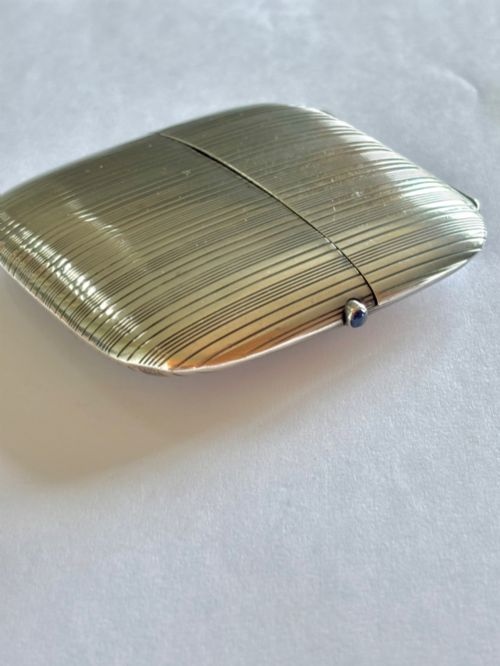
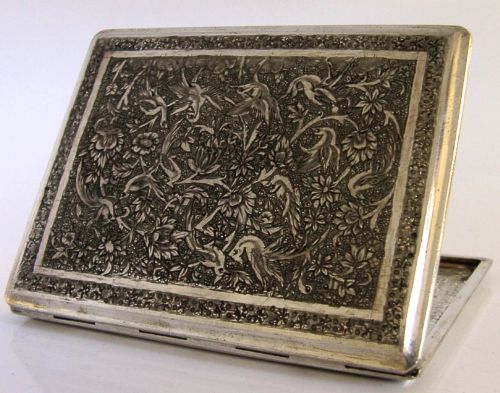
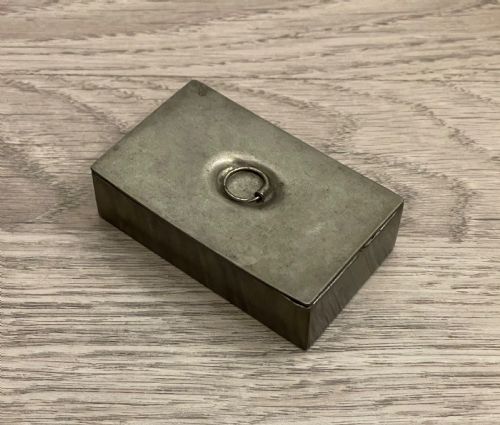
These vintage metal pocket boxes are small portable containers in brass, silver, and tinplate, prized for carrying tobacco, snuff, and matches.
Vintage Metal Pocket Box
A vintage metal pocket box covers a diverse range of portable containers spanning the Georgian, Victorian, and Edwardian eras down to the Art Deco period. Buyers searching this phrase encounter practical small items intended for daily personal use on the move.
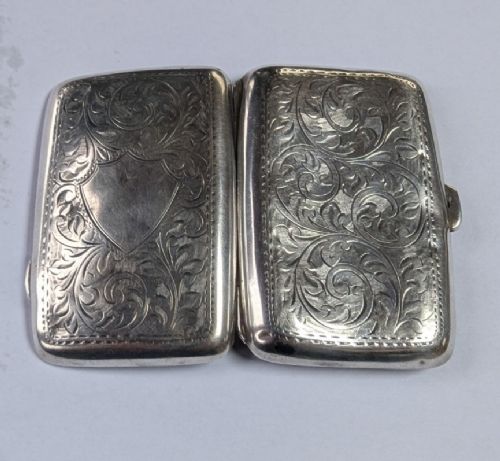
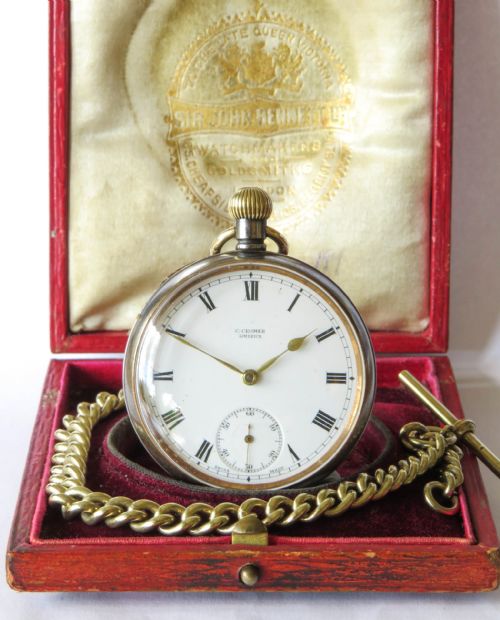
The objects take many forms, including snuff boxes, cigarette cases, vesta cases, nutmeg graters, and pocket watches housed in metal cases. Most examples date from the nineteenth and early twentieth centuries, reflecting the personal habits of past eras.
Origins vary across British, Dutch, Ottoman, and Indian workshops, showing how metalworking traditions spread globally. Brass and silver predominate, often accompanied by copper, gunmetal, tinplate, and enamel details.
Materials and construction
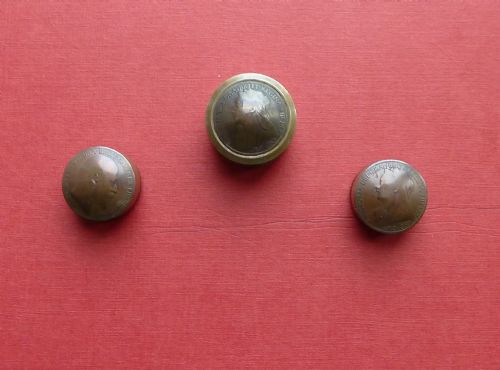
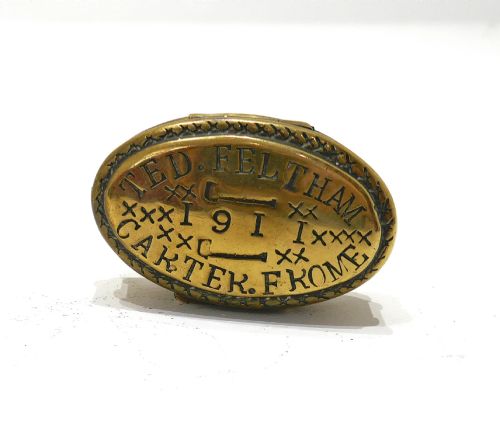
Makers utilised metals such as sterling silver, brass, gunmetal, and tinplate, shaping them through casting, stamping, and engraving. Many surfaces carry hand-engraved inscriptions, names, or portraits, such as the nickel-plated brass match box featuring a Joseph Chamberlain portrait face.
Construction techniques range from simple folded tinplate on early nineteenth-century tobacco tins to hinged silver cigarette cases and specialised travel thermometers housed in leather cases. Metal alloys like gunmetal and bronze appear in functional pocket watches and scientific instruments.
Vintage Metal Pocket Box Retail Price Guide 2026
Typical asking prices for vintage metal pocket box among the pieces listed under this phrase on Sellingantiques today, from the lower quarter to the upper quarter. They describe what is for sale here now, not the wider market.
Listings feature 19th Century, Victorian, Edwardian, and Art Deco periods in brass, silver, copper, and tinplate.
Quality and execution
Quality in a vintage metal pocket box rests on the crispness of the engraving, the integrity of the hinges, and the selection of the base metal. Solid silver and heavy brass examples demonstrate superior durability compared to thinner plated items.
The presence of named makers, dated inscriptions, or specific provenance adds distinction to individual pieces. Simpler painted tinplate items rely on the preservation of their original surface decoration rather than precious metal weight.
The Vintage Metal Pocket Box Glossary
- Vesta case
- A small pocket box designed to hold wax matches, usually fitted with a striking surface on the base. These cases became essential accessories during the nineteenth century.
- Snuff box
- A small hinged container used to hold ground tobacco for nasal ingestion. They are frequently fashioned from silver, brass, or tortoiseshell.
- Tinplate
- Thin sheet iron or steel coated with tin to prevent corrosion. This material was widely used for utilitarian pocket boxes and tobacco tins during the nineteenth century.
- Gunmetal
- A type of bronze composed of copper, tin, and zinc. It gained popularity for durable items such as pocket watch cases.
- Nutmeg grater
- A miniature culinary pocket device used to grate spice at the table. Georgian examples often take compact cylindrical or oval forms.
Vintage Metal Pocket Box: Frequently Asked Questions
What were pocket boxes used for?
These containers served practical daily functions for carrying personal commodities such as snuff, loose tobacco, cigars, and matches.
People kept them in waistcoats and pockets for easy access throughout the day.
How do I date a metal pocket box?
Dating relies on assay marks, stylistic clues, and engraved dates or names on the metal surface.
Victorian and Georgian pieces show distinct decorative motifs that help identify their period of origin.
Are these boxes made of solid silver?
Some pieces are fashioned from sterling silver or solid silver, while others use silver plating over base metals like brass.
Listings specify the material to distinguish solid precious metal items from plated versions.
How should I clean a vintage metal box?
Gentle dusting with a soft cloth preserves the historic patina on brass, silver, and gunmetal surfaces.
Aggressive polishing can remove engraved details and historic wear that collectors value.