
Vintage Metal Light Fixture
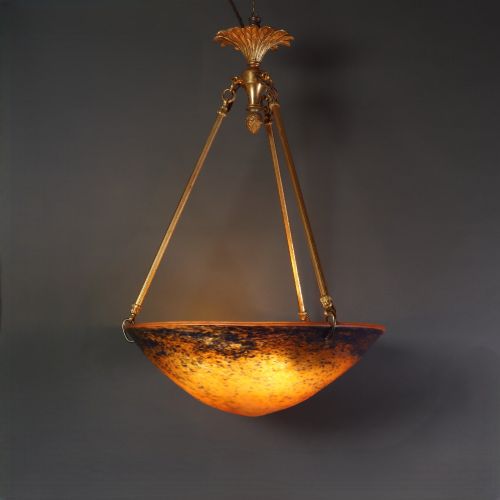
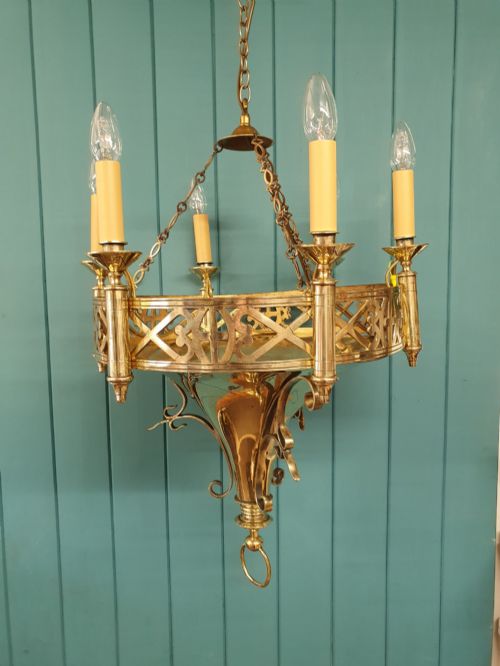
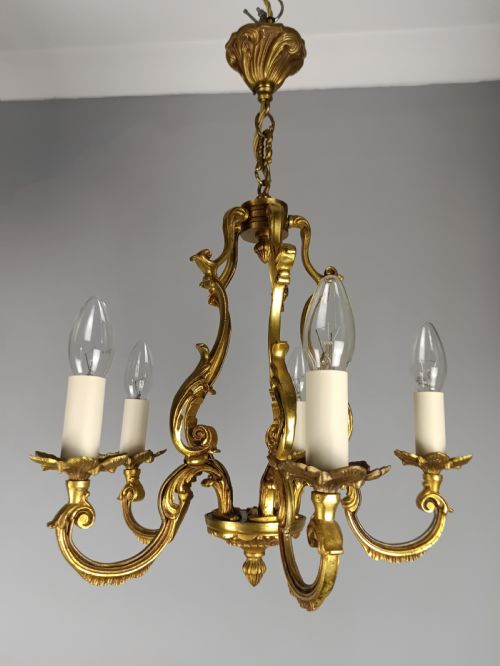
A vintage metal light fixture brings illumination and character to a room, spanning styles from French chateau chandeliers to art deco pendants.
Vintage Metal Light Fixture
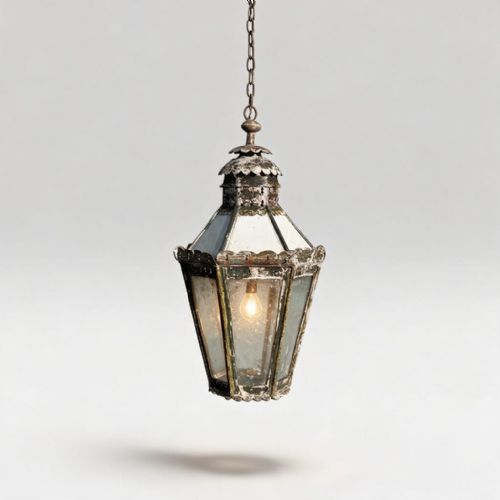
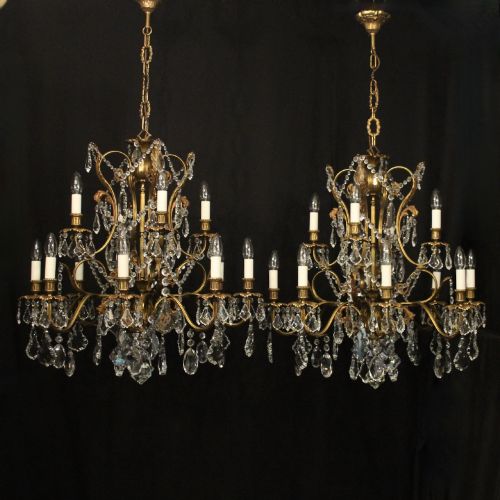
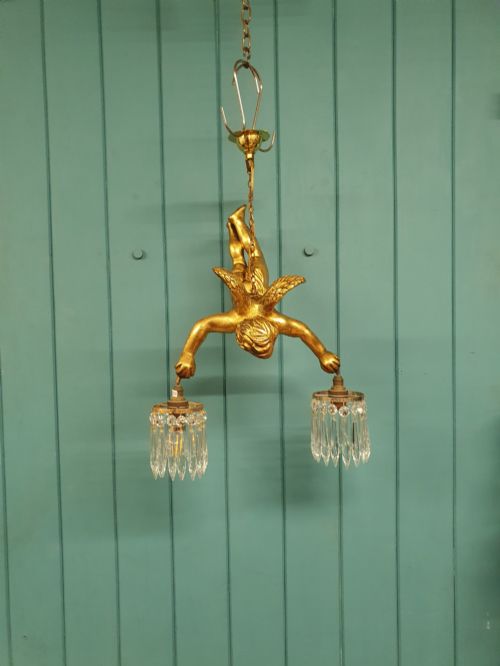
A vintage metal light fixture encompasses a diverse array of hanging, ceiling, and wall-mounted pieces designed to illuminate interior spaces. When exploring this selection, buyers encounter everything from grand multi-armed chandeliers to modest wall sconces and pendant lamps.
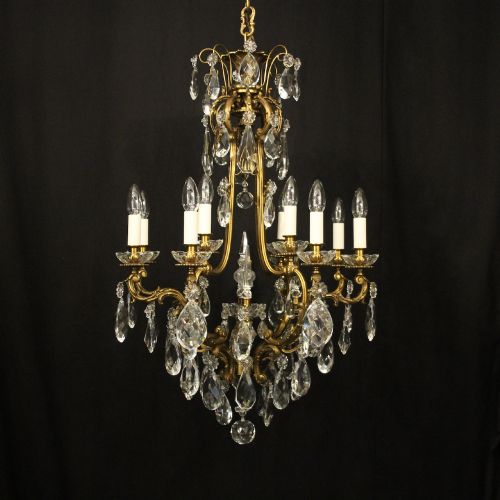
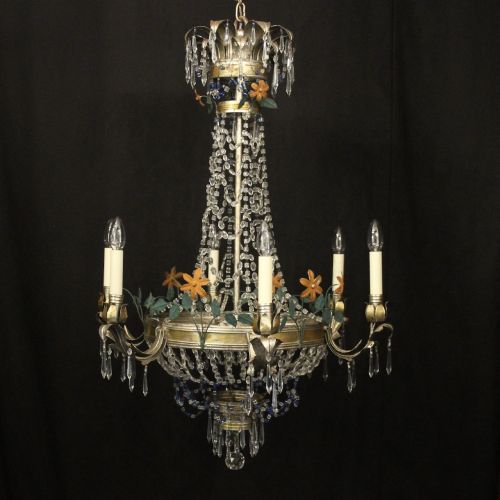
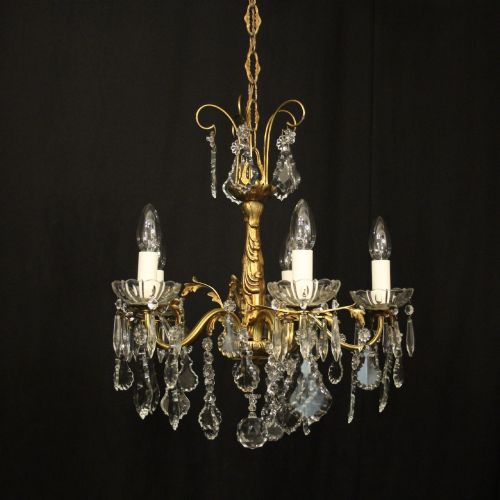
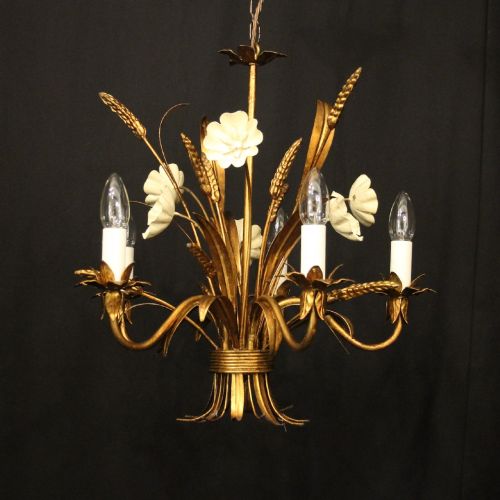
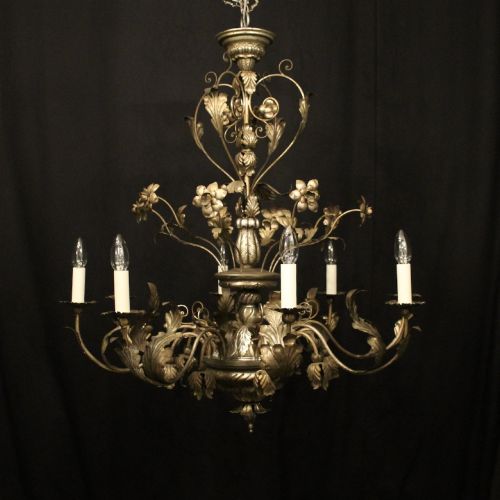
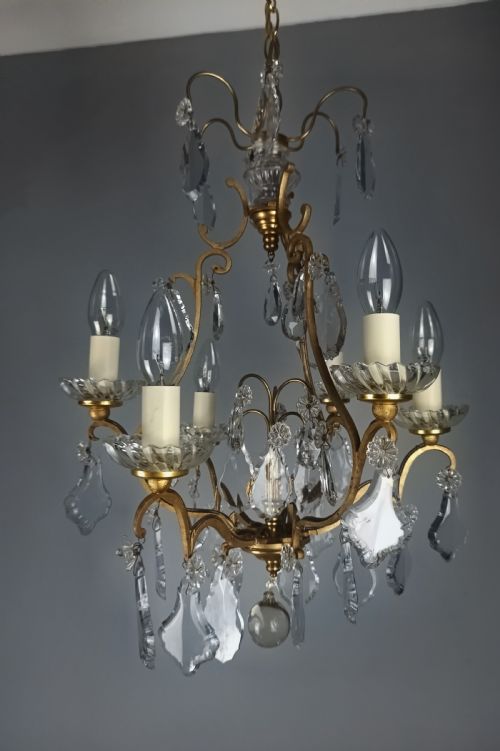
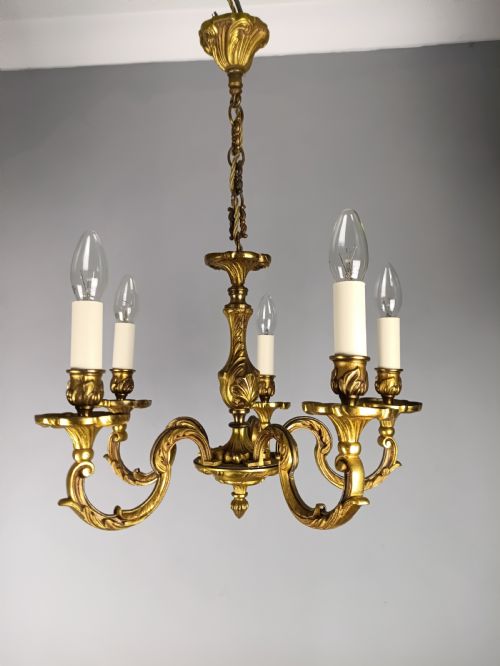
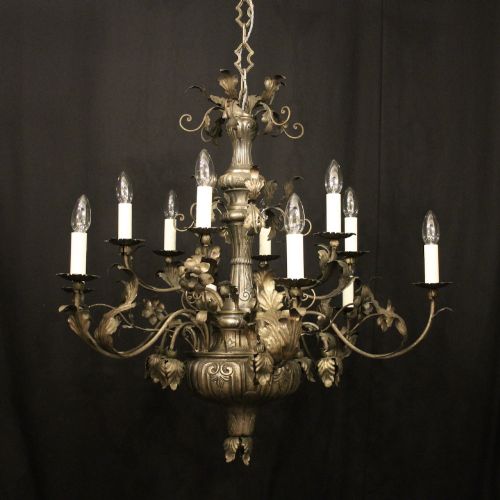
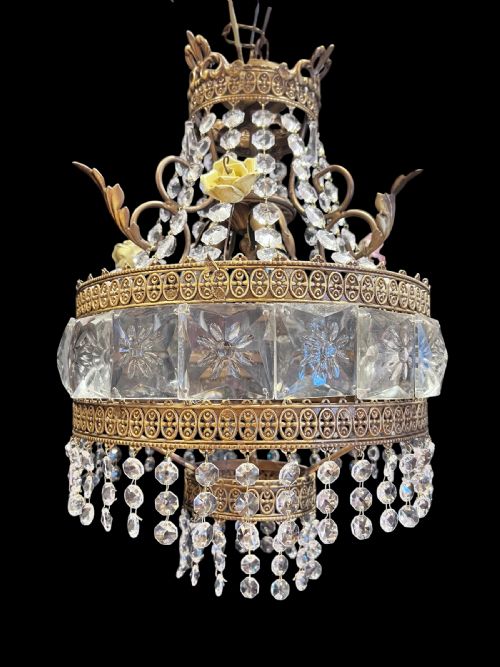
The objects originate from varied periods including the nineteenth century, Edwardian era, and through the early decades of the twentieth century. French and Italian designs dominate the forms, particularly gilded birdcage chandeliers, ornate wall lights, and toleware fixtures adorned with floral ceramics and crystal drops.
How they were made
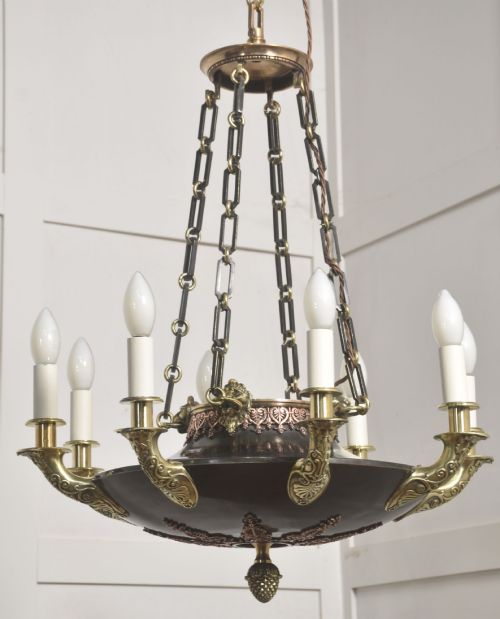
Makers utilised a range of metals including brass, bronze, copper, gilt metal, and toleware to construct the foundational frames and branches of these fixtures. Casting, forging, and gilding techniques shaped the heavy metal elements into complex scrollwork, leafy motifs, and architectural lanterns.
Glass and crystal elements were integrated extensively, ranging from cut glass spikes and amber teardrops to opalescent glass shades and crystal beads. Delicate ceramic flowers and porcelain details were frequently added to painted toleware and metal branches to introduce colour and texture.
Wiring and electrification methods reflect the period of production, with many early twentieth-century examples having been subsequently rewired for modern use. The combination of structural metalwork with reflective crystal and glass components maximised the distribution of light.
Materials documented across the listings include bronze, brass, copper, gilt metal, toleware, crystal, and opalescent glass.
What varies in quality
The standard of a fixture rests upon the depth of the metalwork, the clarity of the crystal components, and the finesse of the surface gilding. Heavily cast bronze and hand-wrought copper display sharper sculptural details than lighter pressed metal alternatives.
Original surface treatments, such as genuine fire gilding or layered polychrome paint on toleware, separate superior examples from later repainted surfaces. The integration of high-grade cut crystals and porcelain flowers also distinguishes higher tier productions from simpler utility lighting.
The Vintage Metal Light Fixture Glossary
- Toleware
- Painted or lacquered sheet metal items, often decorated with floral designs and vibrant polychrome colours. This technique was widely used in French chandeliers and wall lights during the early twentieth century.
- Birdcage chandelier
- A metal frame chandelier shaped similarly to an open birdcage, typically draped in crystal crystals and chains. These fixtures are frequently associated with French designs from the interwar period.
- Ormolu
- Gilded bronze ornamentation applied to furniture and lighting fixtures, popular in classical revival styles. The finish provides a warm golden lustre that characterises nineteenth-century French wall sconces.
- Slip shade
- A type of glass lampshade held in place by the arms of a ceiling light or pendant without traditional screws. This form is a distinct feature of American art deco lighting design.
- Spelter
- A zinc alloy used as a less expensive substitute for bronze in decorative castings. It often received a bronze or gilt finish to mimic more costly metalwork.
Vintage Metal Light Fixture: Frequently Asked Questions
How do I choose the right size fixture?
Consider the scale of the room and the height of the ceiling before selecting a hanging light or chandelier. Multi-armed models with greater diameters suit larger spaces, while wall sconces provide balanced illumination in narrower areas.
Take note of the drop length specified in listings to ensure adequate clearance beneath the lowest point of the hanging fixture. Proportion remains the primary guide for integrating these pieces into existing interiors.
Are these vintage lights wired for modern use?
Many listings indicate that older pieces have been rewired or adapted for contemporary electrical standards. It is standard practice to have any antique or vintage fixture checked and installed by a qualified electrician.
Original lamp holders and wiring should be assessed upon acquisition to ensure safety and compatibility with current bulb types. Proper installation preserves both the fixture and the surrounding architectural elements.
How do I care for antique metal and glass?
Dust metal frames and glass components gently with a dry, soft cloth to prevent the accumulation of grime. Avoid harsh chemical cleaners that can strip original gilding, patinas, or painted finishes on toleware.
Crystal drops can be carefully wiped individually if removed, though routine maintenance requires only minimal intervention. Preserving the natural ageing of the metal ensures the historical character remains intact.