



Vintage Marine Lighting
These vintage marine lighting pieces bring authentic maritime history into a modern room through genuine brass, copper and nickel fixtures.
Vintage Marine Lighting
When you search for vintage marine lighting, you are looking at items designed for nautical use that now serve as interior fixtures. The selection here spans the nineteenth century through the mid-twentieth century, capturing utilitarian design from maritime contexts.
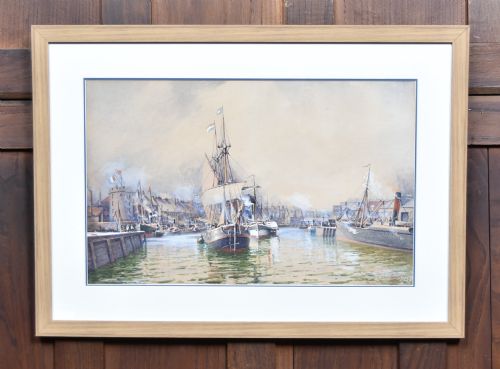
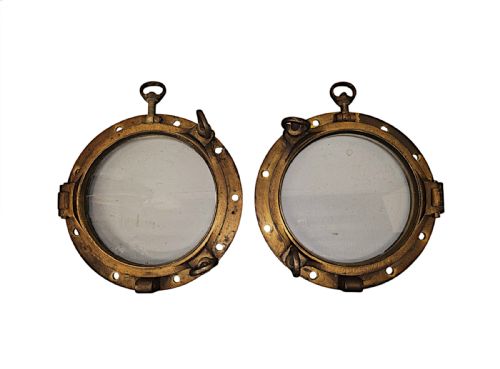
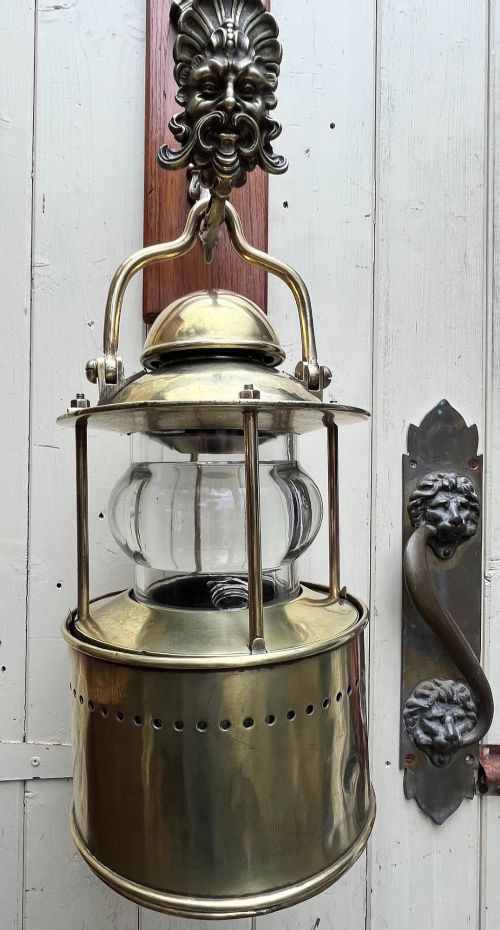
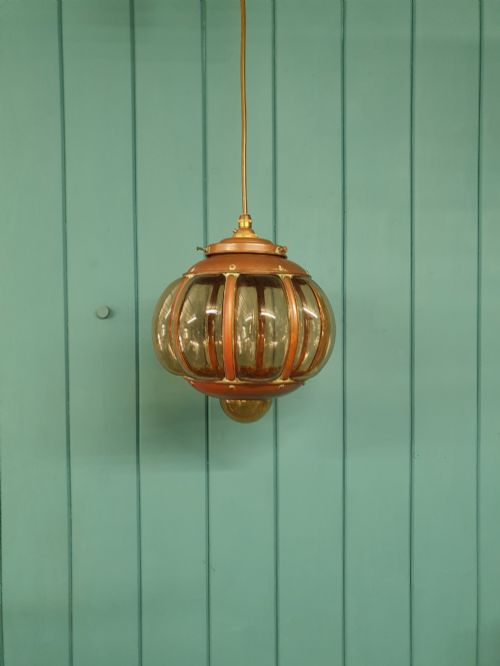
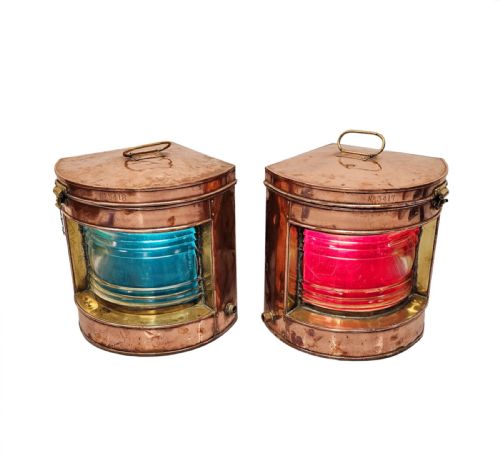
The pieces on this page include brass port holes, copper and smoked glass pendant lights, and various ship's gimbal lamps. Table lamps, wall lanterns, and architectural salvage complete the offerings alongside period watercolours depicting coastal scenes.
You will most frequently encounter brass and nickel plated ship's gimbal lamps originating from the Edwardian era and the nineteen-twenties. These functional objects were built to remain level at sea through weighted or ring-suspended bases.
Materials and construction methods
Makers built these pieces using durable metals such as brass, copper, and nickel plating over iron, paired with thick glass elements. These materials endured harsh maritime environments and sustained heavy daily use aboard vessels.
Gimbal mechanisms relied on pivoting rings to counteract the rolling of a ship, ensuring the flame or bulb remained upright. Surface finishes include black enamelled iron alongside polished or patinated brass and copper.
Vintage Marine Lighting Retail Price Guide 2026
Typical asking prices for vintage marine lighting among the pieces listed under this phrase on Sellingantiques today, from the lower quarter to the upper quarter. They describe what is for sale here now, not the wider market.
Object forms range from functional ship's gimbal lamps and port holes to framed watercolour paintings depicting coastal views.
Quality factors in nautical fixtures
Quality in these pieces rests upon the integrity of the original metalwork and the preservation of mechanical components like gimbals. Heavier gauge brass and thick, unblemished glass indicate superior original manufacture.
Signed examples by known makers command attention due to documented provenance. The depth of the metal patina and the survival of original plating also distinguish standard utility items from finer pieces.
William McGeoch & Co·Lionel Horsnell·William Lee Hankey·Edmund Gouldsmith
The Vintage Marine Lighting Glossary
- Gimbal lamp
- A lamp mounted on a pivoting ring system that keeps it level regardless of the motion of a ship. This mechanical arrangement ensured steady illumination in rough seas.
- Port hole
- A circular window set into the hull of a vessel to admit light and air. These heavy brass frames are repurposed as architectural salvage and decorative items.
- Pendant light
- A hanging light fixture suspended from the ceiling by a chain, cord, or metal rod. Nautical versions utilise robust metal cages and thick glass shades.
- Enamelled iron
- Iron coated with a fused glass layer to prevent rust and corrosion. This finish provided a durable, low-maintenance surface for naval equipment.
- Maritime
- Relating to the sea, shipping, and navigation. This style encompasses both functional shipboard hardware and coastal artwork.
Vintage Marine Lighting: Frequently Asked Questions
What is vintage marine lighting?
Vintage marine lighting comprises original fixtures and fittings salvaged from ships and boats, dating from the nineteenth century to the mid-twentieth century. These items include gimbal lamps, pendant lights, and wall lanterns.
Built for practical use at sea, these pieces utilise robust materials like brass, copper, and nickel plating designed to withstand salt water and constant motion.
How do gimbal lamps work?
A gimbal lamp uses a set of concentric pivoting rings that allow the lamp body to swing freely. Gravity keeps the light source balanced and upright while the surface below moves.
This clever mechanical design prevented oil lamps and early electric bulbs from tipping over during rough weather on the water.
Where should I place these lights?
These fixtures suit hallways, kitchens, and studies where their industrial metal finishes and utilitarian designs create a strong focal point. Pendant lights work well suspended over tables or work surfaces.
Wall lanterns and gimbal lamps mount securely to vertical surfaces, bringing authentic nautical character to compact spaces.
How do I identify the period?
Dating relies on material choices, manufacturing techniques, and maker marks stamped into the metal components. Edwardian and nineteen-twenties pieces often feature heavy nickel plating and distinct gimbal constructions.
Nineteenth-century examples tend to show heavier brass casting and simpler, purely mechanical adaptations for marine environments.