



Vintage Locket Necklace
A vintage locket necklace holds small portraits or keepsakes close to the heart, combining sentiment with the distinct decorative arts of the past.
Vintage Locket Necklace
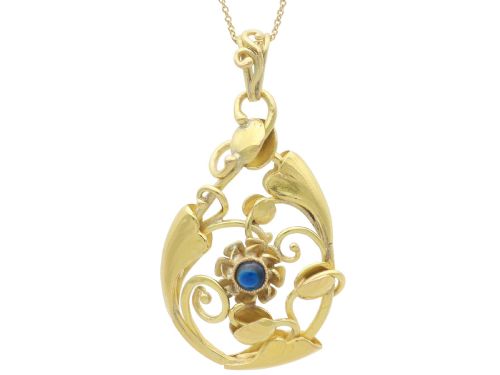
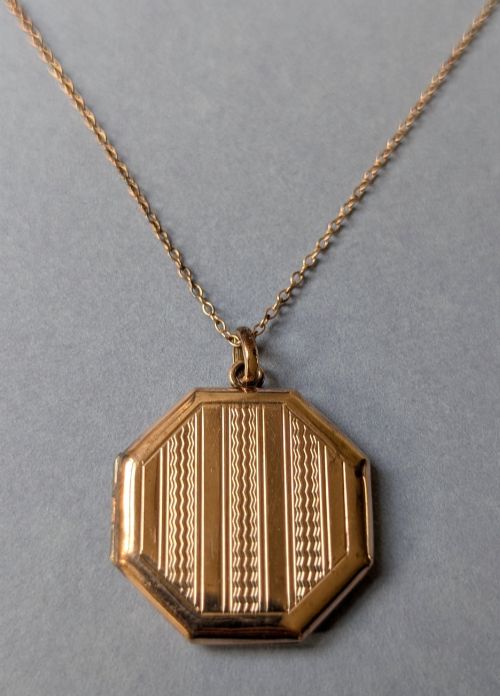
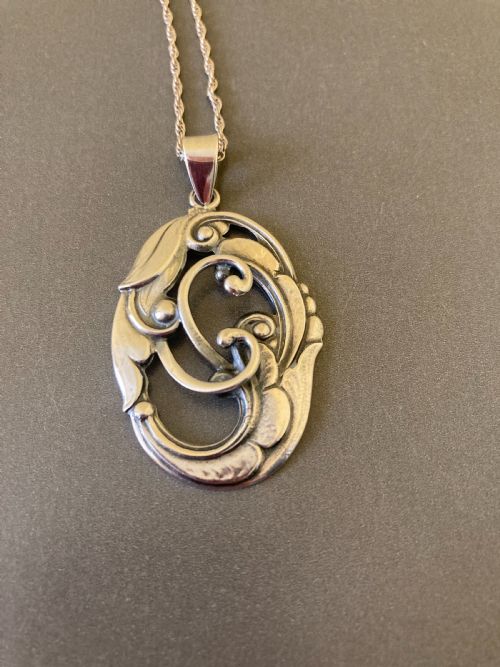
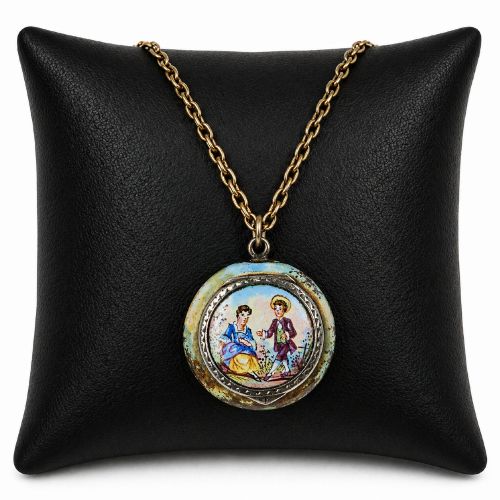
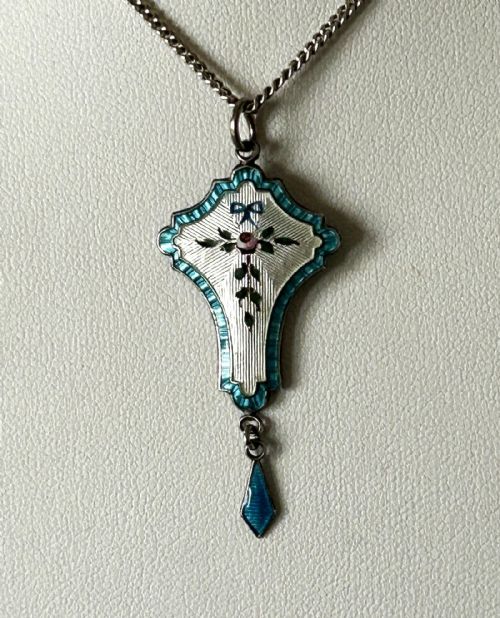
When searching for a vintage locket necklace, buyers encounter hinged metal pendants designed to open and reveal internal compartments for photographs or locks of hair. These pieces span the Victorian, Edwardian, and Art Deco eras, alongside mid-century interpretations.
Originating from British workshops, continental European makers, and Scandinavian silversmiths, these items reflect the distinct stylistic shifts from nineteenth-century romanticism through to modernist abstraction.
How they were made
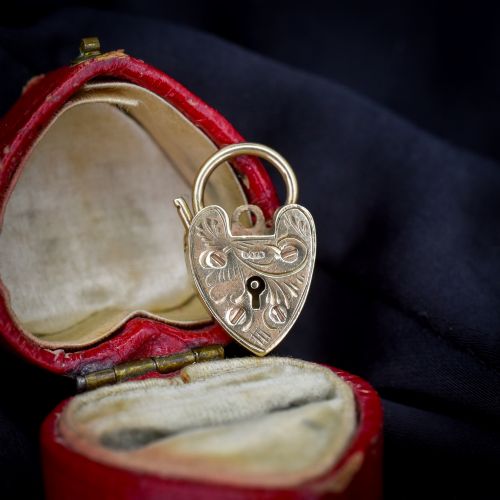
Goldsmiths and silversmiths utilised traditional techniques such as hand engraving, repoussé, and delicate filigree work to decorate the exterior metal surfaces. Metals include sterling silver, silver gilt, and various purities of yellow and rose gold.
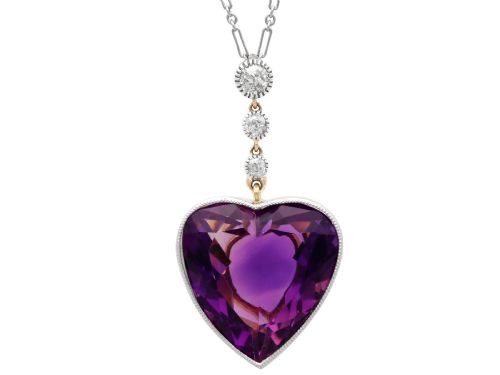
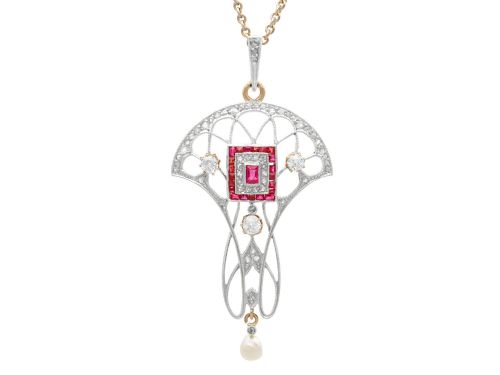
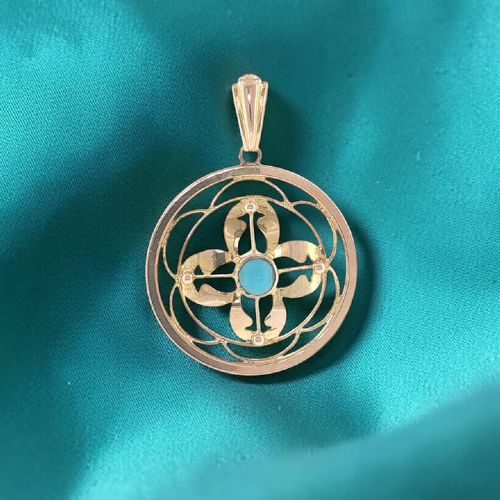
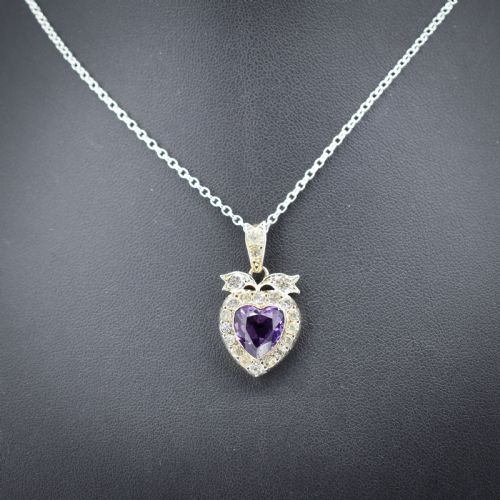
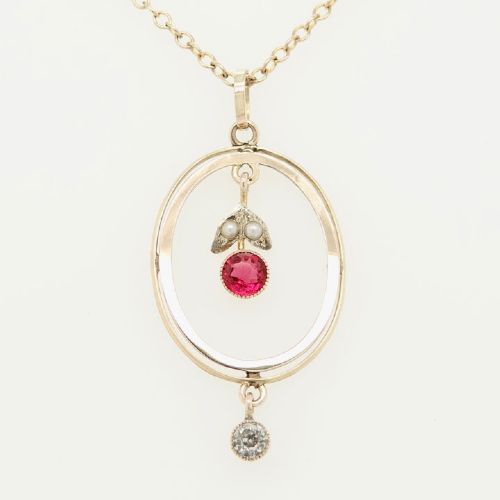
Gemstones like amethysts, turquoises, rubies, and seed pearls were flush-set or mounted in claw settings, while enamel and butterfly wings provided colourful decorative contrast.
Vintage Locket Necklace Retail Price Guide 2026
Typical asking prices for vintage locket necklace among the pieces listed under this phrase on Sellingantiques today, from the lower quarter to the upper quarter. They describe what is for sale here now, not the wider market.
The listings combine nineteenth-century Victorian designs with early twentieth-century Art Nouveau and Art Deco examples in silver and gold.
What varies in quality
Quality in these items is determined by the crispness of the hand-engraving, the weight of the precious metal used, and the structural integrity of the tiny hinges and snap-closures. Superior pieces retain tight, secure latches and clear hallmarks.
John Paul Cooper·Charles Horner·Levinger & Bissinger·Theodor Fahrner
The Vintage Locket Necklace Glossary
- Repoussé
- A metalworking technique where the artisan hammers the design from the reverse side to form a raised relief on the front. It creates tactile, three-dimensional motifs on silver and gold pendant surfaces.
- Seed pearl
- Very small, natural or cultured pearls often used in clusters or borders during the Victorian and Edwardian periods. They add a delicate, luminous white accent to gold and silver frames.
- Paste
- Hand-cut and polished glass designed to imitate gemstones in antique jewellery. High-quality paste stones display strong brilliance and were frequently used in fine silver and gold settings.
- Sølvskrin
- A Scandinavian term associated with early twentieth-century silver design, often linked to the minimalist or organic forms seen in Nordic metalwork.
Vintage Locket Necklace: Frequently Asked Questions
Can I put a modern photo inside?
Yes, modern photographs can be trimmed to fit the internal paper-thin metal frames or bezels found inside the hinged compartments. A sharp template or stencil cut from paper helps match the exact interior shape.
Original glass covers and tiny photographic inserts should be preserved if present, as they add historical context to the piece.
Are these necklaces supplied with original chains?
Some pieces retain their original matching metal chains, while others are paired with period-appropriate chains sourced separately. Hallmarks on the chain often match the metal purity of the pendant.
Checking the jump rings and clasp will help determine whether the chain and locket have been together since their initial manufacture.
How should I clean silver and gold lockets?
Precious metals benefit from gentle wiping with a soft, dry microfibre cloth to remove daily oils and dust. Harsh chemical dips should be avoided, particularly on pieces containing enamel, seed pearls, or foil-backed paste stones.
Stored in dry conditions away from direct sunlight, these necklaces maintain their original patina and secure closures for daily wear.