


Vintage Living Room Table
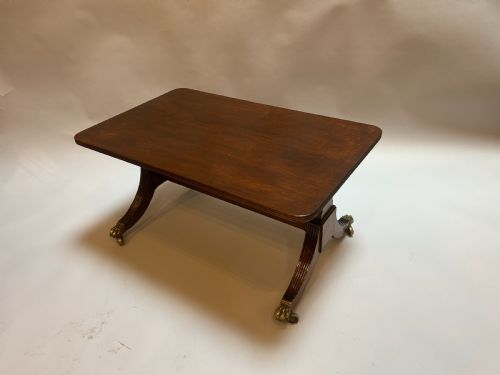
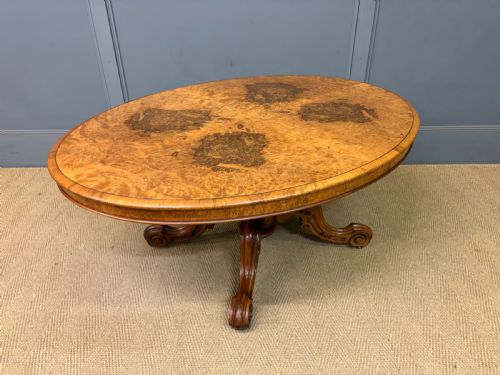
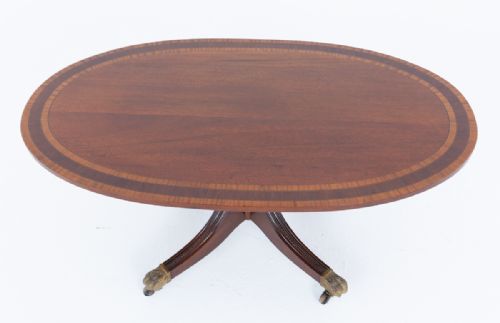
These vintage living room table pieces range from Edwardian occasional surfaces to Art Deco coffee tables, bringing period timber and proportion into daily use.
Vintage Living Room Table
When searching for a vintage living room table, buyers encounter coffee tables, nests of tables, and occasional tables spanning the Victorian, Edwardian, and Art Deco periods. These forms served sitting rooms across the nineteenth and twentieth centuries, adapting in scale from single occasional surfaces to interlocking nests.
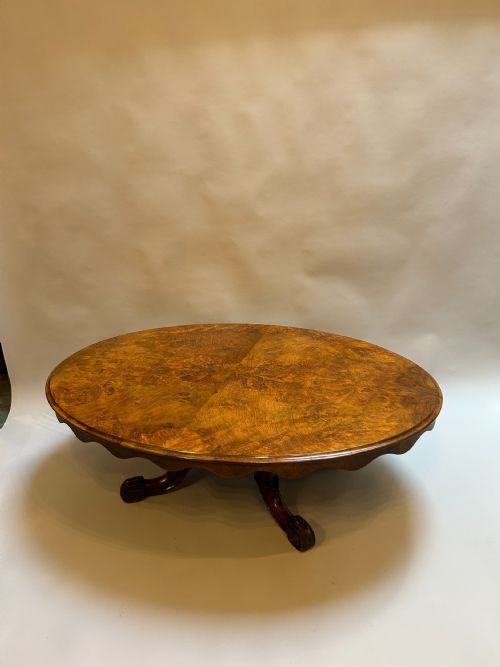
The selection on this page relies heavily on early twentieth-century designs, particularly coffee tables and nests from the 1920s and 1930s. Mahogany and burr walnut dominate these listings, appearing alongside oak, glass, and brass accents.
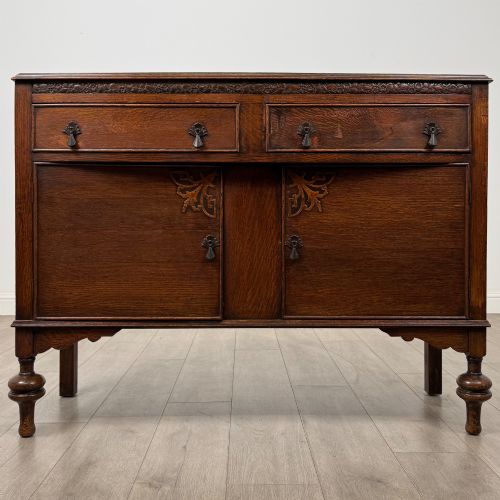
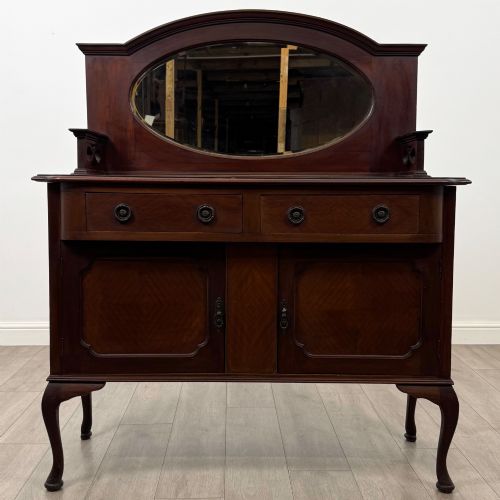
Period revivals such as Sheraton, Queen Anne, and Jacobean styles surface frequently alongside straightforward Edwardian and Art Deco constructions. Buyers will also find related living room furniture including sideboards and matching sets accompanying the primary tables.
Materials and construction
Cabinetmakers utilised solid timbers and decorative veneers, applying burr walnut and mahogany over secondary woods to create figured top surfaces. Inlaid details, raised relief, and lacquer work appear on specific Edwardian and Chinoiserie pieces.
Nests of tables required precise joinery to allow smaller surfaces to slide beneath larger ones without binding. Turned pedestals, shaped tops, and brass mounts provided structural support and decorative contrast across Victorian and Art Deco examples.
Assessing quality and finish
Quality rests in the selection of timber veneers and the crispness of carved or inlaid details. Finer examples display symmetrical burr walnut figures and tightly fitted joints on nests and pedestal bases.
The integrity of the polish and the stability of joints dictate longevity. Tables that retain their original surface patination without excessive modern intervention command greater respect from collectors.
Harry and Lou Epstein
The Vintage Living Room Table Glossary
- Burr walnut
- A highly figured timber harvested from walnut tree growths, prized for its swirling grain patterns. It was frequently sliced into veneers for tabletops during the Victorian and Art Deco periods.
- Nest of tables
- A set of graduated tables designed to fit neatly beneath one another to save space. They became popular in the Edwardian era for entertaining.
- Sutherland table
- A narrow drop-leaf table with hinged flaps supported by swing legs. Edwardian examples often feature inlaid mahogany construction.
- Occasional table
- A small, versatile stand used for lamps, books, or drinks. These pieces appear across Victorian and Edwardian periods in various timber species.
- Inlay
- A decorative technique where contrasting woods or materials are embedded into the primary surface. Sheraton Revival pieces often utilise this method.
Vintage Living Room Table: Frequently Asked Questions
How do I date a vintage coffee table?
Dating relies on timber choice, construction methods, and stylistic cues present in the legs and top. Victorian and Edwardian pieces often display heavier turned supports, whereas 1920s and 1930s designs favour streamlined Art Deco veneered surfaces.
Examining the underside and drawer linings, if present, reveals secondary woods and tool marks that help narrow down the decade of manufacture.
Are nest of tables practical for daily use?
Nests of tables offer exceptional versatility in modern living rooms, providing extra surface area when hosting guests and stowing away compactly afterward. Their lightweight construction allows them to move easily between seating areas.
Care should be taken with antique veneered tops, using coasters to protect the polish from heat and moisture.
What is the difference between Edwardian and Art Deco tables?
Edwardian tables frequently lean towards traditional revival styles, featuring mahogany, inlaid details, and turned or tapered legs. They reflect a continuation of refined nineteenth-century domestic tastes.
Art Deco tables embrace geometric forms, pedestal bases, and striking burr walnut veneers that highlight the natural grain of the wood without classical ornamentation.
How should I care for a walnut coffee table?
Maintenance involves dusting with a soft, dry cloth and avoiding placement near direct heat sources or strong sunlight that can dry out veneer. Applying traditional wax periodically helps nourish the timber and maintain the lustre of the finish.
Spills should be wiped away immediately to prevent moisture from penetrating the polish or lifting the underlying veneer.