





Vintage Literature
Vintage literature comprises antiquarian books, printed ephemera and decorative volumes from the eighteenth century onwards, offering buyers historic texts and period bindings.
Vintage Literature
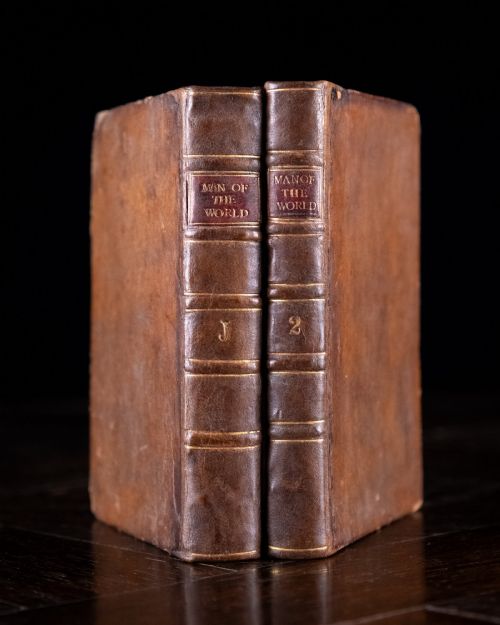
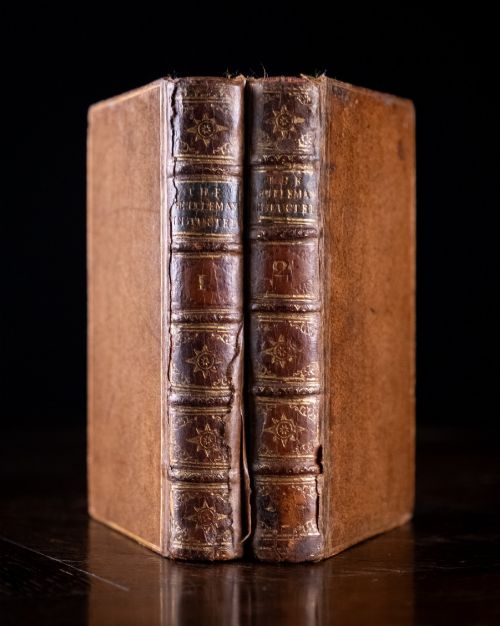
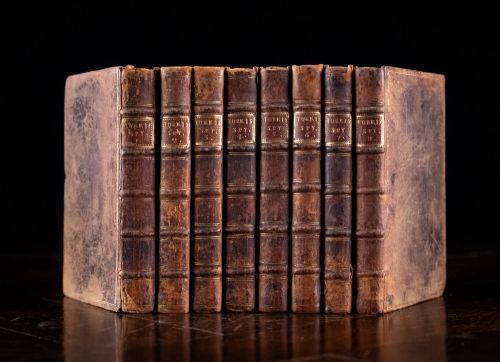
When buyers search for vintage literature, they encounter an array of antique books, multi-volume sets, broadsides and occasionally related decorative objects spanning several centuries. The most common forms on this page are nineteenth-century book sets, single antiquarian volumes and French editions.
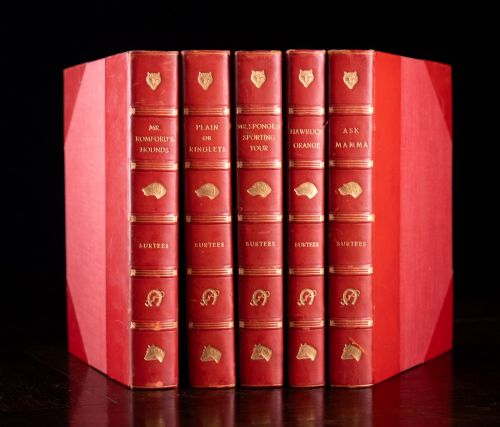
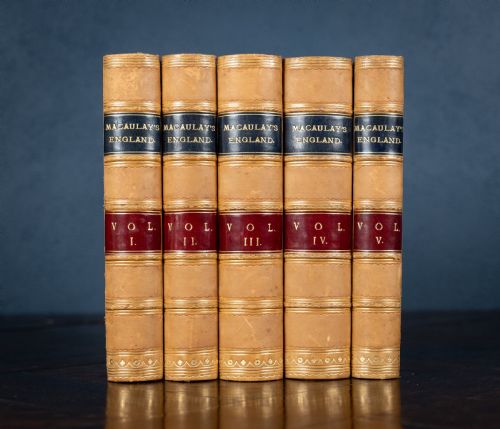
The selection ranges from eighteenth-century philosophical and epistolary texts to Victorian historical works, sporting novels and Edwardian literature. These pieces often arrive as uniform sets designed for display or study, reflecting the publishing tastes of the Georgian, Victorian and Edwardian eras.
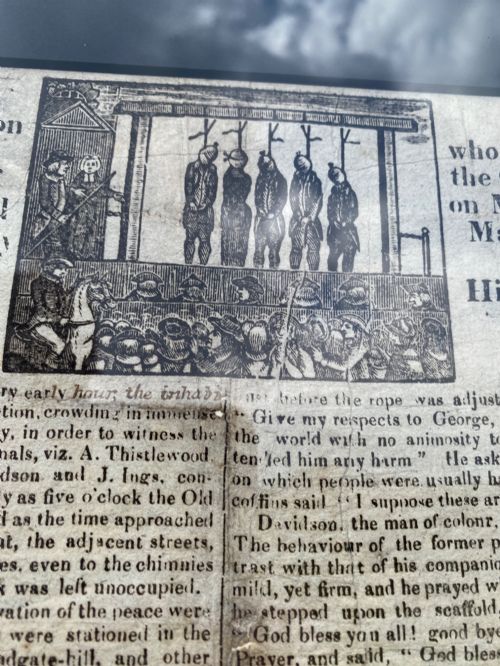
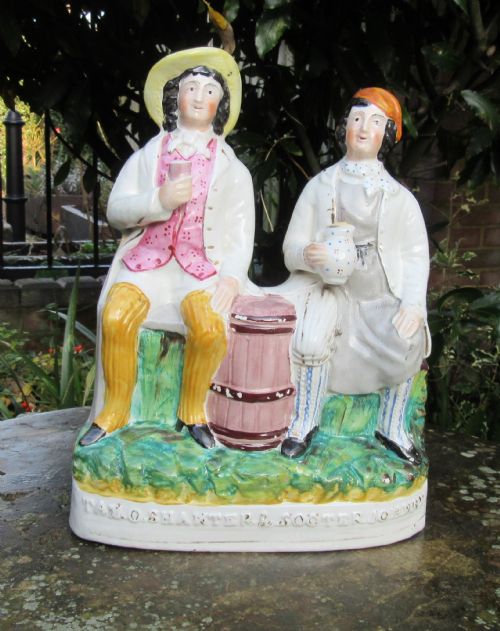
Alongside bound volumes, the category occasionally encompasses printed ephemera such as nineteenth-century broadsides and decorative containers shaped like books. This variety allows collectors to source both substantial library editions and individual period curiosities.
Materials and binding techniques
The physical construction of vintage literature relies primarily on paper, ink, and traditional binding materials such as leather, calfskin, cloth and vellum. Text blocks are printed on paper using early typographic methods, while covers utilise durable hides or woven cloth.
Many volumes feature decorative flourishes applied directly to the binding, including gold leaf and gilt tooling along the spine and boards. Rebound examples and uniform library sets demonstrate the craftsmanship of period binders who protected these texts for domestic display.
Vintage Literature Retail Price Guide 2026
Typical asking prices for vintage literature among the pieces listed under this phrase on Sellingantiques today, from the lower quarter to the upper quarter. They describe what is for sale here now, not the wider market.
Listings feature items spanning the eighteenth, nineteenth and twentieth centuries, predominantly utilising leather, paper and cloth materials.
Assessing quality in vintage literature
Quality in vintage literature is determined by the integrity of the binding, the uniformity of multi-volume sets and the preservation of original materials such as calfskin, vellum and gilt tooling. Finer examples maintain crisp typography, complete pagination and stable boards that withstand careful handling.
The presence of period illustrations, such as those by Gustave Doré, alongside contemporary publisher bindings and intact labels elevates the desirability of a set. Conversely, mismatched volumes or heavily degraded spines alter the character and historical cohesion of the pieces.
Huntley And Palmers·Sir Walter Scott·Gustave Dore·Thomas Babington Macaulay
The Vintage Literature Glossary
- Broadside
- A single sheet of paper printed on one side only, typically used for official announcements or accounts of public events such as executions.
- Calfskin
- A fine leather derived from the hide of a calf, frequently utilised for durable and supple book bindings during the eighteenth and nineteenth centuries.
- Vellum
- A prepared animal skin used as a writing surface or for book bindings, prized for its smooth texture and longevity.
- Ephemera
- Printed documents created for a specific, short-term purpose that survive as historical records, including broadsides and notices.
- Gilt
- A thin layer of gold or gold-like material applied to the edges of book pages or stamped onto leather bindings for decoration.
Vintage Literature: Frequently Asked Questions
How should I care for antique leather books?
Antique leather bindings require stable environmental conditions away from direct sunlight and excessive humidity to prevent the calfskin from drying out.
Handle the volumes gently by supporting the spine rather than pulling them from shelves by the headcap.
Are multi-volume book sets complete?
Book sets are catalogued with their specific volume counts noted in the description, ranging from two-book sets to extensive libraries.
Buyers should verify the volume numbers listed to ensure the set matches their collecting requirements.
What is the difference between Georgian and Victorian bindings?
Georgian bindings from the eighteenth century often feature distinct calfskin treatments, simpler lettering and different proportions compared to later Victorian productions.
Victorian and Edwardian sets frequently employ cloth bindings, ornate gilt stamping and uniform publisher designs.
Can I read vintage literature daily?
Most antique books can be read with care, though fragile bindings and delicate eighteenth-century paper require a gentle touch during use.
Many buyers choose to display uniform sets while using specific reading copies for daily engagement.