
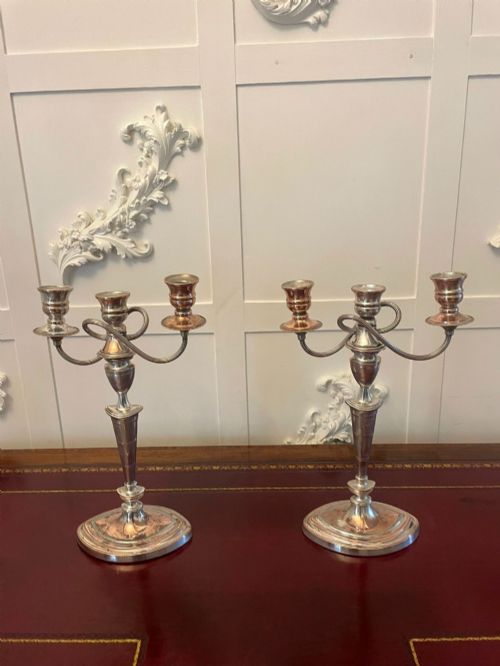
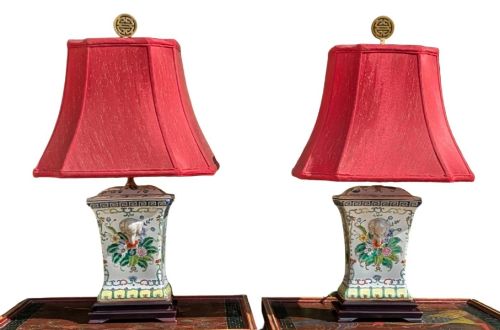
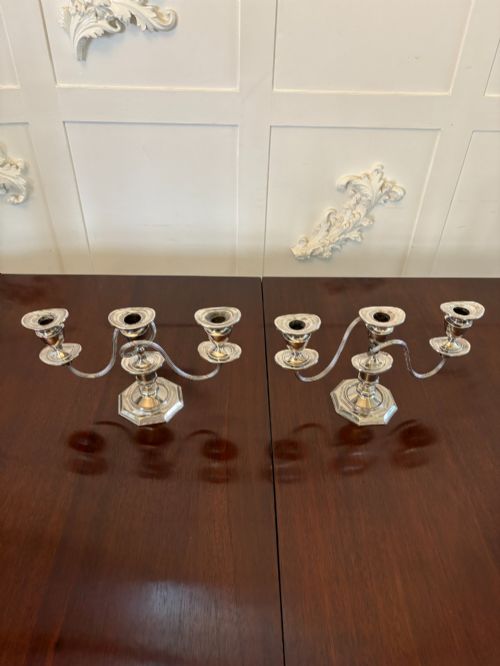
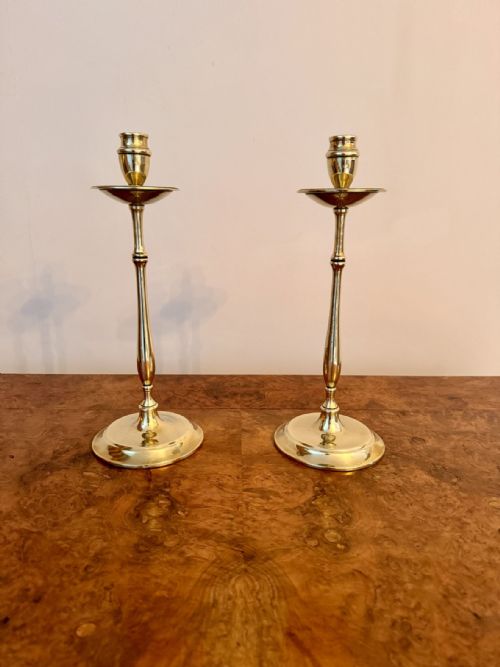
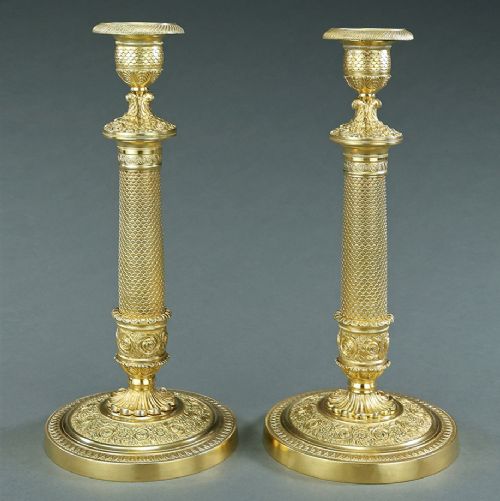
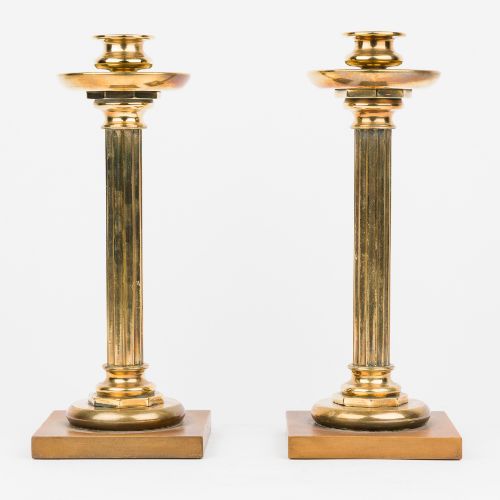
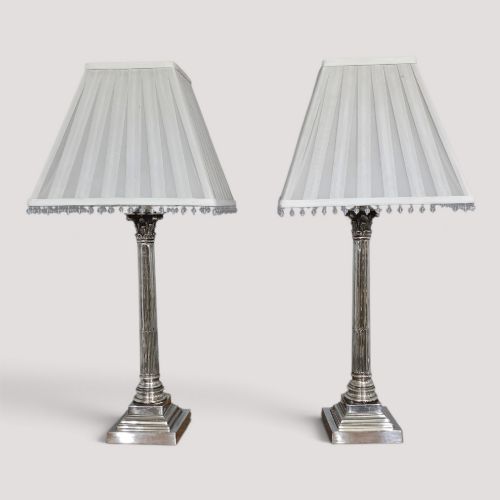
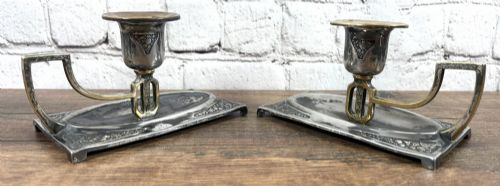
Vintage Lighting Pair
A vintage lighting pair brings symmetry and balance to a room, offering matched illumination through period brass, glass, and bronze forms.
Vintage Lighting Pair
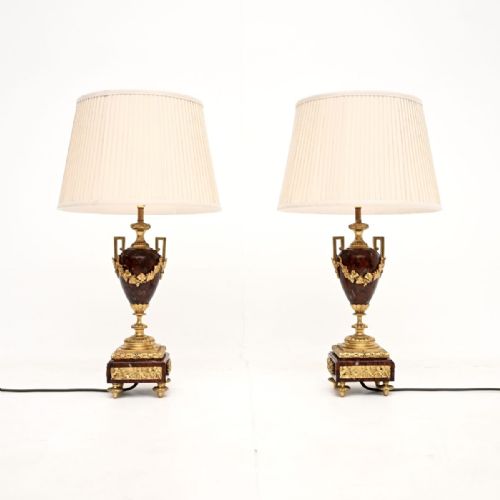
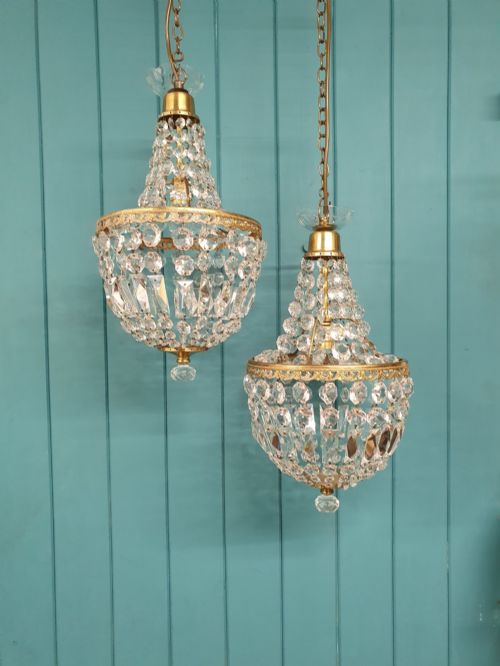
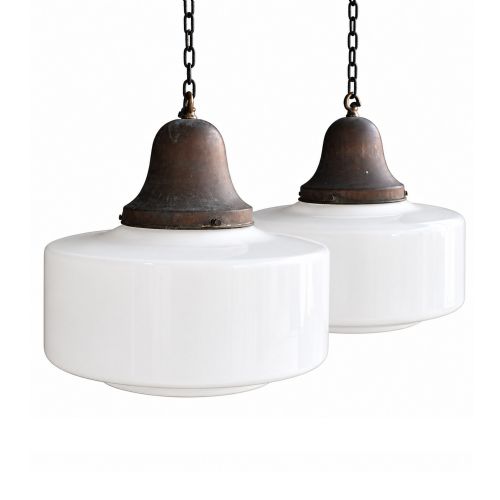
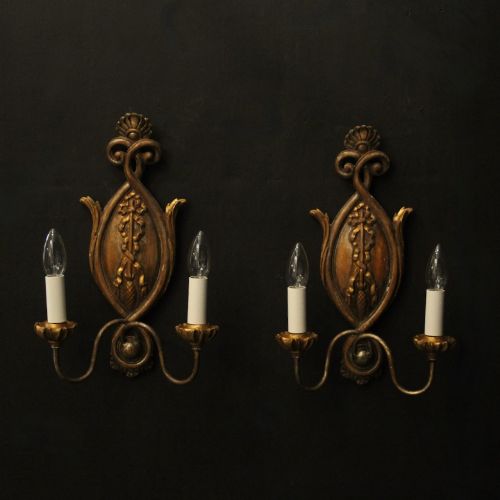
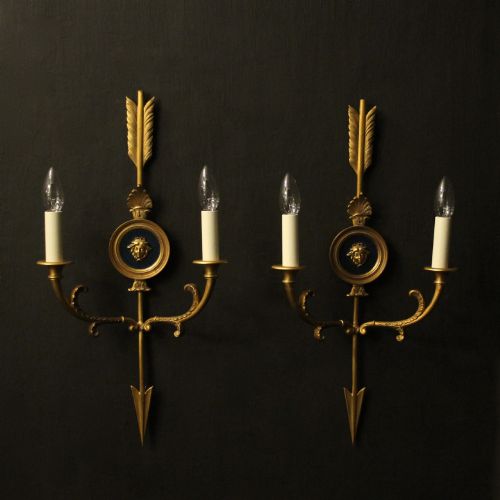
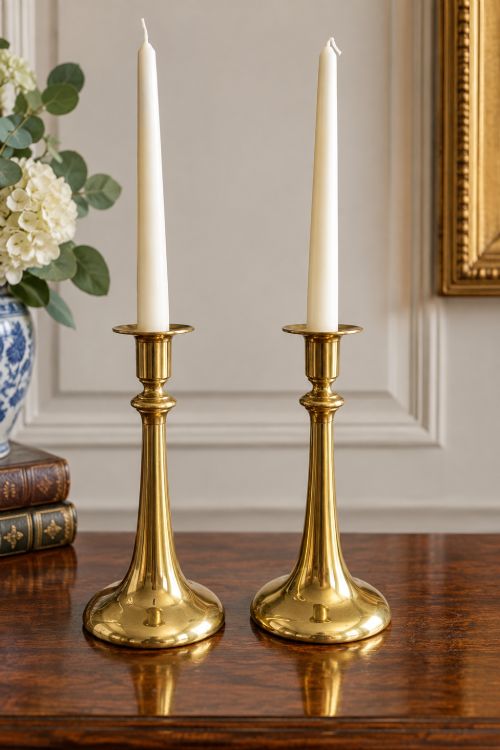
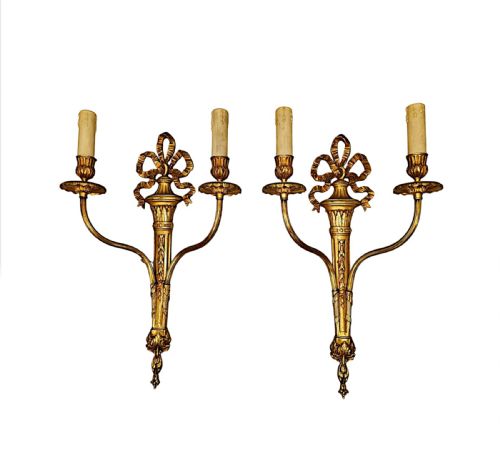
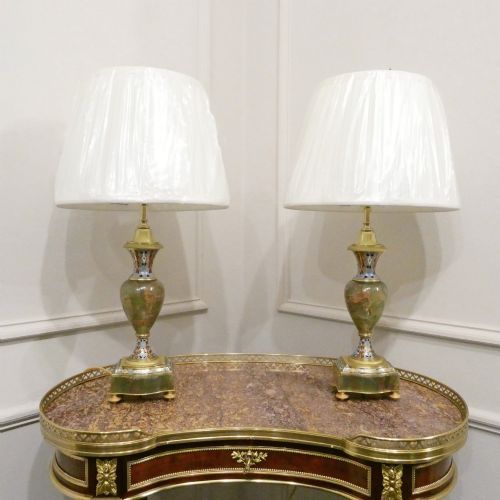
A vintage lighting pair consists of matched twin fixtures designed to illuminate a space with coordinated symmetry. When searching for a vintage lighting pair, buyers encounter table lamps, wall sconces, chandeliers, and candlesticks originating from various periods.
The selections span from nineteenth-century brass columns to nineteen-twenties French gilt-bronze wall lights and art deco chrome fittings. These matched items provide functional illumination while maintaining decorative harmony across interior schemes.
Many examples derive from continental workshops, displaying French neoclassical, empire, or florentine styles. Others reflect arts and crafts simplicity through wrought iron and copper construction.
How they were made
Metalworking forms the foundation of these pieces, utilising cast brass, bronze, copper, and silver plate shaped through founding and hand-finishing. Gilded surfaces often employ gold leaf applied to wood or metal substrates to achieve rich reflective qualities.
Glass components, including crystal drops and lamp shades, are mouth-blown or moulded to fit metal frames. Wooden elements like oak and satin birch undergo traditional joinery and polishing techniques suited to nineteenth and early twentieth-century cabinetmaking.
Wiring and electrical adaptations are integrated into earlier candlestick and oil lamp forms, converting traditional lighting methods for modern utility while preserving original patination.
Object types range from Corinthian column table lamps and girandoles to multi-arm chandeliers and standing terrier dog candlesticks.
What varies in quality
The refinement of cast detail separates superior examples from ordinary production, particularly in chased bronze, intricate brass Corinthian columns, and carved giltwood girandoles. Crisp execution of motifs like cherubs, ribbons, and rococo scrolls indicates skilled artisan work.
The integrity of the materials dictates longevity and visual weight, with heavy-gauge brass and genuine crystal outperforming plated base metals and pressed glass. Original matching patination across both items ensures that the pair retains a cohesive appearance over time.
Nymphenburg
The Vintage Lighting Pair Glossary
- Girandole
- A branched wall light fitted with a mirror to multiply the reflective effect of the candles or bulbs. These fixtures often feature carved giltwood frames in florentine styles.
- Champleve
- An enamelling technique where depressions are carved into a metal surface and filled with vitreous enamel before firing. This method appears on decorative nineteenth-century table lamp bases.
- Ormolu
- Finely ground high-carat gold applied to a bronze base using a mercury amalgamation process. It yields a rich golden surface found on neoclassical and empire hardware.
- Pricket
- A sharp metal spike in a candlestick or altar fitting designed to hold a candle in place. This form often appears on seventeenth-century style ecclesiastical pieces.
- Candelabra
- A multi-branched lighting fixture designed to hold several candles or bulbs simultaneously. These pieces range from classical brass designs to ornate silver-plated variants.
Vintage Lighting Pair: Frequently Asked Questions
How do I match vintage wall lights?
Selecting wall lights involves matching the metal finish, such as gilded brass or chrome, with the architectural style of the room. Consistency in the number of arms and the period aesthetic ensures visual balance across both fixtures.
Positioning them at equal heights flanking a mirror or doorway enhances the symmetrical impact characteristic of period interior design.
Were these lamps originally electric?
Most lighting fixtures originating from the nineteenth and early twentieth centuries were originally designed for candles, oil, or gas illumination. They were subsequently adapted for electricity during twentieth-century modernisations.
Conversion methods vary, but quality pieces retain their original metalwork, patination, and structural integrity while housing modern internal wiring.
How do I clean brass lighting pairs?
Cleaning antique brass requires gentle dusting with a soft cloth to preserve the accumulated patination built up over decades. Abrasive polishes should be avoided because they strip away historical surface finishes.
Light application of microcrystalline wax can protect exposed metal surfaces from further oxidation without altering the appearance of the piece.
What is the difference between a sconce and a lustre?
A wall sconce is a bracket fixture mounted directly to a vertical surface to project light outward into a room. Sconces frequently feature multiple arms holding candles or electric bulbs.
A lustre is an ornamental tabletop vase or stand hung with cut glass pendants designed to reflect ambient light rather than serve as a primary light source.