





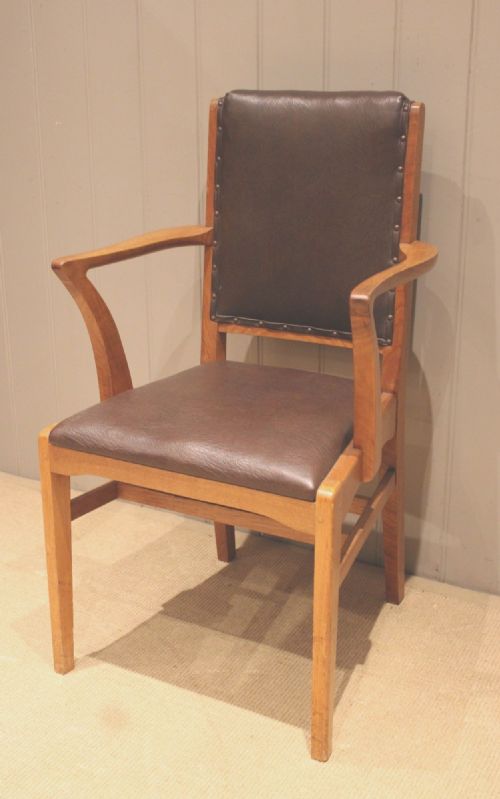

Vintage Leather Padded Chairs
These vintage leather padded chairs bring working comfort and period substance to a room, spanning forms from swivel desk seats to library armchairs.
Vintage Leather Padded Chairs
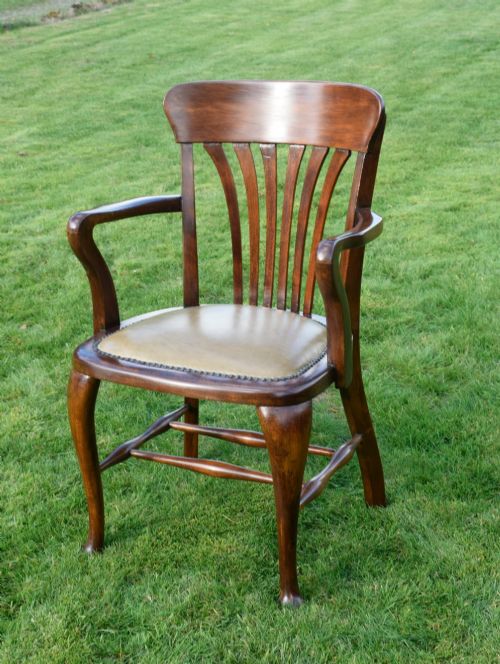
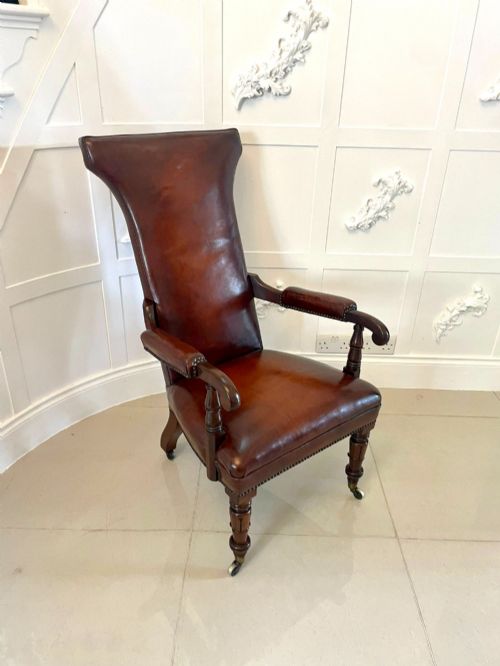
When you search for vintage leather padded chairs, you encounter seating designed for studies, dining rooms and libraries across several centuries. The selection ranges from Victorian walnut bow back desk arm chairs to 1920s mahogany desk arm chairs and Edwardian swivel variants.
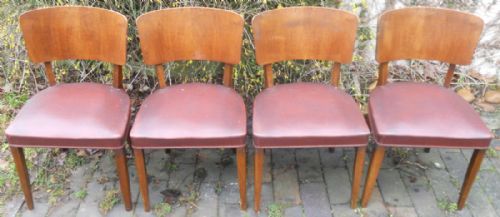
Makers and origins vary from institutional seating originating in the British Museum Reading Room to individual workshop productions. Buyers find everything from children's rocking chairs to sets of fourteen oak dining chairs.
How they were made
Construction relies heavily on durable hardwoods such as mahogany, oak, walnut and cane to provide a sturdy structural skeleton. Cabinetmakers shaped these timbers into carved walnut arm chairs, bentwood frames and framed rocking chairs.
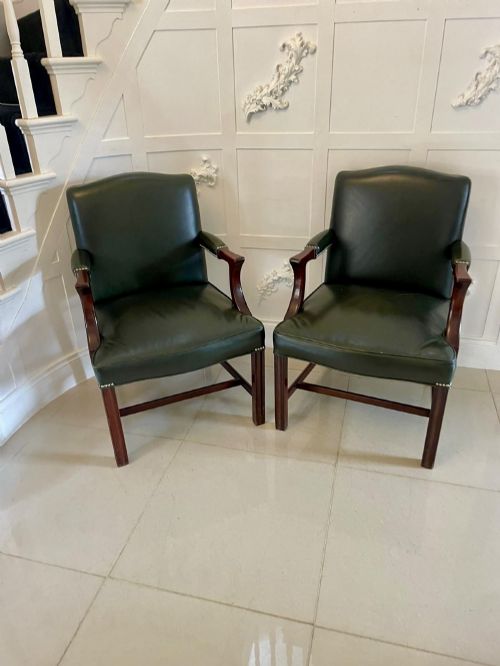
Upholstery involves padding secured with leather surfaces, complemented by functional hardware like brass fittings and iron mechanisms on swivel office armchairs. Caning and exposed wooden frames appear frequently alongside the leather padding.
Vintage Leather Padded Chairs Retail Price Guide 2026
Typical asking prices for vintage leather padded chairs among the pieces listed under this phrase on Sellingantiques today, from the lower quarter to the upper quarter. They describe what is for sale here now, not the wider market.
What varies in quality
The distinction between standard utility seating and exceptional examples lies in the depth of timber carving and the integration of specialised mechanisms. Swivel actions, complex bentwood shaping and substantial sets elevate certain pieces above single utilitarian side chairs.
Provenance and attribution to notable makers or specific historic institutions mark the upper echelon of these offerings. Material selection, such as golden oak or figured walnut paired with high-grade leather, defines the overall integrity of the construction.
Hille·Holland & Son's·Thonet
The Vintage Leather Padded Chairs Glossary
- Bergère
- An enclosed armchair with stuffed upholstery and wooden framing, often featuring cane panels. These chairs originated in France and appeared in various Regency and Edwardian revivals.
- Swivel desk chair
- A seating form designed for office use with a rotating mechanism beneath the seat. Examples often incorporate oak or mahogany frames with padded leather.
- Smokers bow
- A sturdy, low wooden armchair with a rounded back rail supported by turned spindles. These were traditionally used in smoking rooms, offices and vernacular domestic settings.
- Elbow chair
- An armchair designed with shorter arms that fit neatly beneath a desk or dining table. They frequently accompany larger sets of dining or library chairs.
Vintage Leather Padded Chairs: Frequently Asked Questions
How do I date a leather desk chair?
Dating relies on examining the timber species, construction methods and hardware conventions used in the frame. Victorian and Edwardian examples often display distinct turning and joinery styles compared to later twentieth-century pieces.
Secondary indicators include the type of leather padding, upholstery tacks and any institutional or maker stamps present on the underside or rails.
What is a bentwood armchair?
A bentwood armchair is formed by steaming solid wood until pliable and bending it into curved structural components. This technique creates lightweight yet robust frames without traditional heavy joinery.
Famous makers such as Thonet perfected this process for chairs produced around the early twentieth century.
Where were library armchairs used?
Library armchairs served in domestic studies, institutional reading rooms and private libraries for prolonged reading and writing tasks. Their substantial wooden frames and padded leather seats provided necessary ergonomic support.
Some notable examples originate from institutional spaces like the British Museum Reading Room.
How do I maintain leather padded chairs?
Maintenance involves keeping leather conditioned to prevent drying and cracking over time. Regular dusting with a soft cloth protects the timber finish and the padded surfaces.
Positioning chairs away from direct heat sources and strong sunlight preserves both the wood grain and the leather colour.