





Vintage Ladderback Seating
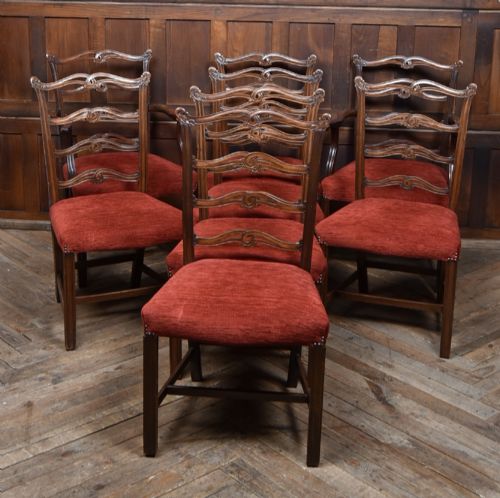
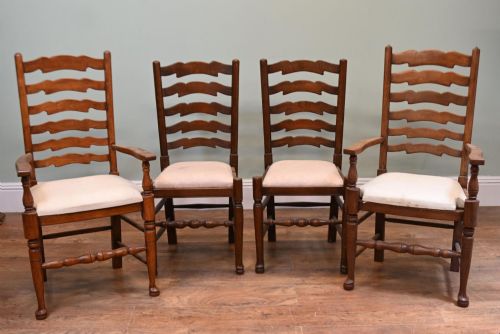
Vintage ladderback seating brings robust vernacular character to a room, offering rhythmic horizontal rails and traditional woven seats.
Vintage Ladderback Seating
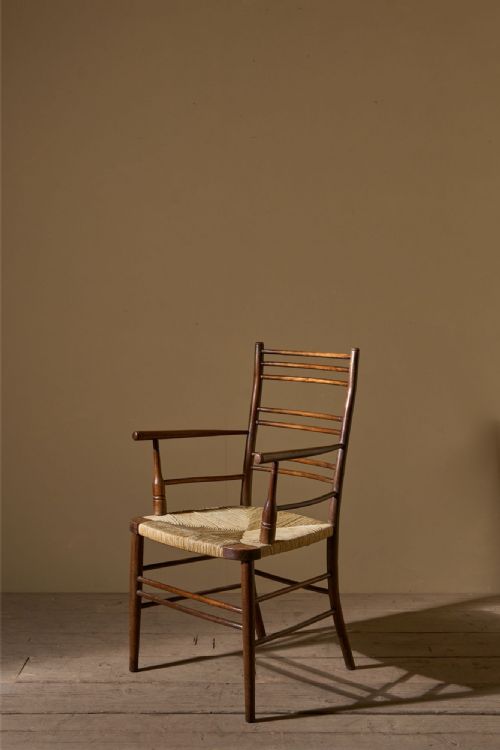
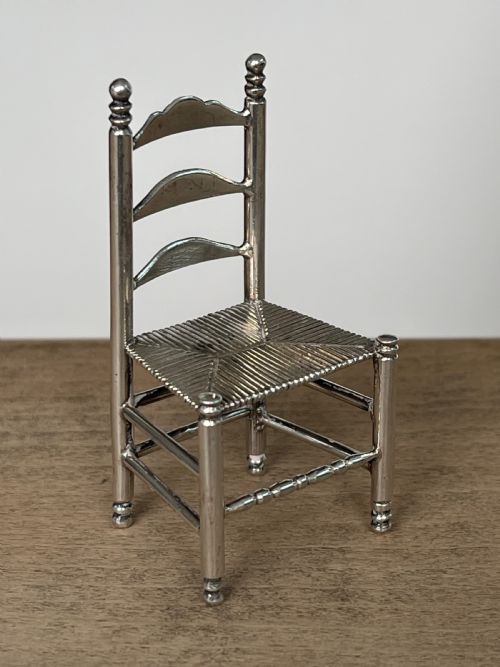
When you search for vintage ladderback seating, you encounter sturdy chairs defined by horizontal wooden slats running between the rear uprights. These pieces range from simple country vernacular forms to refined revival styles produced across Britain, France, Scandinavia, and America.
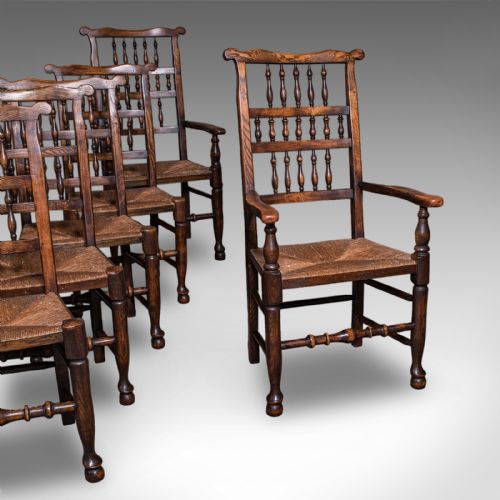
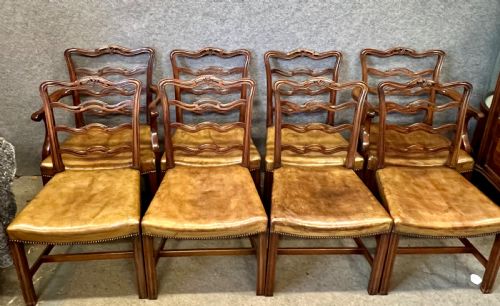
The version you are most likely to meet on this page is the dining chair or kitchen armchair, often originating from the nineteenth or early twentieth century. Common variations include sets of chairs for larger tables, individual carvers with arms, rocking chairs, and small high chairs for children.
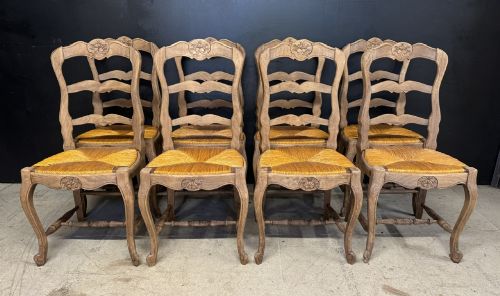
Origins vary widely, encompassing English rush seat styles, French farmhouse seating in oak or fruitwood, and Arts and Crafts interpretations. Regional British types, such as Lancashire designs in beech or ash, appear alongside simpler elm and oak vernacular examples.
Construction and materials
Makers relied on solid woods such as oak, elm, ash, beech, and mahogany for the frames, selecting timbers suited to bending and structural load. Turned uprights and curved slats were shaped using traditional lathes and hand tools before being joined with pegged mortise and tenon joints.
Seats were predominantly woven from natural rush, sea grass, or leather to provide a flexible and supportive surface. These organic cordage materials were tightly laced around the seat rails by hand, requiring considerable skill to achieve even tension and long-lasting durability.
Vintage Ladderback Seating Retail Price Guide 2026
Typical asking prices for vintage ladderback seating among the pieces listed under this phrase on Sellingantiques today, from the lower quarter to the upper quarter. They describe what is for sale here now, not the wider market.
Listings feature oak, elm, ash, and mahogany frames paired with traditional rush or sea grass seating surfaces.
Factors determining quality
The integrity of the timber frame dictates much of the value, with tight joints and minimal replacement wood separating superior pieces from heavily repaired examples. Density and grain figure in the primary woods, such as well-selected quarter-sawn oak or richly patinated mahogany, signal higher initial craftsmanship.
The condition and tightness of the rush or sea grass seating remain critical markers of standard. Original woven surfaces that show honest patination without structural sagging demonstrate better preservation than completely re-woven modern substitutes.
Lawrence Neal·Liberty & Co·Heals
The Vintage Ladderback Seating Glossary
- Ladderback
- A chair style characterised by horizontal wooden slats, or rungs, set between the rear upright posts. These slats are often curved to fit the sitter's spine.
- Rush seat
- A seating surface woven from dried marsh rushes twisted into cords and laced around the seat frame. This technique yields a resilient, textured platform.
- Carver
- An armchair, traditionally placed at the head of a dining table or used as a fireside seat. It matches the design of the smaller side chairs in a set.
- Vernacular
- Everyday domestic furniture made by regional craftsmen using local traditions and materials rather than high-style metropolitan designs.
- Spindle back
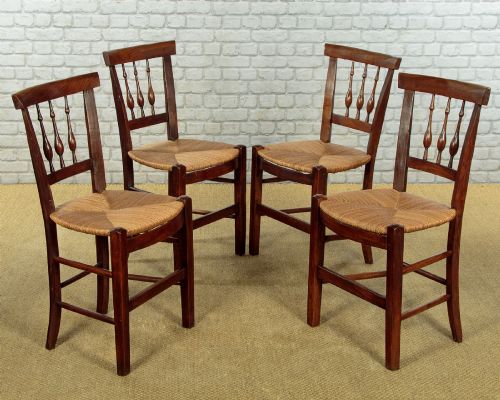
- A variation featuring multiple thin vertical wooden rods rather than horizontal slats between the chair rails.
- Patina
- The surface sheen and softening of colour developed on wood and rush through decades of handling, light, and use.
Vintage Ladderback Seating: Frequently Asked Questions
What is vintage ladderback seating?
Vintage ladderback seating comprises chairs with horizontal wooden rails between the back posts, dating from the nineteenth and early twentieth centuries.
These pieces encompass country dining chairs, kitchen armchairs, rockers, and children's high chairs made from woods like oak, elm, and ash.
How do I care for a rush seat?
Rush seats require a dry environment and gentle dusting with a soft brush to prevent the natural fibres from becoming brittle.
Avoid excessive moisture and direct sunlight, which can dry out the rush cordage and weaken the weave over time.
Are these chairs comfortable for daily use?
Many ladderbacks offer surprisingly ergonomic support due to curved slats designed to match the contours of the back.
Kitchen and dining versions were built for daily domestic life, though adding a loose cushion can increase comfort for prolonged sitting.
How do I tell an older ladderback apart?
Older chairs often display hand-turned uprights, pegged joinery, and natural wear patterns that reveal decades of use.
Examining the wood species, finish, and the tightness of the rush weaving helps distinguish nineteenth-century vernacular pieces from later revival items.