

Vintage Impressionist Art
Vintage impressionist art brings together light, brushwork and colour from the nineteenth, Edwardian and mid-century periods.
Vintage Impressionist Art
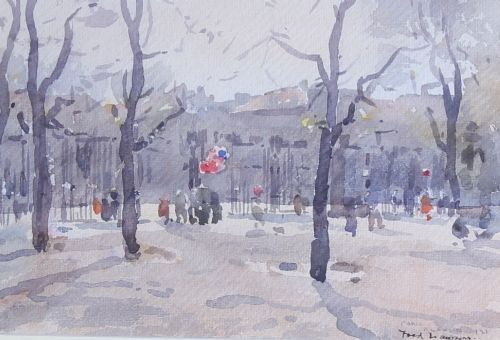
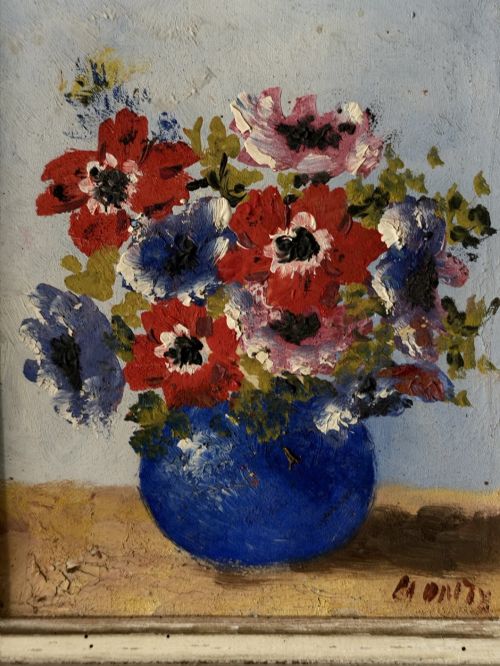
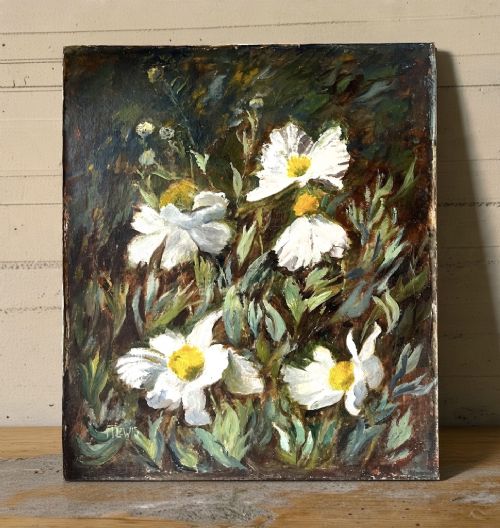
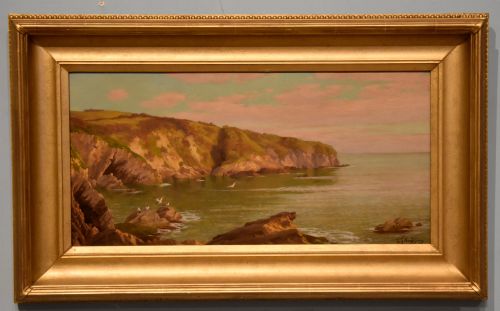
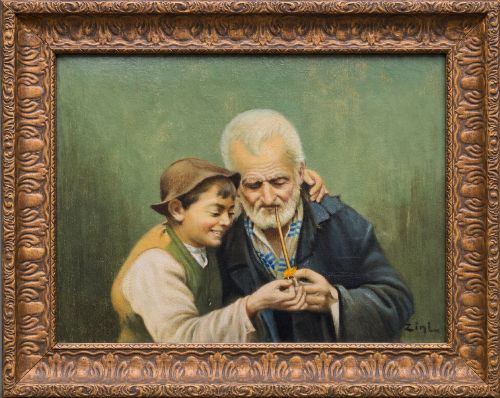
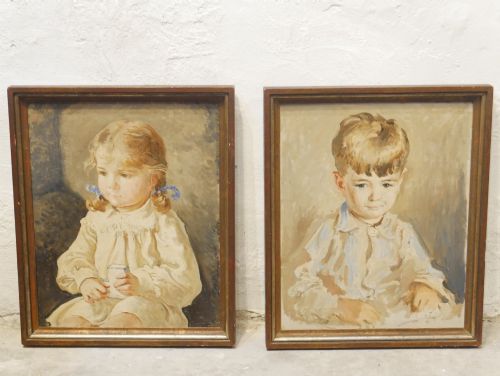
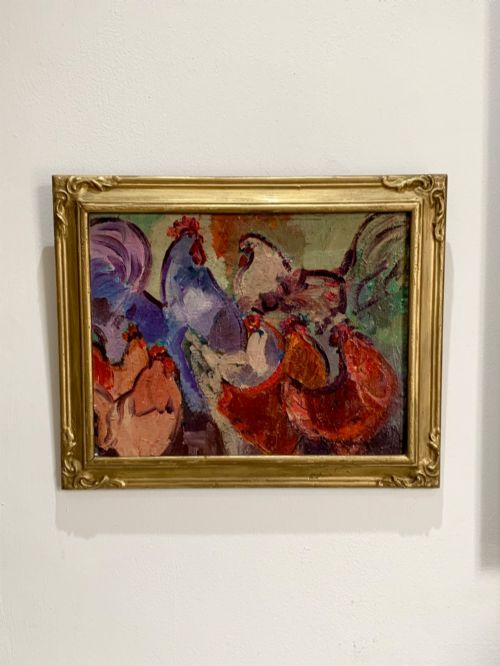
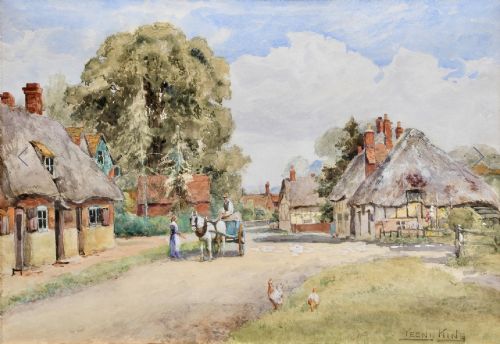
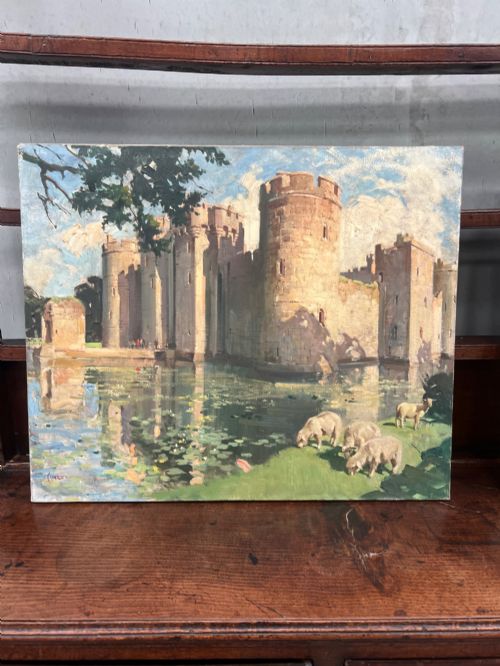
Vintage impressionist art encompasses oil paintings, watercolours and pastels across subjects such as townscapes, coastal views, portraits and still lifes. These works span from the nineteenth century through the Edwardian era to the mid-twentieth century.
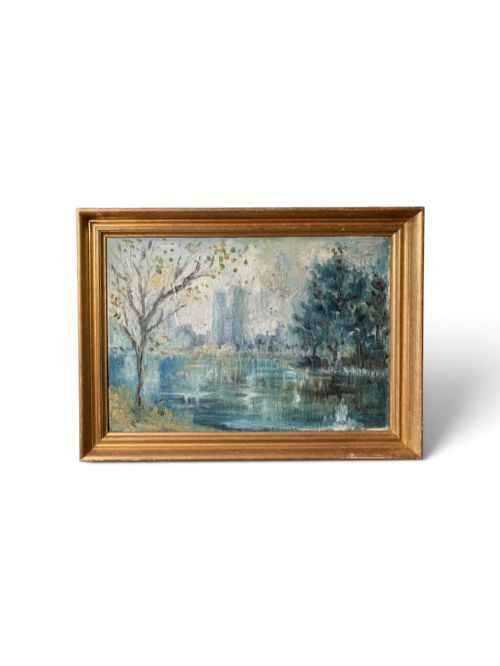
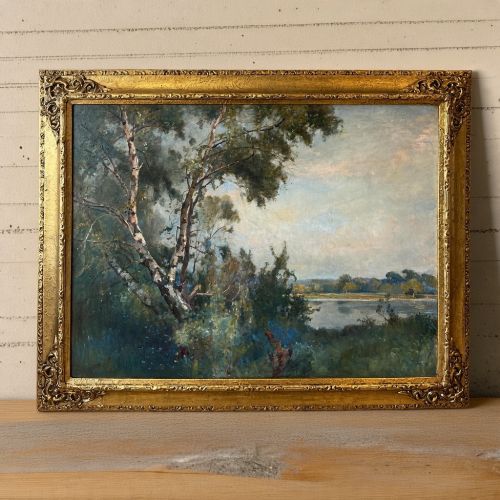
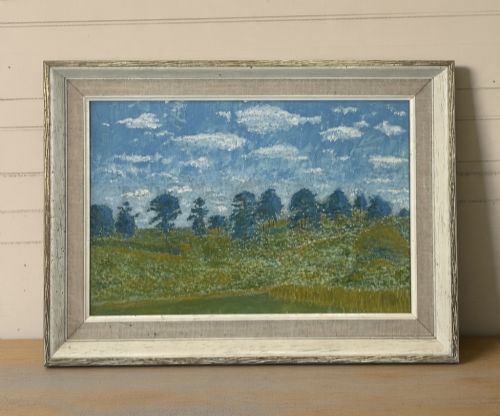
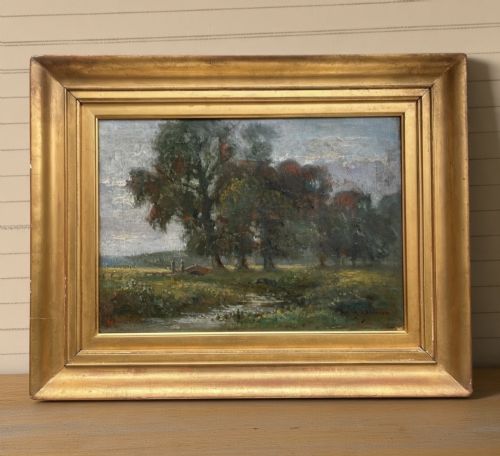
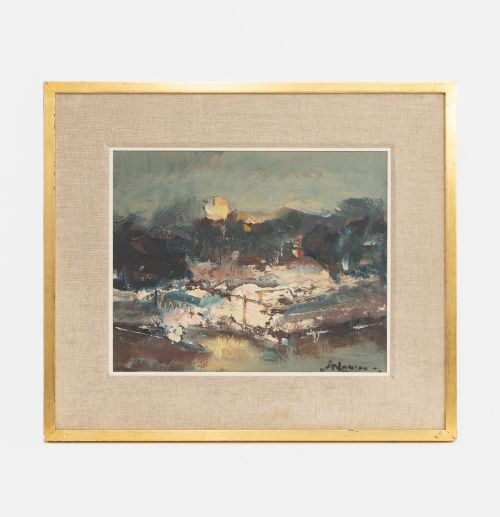
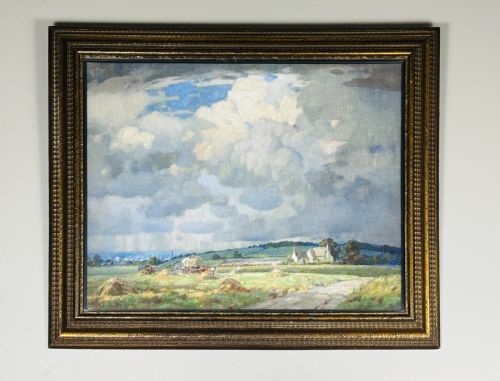
The most common examples on this page are mid-century oil paintings and pastels on board or canvas, often framed in wood or gilt. Pieces range from British regional landscapes to French and Italian harbour scenes.
Materials and technique
Artists apply oil paint, watercolour or pastel onto canvas, board, paper or card, capturing light and atmosphere through varied brushwork. Works frequently employ impasto texture or fluid washes to render landscapes and figures.
Many paintings are housed in their original wood or gilt frames, preserving the physical context of their period production.
Vintage Impressionist Art Retail Price Guide 2026
Typical asking prices for vintage impressionist art among the pieces listed under this phrase on Sellingantiques today, from the lower quarter to the upper quarter. They describe what is for sale here now, not the wider market.
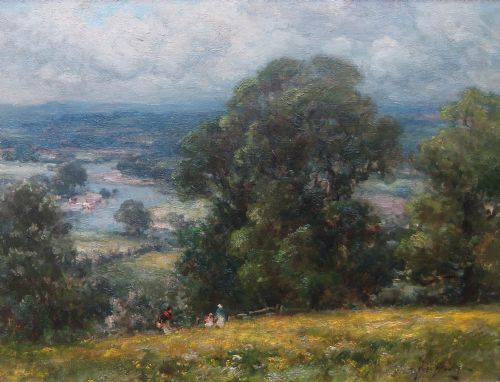
Several landscapes include moody skies over Yorkshire and quiet French gardens painted decades apart.
Evaluating quality
Quality rests upon the confidence of the mark-making and the artist's handling of light and space. Stronger pieces demonstrate purposeful composition and distinct tonal balance rather than rigid detail.
The relationship between the support, such as canvas or board, and the application of pigment defines the physical integrity of the work.
Eugene Bullio·Louis Reid Deuchars·Henri Joseph Pauwels·Achille Bron·Jean Corbeau·Evelyn Harris·Stanley Leader·Peggy de Brett·Angus Rands·Philip Naviasky·Herbert Royle·Sir David Murray·Charles Skinner·Sushila Singh·Willem J Palman·Hugh Barry-Scott·Donald McIntyre·George Graham·Hans Harlander·I Berezny·Eugène-Louis Gillot·Sidney A Court·Kershaw Schofield
The Vintage Impressionist Art Glossary
- Impasto
- Paint applied thickly to a canvas or board, leaving visible brush or palette knife strokes that catch the light. This technique adds tactile depth to a surface.
- En plein air
- Painting outdoors to capture the actual light and atmosphere of a subject. This approach defines much of the impressionist method.
- Post-Impressionism
- A style developing after impressionism that retains visible brushwork and vivid colour while exploring structure and emotional response. Artists in this tradition often emphasise distinct outlines or geometric forms.
- Gilt
- A thin layer of gold or gold-coloured material applied to a wooden frame. This finish enhances the visual boundary of a painting.
Vintage Impressionist Art: Frequently Asked Questions
How do I hang a heavy oil painting?
Ensure the wall fixings match the weight of the frame and use picture wire rated safely above the total mass.
Position the work at eye level, away from direct sunlight and temperature fluctuations that might affect the canvas or wood.
Should I clean a vintage canvas?
Surface dust can be removed gently with a soft, dry brush, but deeper cleaning requires professional restoration.
Avoid household liquids or moisture on oil paint and paper works to prevent lasting damage.
How do I identify mid-century framing?
Mid-century frames often feature simpler wooden profiles or restrained gilt mouldings compared to ornate Victorian designs.
Examining the fixings and backing paper at the reverse helps confirm the age of the presentation.
What is the difference between oil and pastel works?
Oil paintings utilise pigment suspended in drying oils on canvas or board, offering a durable and textured surface.
Pastels consist of powdered pigment bound into sticks, requiring glass protection to preserve the delicate chalk surface.