


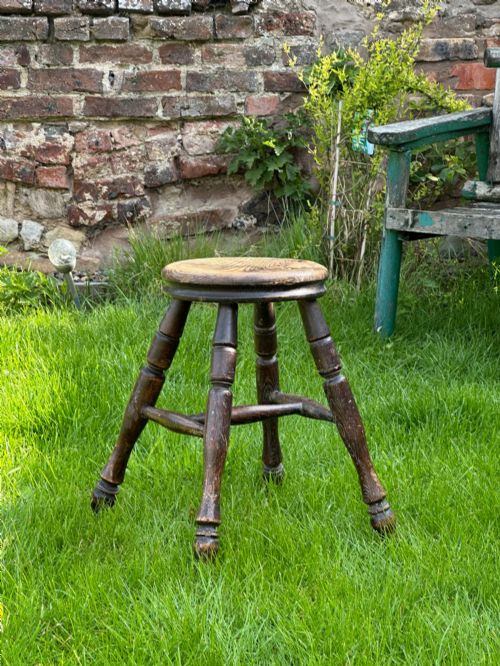


Vintage Hearth Seat
A vintage hearth seat brings the low, fireside warmth of club fenders and sturdy country stools straight to the living room.
Vintage Hearth Seat
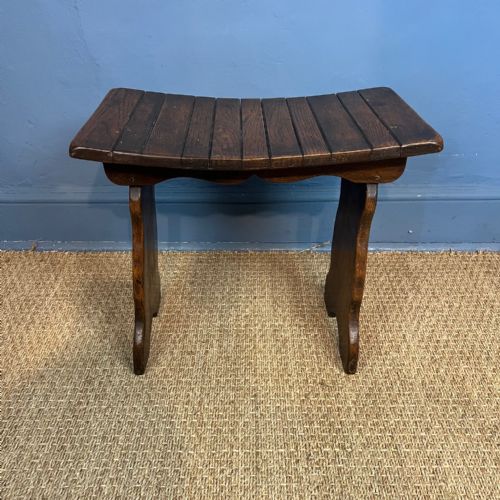
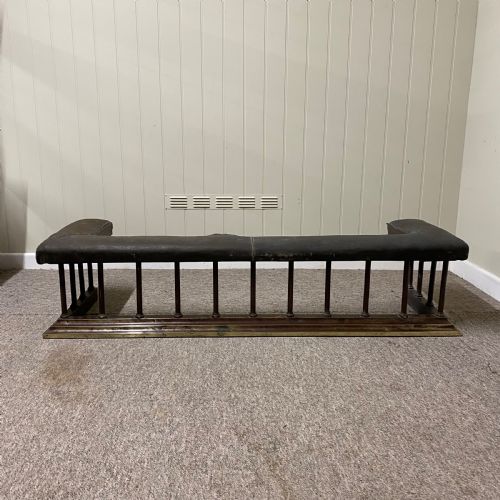
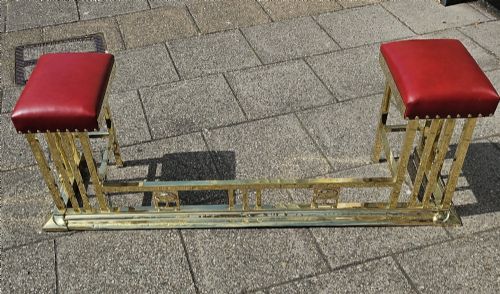
When searching for a vintage hearth seat, buyers encounter a robust mix of club fenders, low stools, and fireside benches designed to sit directly before an open fire. These pieces span the nineteenth century into the twentieth century, crossing styles from Victorian brass and leather to English country vernacular and Art Deco iron.
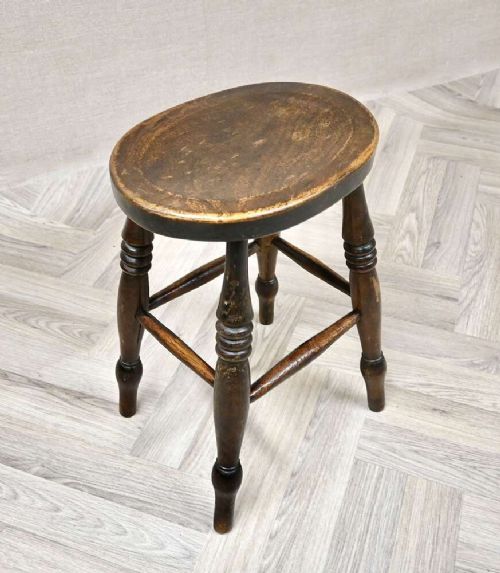
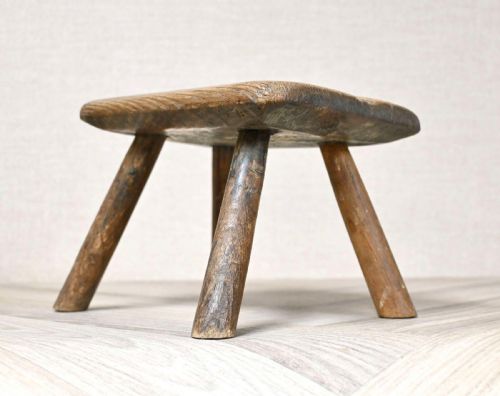
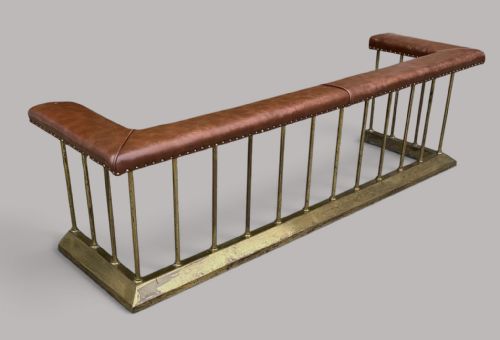
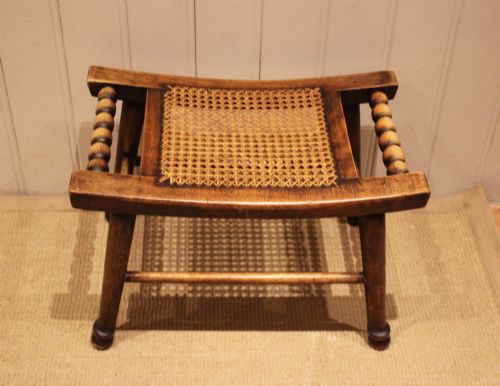
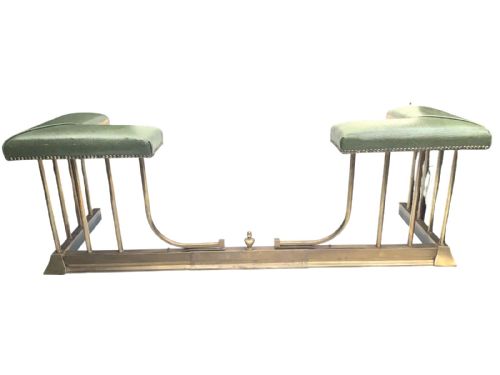
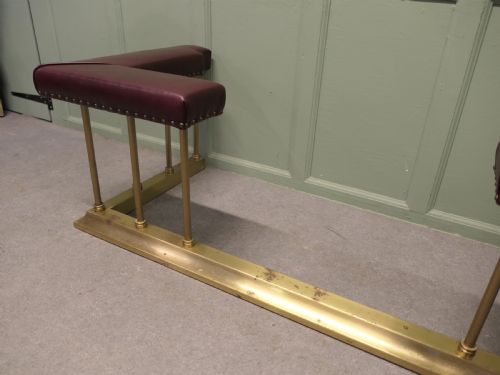
The most common forms on this page are club fenders with upholstered top rails in tan or green leather, alongside timber country stools in oak, elm, and beech. Makers built them low and stable, often incorporating brass balustrades, steel frames, or turned wooden legs suited for fireside sitting.
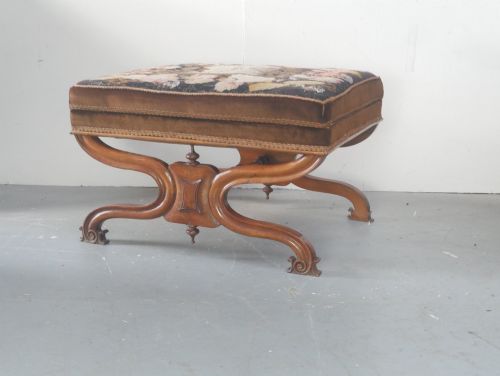
Origins range widely across the British Isles, from Scottish baronial stools to Georgian Irish style footstools and simple vernacular oak seating. Each period brings its own material preference, moving from heavy nineteenth-century brass and carved mahogany to lighter twentieth-century steel and oak frames.
Construction and Materials
Makers constructed these pieces using heavy structural metals and dense native timbers, pairing brass, steel, and wrought iron with oak, elm, walnut, and beech. Metal club fenders relied on soldered brass rails, riveted steel, and copper accents to withstand daily use near the hearth.
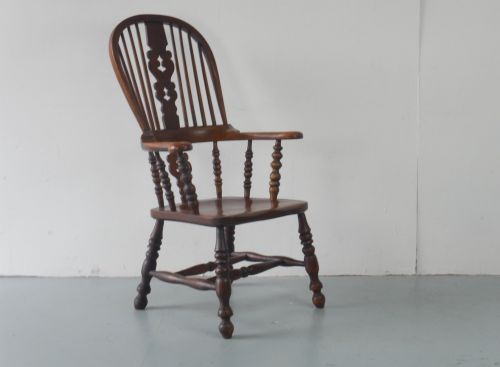
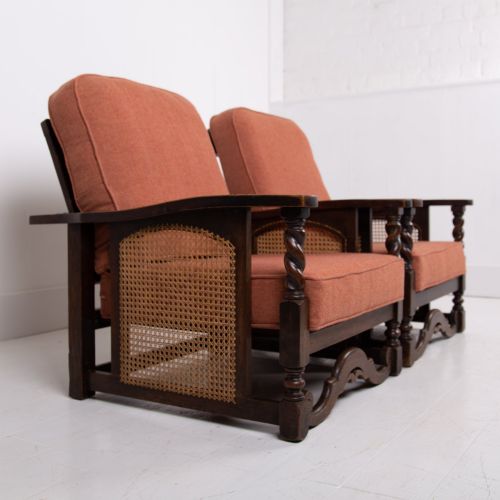
Wooden stools and armchairs utilised traditional joinery, featuring turned spindles, carved details, and rush or cane seating alongside fabric and mature leather upholstery. Leather top rails on fenders were traditionally stuffed and hand-tacked to provide firm support while sitting close to the grate.
Vintage Hearth Seat Retail Price Guide 2026
Typical asking prices for vintage hearth seat among the pieces listed under this phrase on Sellingantiques today, from the lower quarter to the upper quarter. They describe what is for sale here now, not the wider market.
One nineteenth-century Scottish stool arrived bearing the fiery pokerwork motto 'Touch me wha daur'.
Judging Quality in Fireside Seating
Quality rests in the integrity of the materials and the weight of the construction, distinguishing substantial cast brass or heavy iron frames from lighter alternatives. A superior club fender uses thick-gauge metal and properly seasoned hardwood that holds its structural rigidity beside fluctuating hearth temperatures.
The finish of the upholstery and the crispness of the carving reveal the hand of the maker, whether in needlepoint, rush, or patinated leather. Pieces that retain their original brass components, mature leather patination, and uncompromised timber frames demonstrate superior longevity.
The Vintage Hearth Seat Glossary
- Club fender
- A low metal or wooden frame with upholstered top seats, placed around the hearth to provide extra seating close to the fire. They typically feature open balustrades in brass, steel, or iron.
- Vernacular
- Objects built by regional craftsmen using local materials and traditional methods rather than adhering to formal high-style design. These pieces often employ sturdy timbers like oak and elm.
- Pokerwork
- A decorative technique using a heated metal point to burn designs into wood or leather surfaces. It appears on nineteenth-century Scottish stools and decorative panels.
- Balustrade
- A row of small upright pillars or spindles supporting the top rail of a club fender. In these pieces, they are frequently cast in brass or wrought iron.
Vintage Hearth Seat: Frequently Asked Questions
What is a club fender?
A club fender is a low, padded seat built around the perimeter of a fireplace. It allows people to sit directly in front of the fire on cushioned rails supported by metal frames.
Originally designed in large country houses, these fenders keep sitters warm while protecting them from sparks. They combine metalwork structures with leather or fabric upholstery.
How do I date a brass fender?
Dating relies on the weight of the metal, the style of the corner supports, and the method of assembly. Victorian examples often feature heavy cast brass components and substantial proportions.
Later pieces from the early twentieth century or the Art Deco period introduce sleeker lines and different metal alloys. Examining the patina on the leather and the fasteners helps confirm the age.
What woods were used for country stools?
Country stools were typically made from accessible native hardwoods such as oak, elm, beech, and walnut. Elm was frequently chosen for seats because its interlocking grain resisted splitting.
Turned legs often utilised beech or oak, while finer nineteenth-century examples occasionally employed mahogany with needlepoint or upholstered tops.