
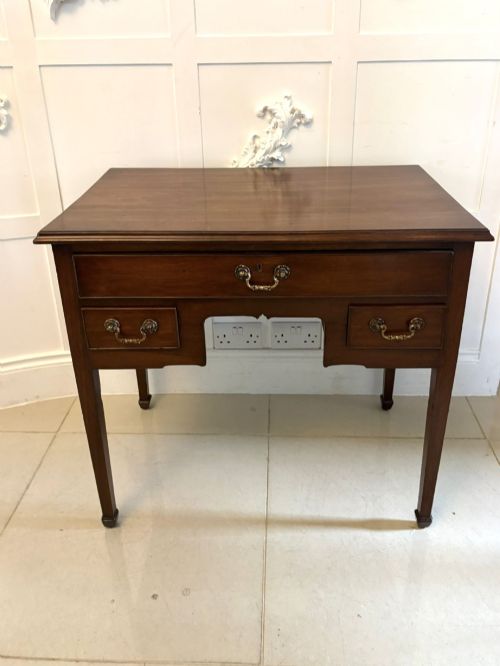
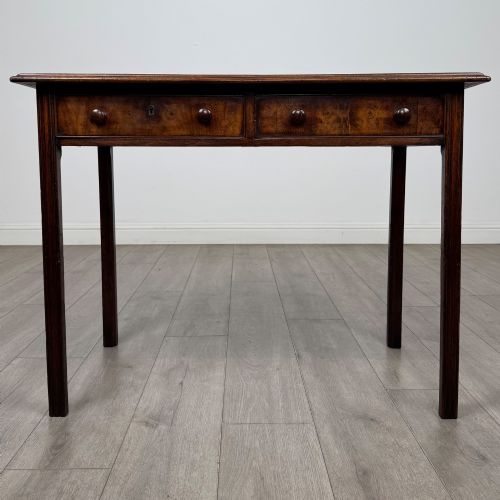
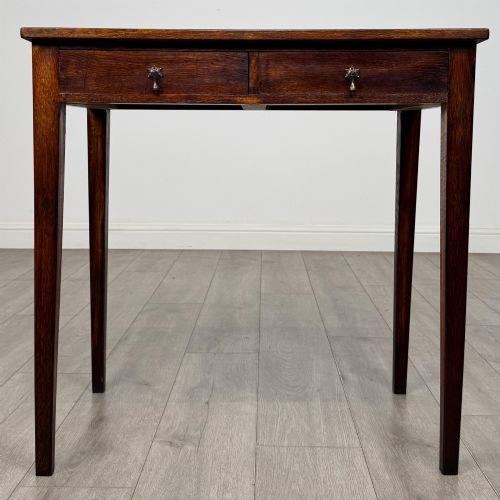
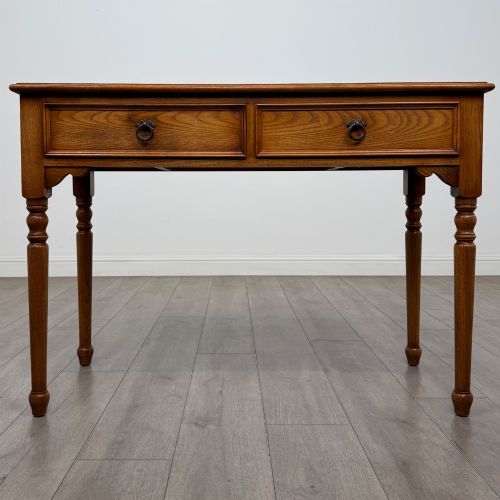
Vintage Hall Desk
A vintage hall desk offers a compact writing surface for an entrance, drawing upon Edwardian, Victorian and earlier oak or mahogany traditions.
Vintage Hall Desk
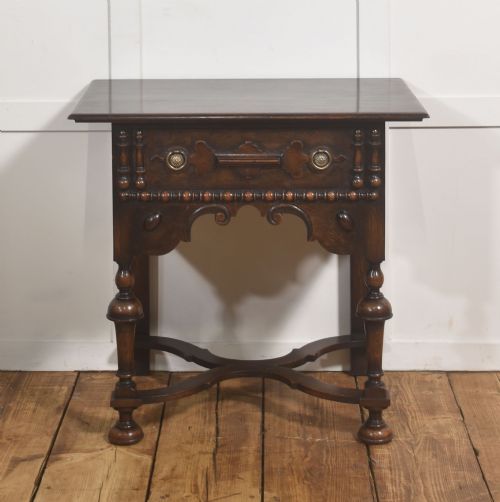
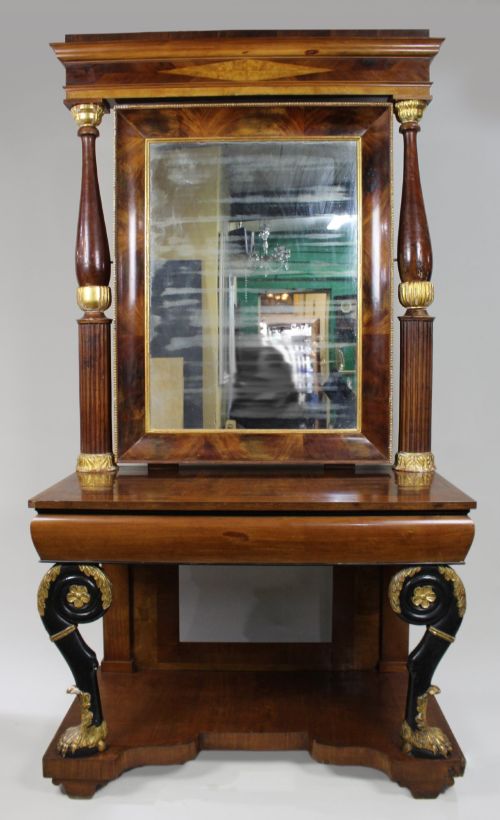
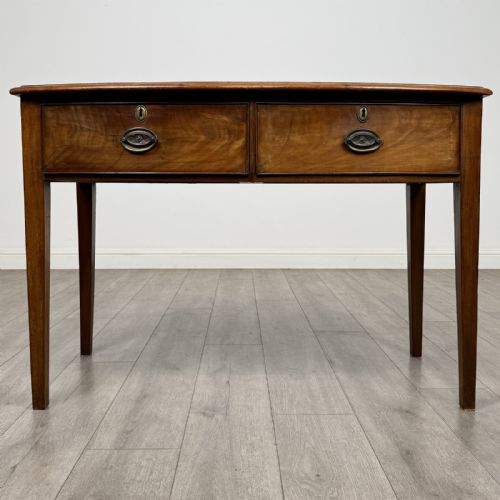
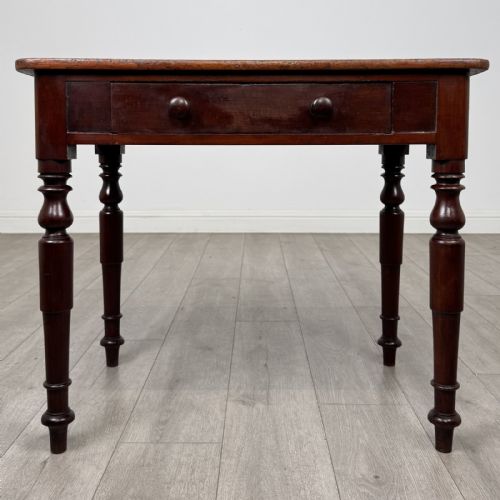
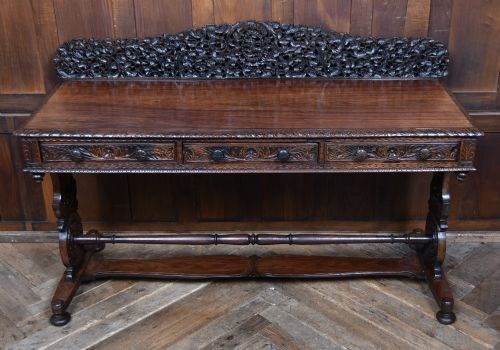
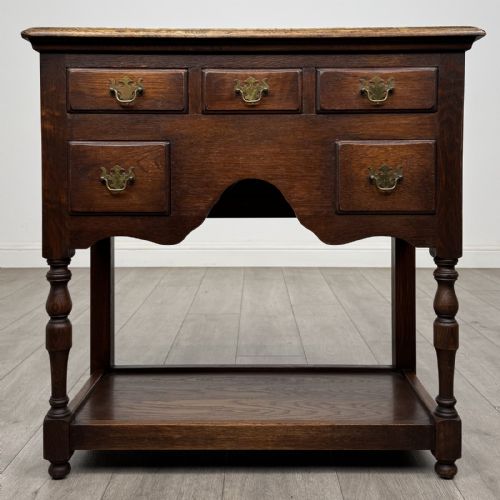
When you search for a vintage hall desk, you encounter various compact writing tables, side tables and lowboys suitable for narrow entryways. The examples seen on this page span several eras, from 18th century walnut lowboys to Edwardian oak writing tables and 1920s console pieces.
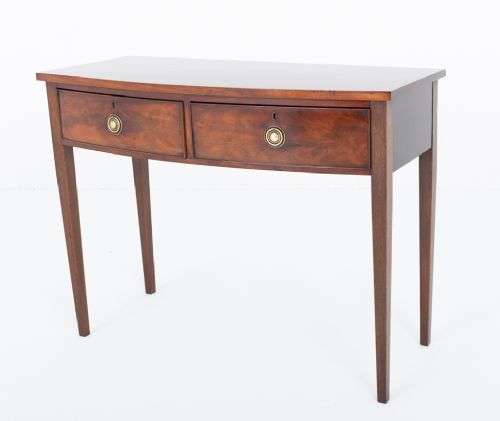
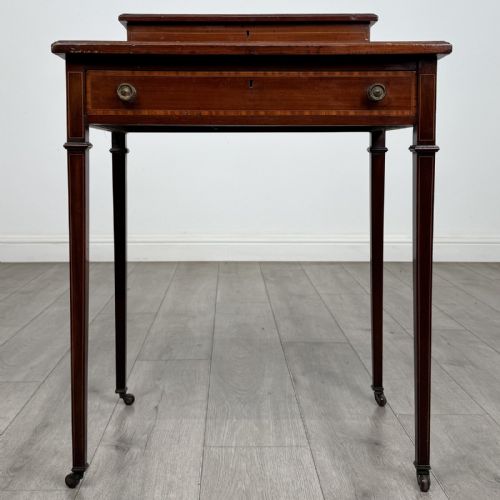
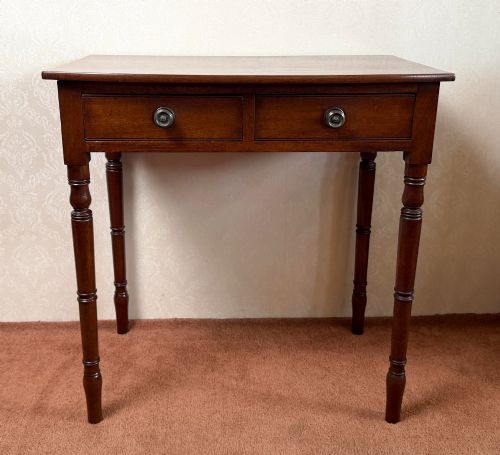
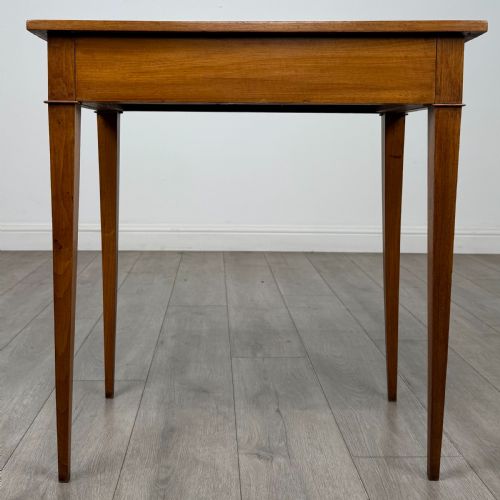
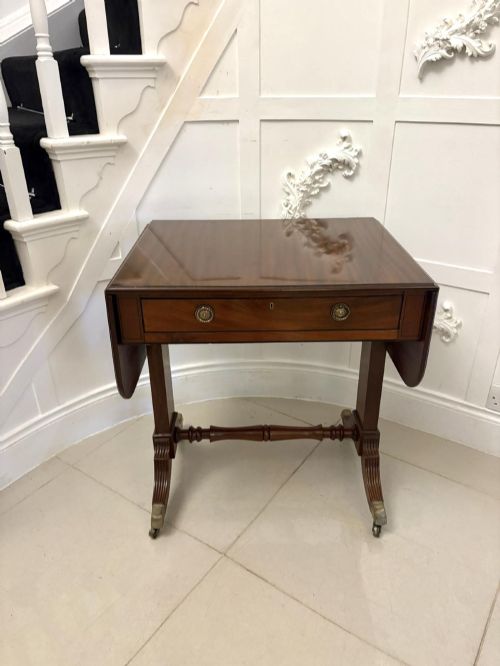
The version you are most likely to meet on this page is an Edwardian or 1920s oak or mahogany writing table with one or two drawers. These pieces served domestic writing needs in smaller spaces, fitting corridors and landings where full-sized partners desks would prove too bulky.
Origins stretch from English country workshops to French painted console tables with cabriole legs. Alongside standard desks, listings include related forms like washstands, side serving tables and octagonal centre pieces utilised in similar entranceway settings.
How they were made
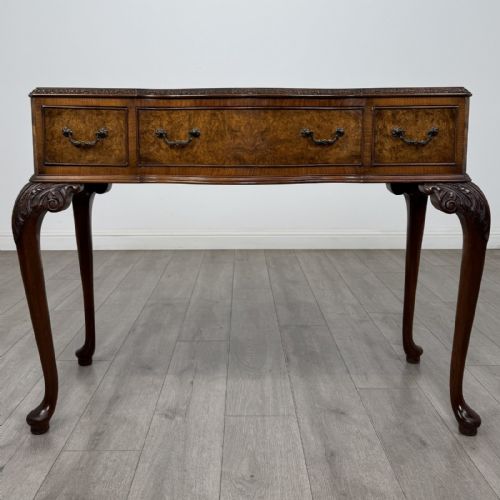
Cabinetmakers built these tables using timbers such as oak, mahogany, walnut, pitch pine and burr walnut, occasionally incorporating brass fittings, inset suede or leather writing surfaces, and fabric elements. Woods were selected for grain pattern and durability, resulting in golden oak finishes or figured walnut veneers.
Construction techniques combine traditional joinery for frames and drawers with inlaid details, cream paintwork, or ebonised treatments depending on the period. Pieces like lowboys and writing tables display pegged joints, dovetailed drawer construction, and turned or cabriole legs.
Listings feature oak, mahogany, walnut, pine and metal materials spanning the 18th century through to the 1920s.
What varies in quality
The distinction between ordinary utility tables and superior examples lies in the selection of timbers and the crispness of secondary details like inlay, brass hardware and carved motifs. Figured burr walnut or rich Cuban mahogany elevate a simple side table into a masterclass of cabinetmaking.
Proportion and structural integrity define the higher end of the range, where drawers slide evenly and timber has aged with a deep, undisturbed patina. Lesser pieces display simpler pine construction, plain painted finishes, or heavy later alterations that distance the piece from its original period character.
The Vintage Hall Desk Glossary
- Lowboy
- A small side table or dressing table with drawers, typically standing on four tall legs and dating from the 18th century onwards.
- Console table
- A table designed to be fixed against a wall, frequently utilised in hallways and entrance spaces.
- Pitch pine
- A resinous North American pine variety utilised heavily in 19th-century utility and bedroom furniture.
- Figured walnut
- Timber cut from sections of walnut trees displaying attractive, swirling grain patterns favored by cabinetmakers.
- Washstand
- A piece of bedroom or hallway furniture originally constructed to hold a wash basin and jug.
Vintage Hall Desk: Frequently Asked Questions
What is a hall desk?
A hall desk is a compact writing table or console placed in an entranceway to handle correspondence and post.
These pieces typically feature shallow depths to fit narrow corridors without obstructing movement.
How do I date an oak desk?
Dating relies on observing construction methods, timber selection, and hardware styles alongside period characteristics.
Edwardian and 1920s examples often display lighter golden oak tones, whereas 18th-century pieces like lowboys utilise pegged joinery and dense figured walnut.
Can I use a lowboy as a desk?
A lowboy functions adequately as a small writing surface due to its single or multiple drawers and knee clearance.
Buyers frequently utilise these 18th-century tables in modern hallways for writing notes or placing keys.
What wood was used for hall desks?
Cabinetmakers utilised timbers including oak, mahogany, walnut, pitch pine, and pine depending on the era and workshop.
Mahogany and walnut appeared on finer urban pieces, while oak and pine served provincial and country households.