



Vintage Gold Cluster Earrings
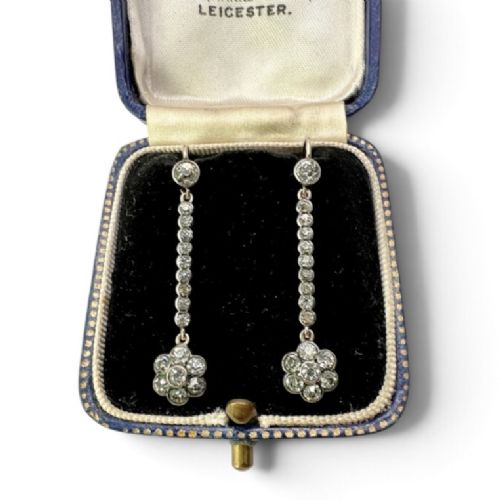
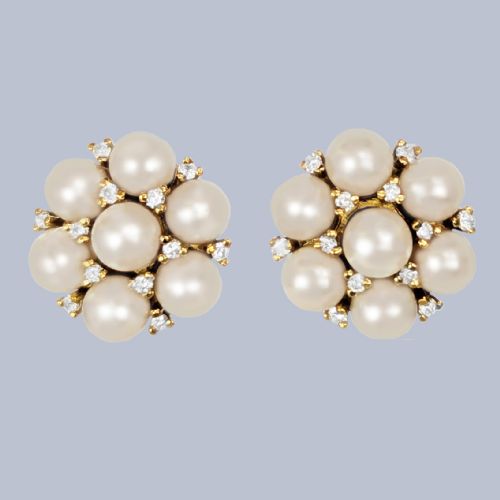
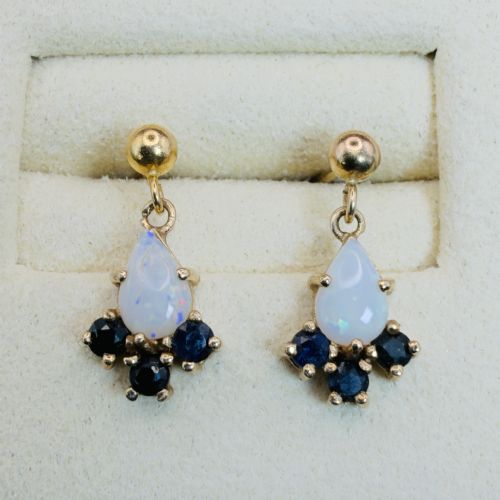
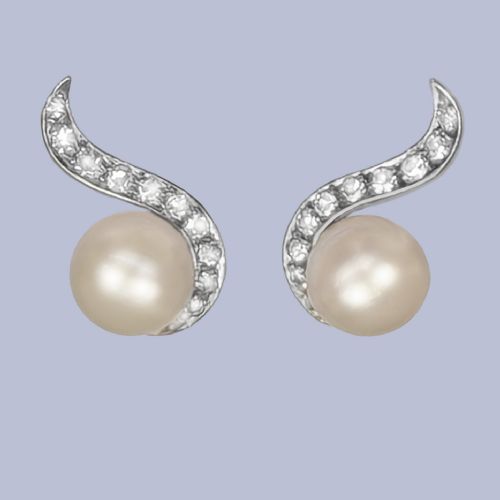
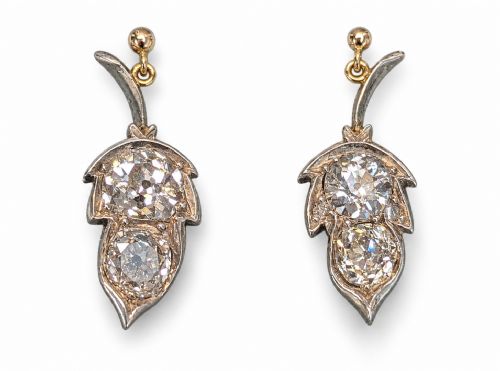
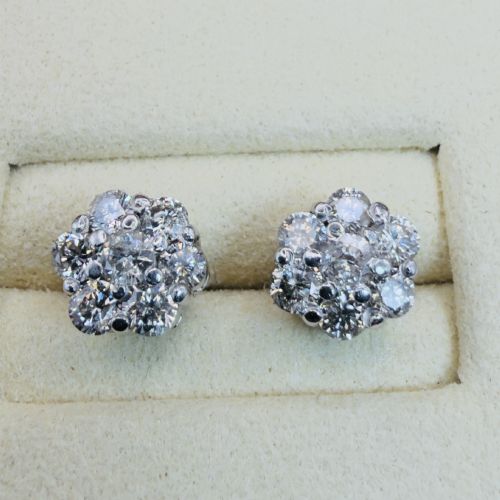
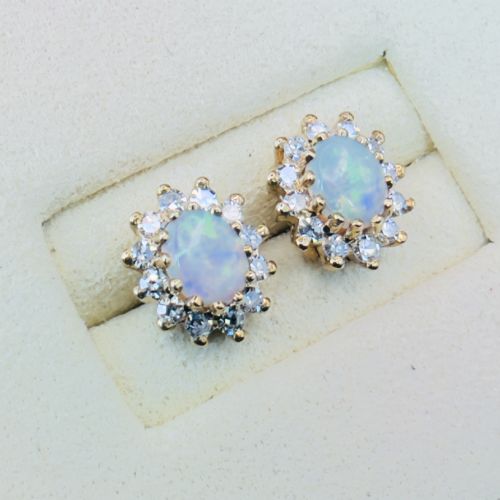
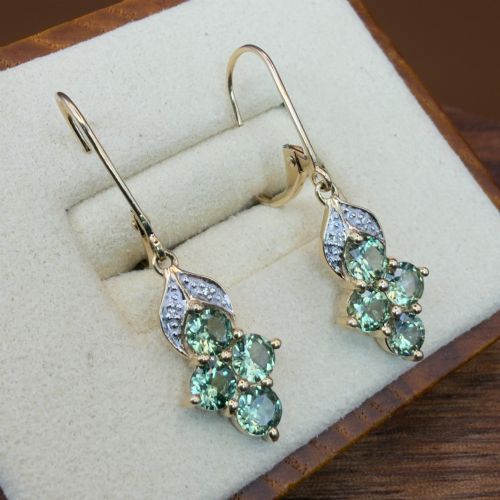
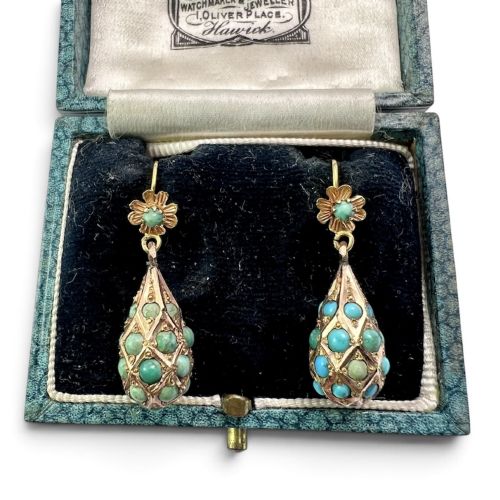
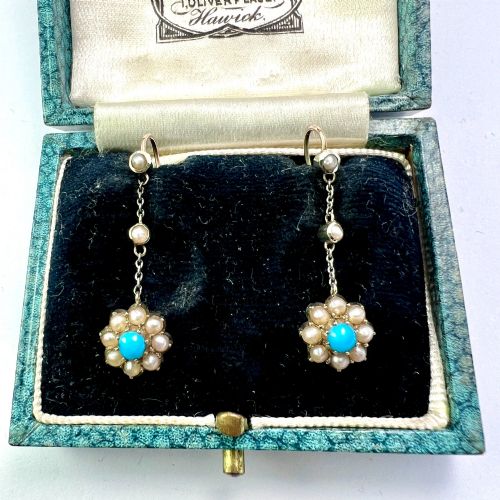
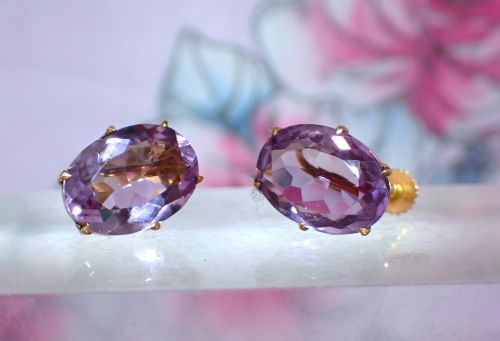
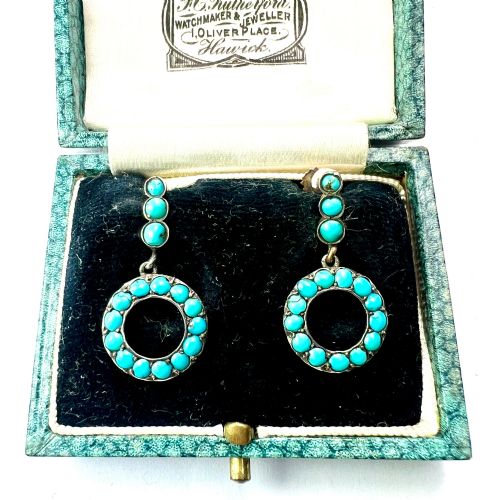
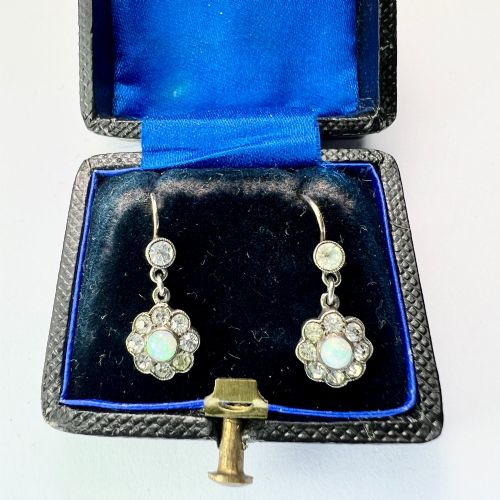
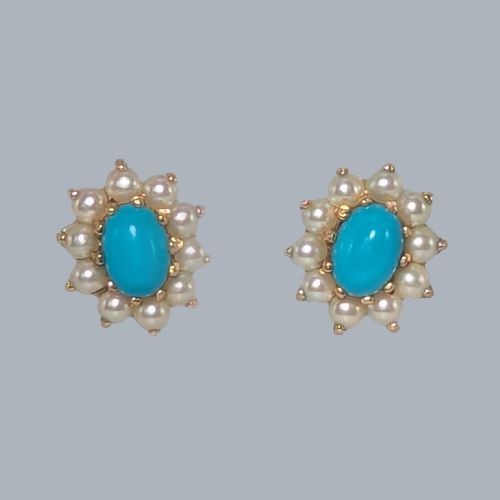
Vintage gold cluster earrings group a central stone surrounded by smaller gems, spanning eras from Georgian to Mid-Century.
Vintage Gold Cluster Earrings
Vintage gold cluster earrings combine a central gemstone with an encircling halo of smaller stones, creating a concentrated focal point on the earlobe. The pieces on this page span diverse periods, notably the Victorian, Edwardian, Art Deco and Mid-Century eras, showing how the form evolved across decades.
Most examples rely on stud, drop or screw-back configurations, utilising either yellow, white or rose gold frames. Gemstone pairings are extensive, ranging from traditional diamonds and sapphires to opals, turquoise, amethysts and garnets set within floral or geometric arrangements.
Materials and construction
Makers constructed these clusters using varying purities of gold, including 9ct and 18ct variants, frequently paired with silver or platinum settings to enhance the brilliance of white stones. Backings range from modern post and clip mechanisms to traditional screw-backs and hinge systems.
Stone arrangements rely on close-set configurations where claw, bezel or silver-topped gold techniques secure the central gems and their surrounding halos. Many configurations incorporate older cut stones within later mounts, reflecting historical recycling practices in jewellery manufacture.
Vintage Gold Cluster Earrings Retail Price Guide 2026
Typical asking prices for vintage gold cluster earrings among the pieces listed under this phrase on Sellingantiques today, from the lower quarter to the upper quarter. They describe what is for sale here now, not the wider market.
Listings feature yellow gold, white gold, rose gold, silver and platinum mountings paired with natural gemstones.
Assessing quality in cluster designs
Quality rests on the precise matching and calibration of the surrounding stones to the central gem, ensuring uniform colour saturation and consistent sizing within the halo. Superior examples exhibit minimal gaps between stones and secure, even prongs that do not overwhelm the face of the design.
The weight and integrity of the gold or platinum mountings also dictate standard, where heavier structural framing prevents distortion of the cluster over time. Hallmarks and maker marks add documentary weight, confirming origin and metallic purity.
Knoll and Pregizer
The Vintage Gold Cluster Earrings Glossary
- Cluster
- A jewellery setting where a central stone is encircled by a tight border of smaller gems. This configuration maximises visual impact and light reflection.
- Halo
- The ring of smaller accent stones surrounding the central focal gemstone. It typically consists of diamonds or contrasting coloured gems.
- Old Cut
- A precursor to the modern brilliant cut, characterised by a smaller table, higher crown and open culet. These cuts are frequently found in Georgian and Victorian cluster designs.
- Screw Back
- A mechanical earring fastening utilising a threaded post and a threaded nut. This design secures non-pierced or heavier earrings firmly against the lobe.
Vintage Gold Cluster Earrings: Frequently Asked Questions
Are these earrings for pierced ears?
The inventory includes a mix of standard post and pierced configurations alongside historical screw-back and clip-on mechanisms designed for non-pierced lobes. Reviewing the individual listing details clarifies the specific fastening type used on each pair.
Buyers with unpierced ears often seek out vintage screw-backs, while modern wearers frequently convert older fasteners or select standard posts.
What periods do these earrings represent?
The selection covers multiple historical eras, starting from Georgian and Victorian pieces through Edwardian, Art Deco and Mid-Century styles. Each era brings distinct metal choices and stone-setting techniques to the cluster format.
Victorian and Edwardian pieces often feature silver-topped gold settings, whereas Mid-Century examples lean toward clean white and yellow gold configurations.
How should I care for antique cluster earrings?
Cluster settings trap dust and cosmetic residue behind the stones, requiring gentle cleaning with a soft brush and warm soapy water. Avoid submerging pearls or soft opals in liquid solutions.
Checking the security of the prongs periodically ensures the central stone and surrounding halo remain firmly anchored in their metal mounts.
What gemstones are common in these clusters?
Diamonds and sapphires appear frequently, often paired with emeralds, rubies, garnets, turquoise and opals. Many designs also incorporate split pearls and paste stones within floral motifs.
Colour combinations vary widely depending on the production decade, from deep Victorian garnets to bright Mid-Century tourmalines and amethysts.