


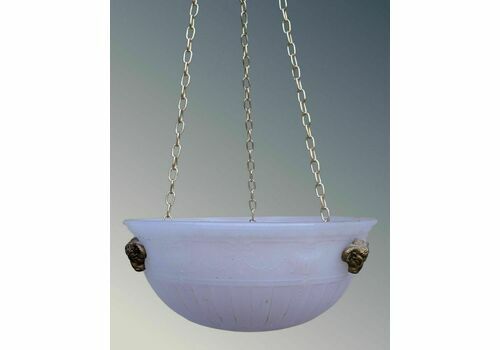


Vintage Glass Flycatcher Shade
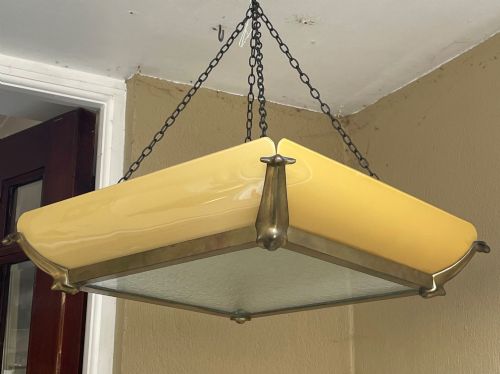
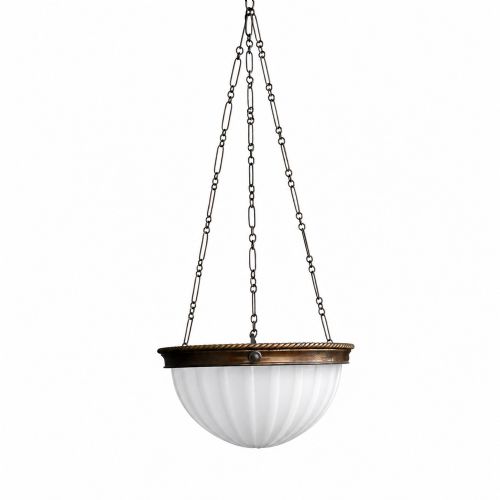
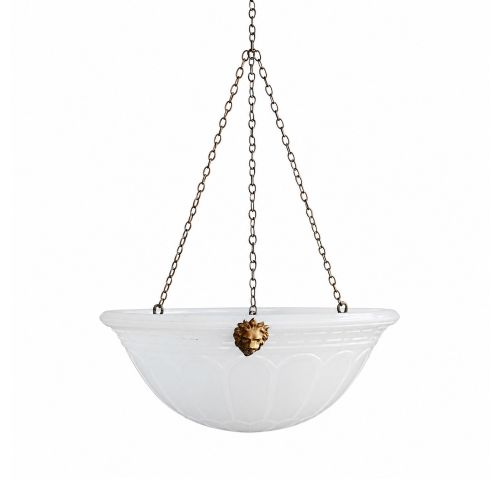
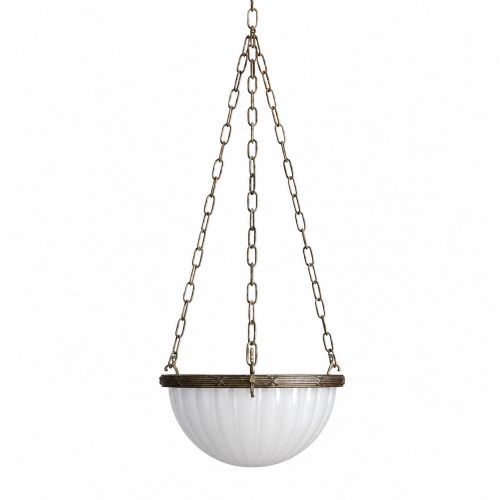
These vintage glass flycatcher shade examples bring distinct period illumination to rooms through patterned bowls suspended by metal hardware.
Vintage Glass Flycatcher Shade
A vintage glass flycatcher shade sits in ceiling lighting arrangements, catching the eye with bowls or dishes that hang via suspension chains or brass frames. When buyers search for a vintage glass flycatcher shade, they encounter various forms including clam shell pendants, opalescent bowls, and plafonnier shades.
The selections span the 19th Century, Edwardian era, 1920, and 1930 periods. Art Deco, Arts and Crafts, and Neo-Classical styles dominate the physical designs available on this page.
English origins appear frequently among these ceiling lights, alongside pieces associated with makers such as Jefferson. Most pieces function as pendant lights, ceiling light shades, or complete chandeliers.
Materials and construction methods
Glass production utilises frosted glass, moonstone glass, opalescent glass, opaline, pink glass, and painted glass. These translucent materials diffuse light downwards while creating gentle glows through patterned bowls and clam shell forms.
Metal components incorporate brass, patinated brass, chrome, and bronze. These metals form the rams head mounts, suspension chains, and structural bands that hold the hanging shades securely.
Listings feature four distinct historical periods: 19th Century, Edwardian, 1920, and 1930.
Assessing quality in hanging glass shades
The distinction between standard utility items and finer decorative examples rests on the depth of moulding in the glass and the weight of the metal mountings. Heavier bronze or patinated brass fittings indicate superior commercial grade production compared to lighter chrome alternatives.
The complexity of the glass treatment separates basic bowls from more artistic specimens. Painted motifs, intricate opalescent swirls, and specialised finishes like moonstone or pink glass require greater skill in the hot shop.
Jefferson
The Vintage Glass Flycatcher Shade Glossary
- Plafonnier
- A ceiling light featuring a bowl-shaped shade fixed close to the ceiling or hung by short cords. This form directs illumination outwards and downwards into the room.
- Moonstone glass
- A semi-translucent milky glass resembling the gemstone of the same name. It softens bulb glare effectively.
- Opalescent glass
- Glass exhibiting a milky iridescence with milky blue or pink highlights when lit. It absorbs and scatters light across the surface.
- Clam shell
- A fluted or scalloped shade moulding mimicking sea shells. This shape defines many Art Deco lighting designs.
- Suspension
- The metal chains, rods, or cords supporting a ceiling light fixture. These assemblies connect the shade directly to the ceiling rose.
Vintage Glass Flycatcher Shade: Frequently Asked Questions
What is a flycatcher shade?
A flycatcher shade is a hanging glass bowl or dish used in ceiling lighting to diffuse bulb glare. The name derives from the bowl shape, which historically caught falling insects when open to the air.
These pieces suspend from chains, frames, or brass mounts in rooms where central overhead illumination is required. They appear in styles ranging from Arts and Crafts to Art Deco.
How do I hang these lights?
Hanging requires compatible ceiling suspension hardware that matches the weight of the specific glass bowl and metal mounts. Many pieces utilise brass or bronze chains connected to ceiling roses.
Electrical wiring must be updated to modern safety standards before installation in a domestic property. Professional installation ensures the weight is supported securely by ceiling joists.
How do I date a glass shade?
Dating relies on stylistic markers, manufacturing materials, and the types of metal hardware used in the suspension. Edwardian and 19th Century examples often feature heavier bronze fittings and cut glass.
Art Deco pieces from the 1920 and 1930 periods favour opalescent glass, clam shell forms, and chrome or patinated brass. Comparing the glass texture and mounting screws helps confirm the era.
Where should I place them?
These pendant and ceiling lights suit hallways, dining spaces, or bedrooms where ambient downward illumination works best. Lower ceiling heights accommodate plafonnier fittings closely.
Taller rooms benefit from suspended chains that position the glass bowl at the correct visual level.