
Vintage Gilt Table
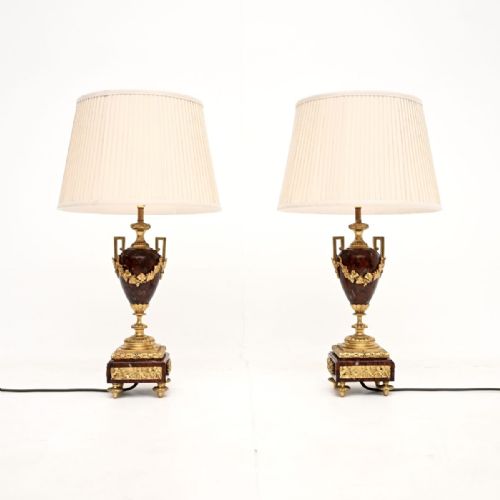
A vintage gilt table brings warmth and reflected light to a room through gilded brass, ormolu, and bronze mounts paired with marble or rich timber tops.
Vintage Gilt Table
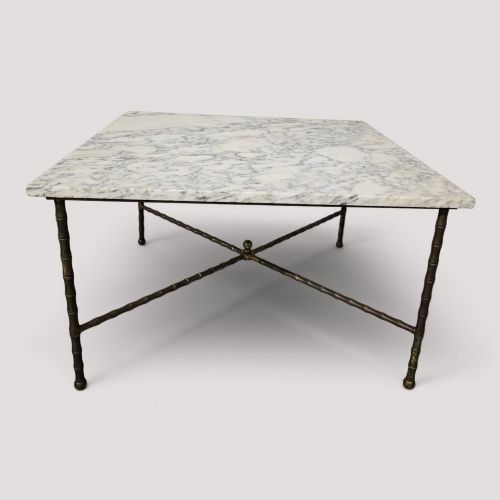
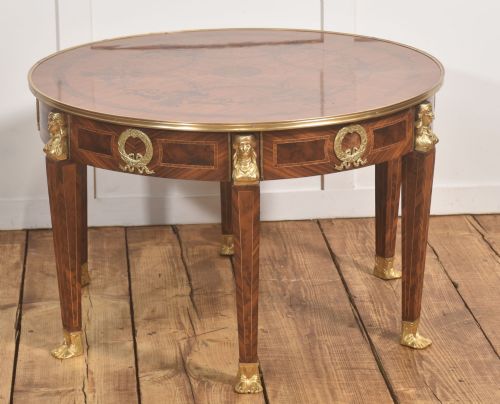
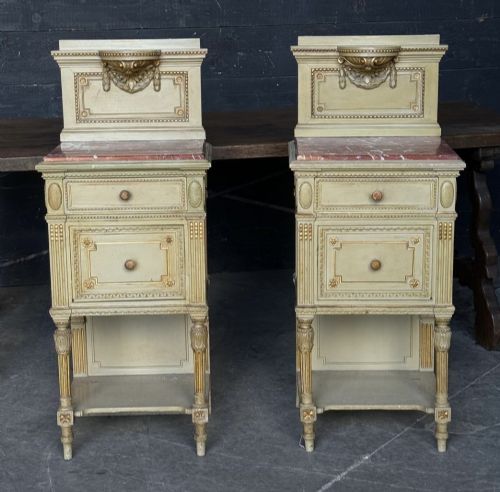
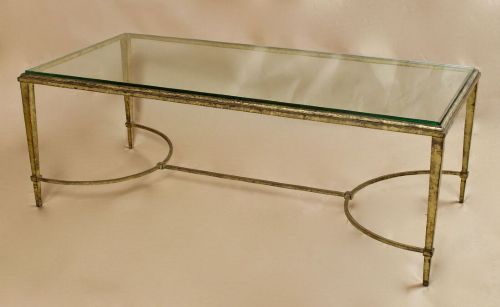
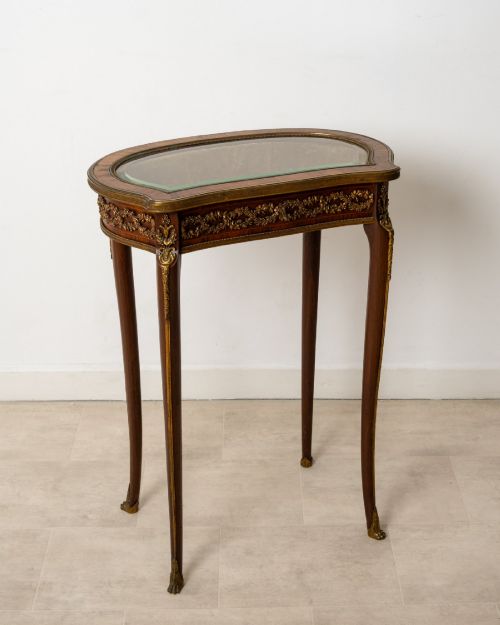
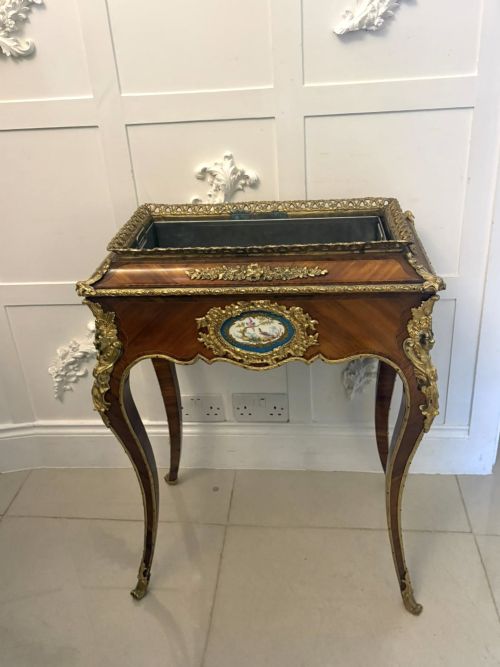
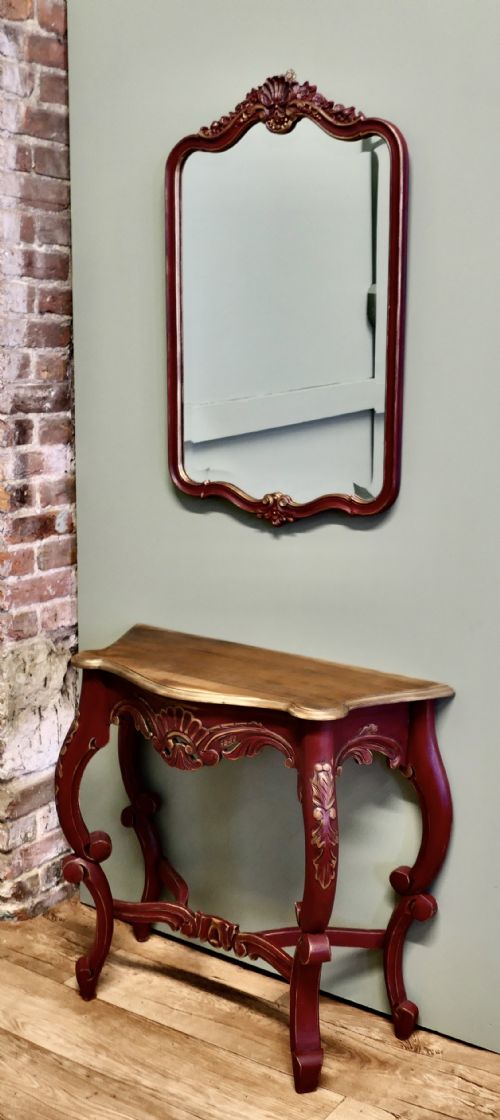
A vintage gilt table covers a broad sweep of functional surfaces, most frequently coffee tables, side tables, and console tables designed with decorative metalwork. These pieces emerge from the nineteenth and early twentieth centuries, drawing heavily on Louis XV Revival, Louis XVI Style, Regency, and French Rococo Revival aesthetics.
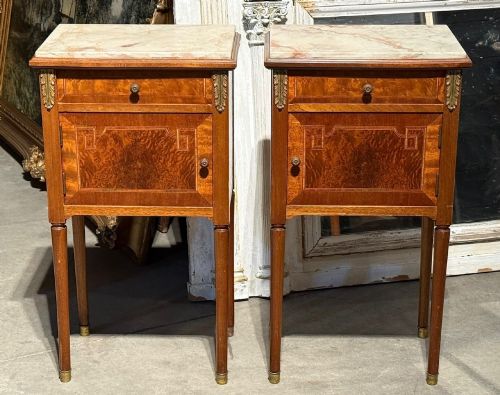
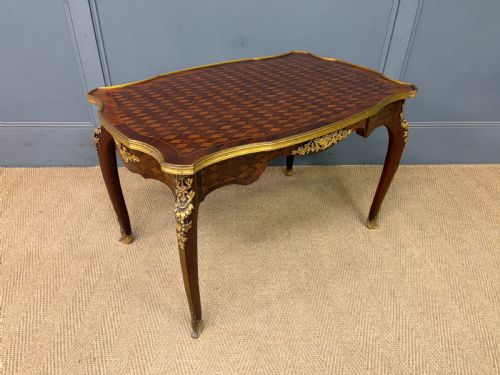
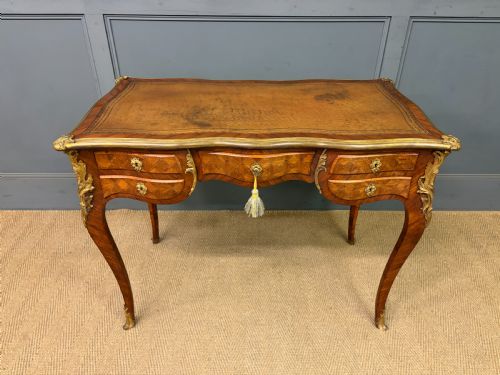
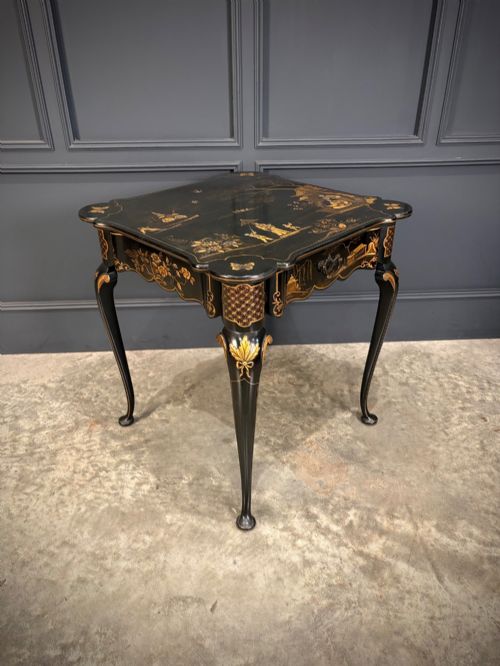
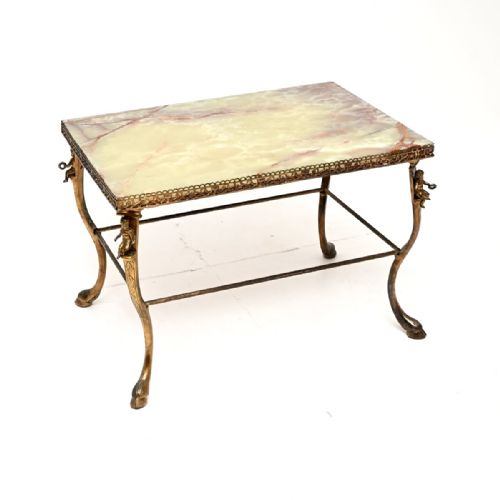
The buyer meets coffee tables featuring inset marble or onyx tops, alongside lamp tables, writing desks, and occasional tables. Many incorporate marquetry, parquetry, or lacquered finishes alongside their gilded mounts, reflecting French chateau influences and domestic tastes from the eighteen-eighties to the nineteen-thirties.
Materials and construction
Construction relies upon a foundation of timber such as mahogany, walnut, or kingwood, frequently enhanced with marquetry or parquetry patterns. Metal elements are cast in brass, ormolu, gilt bronze, or wrought iron, providing structural supports, mounts, and decorative details.
Surfaces frequently incorporate inset slabs of white or green marble, onyx, or alabaster, secured within wooden or metal frames. Gilt finishes are applied through fire-gilding on bronze or through applied metal leaf on wood and iron frameworks.
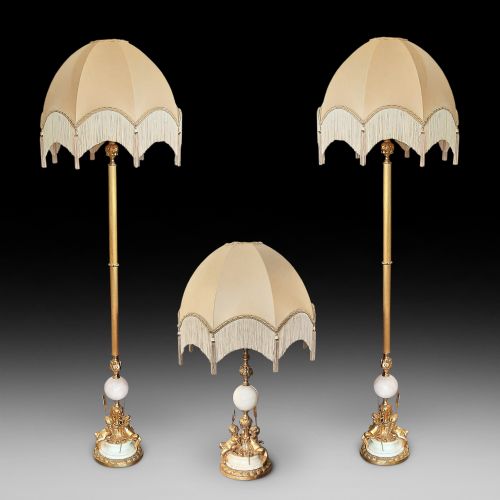
Several tables share design space with bronze cherubs, echoing a Victorian fondness for winged infants holding up lamps.
Quality variations
Quality rests in the crispness of the metal casting and the depth of the chasing on ormolu and gilt bronze mounts. Finer examples display sharp articulation in floral and figural motifs, whereas simpler pieces rely on stamped or lightly finished brass components.
The selection of secondary woods and the precision of the marquetry or parquetry inlay indicate the maker's skill. Solid marble or onyx tops fitted neatly into rebated wooden frames denote higher construction standards than thin composite alternatives.
Gillows·Maison Ramsay
The Vintage Gilt Table Glossary
- Ormolu
- Gilded bronze, produced by applying a mercury-gold amalgam to cast bronze and heating it to drive off the mercury. This technique creates a durable, matte-gold finish characteristic of high-end eighteenth and nineteenth-century furniture mounts.
- Marquetry
- Decorative woodwork where thin veneers of various coloured timbers are assembled to form pictorial or geometric patterns. It differs from parquetry through its capacity to depict complex, curving designs.
- Parquetry
- Geometric mosaic woodwork formed by laying small blocks or veneer pieces of timber into regular patterns like squares, triangles, or lozenges. It often appears on the tops of occasional and coffee tables.
- Gilt Bronze
- An alloy of copper and zinc or tin that has been gilded, used interchangeably with ormolu on nineteenth-century French and English decorative objects.
- Console Table
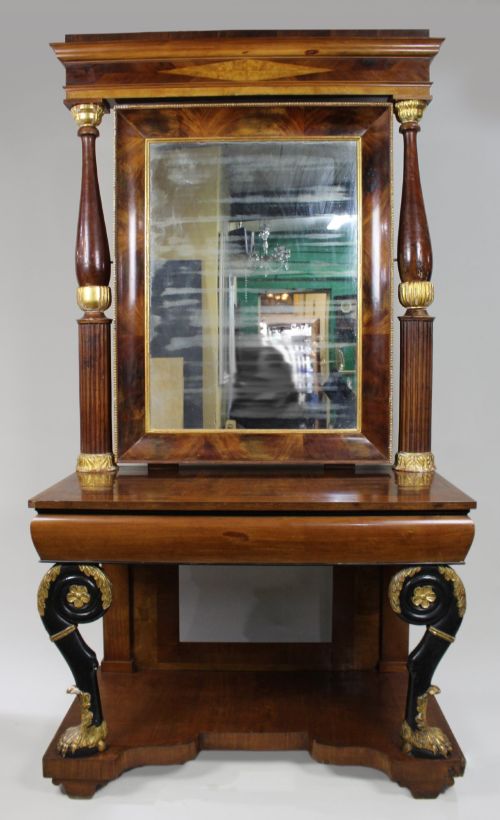
- A table designed to stand against a wall, frequently secured to it with brackets, often paired with a matching wall mirror in period interiors.
Vintage Gilt Table: Frequently Asked Questions
What is a vintage gilt table used for?
These tables serve as functional display and surface furniture within reception rooms, studies, and hallways. They hold lamps, books, or decorative objects while adding metallic reflection to an interior scheme.
Console and coffee table variants specifically provide low or wall-anchored surfaces suited to seating areas or entrance spaces, combining utility with decorative revival styling.
How do I identify the period of a gilt table?
Dating relies upon observing the combination of wood species, casting quality, and stylistic revival cues. Pieces referencing Louis XV or XVI styles often date from nineteenth-century revivals or the early twentieth century.
Construction methods, such as hand-cut dovetails in drawers and the composition of the marble or onyx slab edges, help differentiate nineteenth-century examples from later twentieth-century interpretations.
Are marble tops original to these tables?
Most marble, onyx, or alabaster inserts on these tables are original to their manufacture, cut specifically to fit the rebated wooden or metal frame. The veining and thickness typically match the period standards of the supporting base.
Replacement tops usually reveal modern cutting marks or differing edge profiles underneath when lifted from the surrounding frame.
How do I care for a gilt and wood table?
Gilded surfaces and ormolu mounts require gentle dusting with a dry microfibre cloth, avoiding modern chemical polishes that can strip the gold leaf or damage the bronze patina. Timber sections benefit from occasional applications of appropriate furniture wax.
Marble and onyx tops should be cleaned with a damp cloth and mild neutral soap, ensuring liquids do not seep into unsealed stone edges or underlying wooden structures.