
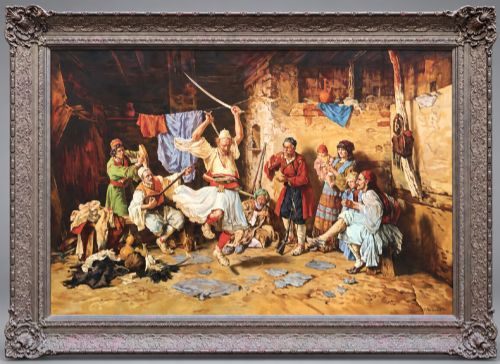
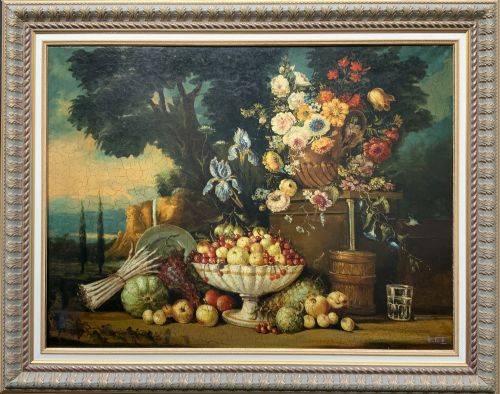
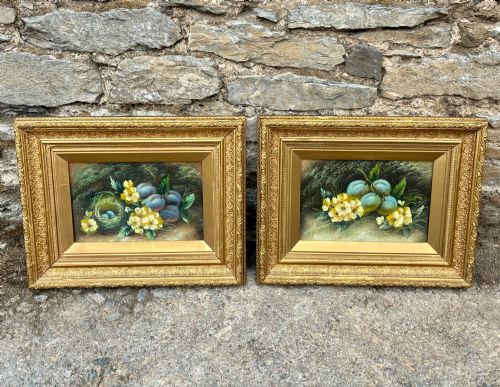
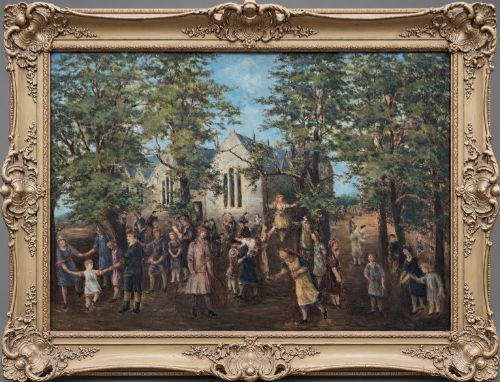

Vintage Gilt Frame
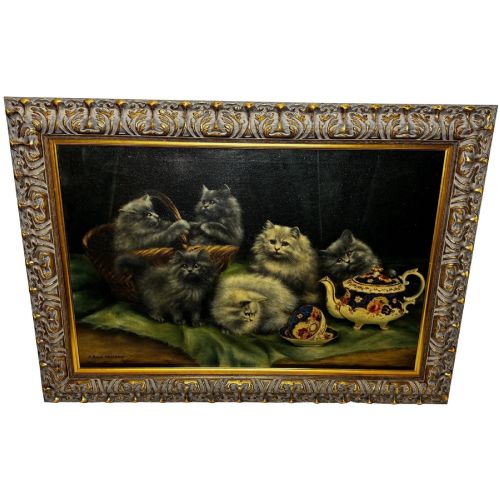
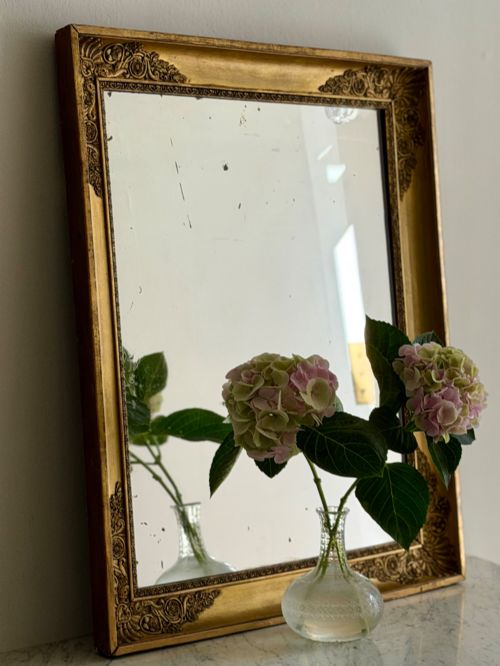
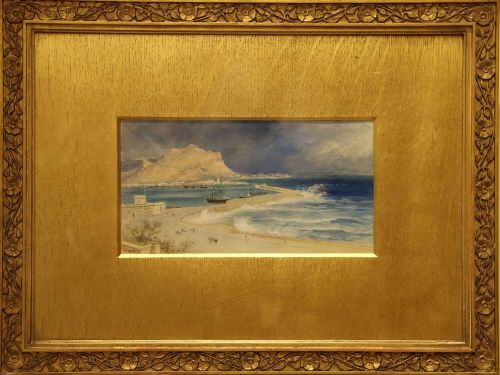
A vintage gilt frame brings warmth and a sense of history to a room, holding oil paintings, watercolours and mirrors with quiet authority.
Vintage Gilt Frame
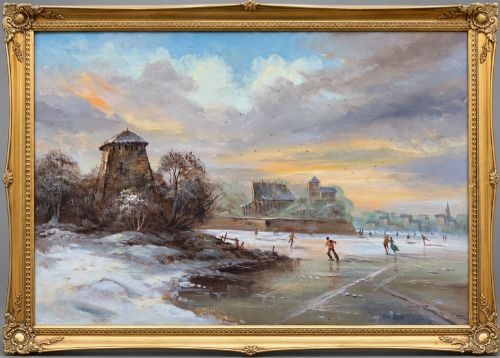
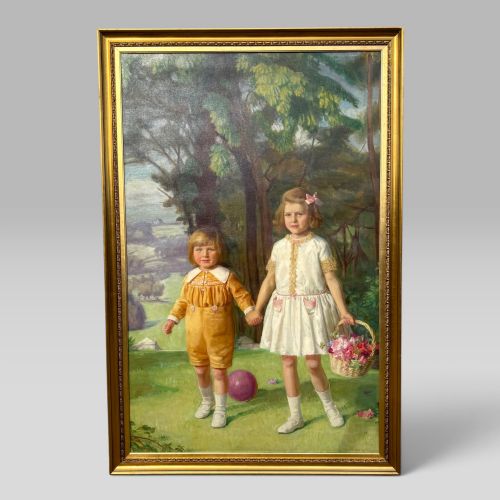
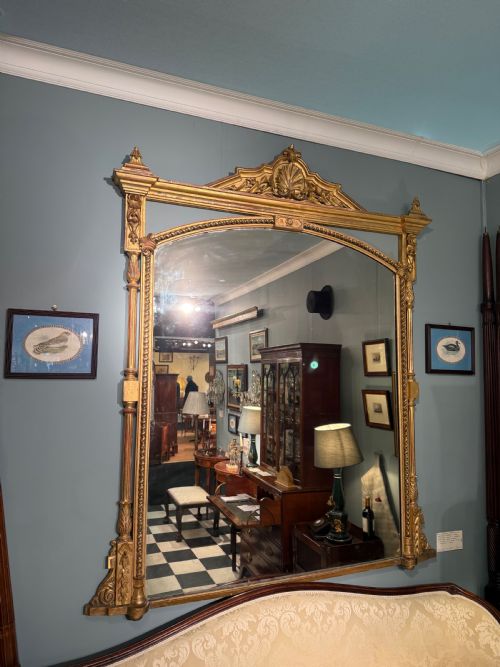
When you search for a vintage gilt frame, you encounter a variety of objects designed to display art or reflect light. These pieces range from deep wooden picture frames intended for oil paintings to grand overmantel mirrors and wall mirrors spanning several centuries.
The selections on this page draw from periods including the seventeenth, eighteenth and nineteenth centuries, alongside Edwardian and mid-twentieth-century examples. You are just as likely to find a French Louis Philippe mirror or an Adam revival piece as a deep giltwood picture frame.
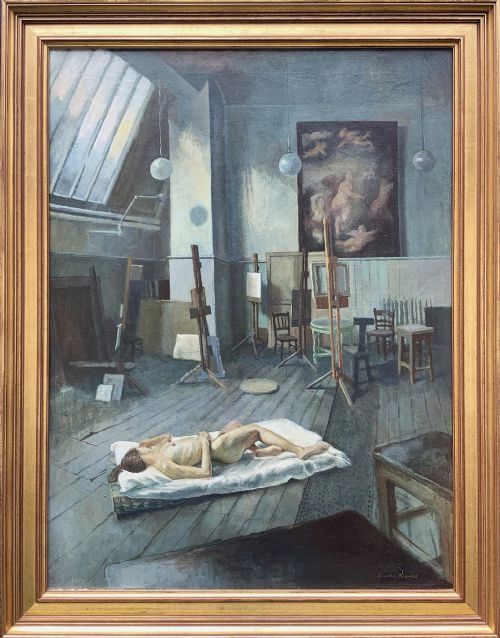
Many of these frames arrive housing original contents, such as oil paintings on canvas, watercolours on paper, or antique mercury glass. Others present themselves as standalone wall mirrors ready to hang in a hallway or above a fireplace.
Materials and construction methods
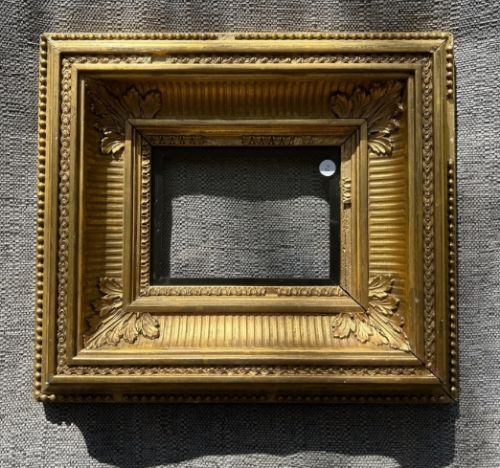
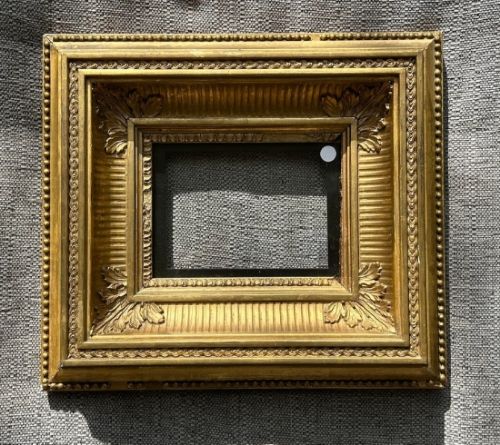
The construction of these pieces relies heavily on wood as a foundational substrate, shaped and carved to form structural profiles. Applied gesso provides a smooth, buildable surface layer that accepts intricate moulding and crisp decorative details before gilding takes place.
Giltwood and gold leaf supply the distinctive metallic sheen characteristic of the style, adhered to the prepared surface using traditional sizing techniques. Where glass is present in mirrors or picture frames, older pieces frequently incorporate mercury glass with characteristic clouding and depth.
Among the reflections and canvases, a stray nineteenth-century spaniel dog stares out from a gilt frame, wondering where the ducks went.
Distinctions in construction and finish
The distinction between tiers of quality rests upon the depth of hand-carving in the wood and the crispness of the gesso mouldings. Finer examples display sharp relief work and deliberate hand-applied gold leaf rather than uniform modern metallic paint.
Surface preservation dictates much of the character, where patination shows the natural ageing of the underlying bole and metal. Well-executed corner joints and substantial timber frames indicate superior craftsmanship compared to lighter, purely decorative reproductions.
The Vintage Gilt Frame Glossary
- Gesso
- A plaster mixture applied to wood frames to create a smooth surface for gilding. It is built up in layers and often carved or stamped with decorative motifs.
- Giltwood
- Timber that has been coated with gold leaf or metallic powder. This material forms the primary structure of many antique and period frames and mirrors.
- Mercury glass
- A type of double-walled silvered glass produced during the nineteenth century. It creates a characteristic mottled reflection due to the silvering mixture poured between the glass layers.
- Overmantel mirror
- A large horizontal mirror designed specifically to hang above a fireplace mantelpiece. These pieces often feature elaborate frames matching specific historical periods such as Regency or Louis Philippe.
Vintage Gilt Frame: Frequently Asked Questions
How do I hang a heavy gilt mirror?
Substantial frames require secure wall fixings anchored directly into structural studs or masonry using heavy-duty brackets. The weight of carved wood and gesso demands professional hardware to ensure stability.
Position the piece at eye level to balance the room and distribute the load evenly across dual mounting points rather than relying on a single central wire.
Can I put a modern painting inside an antique frame?
Placing contemporary artwork into an older setting creates a striking visual contrast by pairing fresh canvases with aged patination. Ensure the depth and rabbet dimensions of the moulding accommodate the stretcher bars correctly.
Use acid-free backing materials and proper spacers to protect the new artwork from direct contact with historical wood and gesso.
How do I clean a gilt frame?
Dust the carved surfaces gently with a soft, dry artist brush or ostrich feather duster to remove loose particles without disturbing fragile leaf. Avoid liquid cleaners, moisture, and chemical solvents entirely.
Water and commercial sprays strip historical gold leaf and soften underlying gesso, causing permanent damage to the antique finish.
What is a Louis Philippe mirror?
A Louis Philippe mirror originates from mid-nineteenth-century France, defined by clean lines and restrained classical ornamentation. These pieces typically feature rounded upper corners and subtle wooden moulding.
The understated elegance makes them versatile additions to both traditional and contemporary interiors, reflecting light effectively without dominating a wall.