


Vintage French Bistro Table
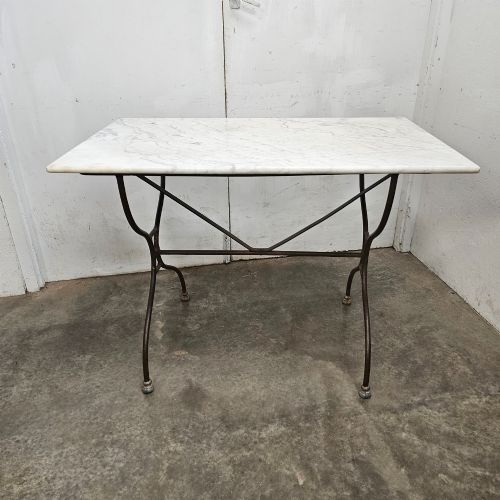
A vintage french bistro table brings utilitarian charm into a home, offering sturdy iron bases and classic marble or wood surfaces.
Vintage French Bistro Table
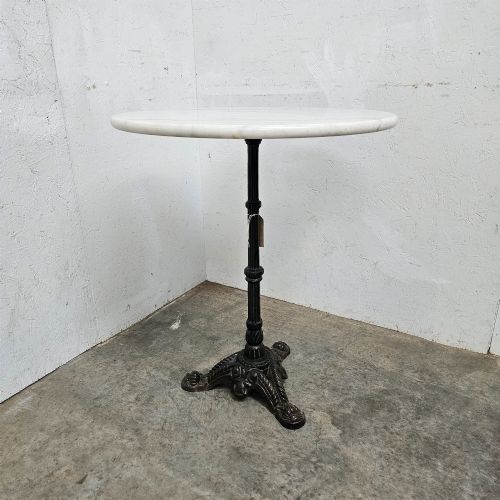
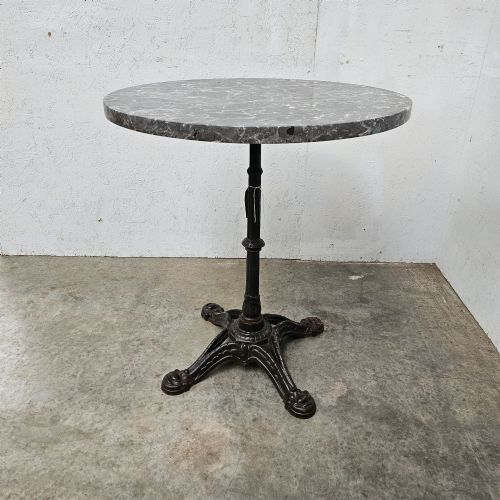
A vintage french bistro table combines heavy metal framing with durable tops, designed originally for commercial hospitality spaces. Buyers searching this phrase encounter circular or rectangular formats intended for compact social dining.
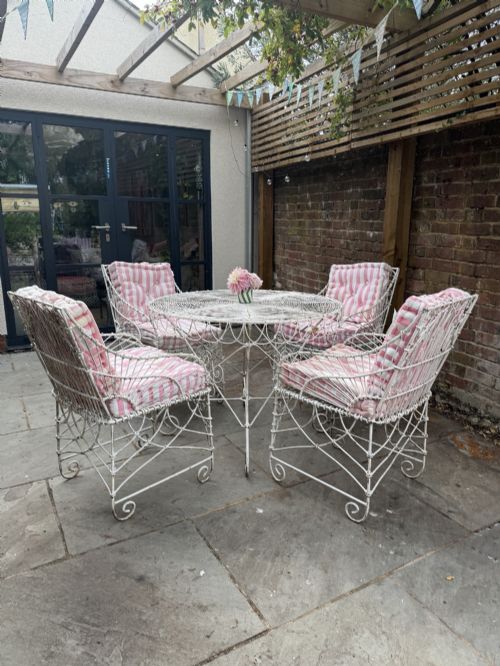
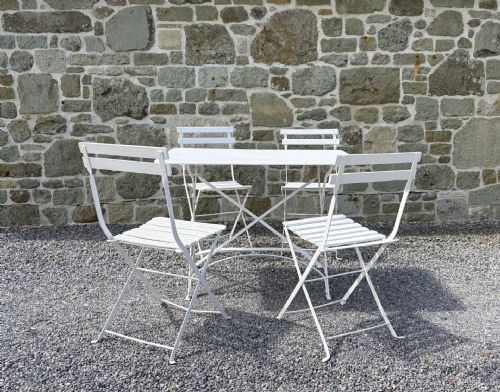
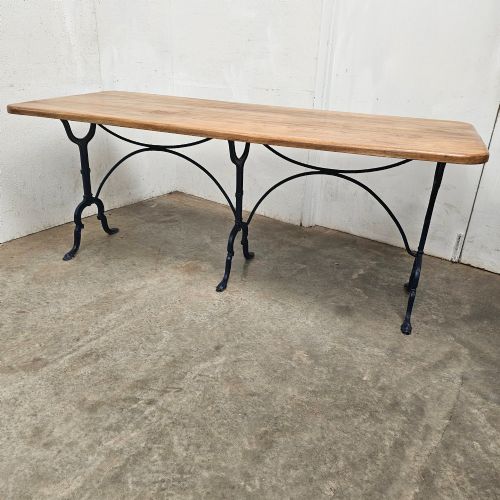
The selections span nineteenth-century productions alongside early twentieth-century examples, frequently incorporating cast iron, wrought iron, or timber. Many survive alongside matching chairs or benches, reflecting complete cafe and garden sets from past decades.
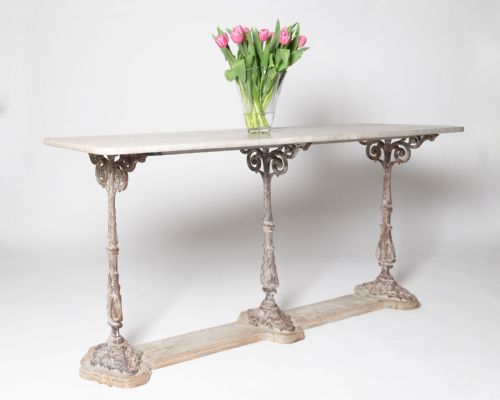
Regional variations encompass French provincial and industrial aesthetics, utilising materials like marble, zinc, and oak. These pieces function easily as daily dining surfaces, side tables, or console arrangements within modern domestic interiors.
Materials and construction
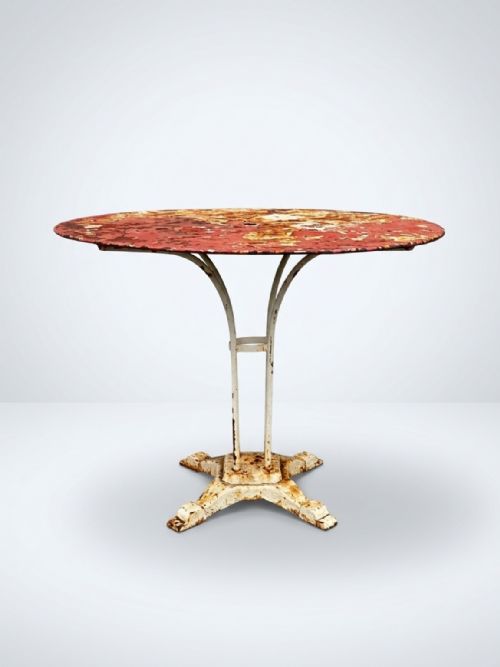
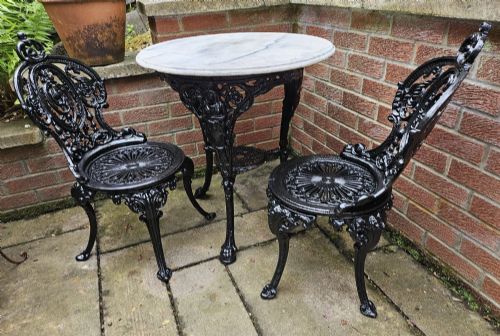
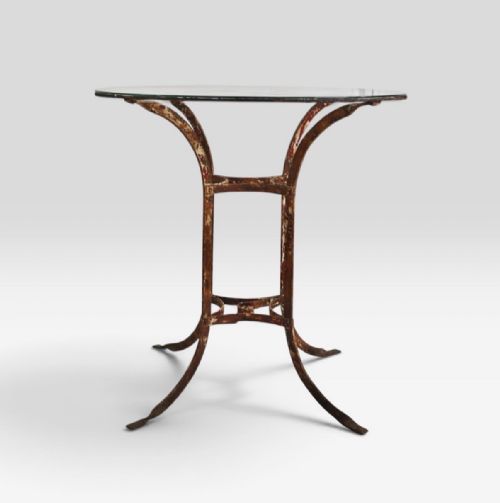
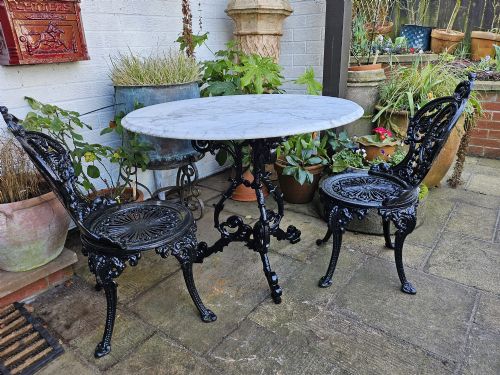
Foundries utilised cast iron and wrought iron for robust pedestal bases and intricate leg supports, providing the necessary weight to stabilise small dining surfaces. These metal components frequently display original painted finishes or patinated surfaces developed through decades of exposure.
Table surfaces rely on contrasting textures, pairing smooth white or green marble slabs with dense timbers like oak, elm, or pine. Structural integrity is maintained through heavy iron stretchers and secure bracket fixings beneath the top.
Several survivors bear the subtle paint splashes and coffee ring scars of a century spent serving past patrons.
Evaluating the standard
Quality rests upon the originality of the marble or timber top and the crispness of the cast iron base details. Pieces retaining their early factory paintwork or genuine weathered patina command greater appreciation among collectors.
Structural stability and unaltered components dictate the longevity of each piece. Tables featuring heavy, undamaged marble slabs paired with rigid, unmodified iron frames represent superior examples of period manufacturing.
The Vintage French Bistro Table Glossary
- Cast Iron
- A strong, heavy alloy poured into moulds to create ornate or utilitarian table bases. It provides the essential weight and stability for small cafe tables.
- Marble
- A metamorphic rock prized for smooth, cool table surfaces that resist staining and heat. White and green varieties are common in nineteenth-century cafe furniture.
- Gueridon
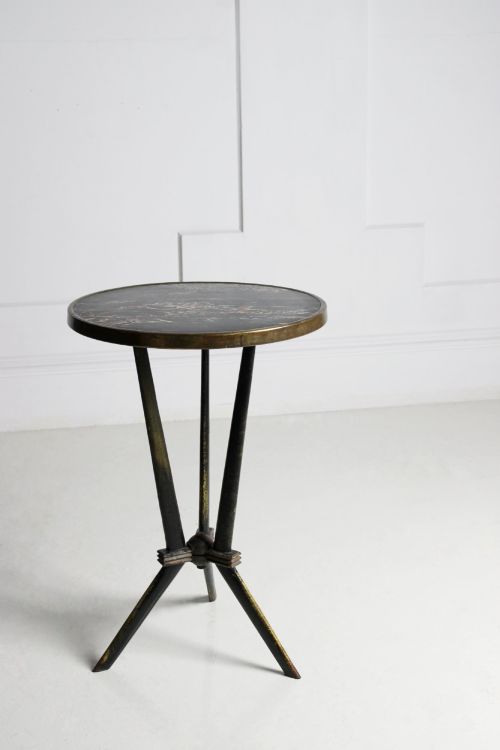
- A small round table supported by a single central pillar or pedestal. This French form appears frequently in nineteenth-century bistro and cafe settings.
- Wrought Iron
- Iron heated and hammered into shape by hand, resulting in durable and often distinctive structural framing. It differs from cast iron through its fibrous grain and resilience.
- Patina
- The surface sheen and colour acquired through age, use, and exposure to the elements. Collectors value this indicator of authenticity and historical depth.
Vintage French Bistro Table: Frequently Asked Questions
How do I clean a marble top?
Use warm water and a mild, pH-neutral soap with a soft cloth to protect the stone surface.
Avoid acidic cleaners or vinegar, which etch the marble and dull the historic finish.
Are these tables suitable for outdoor use?
Many examples originated as garden or cafe furniture designed to withstand outdoor conditions.
Protect vulnerable wood tops and vintage painted metal finishes during harsh winter weather to preserve them.
How do I date a cast iron base?
Examine the casting seams, mounting brackets, and bolt types for signs of nineteenth or early twentieth-century manufacturing methods.
Maker marks or registration numbers cast into the iron underneath can also clarify the production period.
Can I use a bistro table indoors?
Their compact dimensions make these tables ideal for small kitchens, breakfast nooks, or hallway console spaces.
Pair them with mismatched chairs or vintage stools to create an informal dining arrangement.