


Vintage Floral Desk
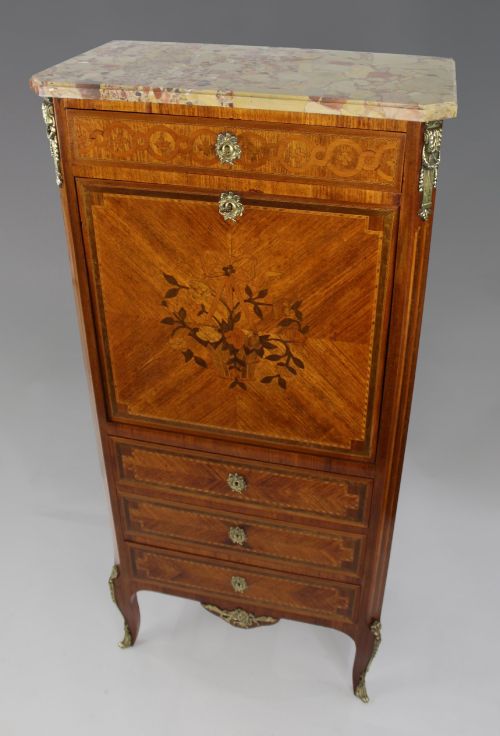
These vintage floral desk pieces bring hand-painted motifs and marquetry to a writing space.
Vintage Floral Desk
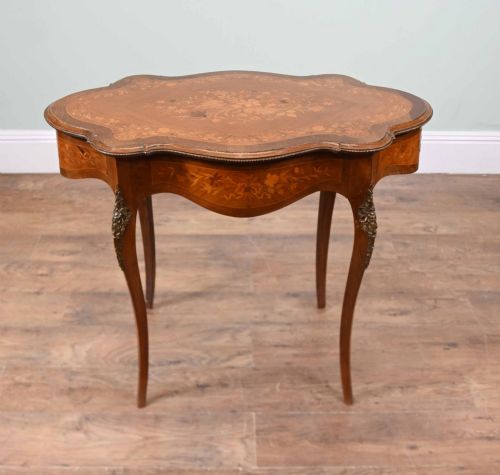
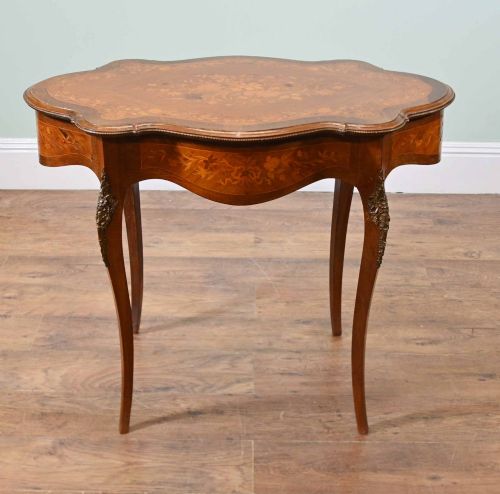
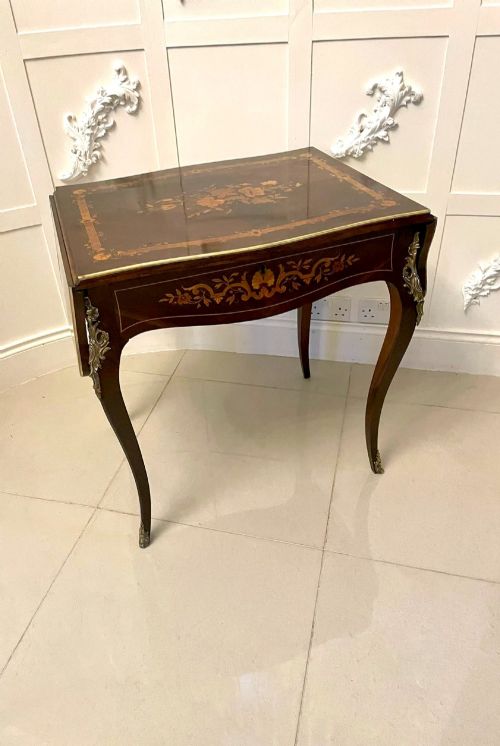
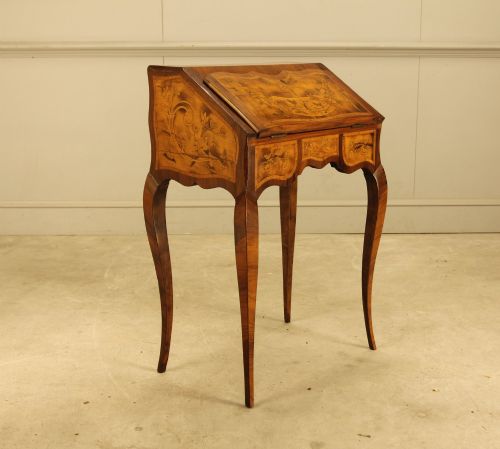
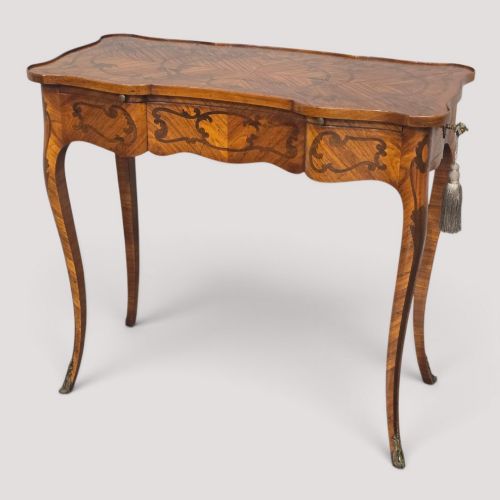
A vintage floral desk brings botanical motifs and inlaid floral patterns into a working space, drawing on styles from the nineteenth century through the early twentieth century. These writing surfaces appear in forms such as bureau desks, kidney-shaped tables, and writing desks produced in French, Italian, and English workshops.
The versions most common in these listings combine timber foundations with marquetry floral details, writing slides, and brass or ormolu mounts. Makers utilised mahogany, walnut, rosewood, and satinwood, applying floral inlays of contrasting woods to the writing surface and drawers.
Alongside standard writing tables, the selection includes related forms like writing cabinets and escritoires. These pieces span Victorian, Edwardian, and Art Nouveau periods, reflecting varied regional approaches to floral decoration on furniture.
How they were made
Cabinet makers constructed these desks using solid timbers like mahogany, oak, and walnut, frequently applying veneers of satinwood and rosewood to exterior surfaces. Artisans cut contrasting wood veneers by hand to form intricate floral marquetry patterns across the tops and drawer fronts.
Metal components such as brass handles, ormolu mounts, and hinges were cast and chased to complement the woodwork. Bureau desks incorporate hinged writing flaps supported by wooden brackets, concealing internal pigeon holes and small drawers built with traditional dovetail joints.
Vintage Floral Desk Retail Price Guide 2026
Typical asking prices for vintage floral desk among the pieces listed under this phrase on Sellingantiques today, from the lower quarter to the upper quarter. They describe what is for sale here now, not the wider market.
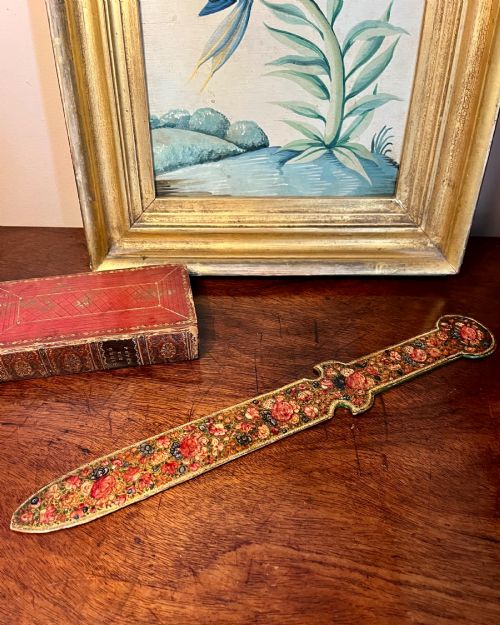
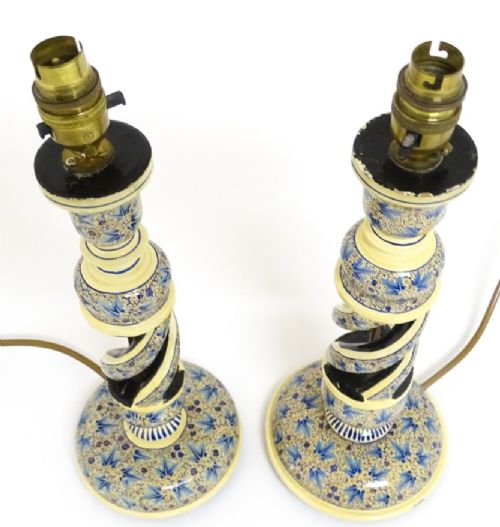
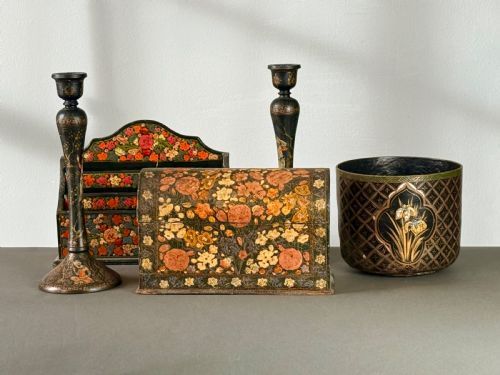
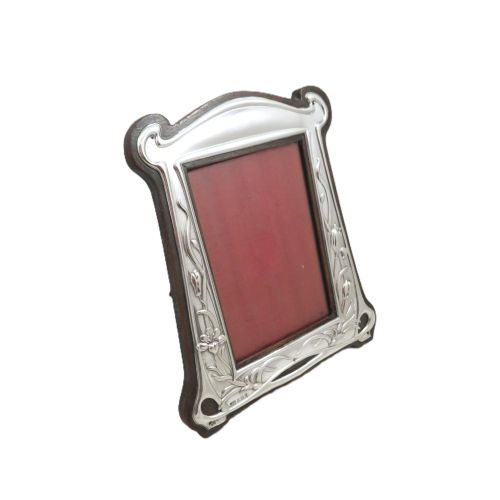
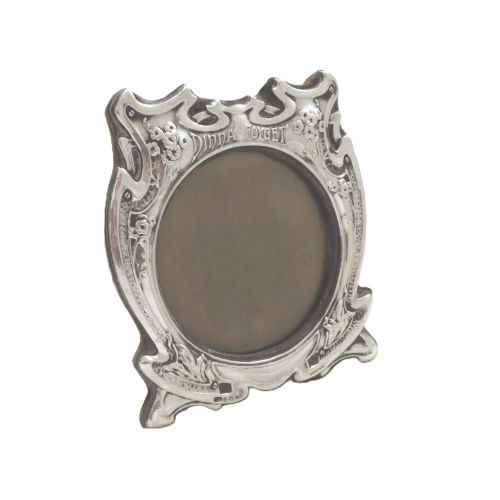
The available pieces encompass French and Italian styles alongside Chinoiserie and Art Nouveau desk accessories.
What varies in quality
The standard of a vintage floral desk depends upon the precision of the marquetry cutting and the depth of the floral engraving. Superior examples display tight joins between contrasting veneer woods and natural shading within the floral petals and leaves.
Construction methods also divide pieces across the range, separating items built with solid secondary timbers and hand-cut dovetails from those employing simpler joinery. The quality of cast ormolu mounts and the retention of original surface polish further distinguish finer workshops.
The Vintage Floral Desk Glossary
- Marquetry
- Decorative veneer work forming pictures or patterns, composed of thin slices of wood applied to a structural carcass. Craftsmen arrange varied timbers to create the floral designs seen on these desks.
- Ormolu
- Gilded bronze mounts applied to furniture edges and corners. This metalwork provides ornamental contrast to the timber surfaces.
- Escritoire
- A small writing cabinet featuring a sloping or drop-front writing surface. These pieces often contain internal compartments for letters and stationery.
- Satinwood
- A durable, lustrous yellow-brown timber imported from tropical regions. Cabinet makers used it extensively for contrasting inlay work and banding.
- Bureau
- A desk with a hinged sloping lid that covers a set of drawers and pigeon holes. It serves as a compact writing station.
Vintage Floral Desk: Frequently Asked Questions
What is a vintage floral desk?
A vintage floral desk is a writing table or bureau decorated with floral marquetry, hand-painted botanical motifs, or inlaid floral veneers. These pieces date primarily from the nineteenth and early twentieth centuries.
They combine practical writing surfaces with ornamental woodwork, reflecting periods such as the Victorian and Edwardian eras.
How were these desks used?
These desks served as private writing stations for correspondence, diary keeping, and managing household accounts. The integrated drawers and pigeon holes held stationery, inkwells, and letters.
In period interiors, they functioned as both working furniture and decorative items in studies, bedrooms, and drawing rooms.
How do I date a desk?
Dating relies on identifying construction methods, timber choices, and stylistic markers associated with specific periods. Nineteenth-century examples often employ hand-cut dovetails and distinct marquetry techniques.
Comparative study of hardware, such as brass pulls and ormolu mounts, also helps narrow the date of manufacture.
How do I care for the wood?
Maintenance involves keeping wooden surfaces away from direct sunlight and maintaining stable indoor humidity to prevent veneer lifting. Regular dusting with a soft cloth preserves the original polish.
Harsh chemical cleaners should be avoided in favour of traditional paste wax applied sparingly when the timber appears dry.