

Vintage Figure Ornament
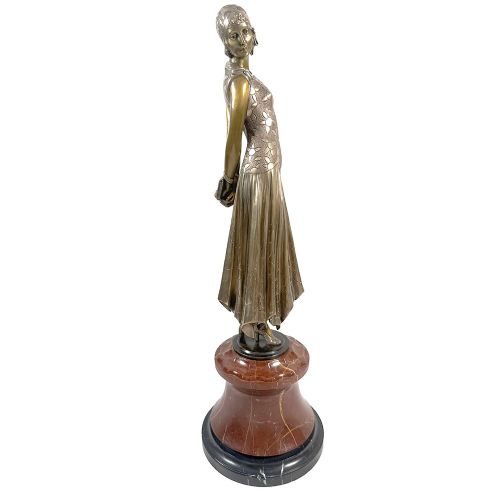
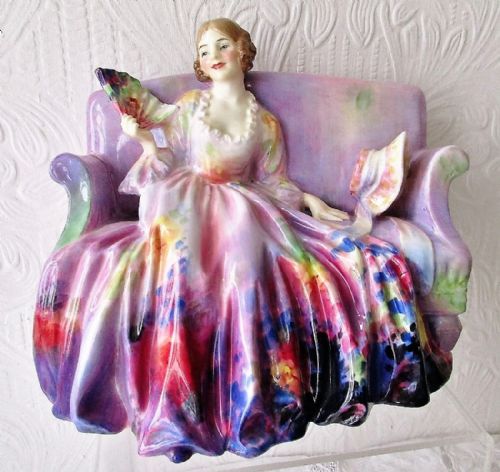
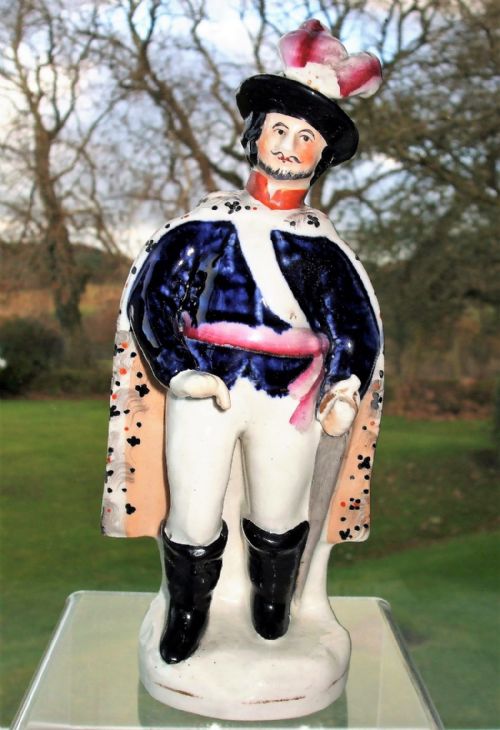
These vintage figure ornament examples span centuries of foundry work, carving, and ceramic modelling, offering tangible history for display.
Vintage Figure Ornament
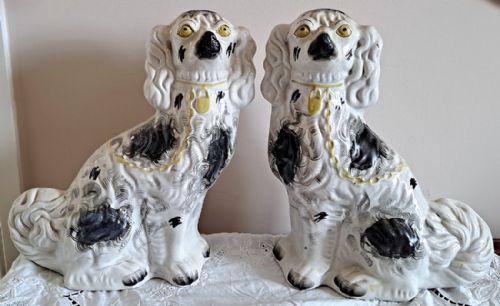
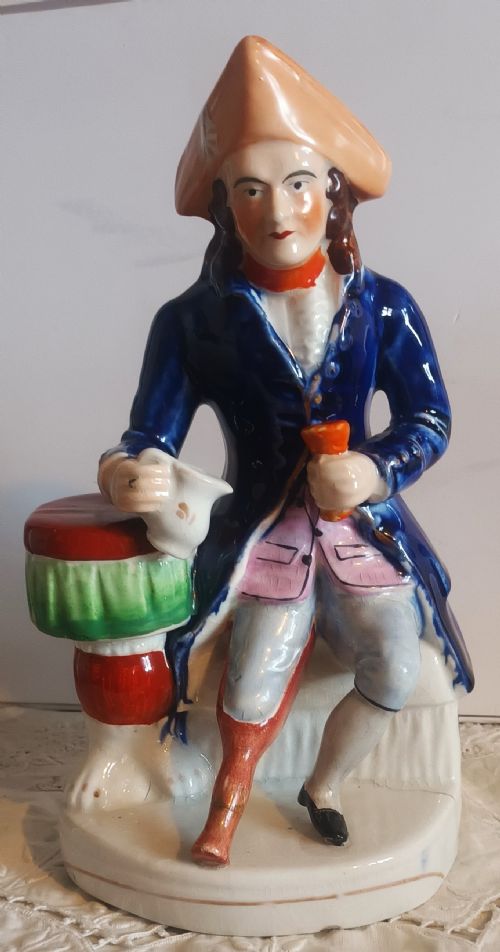
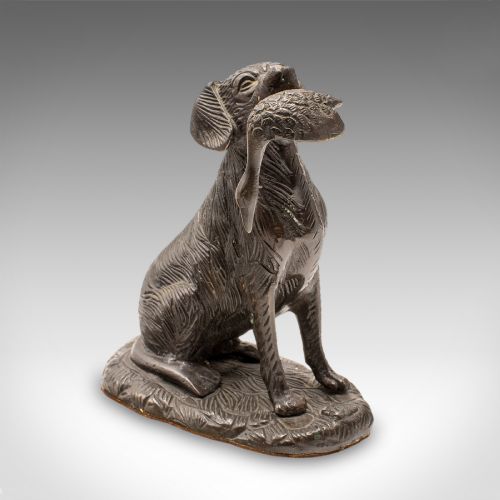
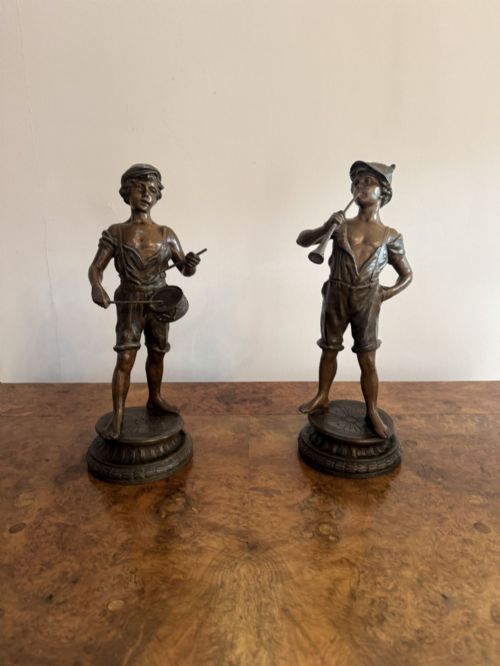
A vintage figure ornament encompasses sculptural representations of humans, animals, and mythological subjects created across the nineteenth and twentieth centuries. Buyers encounter diverse interpretations ranging from naturalistic animalier studies and classical figures to folk art carvings and Staffordshire pottery dogs.
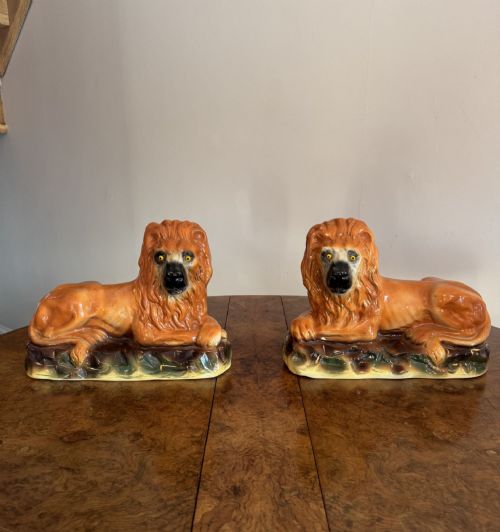
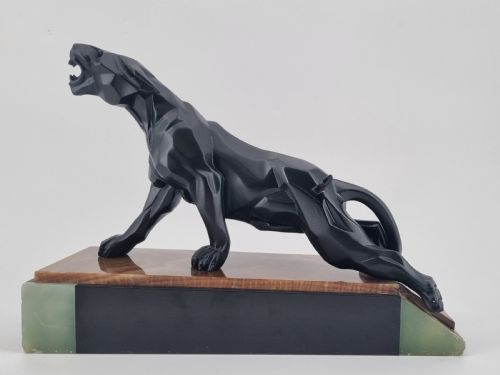
The selection on this page draws heavily from Victorian earthenware, Edwardian carved timber, and Art Deco metalwork. Whether searching for a small desk tidy or a garden statue, collectors find pieces shaped by distinct regional traditions and period aesthetics.
Materials and construction
Makers utilised a diverse palette of metals, woods, and minerals to construct these figures. Bronze and cast iron castings appear alongside hand-carved linden wood, cedar, jade, and hardstone, reflecting the prevalent industrial and artisanal techniques of each era.
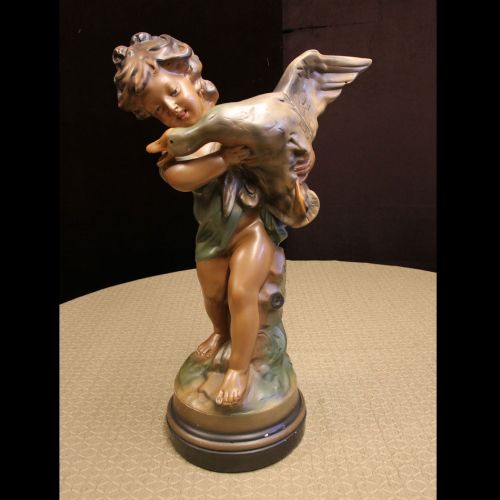
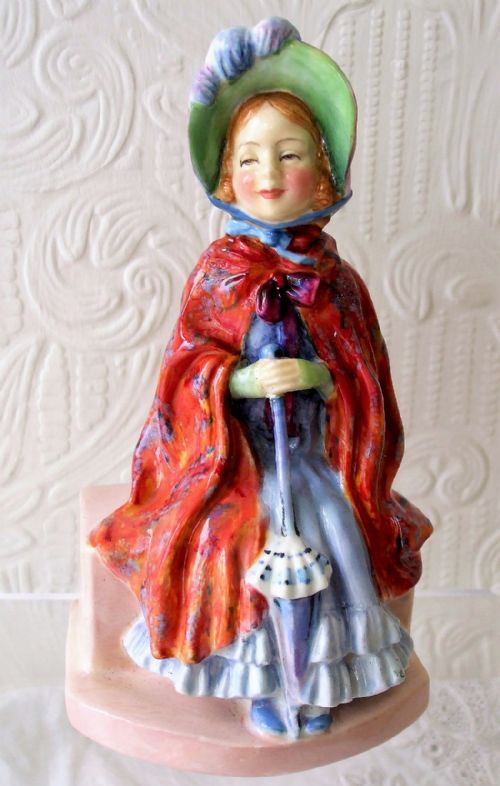
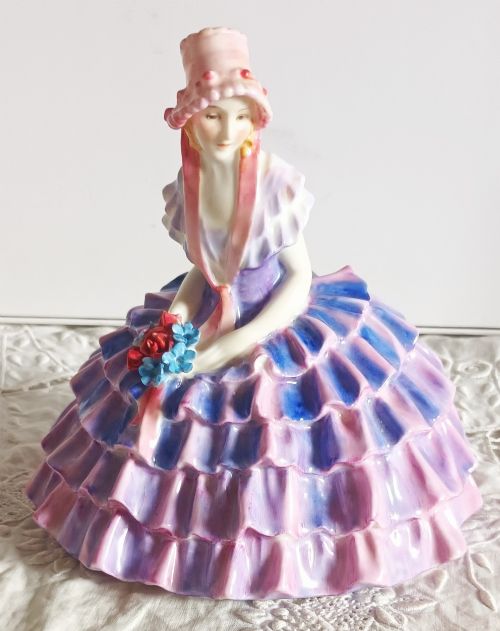
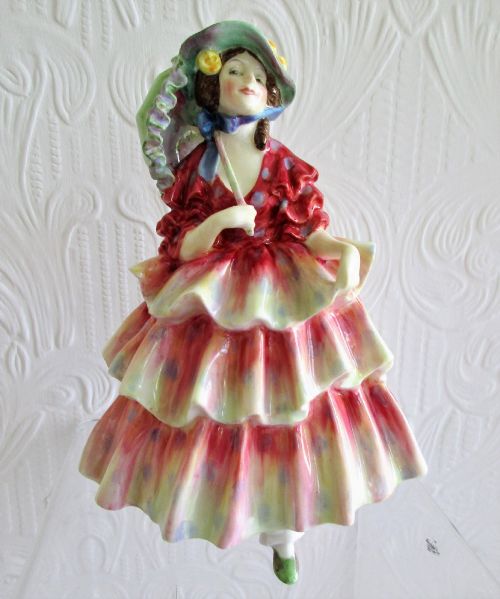
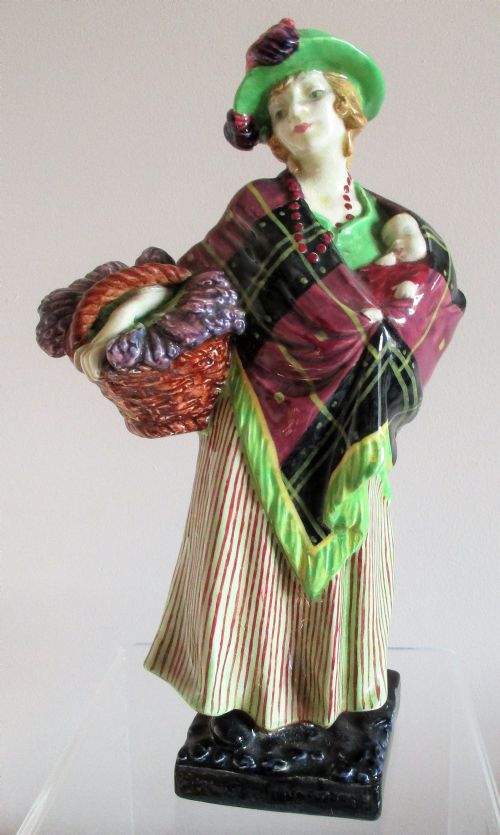
Ceramic pieces rely on earthenware, bone china, bisque, and glazed porcelain, often finished with detailed paintwork or glaze applications. Metal sculptures frequently employ cold-painting or gilding over bronze, spelter, and silver to accentuate fine surface textures.
Vintage Figure Ornament Retail Price Guide 2026
Typical asking prices for vintage figure ornament among the pieces listed under this phrase on Sellingantiques today, from the lower quarter to the upper quarter. They describe what is for sale here now, not the wider market.
A cast iron boot scraper shaped like a lion stands ready to tackle muddy footwear from the nineteenth century.
Judging quality in sculptural pieces
Quality rests upon the crispness of the casting, the fidelity of the carving, and the precision of the hand-painted or glazed details. Superior examples exhibit anatomically convincing forms and confident tool marks that reveal the hand of a skilled artisan or foundry.
Condition and originality dictate desirability, particularly regarding weathered garden stone, untouched patination on bronzes, and unbroken ceramic extremities. Pieces retaining their original mounts, stands, or cold-painted finishes command greater appreciation.
Berthold Muller·Shuho Nakahara·Royal Copenhagen·Pierre Collinet·Bruno Zach·P J Mêne
The Vintage Figure Ornament Glossary
- Animalier
- A nineteenth-century artistic style and movement focusing on realistic depictions of animals, particularly predators, horses, and hounds.
- Cold-painted bronze
- Metal sculpture decorated with unfired oil-based paints applied directly onto the bronze surface, a technique favoured by Austrian foundries.
- Bisque
- Unglazed white porcelain fired once to produce a matte, marble-like texture frequently utilised for nineteenth-century figures.
- Okimono
- A Japanese traditional decorative carving designed for display on a household shelf or tokonoma.
- Spelter
- A zinc alloy utilised as a less expensive substitute for bronze in the production of decorative figures and lamps, often given a bronze-like finish.
Vintage Figure Ornament: Frequently Asked Questions
How do I clean antique bronze figures?
Dust gently with a soft, dry brush to preserve the historical patination accumulated over decades of display.
Avoid chemical polishes or water, which can strip the original surface finish and damage delicate cold-painted details.
Where were Staffordshire figures displayed?
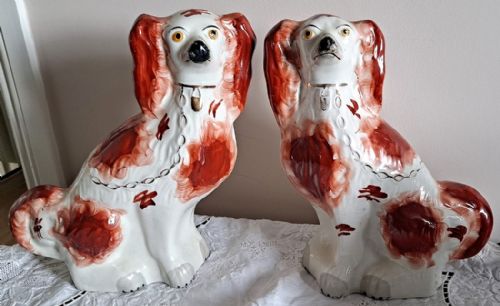
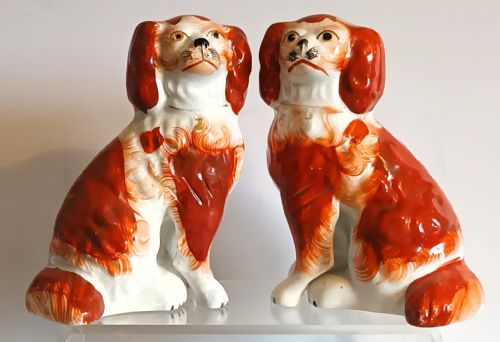
Victorian households traditionally placed pottery spaniels and figures on mantelpieces, often arranged as facing pairs to frame the hearth.
Their flat backs allowed them to sit flush against the wall on narrow shelves.
Are cast iron animal figures suitable for gardens?
Many nineteenth and early twentieth-century cast iron figures, such as boot scrapers and lions, were engineered specifically for outdoor entranceways.
Weathering adds to their character, though monitor for rust spots if humidity levels fluctuate significantly.
How do I distinguish spelter from bronze?
Spelter is lighter than bronze, softer to the touch, and often reveals a grey or white metal underneath worn paint or patination.
Foundry marks and sharper surface cold-working typically indicate genuine bronze casting.