

Vintage Dresser Drawers
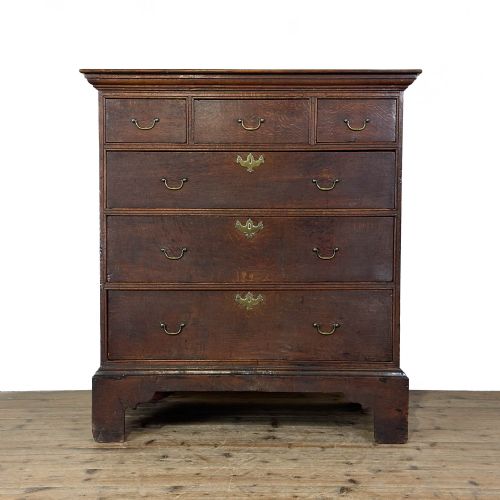
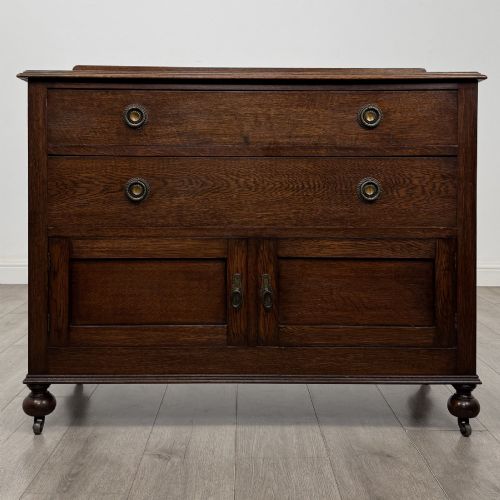
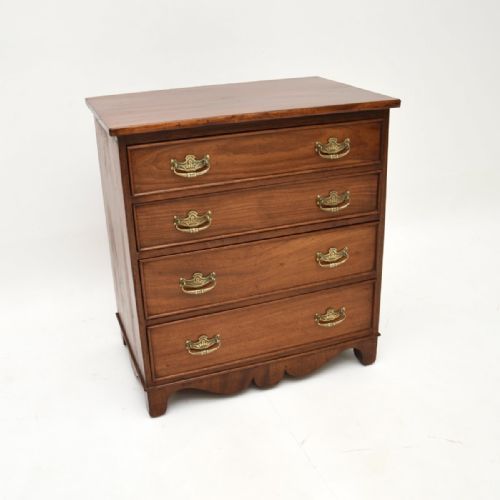
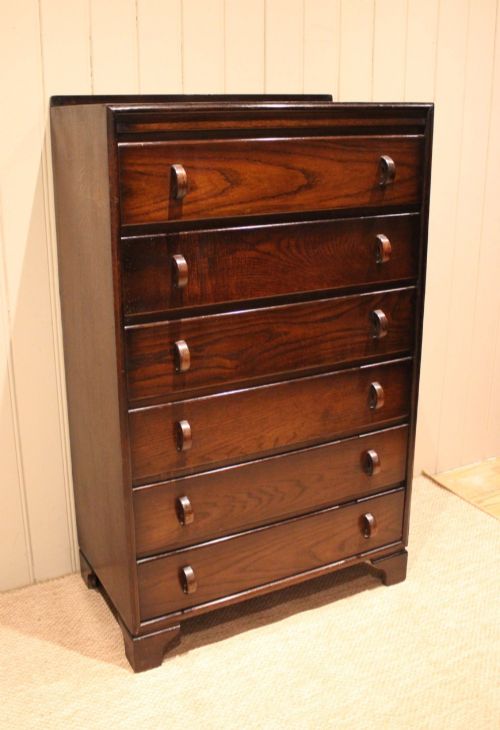
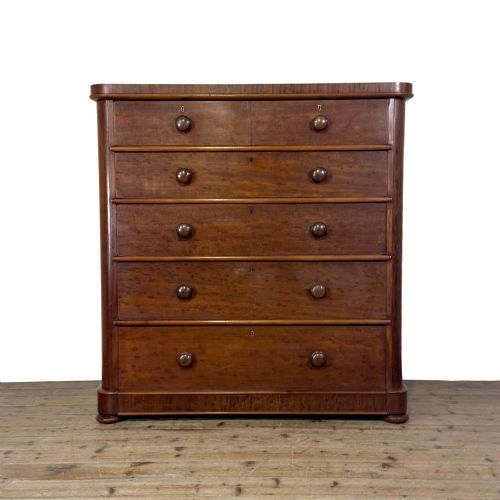
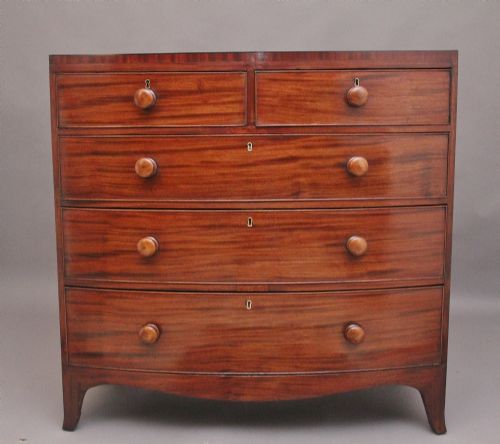
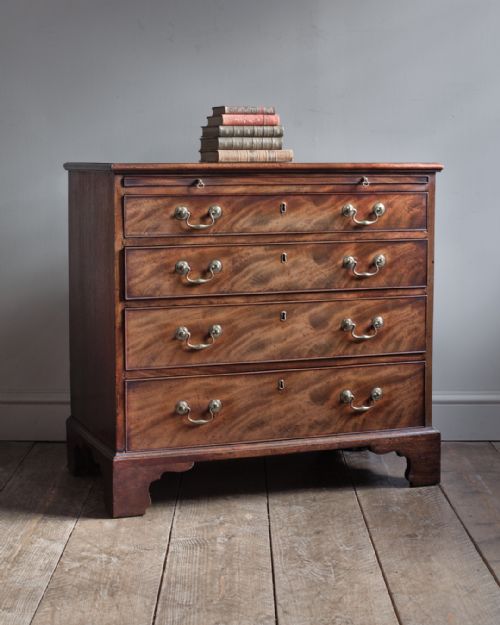
These vintage dresser drawers offer solid timber storage ranging from Georgian walnut to Art Deco burr walnut.
Vintage Dresser Drawers
When buyers search for vintage dresser drawers, they encounter forms including chests of drawers, tallboys, dressing tables and sideboards. These pieces provide practical household storage through stacked horizontal compartments housed within wooden carcases.
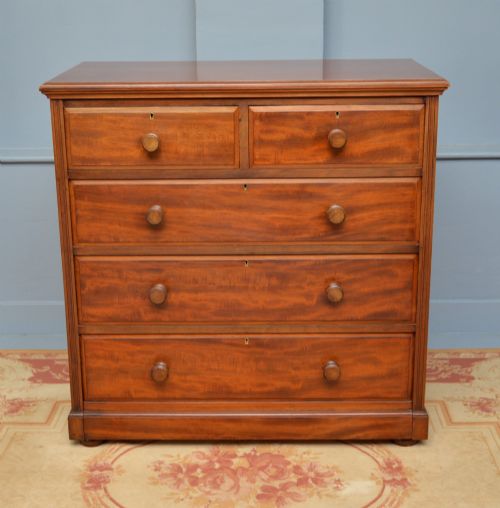
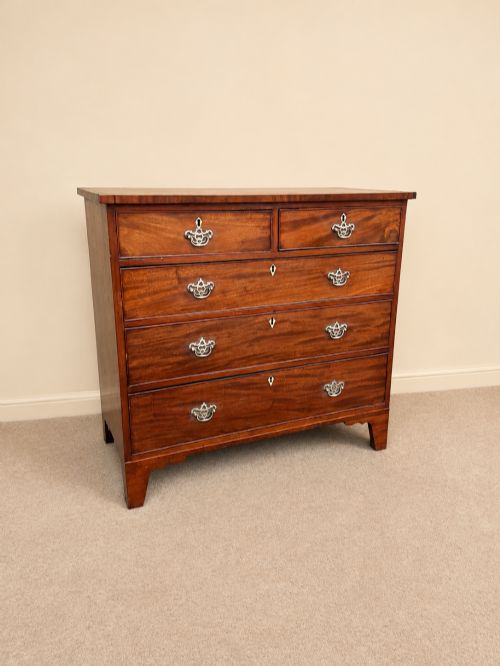
The selections span centuries of cabinet making, reaching from 18th century Georgian walnut up through Victorian mahogany, Edwardian bow-fronts and 1930s Art Deco designs. Mahogany and walnut examples dominate, accompanied by utilitarian pine and oak variants.
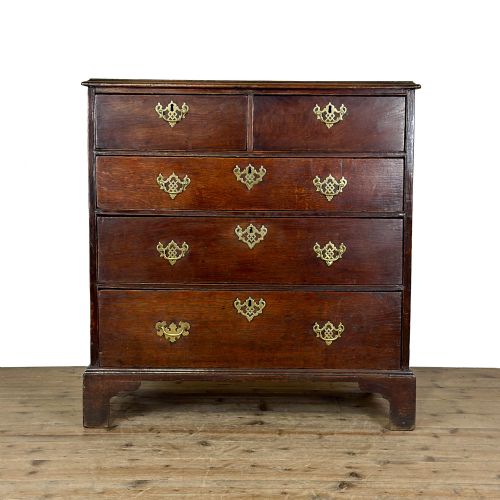
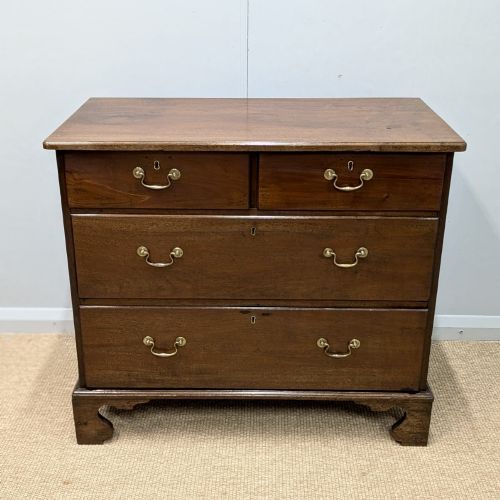
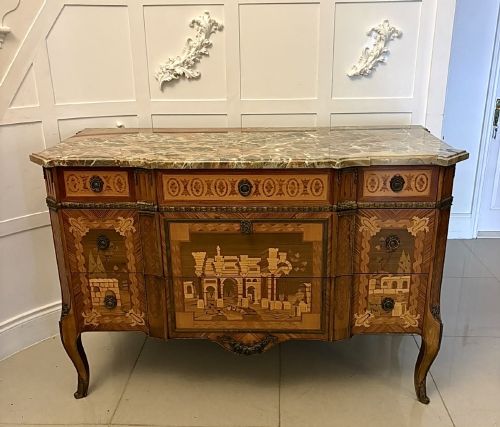
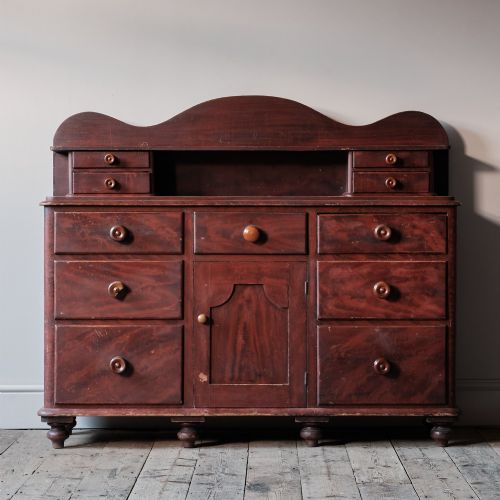
Buyers frequently meet mahogany and walnut chests fitted with brass hardware, alongside painted pine items and marble-topped variants. Proportions range from diminutive apprentice pieces and miniature furniture up to towering five-height chests.
Materials and construction
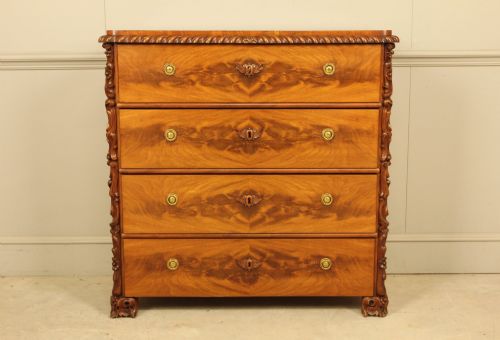
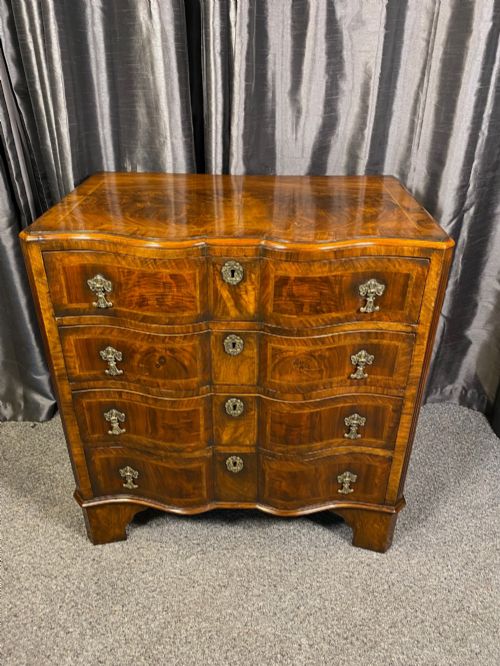
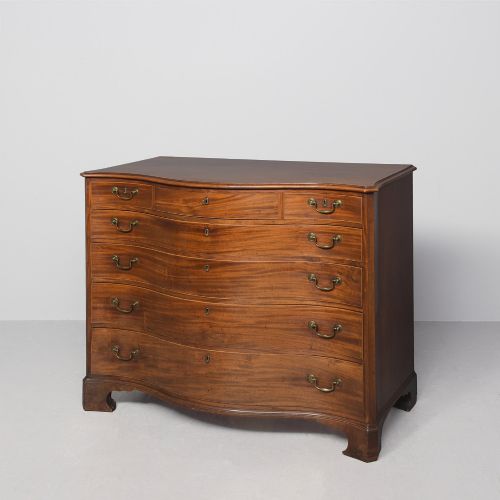
Cabinet makers utilised dense hardwoods such as mahogany, walnut and burr walnut for fine formal pieces, frequently applying decorative veneers and cross-banding to curved bow-front or serpentine carcases. Oak and pine served for regional items, painted finishes and internal drawer linings.
Detailing relied on brass handles, turned wooden knobs, bun feet, bracket feet and barley twist legs, while specialised examples incorporated white marble tops or applied ebonised decoration in the Jacobean revival taste.
Vintage Dresser Drawers Retail Price Guide 2026
Typical asking prices for vintage dresser drawers among the pieces listed under this phrase on Sellingantiques today, from the lower quarter to the upper quarter. They describe what is for sale here now, not the wider market.
Evaluating the standard of execution
Superior examples demonstrate precise timber selection, evident in symmetrical flame mahogany grain or matched burr walnut veneers across the drawer fronts. Finer pieces also maintain crisp joins on bracket feet and smooth drawer operation within the carcase.
Lower tiers typically involve simpler domestic pine or plain oak construction with heavier proportions and minimal decorative embellishment. The presence of documented workshop labels or original brass hardware elevates specific individual items.
Bath Cabinet Makers·Heals·Waring and Gillow
The Vintage Dresser Drawers Glossary
- Bow-front
- A convex curved cabinet front popular in Georgian and Edwardian designs. This curved profile softens the rectangular geometry of standard storage chests.
- Serpentine
- A horizontally undulating front edge featuring a convex centre flanked by concave curves. This intricate shape requires considerable skill from the woodworker.
- Tallboy
- A tall chest of drawers constructed in two stacked sections. This vertical format provides generous storage without occupying excessive floor space.
- Burr walnut
- Timber harvested from walnut tree growths showing intricate, swirling grain patterns. Cabinet makers prized this wood for high-status decorative drawer fronts.
- Bracket foot
- A structural support projecting from the lower corners of a piece, shaped like a bracket. Georgian makers frequently employed splayed versions.
Vintage Dresser Drawers: Frequently Asked Questions
How do I date a wooden chest?
Examine the timber species, handle styles, foot configurations and construction methods used in the drawers. Georgian pieces often feature oak linings and bracket feet, while Victorian items typically show heavier mahogany proportions.
Secondary indicators include drawer dovetail regularity and the presence of applied veneers like burr walnut or flame mahogany. Comparing these characteristics against known period styles clarifies the manufacturing era.
Are marble top chests practical?
Marble top chests provide a durable, heat-resistant surface historically utilised for washing and grooming tasks in bedrooms. The stone adds significant weight to the piece.
Living with a marble top requires care regarding acidic liquids which can etch the polished stone surface over time.
What distinguishes a tallboy from a standard chest?
A tallboy incorporates a significantly taller vertical format, frequently constructed as two distinct sections stacked upon one another. This configuration maximises vertical storage capacity.
Standard chests maintain a lower, broader profile suitable for supporting mirrors or decorative objects on the top surface.