





Vintage Deer Sculpture
These vintage deer sculpture pieces capture the striking form of stags, does and fawns in bronze, carved wood, spelter and porcelain.
Vintage Deer Sculpture
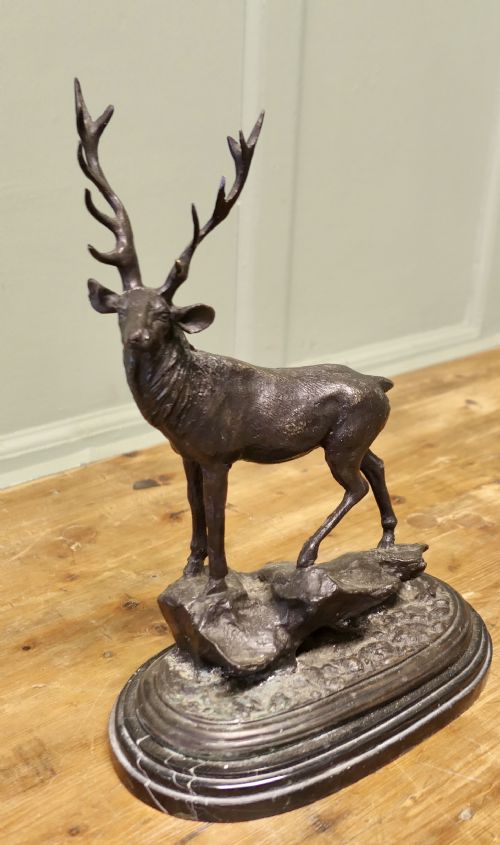
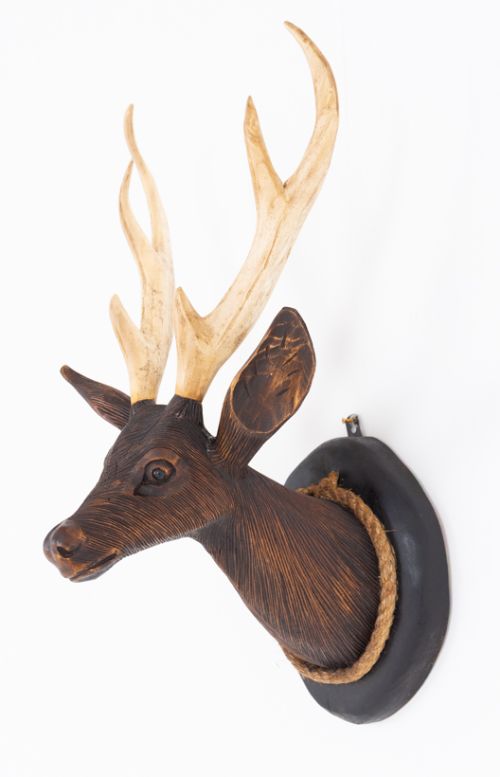
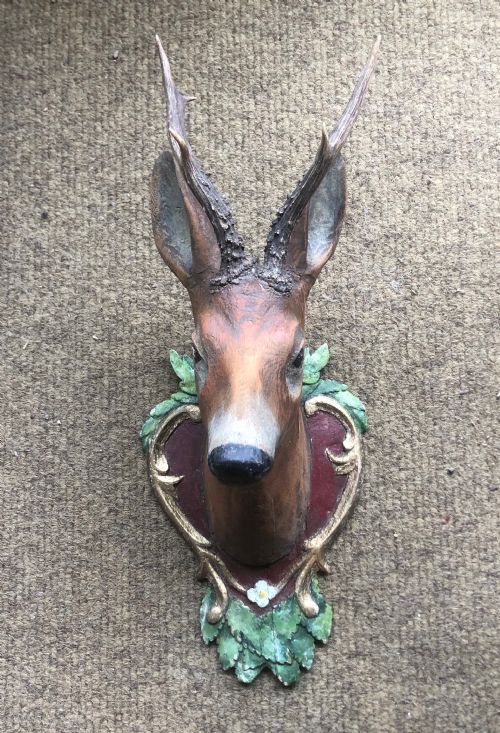
When buyers search for vintage deer sculpture, they encounter figures ranging from Victorian bronze stags set on marble plinths to 1930s Art Deco spelter groups. Animalier bronzes and Black Forest style carved wood stags heads also appear among these offerings.
The most common versions on this page combine naturalistic animal forms with decorative bases, spanning materials like soft-paste porcelain, ceramic with gilded highlights, and carved antler. Pieces stretch across multiple periods, from Georgian porcelain recumbent stags to Scandinavian folk art painted deer.
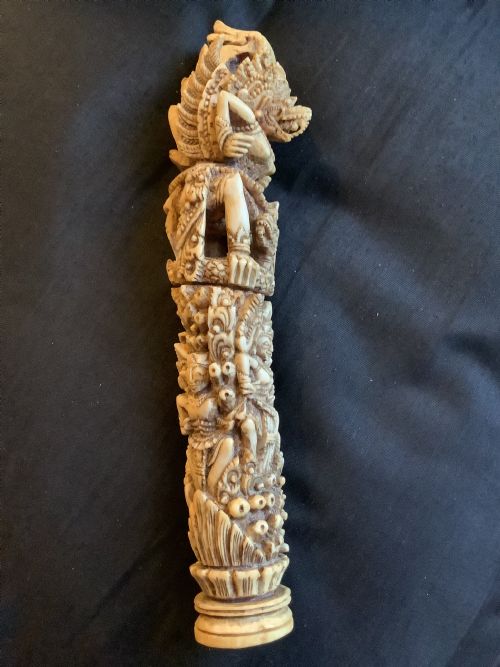
Forms vary widely from freestanding tabletop sculptures and wall mounts to functional items like sword hilts and porcelain figurines. Each object translates the quiet posture of deer into lasting media through diverse historical styles.
How they were made
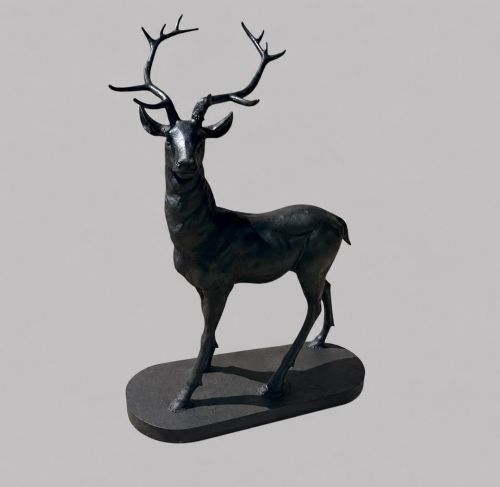
Foundries cast metal pieces in bronze and spelter, often mounting the resulting stags and does onto polished marble and onyx bases. Ceramic and porcelain figures utilise traditional moulding and painting techniques, adding gilded highlights for surface detail.
Carved wood pieces employ hand-working methods to shape timber and antler into detailed wall sculptures and figures, reflecting Black Forest and folk art traditions. Paint and natural finishes complete the surfaces on wooden and ceramic examples.
Vintage Deer Sculpture Retail Price Guide 2026
Typical asking prices for vintage deer sculpture among the pieces listed under this phrase on Sellingantiques today, from the lower quarter to the upper quarter. They describe what is for sale here now, not the wider market.
What varies in quality
The division between simpler items and finer works rests in the precision of the casting or carving and the fidelity of the animal anatomy. Sculptures bearing artist signatures or originating from established ceramic factories command attention through crisper detailing and balanced composition.
Materials dictate the character and weight of each piece, with solid bronze and carved wood offering distinct tactile qualities compared to spelter or ceramic. The integration of supporting elements, such as marble plinths or porcelain bocage, shapes the overall presence of the sculpture.
I. Rochard·Derby
The Vintage Deer Sculpture Glossary
- Animalier
- A nineteenth-century artistic movement focusing on the realistic portrayal of animals. Sculptors in this tradition studied anatomy closely to capture creatures in motion or repose.
- Spelter
- A zinc alloy commonly utilised as a less expensive alternative to bronze during the art deco period. It accepts patination and metallic paint finishes readily.
- Bocage
- A background of applied porcelain foliage and flowers surrounding a central figure. It appears frequently on eighteenth-century porcelain pieces.
- Black Forest
- A style of wood carving originating from the mountainous region of central Europe, known for realistic representations of local fauna and flora.
Vintage Deer Sculpture: Frequently Asked Questions
What materials make up these sculptures?
These pieces utilise a diverse range of materials including cast bronze, spelter, soft-paste porcelain, carved wood, ceramic and deer antler. Many metal works incorporate marble or onyx bases.
Folk art examples feature painted wood surfaces while porcelain figures incorporate delicate details like floral bocage.
How do I identify an Art Deco deer figure?
Art Deco pieces from the 1930s often feature stylized animal forms paired with geometric marble and onyx plinths. The materials frequently include spelter or ceramic with painted surfaces.
These designs emphasise sleek lines and modern aesthetics compared to earlier nineteenth-century animalier bronzes.
Where were Black Forest carvings made?
Black Forest carvings originate from the wooded mountain region spanning parts of central Europe, particularly Switzerland and Germany. Artisans there specialised in detailed wood sculpture.
Their work often depicts stags heads and forest animals intended for wall mounting or interior decoration.
How do porcelain deer figures differ from metal ones?
Porcelain figures, such as Georgian examples, involve ceramic moulding and hand-painting, frequently accompanied by decorative floral elements like bocage. They offer a glossy, refined finish.
Metal sculptures in bronze or spelter provide greater weight and durability, capturing muscular definition and antler texture through casting techniques.