




Vintage Console Pair
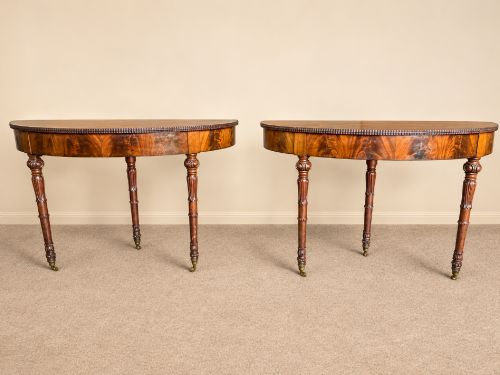
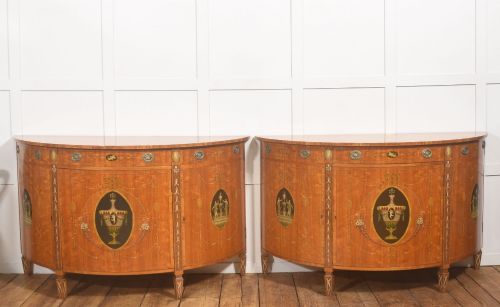
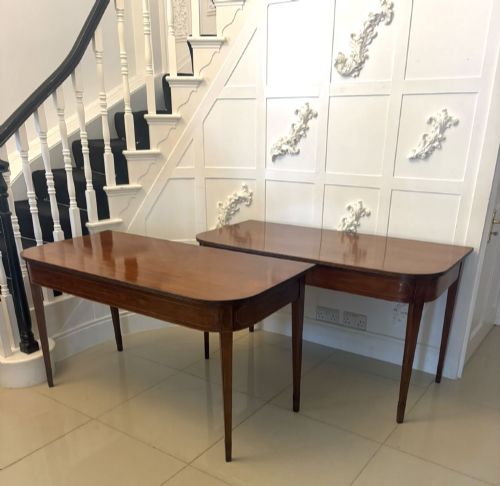
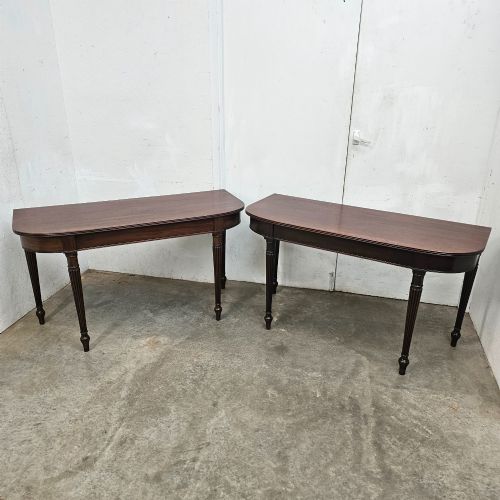
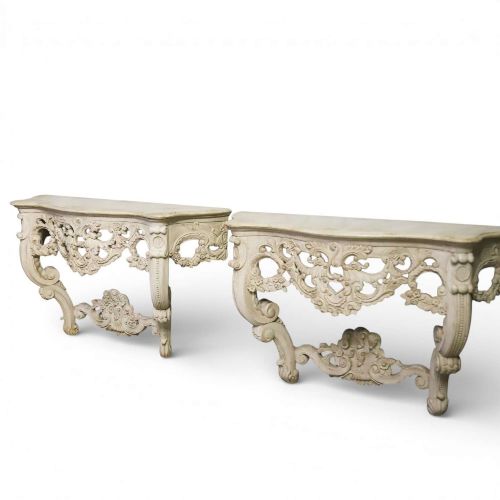
A vintage console pair brings symmetry and balanced display to a room, offering matched surface space through twin tables designed to anchor a wall together.
Vintage Console Pair
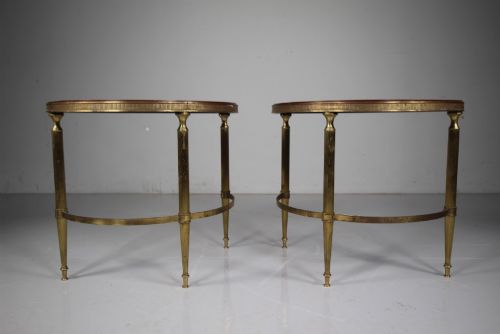
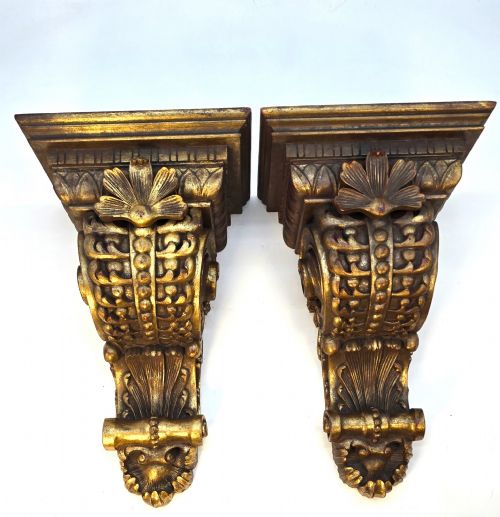
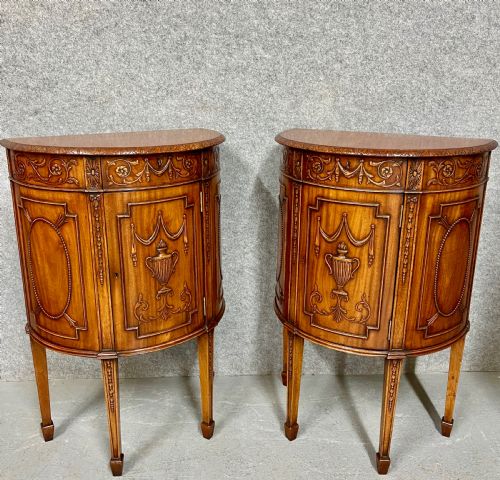
A vintage console pair comprises two matching tables designed to stand against a wall, frequently taking the form of demi-lune shapes, side tables or wall brackets. These pieces appear across various eras, including the eighteenth century, the nineteenth century, and twentieth-century decades up to the 1930s. Buyers searching for a vintage console pair will encounter diverse forms ranging from French hand-carved wall consoles to English mahogany pieces and Swedish pine tables.
The selection includes specific regional designs and revival styles such as Sheraton Revival, Adam style, and Art Deco. Many examples utilise traditional half-moon or demi-lune formats that suit narrow hallways, drawing rooms or flanking spaces. Alongside standard console tables, the evidence includes display tables, side cabinets, and wall brackets that function in similar pairs.
Materials and construction methods
Cabinetmakers constructed these tables using timbers such as mahogany, oak, walnut, satinwood, and pine, frequently combining solid woods with veneers. Surface finishes vary from natural polished wood grains to painted wood, antique white finishes, and giltwood or parcel-gilt details. Certain examples incorporate marble tops or brass elements to add weight and refined texture to the design.
Joinery techniques span traditional framing, hand-carving, and inlay work, with specific pieces utilising X-frame stretchers for structural support. Gilded wall brackets and hand-carved French console tables demonstrate specialist surface ornamentation, while shop display tables and tailors shop pieces rely on utilitarian sturdiness.
Vintage Console Pair Retail Price Guide 2026
Typical asking prices for vintage console pair among the pieces listed under this phrase on Sellingantiques today, from the lower quarter to the upper quarter. They describe what is for sale here now, not the wider market.
Several pairs spent their earlier working lives inside French tailors' shops before retiring to domestic hallways.
Distinctions in craftsmanship and finish
The distinction between standard examples and superior pieces rests on the precision of the timber selection and the crispness of any carved ornament. Fine mahogany, burr walnut, and satinwood figures elevate a piece, whereas simpler pine or painted versions rely on the charm of their finish and regional character. Hand-carved giltwood and detailed inlay work require high levels of artisan skill that separate basic utility items from decorative showpieces.
Proportion and the integrity of the matching pair also determine overall standing. Tables that retain their original marble tops, harmonious proportions, and authentic period finishes hold greater visual cohesion than mismatched or heavily altered items.
Gillows
The Vintage Console Pair Glossary
- Demi-lune
- Half-moon shape in furniture design. This format allows console tables to sit flush against a wall while occupying minimal floor space.
- Giltwood
- Wood that has been coated with gold leaf or a gold-coloured metallic finish. It appears frequently on decorative wall brackets and revival console frames.
- Satinwood
- A hard, durable timber with a characteristic golden-satin sheen. It was favoured by cabinetmakers during revival periods for fine inlay and veneering.
- Wall bracket
- A decorative support shelf fixed directly to a wall. These pieces are often carved from wood and gilded to display ornaments.
- X-frame stretcher
- An intersecting cross-brace placed between the legs of a table for added rigidity. This structural feature appears on nineteenth-century mahogany tables.
Vintage Console Pair: Frequently Asked Questions
Where should I place a vintage console pair?
These twin tables work best when positioned symmetrically in an entrance hall, either side of a fireplace, or beneath matching wall mirrors. Their shallow depth allows them to fit narrow circulation spaces without obstructing movement.
In living rooms or dining spaces, they provide balanced surface areas for lamps, ceramics, or decorative objects while framing a central architectural feature.
How do I identify different historical periods?
Dating relies on observing timber choices, construction methods, and stylistic revival markers. Eighteenth-century and early nineteenth-century pieces often feature solid mahogany or refined inlay, whereas twentieth-century items from the 1920s and 1930s might embrace Art Deco geometry or simpler oak construction.
Revival pieces often borrow motifs from earlier George I or Georgian eras, combining older aesthetic vocabularies with later manufacturing techniques.
Are marble tops original to these tables?
Marble tops appear frequently on nineteenth-century console tables, particularly French and walnut variants. They provided a durable, cool surface that resisted staining and added substantial weight to wall-mounted or freestanding consoles.
When assessing a piece, examine how the stone sits within the wooden frame to understand if the top has remained with the base since its manufacture.
Can I use console tables as desks?
Most vintage console pairs are too shallow or lack the necessary knee clearance to function comfortably as writing desks. Their primary historical purpose is decorative display and surface placement rather than active seating work.
Card tables or occasional tables within the same style families are better suited if you require a flat surface for writing or games.