




Vintage Clothes Rack
A vintage clothes rack brings practical utility and period character to any room, offering versatile hanging space through traditional wooden and metal designs.
Vintage Clothes Rack
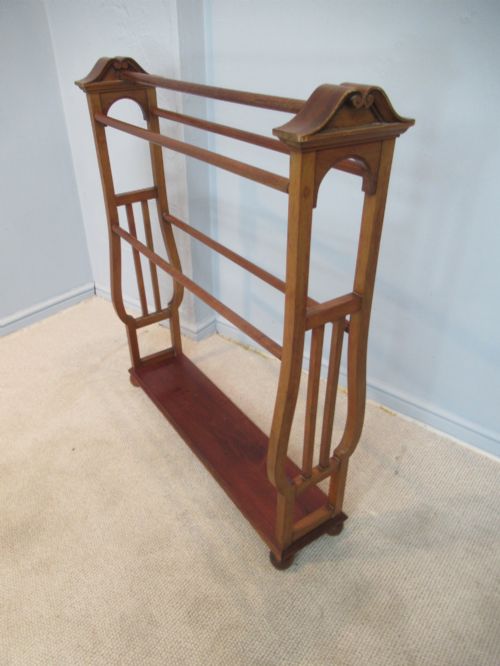
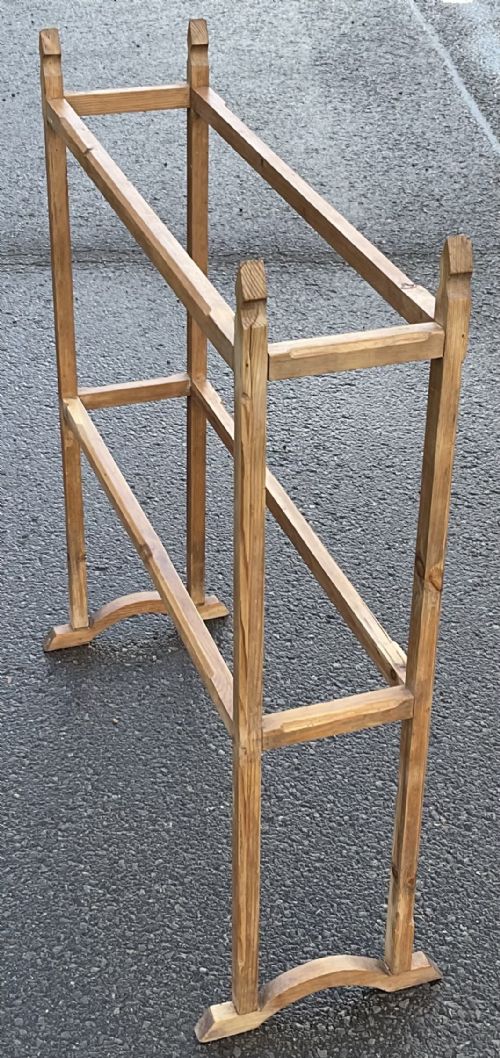
When you search for a vintage clothes rack, you encounter a practical variety of freestanding rails, wall-mounted fixtures, and folding stands originally built for domestic organisation. These pieces span multiple decades, from the nineteenth century through the early decades of the twentieth century, reflecting shifting domestic needs.
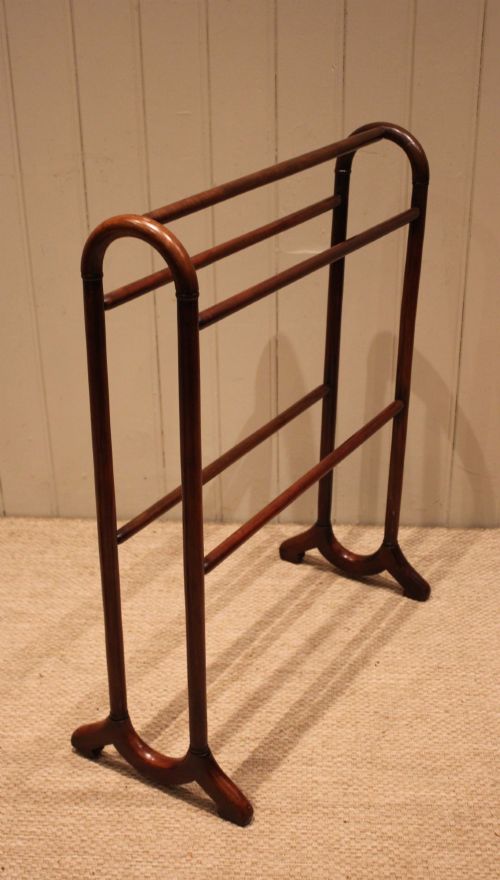
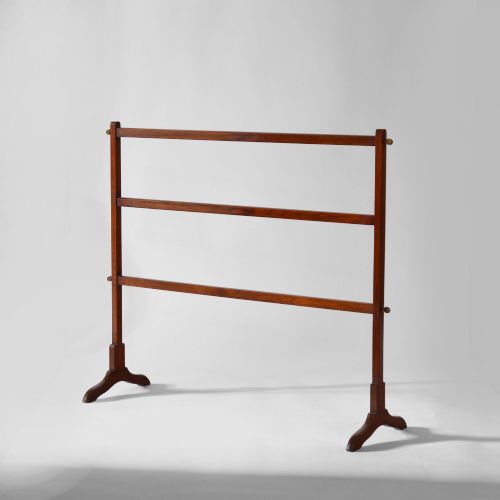
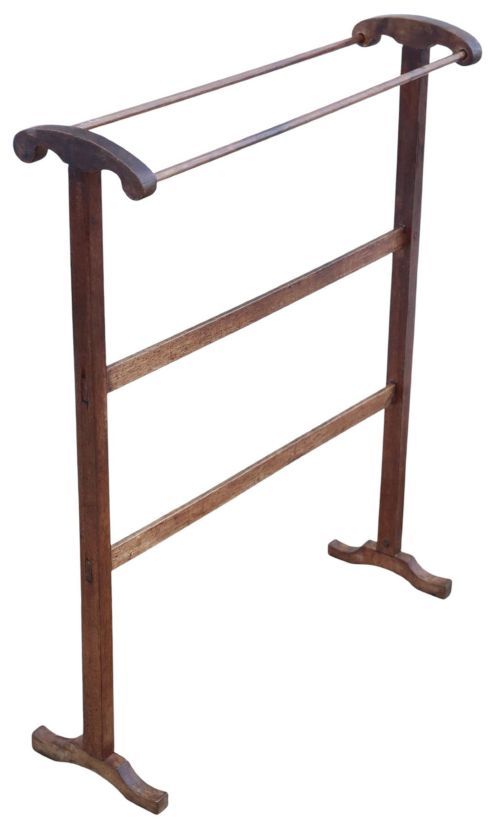
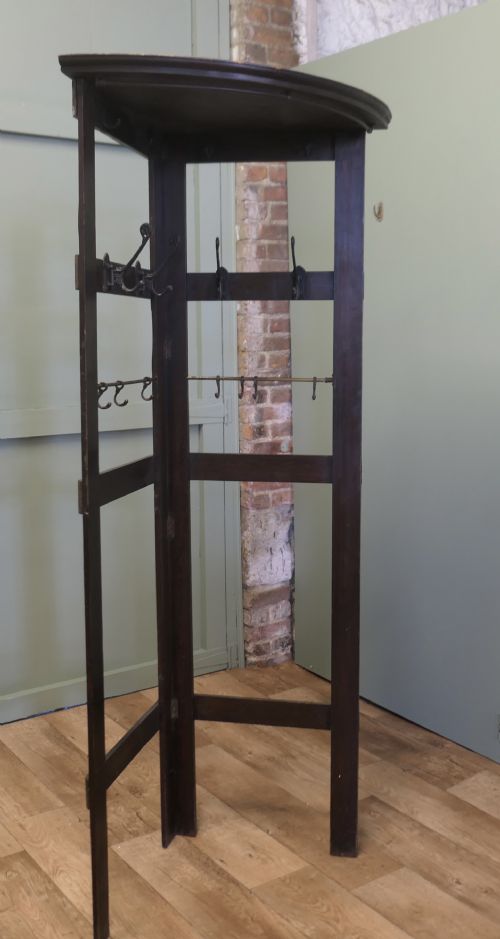
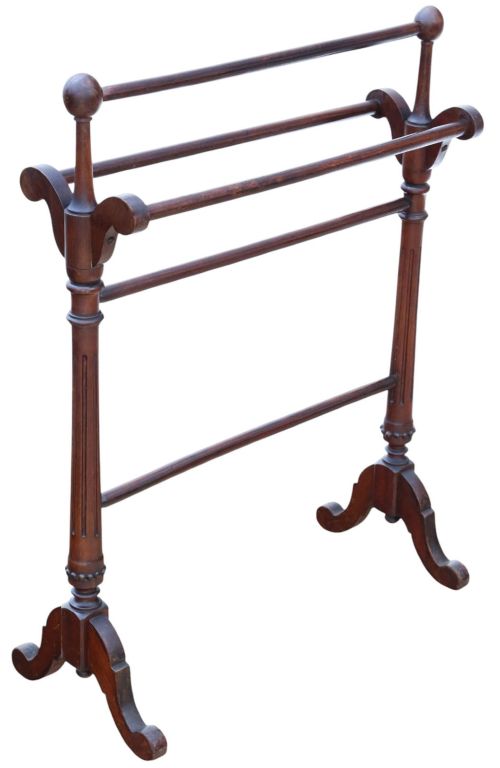
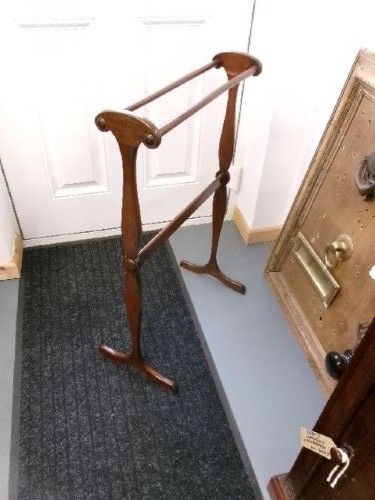
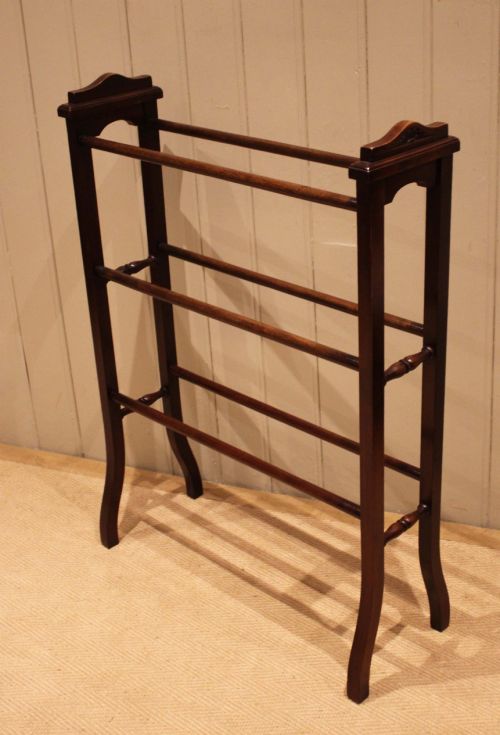
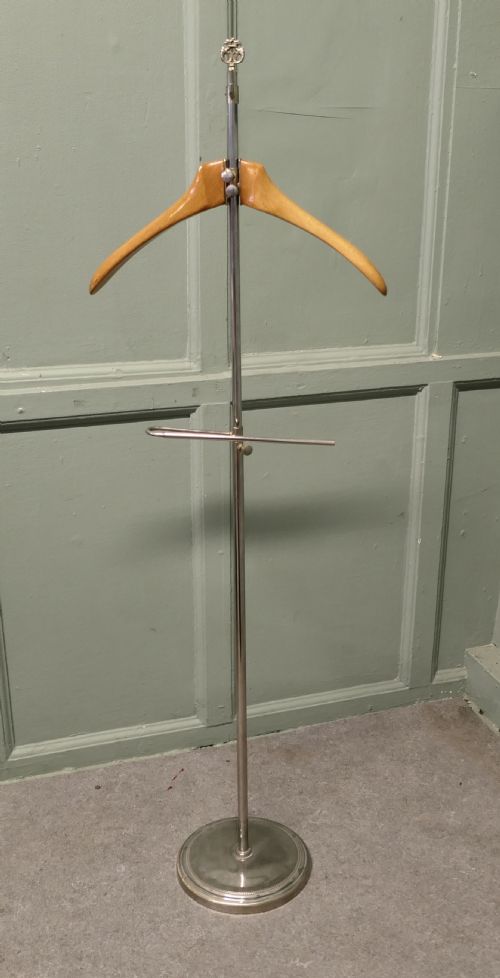
The selections on this page appear predominantly as folding towel rails, valet stands, and coat stands utilised historically for garments and linens. Mahogany and pine form the backbone of these offerings, supplemented by beech, oak, walnut, and structural elements in brass, iron, and chrome.
Stylistic influences range widely across Victorian, Edwardian, Arts and Crafts, Art Deco, and Regency periods. Buyers often find pieces with specific regional or continental traits, such as French chrome and beech valets or Chinese lacquered robe stands.
Materials and construction methods
Cabinetmakers and joiners relied heavily on solid hardwoods like mahogany, oak, and walnut, alongside resilient softwoods such as pine and beech. Timber components frequently underwent precision turning, steam bending as seen in bentwood designs, or subtle surface ebonising and lacquering.
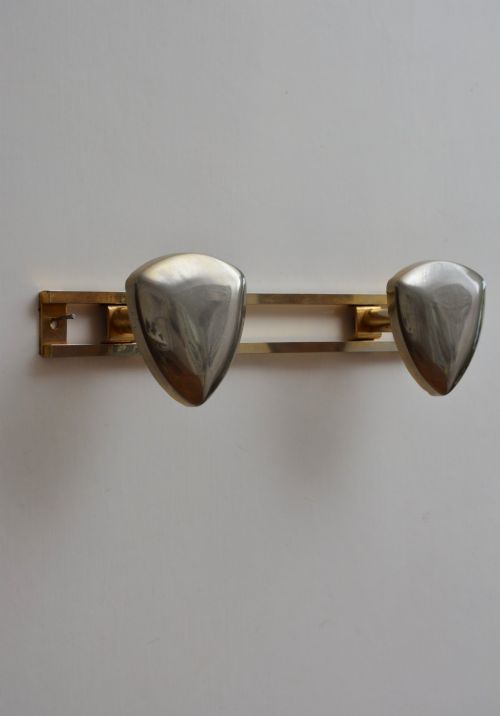
Metal parts incorporate forged iron, polished brass, and early chrome plating, providing robust structural joints or decorative hanging hooks. Folding mechanisms utilise hinged wooden frames or pivoting metal hardware designed for daily domestic utility.
Vintage Clothes Rack Retail Price Guide 2026
Typical asking prices for vintage clothes rack among the pieces listed under this phrase on Sellingantiques today, from the lower quarter to the upper quarter. They describe what is for sale here now, not the wider market.
Listings feature woods including mahogany, pine, oak, beech, and walnut, alongside metals like brass, iron, and chrome.
Distinguishing quality across examples
Superior execution shows in the selection of dense, richly figured timbers and the refined integration of brass or iron hardware. Heavier proportions and stable folding mechanisms separate substantial pieces from lighter, purely utilitarian utility items.
Distinction also arises through decorative flourishes, such as careful wood inlays, carved details typical of Arts and Crafts or Chinese pieces, and the patination accumulated on polished woods and metals over decades of use.
Gillows·Fratelli Rugitti
The Vintage Clothes Rack Glossary
- Valet stand
- A freestanding piece designed to hold a complete suit, jacket, and trousers. These items often incorporate specific shaped hangers and accessory trays.
- Cheval rail
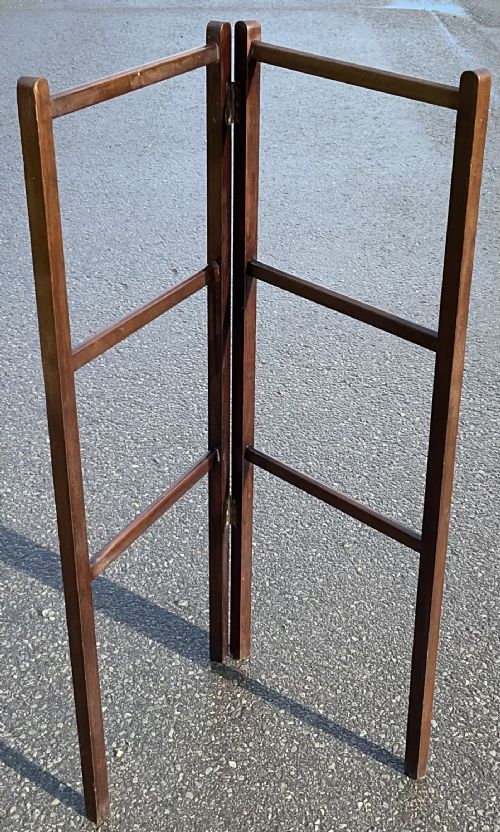
- A multi-frame folding clothes or towel horse mounted on legs. The hinged sections allow the structure to expand or fold flat.
- Bentwood
- Wood softened through steam and bent into curved structural forms. This technique created lightweight, resilient frames popular in early twentieth-century seating and hanging furniture.
- Ebonisation
- A finishing process where wood, frequently pine or fruitwood, receives treatment to resemble ebony. This dark finish gained favour during the Victorian period.
- Campaign
- Portable or folding furniture designed for easy transport. These pieces utilise clever joints and collapsible elements for mobility.
Vintage Clothes Rack: Frequently Asked Questions
How were vintage clothes rails originally used?
These items served primarily in bedrooms, dressing rooms, and hallways for airing linens, drying garments, or organising daily wear. Many folding designs allowed households to stow the framework away when not needed.
Over time, owners adapted towel rails and clothes horses into functional wardrobe alternatives for contemporary living spaces and bedrooms.
What woods appear most often in these pieces?
Mahogany and pine dominate the available selection, appearing in numerous nineteenth and early twentieth-century examples. Oak, walnut, and beech also feature prominently across various regional styles.
Makers selected these timbers for their structural resilience, grain pattern, and suitability for turning or joining into folding frames.
How do I date a wooden clothes rack?
Dating relies on observing construction techniques, timber choices, and stylistic markers associated with specific periods like the Victorian or Edwardian eras. Hand-cut joints and specific hardware types often indicate earlier nineteenth-century origins.
Later pieces from the nineteen-twenties and thirties introduce chrome plating, tubular metal, and streamlined Art Deco or modernist geometries.
Are these racks suitable for heavy garments?
Substantial freestanding pieces constructed from solid mahogany, oak, or iron handle heavy coats and suits with ease. Heavier proportions and wider bases provide the necessary stability for daily garment storage.
Lighter folding rails and wall-mounted airers suit delicate textiles, lightweight clothing, or airing linens rather than heavy winter overcoats.