
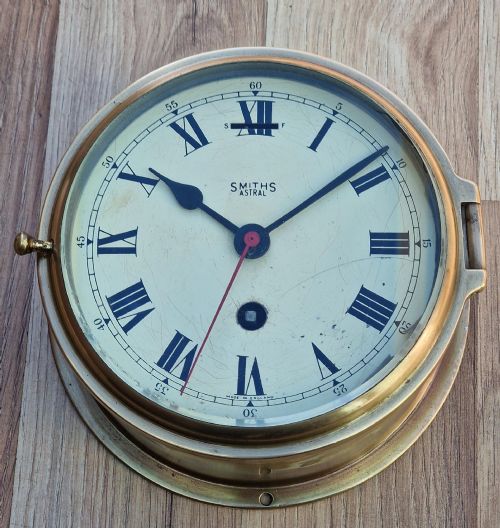
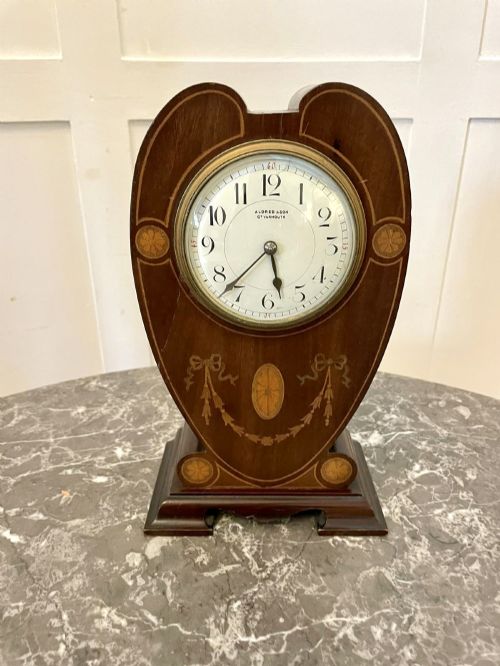
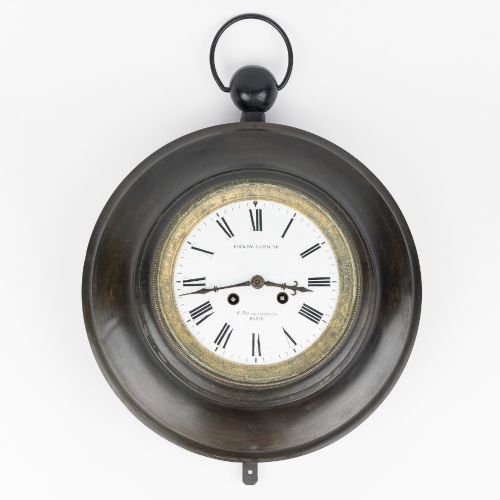
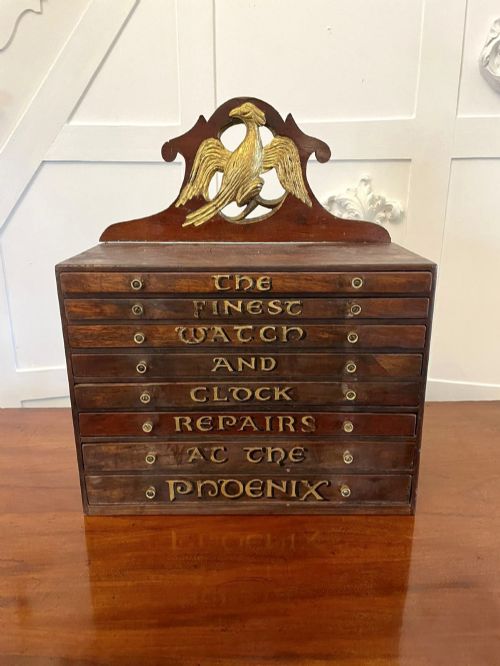
Vintage Clock
These vintage clock pieces span utilitarian wall dials and grand floor cases, offering both domestic timekeeping and historic cabinetwork.
Vintage Clock
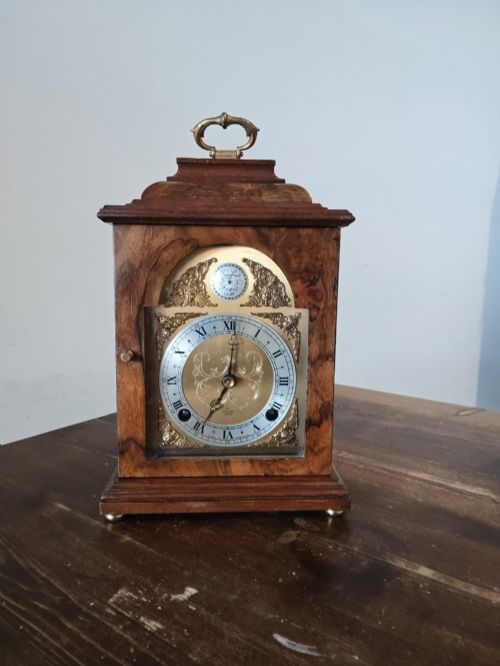
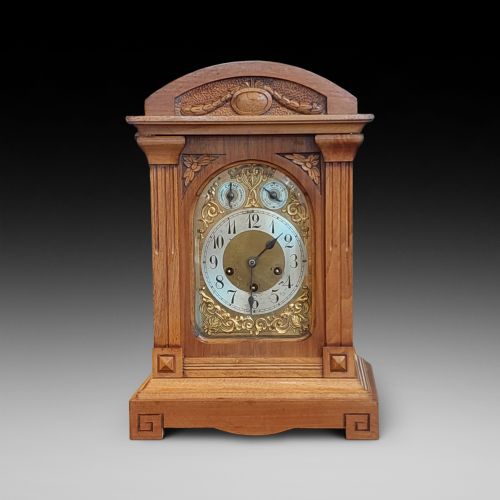
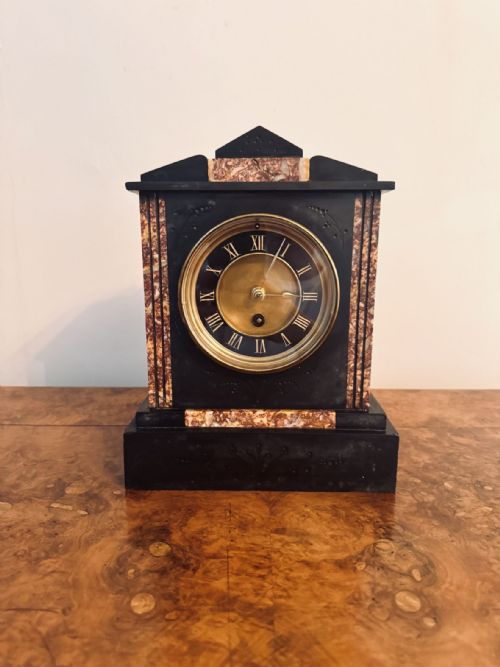
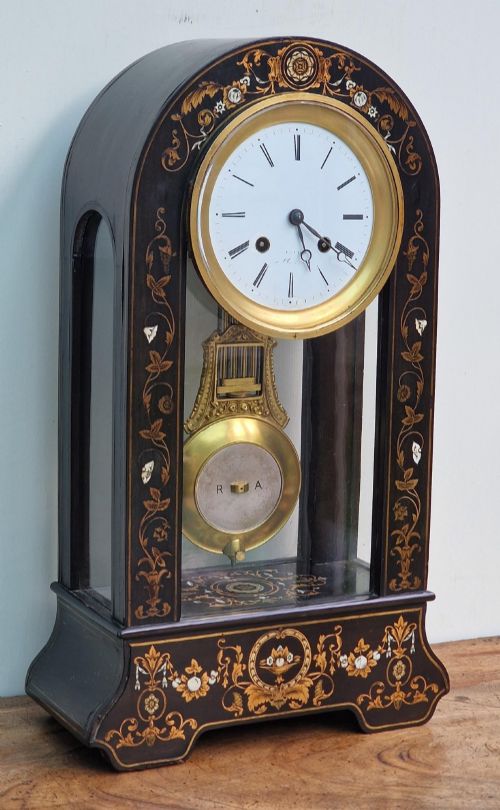
A vintage clock search encompasses tall floor models, wall-mounted dials for station or office use, and smaller mantel or bracket pieces for domestic spaces. These objects emerge from various periods including the Georgian era, Victorian times, and the early twentieth century.
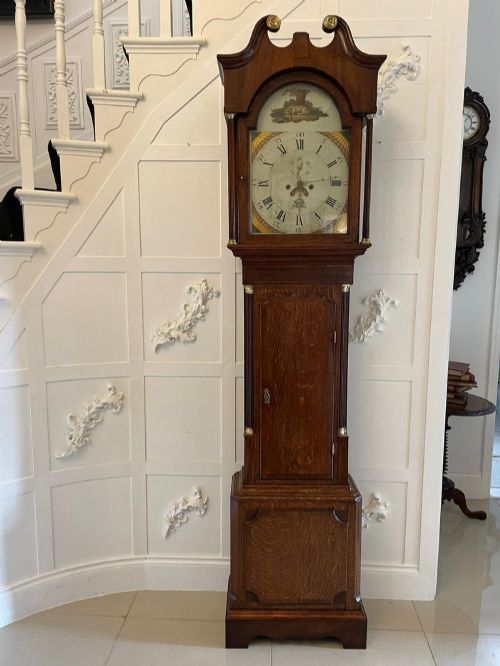
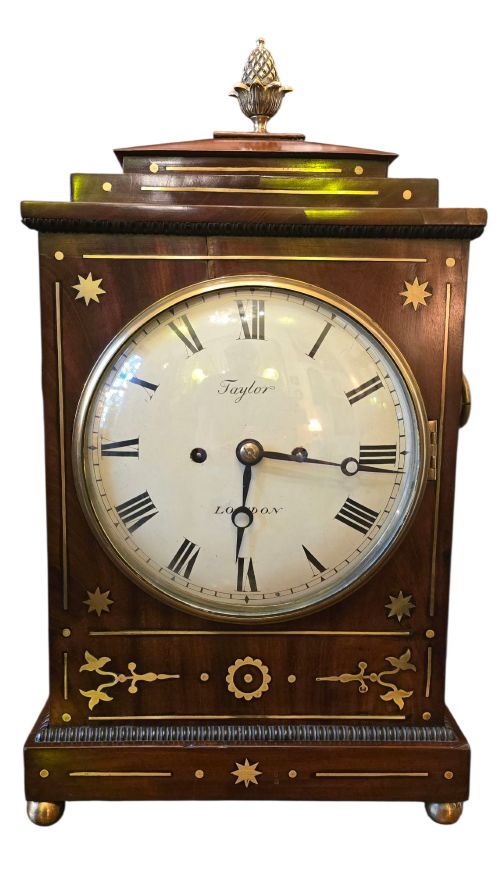
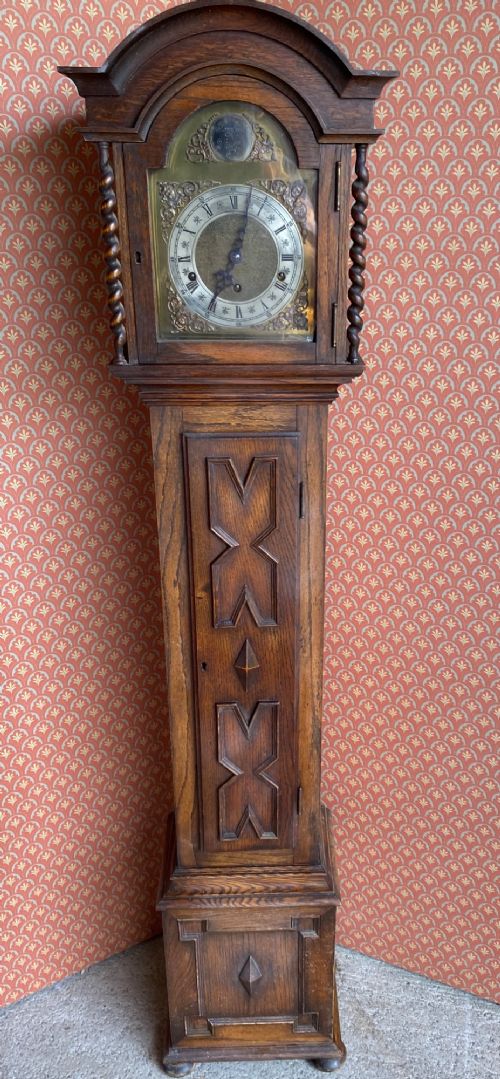
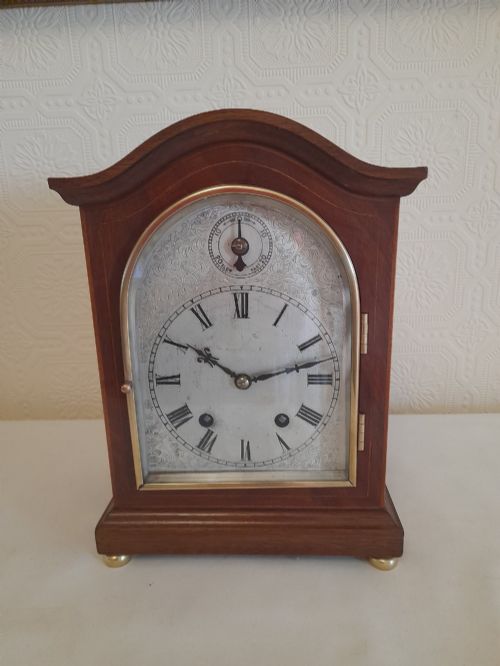
The floor-standing versions often take the form of longcase or grandmother clocks housed in oak, mahogany, or walnut cases. Smaller iterations range from brass-framed carriage pieces to intricate bracket clocks designed for table or shelf placement.
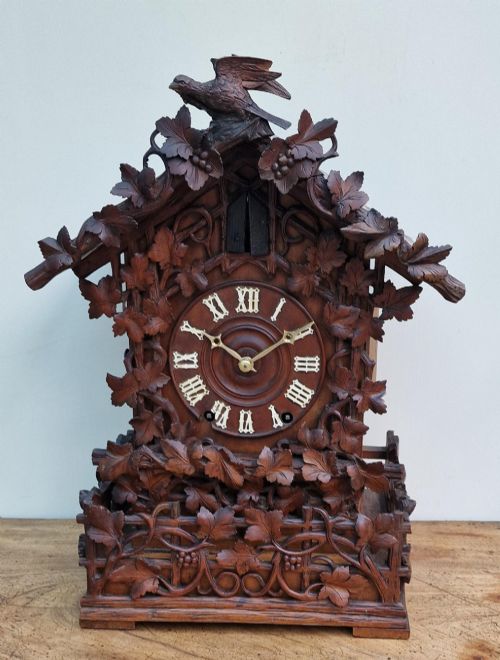
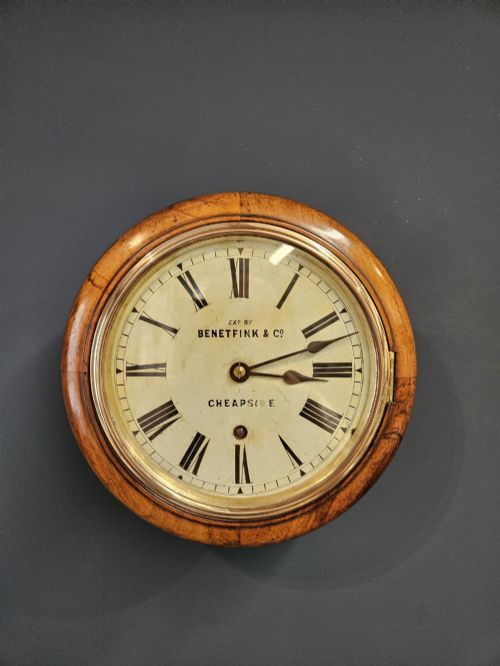
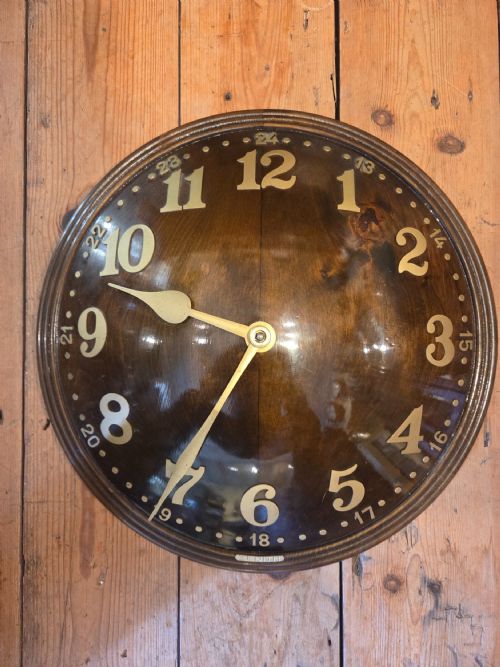
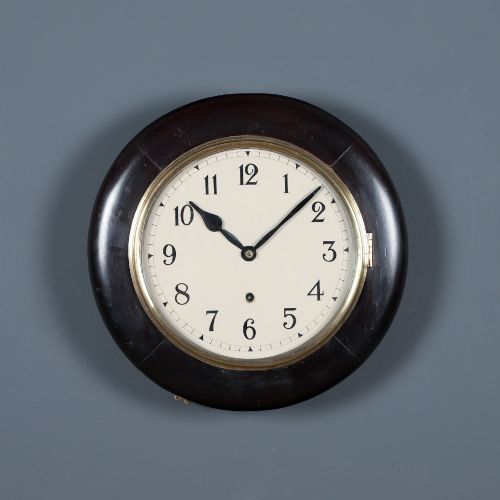
Wall-mounted examples frequently follow round dial designs associated with railways or schools, constructed from mahogany, beech, or ebonised wood. Alternatively, specialised items such as French repeating carriage mechanisms and Black Forest regulators appear alongside pocket watches.
Materials and Construction
Cases rely on traditional cabinet timbers like mahogany, oak, walnut, and rosewood, frequently enhanced with brass bezels, dials, and mounts. Enamel, marble, glass, and steel integrate into the faces and mechanical components of these timepieces.
Movements utilise brass gear trains and fusee mechanisms, while specific designs incorporate abalone, pewter, and copper within Arts and Crafts housings. Dial construction combines painted metal, engraved brass, and ceramic enamel to display the hours.
Materials represented across the inventory include mahogany, oak, walnut, brass, enamel, and ebonised wood.
Distinctions in Execution
The standard of a vintage clock depends upon the precision of its movement, such as twin fusee or quarter-striking systems, and the complexity of its casework. Finely figured timbers, marquetry inlay, and signed brass dials distinguish higher tier examples from utilitarian workshop models.
Maker attribution significantly influences the standing of a piece, with signed dials and movements by noted horologists indicating superior workshop production. Furthermore, the integrity of original cases and specialised dial configurations, such as twenty-four-hour formats, separate ordinary pieces from exceptional survivals.
Henry-Lepaute of Paris·Walker of Nantwich·Taylor of London·Thomas Howard·Archibald Knox for Liberty and Co·Edward White Birmingham·Charles Shuckburgh·Gordon of Aberdeen·Mercer of London·Gillett and Johnston of Croydon·Lee of Great Marlow
The Vintage Clock Glossary
- Bracket Clock
- A portable mechanical clock originally designed to sit on a bracket or shelf, often featuring a fine wooden case and striking movement.
- Fusee
- A conical pulley connected to the mainspring by a cord or chain, designed to equalize the driving force as the spring unwinds.
- Longcase Clock
- A tall pendulum clock enclosed in a wooden case with a waist and a hood, commonly referred to as a grandfather clock.
- Regulator
- A precision pendulum clock used as a standard to check the time of other timepieces, typically featuring an extended dial layout.
- Carriage Clock
- A small, spring-driven clock with a carrying handle, originally developed for travellers in the nineteenth century.
Vintage Clock: Frequently Asked Questions
What is a longcase clock?
A longcase clock is a tall, free-standing pendulum timekeeper housed in a wooden trunk with a protective hood over the dial. These pieces rest directly on the floor and utilise weights suspended by cords or chains.
Cabinet woods such as oak and mahogany predominate, often featuring eight-day movements that require weekly winding. They serve as prominent architectural furnishings within domestic hallways and reception rooms.
How do fusee movements work?
A fusee movement employs a conical pulley attached to a cord or chain that connects to the mainspring barrel. This mechanical arrangement compensates for the diminishing power of the spring as it unwinds.
By equalising the torque delivered to the gear train, the mechanism maintains consistent force throughout the running cycle. This technology underpins higher quality bracket and wall clocks from the eighteenth and nineteenth centuries.
Where were station dial clocks used?
Station dial clocks hung in railway offices, platforms, and school rooms to provide clear time visibility for workers and the public. Their round wooden frames and distinct painted faces allowed quick reading from a distance.
These pieces typically operate via fusee time-only movements rather than striking mechanisms. Railway examples often bear company initials and regional numbers on their dials or bezels.
How do I identify a carriage clock?
A carriage clock is characterised by a heavy brass housing with glass panels on the sides and top, allowing the internal mechanism to remain visible. A hinged carrying handle sits atop the case for portability.
Originating as travel items for the nineteenth-century carriage passenger, these pieces frequently incorporate repeating strikes or alarm complications. They sit easily on desks, mantels, or small tables.