






Vintage Child Desk
These vintage child desk pieces offer scale and utility, bringing historic craftsmanship into compact modern settings.
Vintage Child Desk
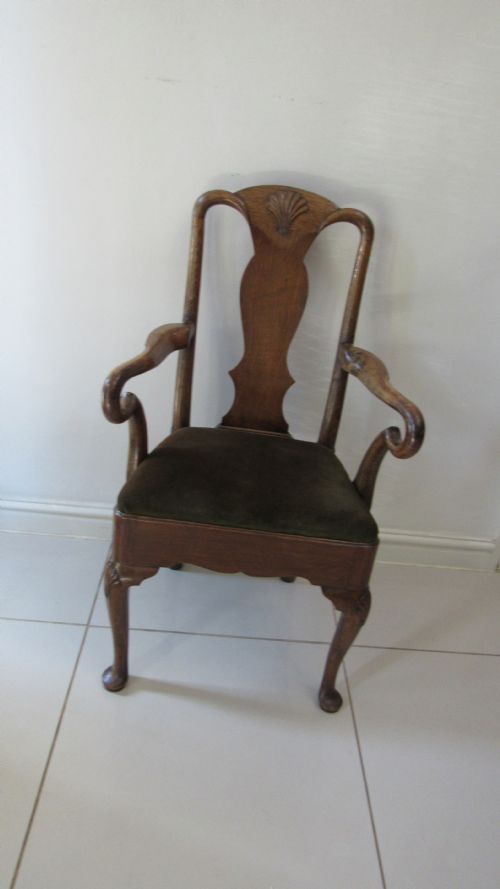
The selections on this page demonstrate the variety of forms associated with a vintage child desk, ranging from compact timber writing tables to accompanying seating like armchairs and corner chairs. Makers utilised durable materials suited to daily use, resulting in surviving examples that retain their functional integrity today.
Materials and construction
Construction relies heavily on traditional timber working, using dense woods like mahogany, oak, walnut, and elm to ensure structural stability for daily use. Cabinetmakers applied classic joinery techniques to join tops, drawers, and legs securely without relying on modern adhesives.
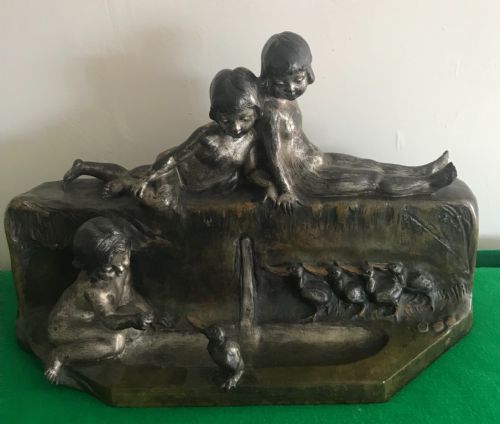
Metal and stone elements appear alongside timber in related decorative items and fittings, utilising bronze, brass, marble, and alabaster. Surface finishes typically consist of polished wax or traditional polish that protects the wood while highlighting the natural grain.
Vintage Child Desk Retail Price Guide 2026
Typical asking prices for vintage child desk among the pieces listed under this phrase on Sellingantiques today, from the lower quarter to the upper quarter. They describe what is for sale here now, not the wider market.
Assessing quality and craftsmanship
Quality in a vintage child desk rests on the selection of timber and the precision of the joinery rather than decorative excess. Finer examples show careful attention to proportion, ensuring the reduced scale remains balanced and structurally sound.
The integrity of the original hardware and the preservation of the timber surface determine the desirability of a piece. Better workshops employed skilled hands to shape mouldings and fit drawers cleanly, distinguishing superior items from utilitarian schoolroom furniture.
Pairs MFG Co·P. Sega·H. Chiparus·Heals·Antoine Bofill
The Vintage Child Desk Glossary
- Mahogany
- A durable, reddish-brown tropical hardwood prized for its stability and fine grain, frequently utilised in fine cabinet making.
- Edwardian
- Pertaining to the reign of King Edward VII, a period known for lighter furniture forms and eclectic revivals of earlier styles.
- Georgian
- Relating to the architectural and decorative styles of the reigns of the first four Georges, marked by proportion and classical restraint.
- Oak
- A strong, heavily grained timber traditionally used in robust domestic furniture and structural joinery across multiple centuries.
- Art Deco
- A design style prevalent in the nineteen-twenties and thirties characterised by sleek lines, geometric shapes, and stylised figurative elements.
Vintage Child Desk: Frequently Asked Questions
How were these desks used?
These smaller writing spaces were built for children to complete lessons, write letters, or practice handwriting in domestic settings. They provided a dedicated place for learning within the family home.
Over generations, their portable scale and domestic utility allowed them to transition into decorative display pieces or functional writing spots for compact modern rooms.
What woods are most common?
Cabinetmakers relied on sturdy domestic and imported timbers like oak, mahogany, walnut, and elm to build these smaller tables. These woods provided the necessary durability for daily use.
Each timber brings a distinct colour and grain pattern to the piece, influencing how the furniture ages and responds to traditional polishing.
How do I date a desk?
Dating relies on observing construction methods, timber choices, and stylistic details that align with specific periods like the Georgian era or the nineteen-twenties. Hand-cut joinery and specific hardware types offer clear chronological clues.
Comparing the proportions and finish to known examples from the same era helps confirm the likely period of manufacture.
Are these pieces suitable for daily use?
Their solid timber construction and traditional joinery make these items well-suited for everyday tasks like writing or displaying small objects. The durable materials withstand regular handling when treated with appropriate care.
Placing them away from direct heat sources and maintaining the timber finish ensures they remain functional for contemporary living.