

Vintage Chandelier Shades
Vintage chandelier shades bring diffused light and period character to a room, spanning styles from Victorian opalescent glass to Art Deco slip shades.
Vintage Chandelier Shades
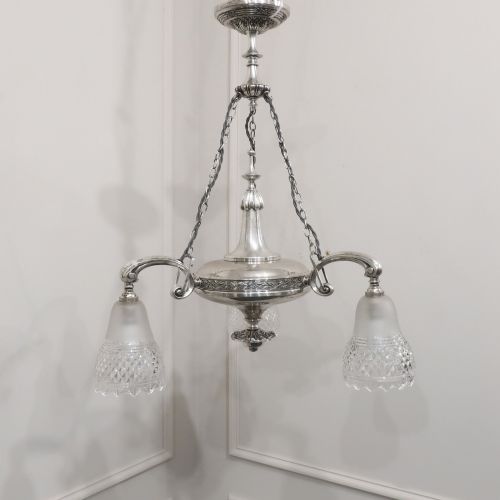
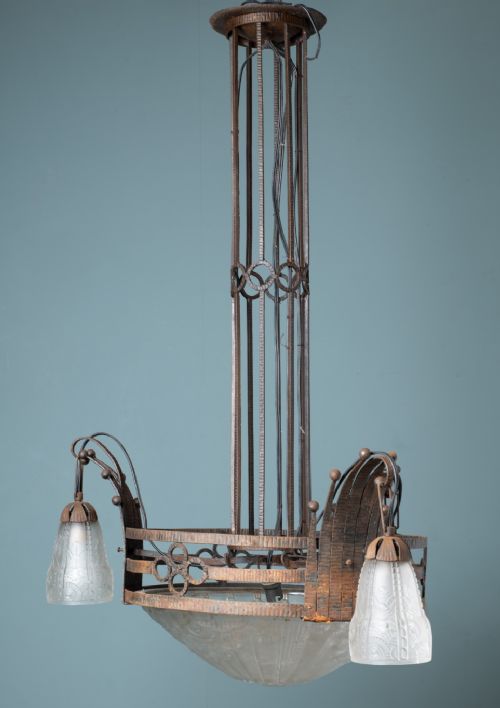
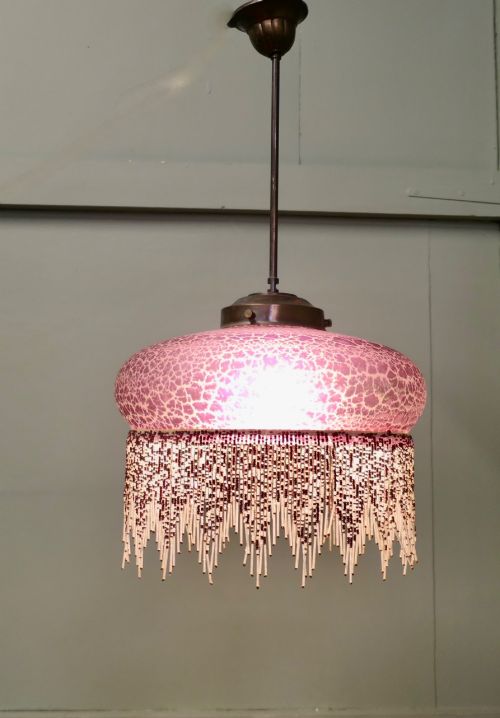
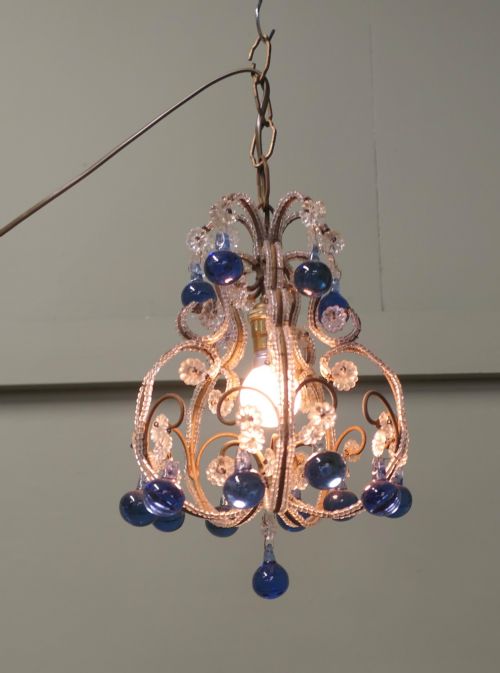
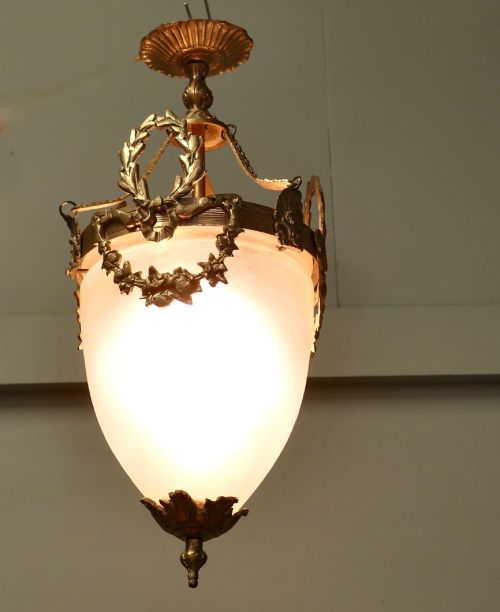
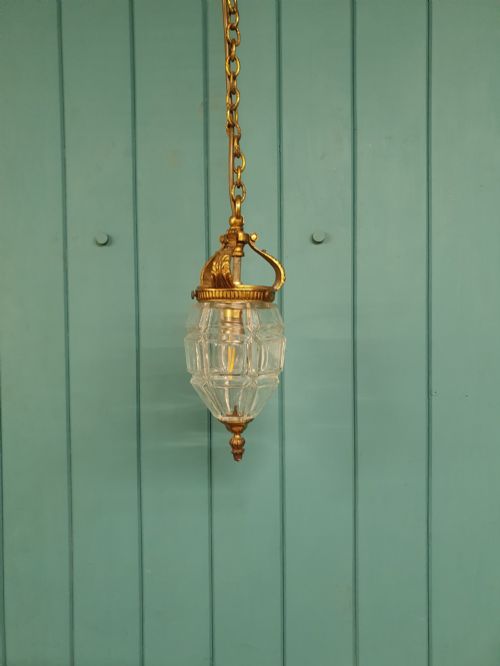
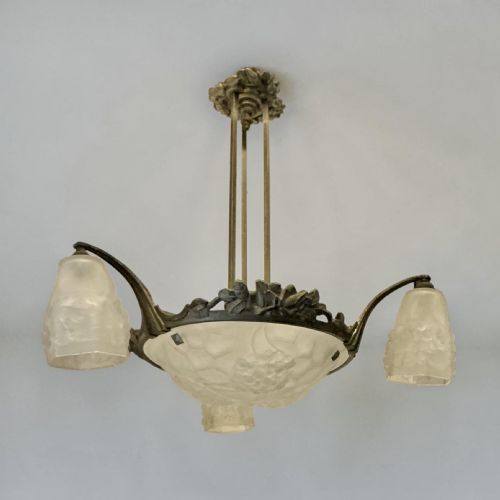
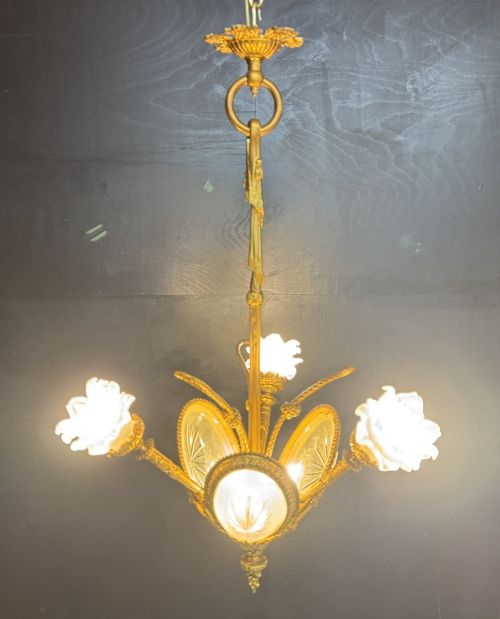
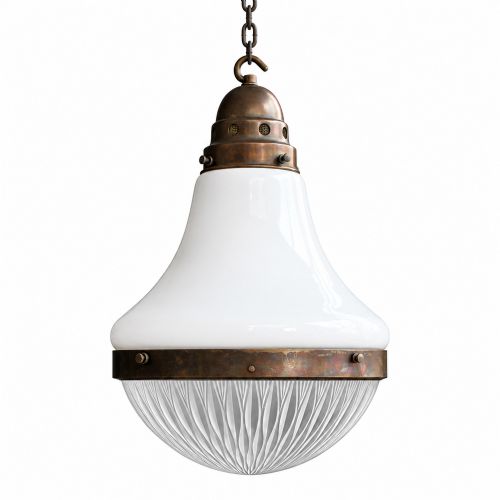
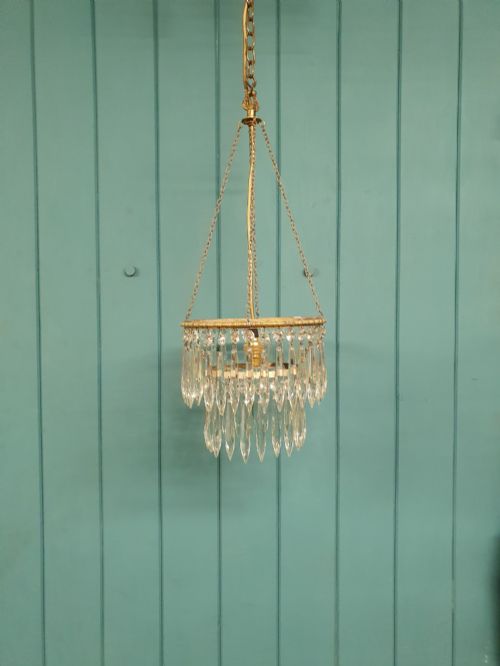
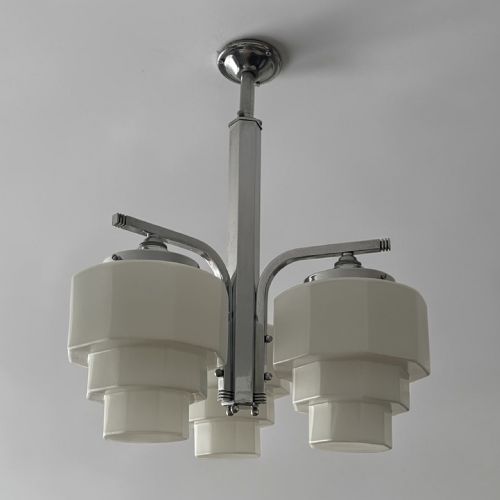
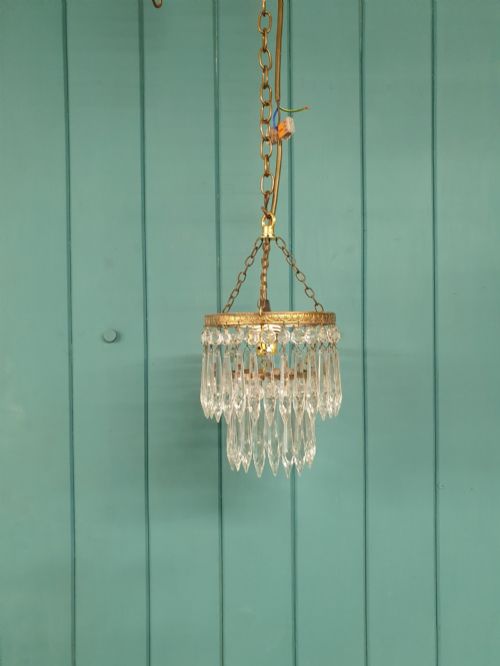
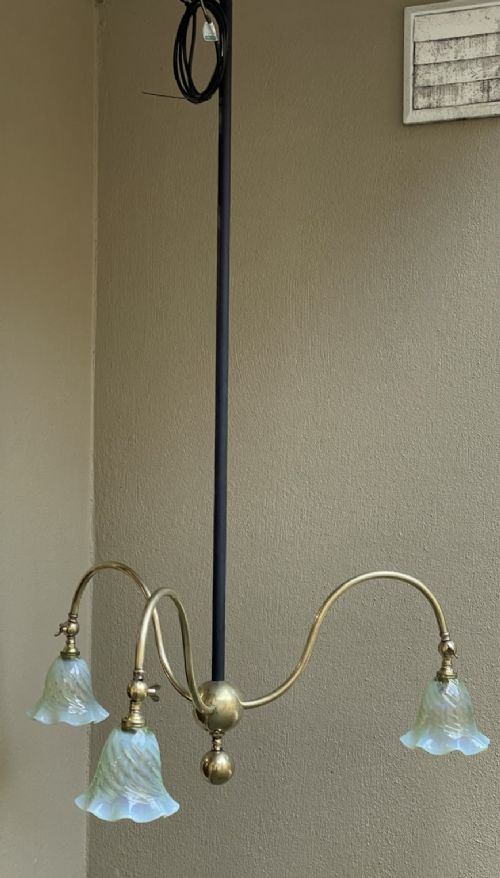
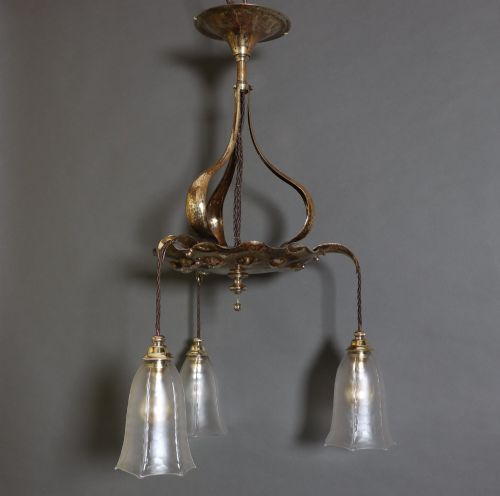
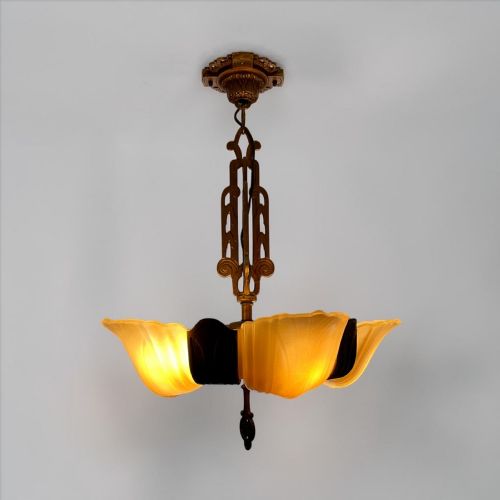
Vintage chandelier shades encompass glass, fabric and metal components designed to mount on ceiling lights, pendants and chandeliers. When searching for vintage chandelier shades, buyers encounter diverse forms ranging from 19th Century pink crimped glass shades to 1930s Art Deco frosted glass bowls and clam shell units.
The selection on this page draws from periods spanning the Victorian era through the Edwardian period and into the 1930s. Materials such as cut glass, frosted glass and brass dominate the listings, reflecting the lighting technology and interior aesthetics of their respective decades.
Materials and Manufacture
Glassmaking techniques define these pieces, utilising moulded glass, cut glass crystal and acid-frosted surfaces to manipulate light output. Manufacturers paired these glass shades with structural elements in brass, bronze, copper and chrome.
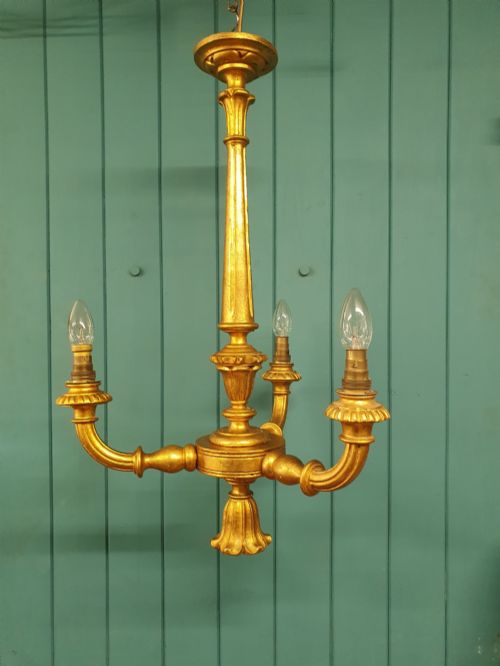
Metalwork involved casting, spinning and carving, often incorporating giltwood, ormolu or leaded joints. Artisans shaped brass frames to secure delicate crystal spikes, glass globes and opalescent panels safely.
Vintage Chandelier Shades Retail Price Guide 2026
Typical asking prices for vintage chandelier shades among the pieces listed under this phrase on Sellingantiques today, from the lower quarter to the upper quarter. They describe what is for sale here now, not the wider market.
Some Edwardian chandeliers came equipped with rise and fall mechanisms, allowing domestic staff to lower the lights manually for cleaning and trimming wicks.
Assessing Quality and Execution
Quality rests in the clarity of the glass, the crispness of the moulding and the depth of hand-cut facets on crystal spikes. Superior pieces display precise symmetry in their geometric or floral motifs without distortion.
The integrity of the metal mounts and framing separates standard production from finer examples. Solid brass and bronze fixtures with robust casting and original patination demonstrate superior construction compared to lighter, stamped alternatives.
Degué·Émile-Jacques Ruhlmann
The Vintage Chandelier Shades Glossary
- Slip shade
- A moulded glass shade that fits directly into a metal frame or fitter on a ceiling light or chandelier. These were particularly popular during the Art Deco period.
- Opalescent glass
- Glass that has a milky, semi-translucent appearance with shifting tones of colour when lit. It diffuses light softly to reduce glare.
- Cut glass
- Glass decorated by grinding facets or patterns into the surface using a wheel. This technique enhances the sparkle of crystal pendants and shades.
- Moulded glass
- Glass shaped by being pressed into a metal or wooden mould while hot. This allowed makers to produce consistent decorative patterns in volume.
Vintage Chandelier Shades: Frequently Asked Questions
How do I clean vintage glass shades?
Wash glass components gently in warm, soapy water using a soft cloth to avoid scratching the surface. Dry them thoroughly with a lint-free towel before reattaching them to metal frames.
Avoid submerging metal mounts or antique fabric elements in water, as moisture can damage old patination or adhesives. Use a dry brush for delicate brass work.
Can these shades fit modern light fittings?
Many vintage shades can accommodate modern electrical fittings, provided the fitter diameter matches standard holder sizes. Check the inner gallery or neck measurements before attempting installation.
Consult a qualified electrician if collar adapters are required to secure older shade types safely onto contemporary pendant wiring.
How do I date a chandelier shade?
Dating relies on stylistic markers such as geometric Art Deco moulds, Victorian opalescent hues or Edwardian brass hardware. Examining the manufacturing technique and glass composition also aids identification.
Comparing mounting styles helps determine whether a component belongs to gasolier conversions or later electrified ceiling fixtures.
Are replacement parts easy to find?
Sourcing exact matches for broken or missing vintage shades requires patience due to the unique nature of historical production runs. Collectors often search specialist antique lighting inventories for period-correct replacements.
Measurements of the fitter rim and overall depth must be precise when looking for compatible glass bowls or prism drops.