


Vintage Centrepiece
A vintage centrepiece anchors a dining table or sideboard, bringing together period craftsmanship in silver, glass, porcelain, and bronze.
Vintage Centrepiece
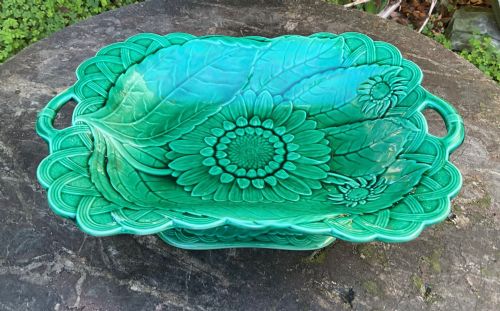
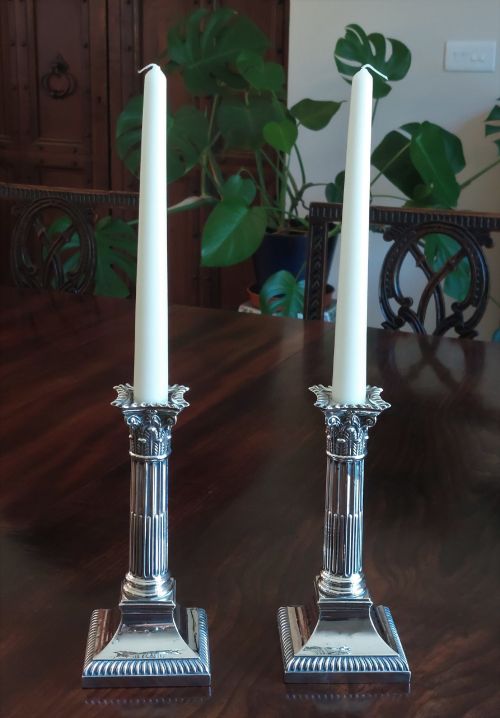
A vintage centrepiece encompasses ornamental bowls, tazzas, candelabras, jardinières, and figurative table ornaments designed to draw the eye at the middle of a room or table. The pieces span the nineteenth and twentieth centuries, taking forms that reflect changing dining habits and interior aesthetics over generations.
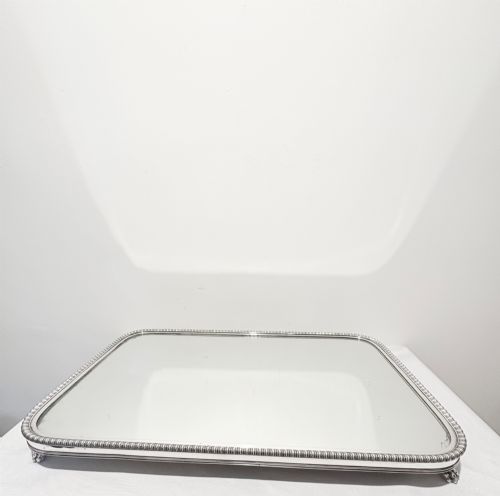
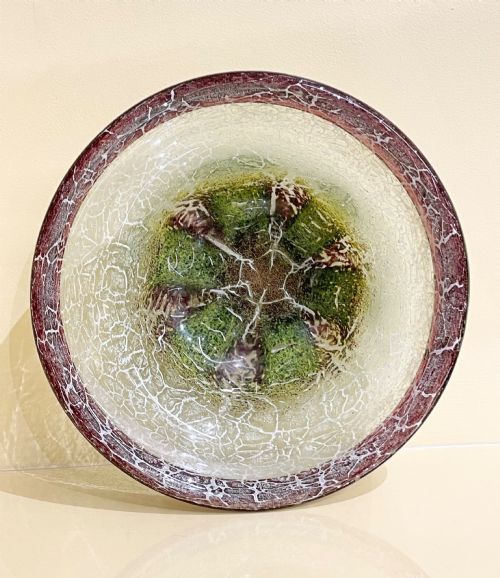
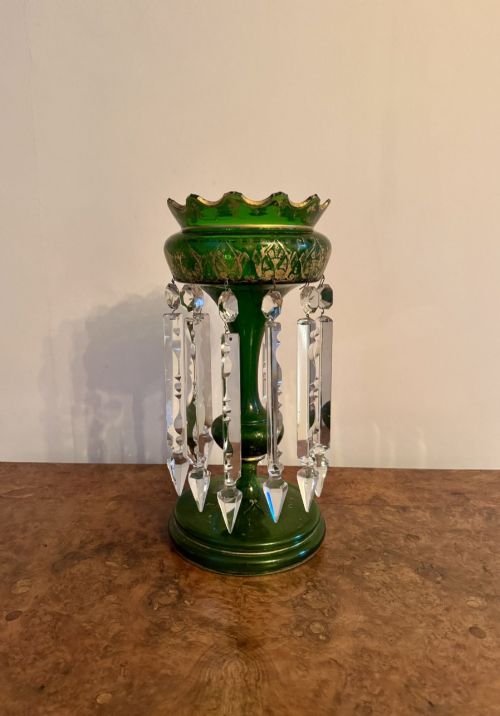
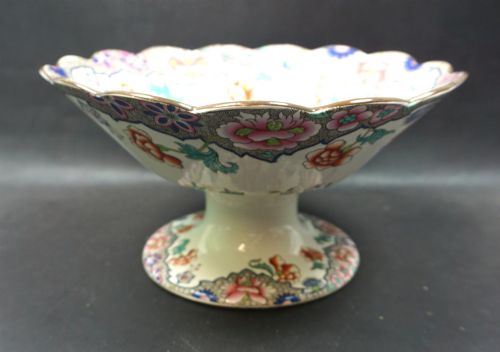
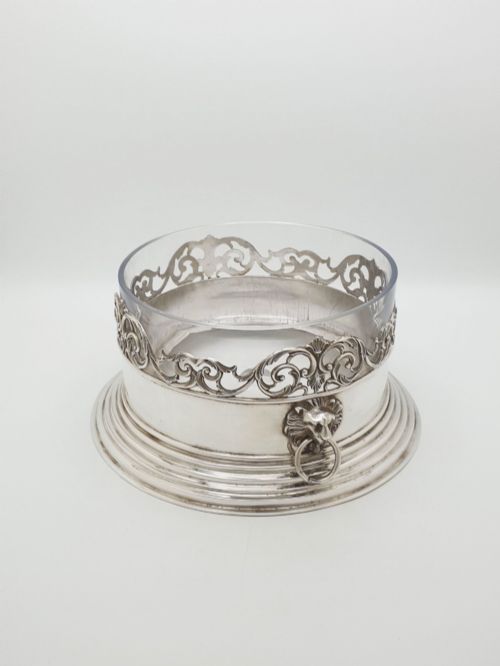
On this page, buyers frequently meet silver plated and sterling silver fruit baskets, glass bowls with heavy silver overlay, porcelain pedestal vessels, and brass or bronze planters. These range from Victorian pierced fruit baskets to Art Deco glass bowls and Edwardian candelabras.
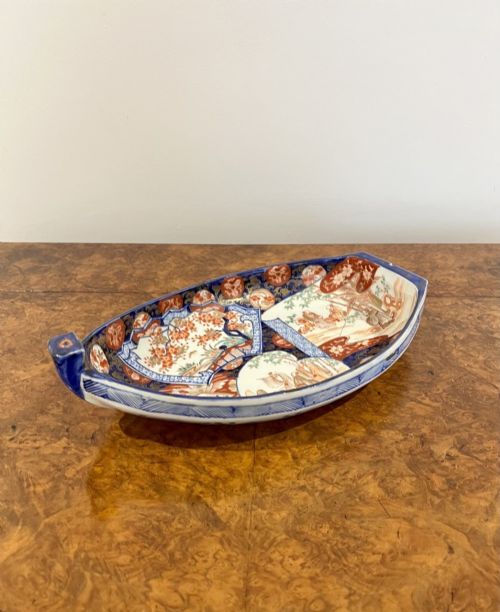
Origins stretch across English, French, and Asian workshops, incorporating styles from Neoclassical and Rococo revivals to Art Nouveau and Art Deco. Each object served to ornament formal dining spaces or display seasonal fruit, flowers, and silver figures.
How they were made
Metal centrepieces utilise sterling silver, silver plate, copper, brass, and gilt bronze, shaped through casting, hammering, and pierced work. Silversmiths applied detailed chasing and engraving, while electroplated nickel silver and Sheffield plating provided durable alternatives to solid silver.
Glass and porcelain examples rely on hand-blown crystal, uranium glass, opalescent glass, and ironstone, often paired with metal mounts or hand-painted motifs. Techniques like acid etching, deep cutting, and silver overlay required specialist skill to fuse metal directly onto glass surfaces.
Vintage Centrepiece Retail Price Guide 2026
Typical asking prices for vintage centrepiece among the pieces listed under this phrase on Sellingantiques today, from the lower quarter to the upper quarter. They describe what is for sale here now, not the wider market.
Dining tables of the past gained unexpected drama from solid silver fighting cockerels and giant clam shells standing proudly among the dessert.
What varies in quality
Quality rests in the crispness of the casting, the depth of hand-engraving, and the weight of the metal or glass. Heavier gauges of silver and thicker crystal indicate sturdiness and ambition in design, whereas lighter, mass-produced items lack the same permanence.
The harmony of mixed materials also determines distinction, such as how securely gilt bronze mounts fit a glass urn or how cleanly a silver overlay adheres to crystal. Maker attribution, through clear hallmarks or signatures, separates standard decorative items from works of notable provenance.
Mappin and Webb·Goldsmiths and Silversmiths Company·Rene Lalique·Val ST Lambert
The Vintage Centrepiece Glossary
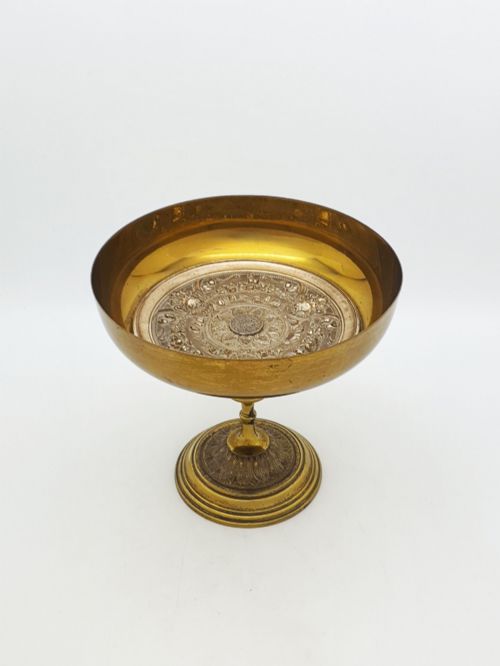
- Tazza
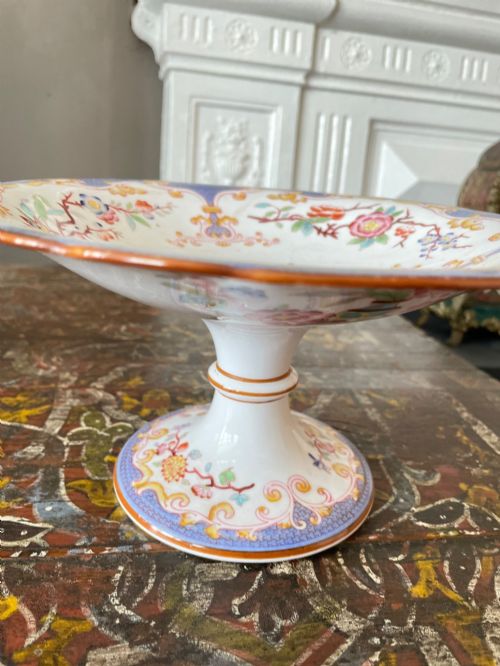
- A shallow ornamental bowl or cup set upon a foot and pedestal. These pieces often served fruit or sweetmeats on formal dining tables.
- Epergne
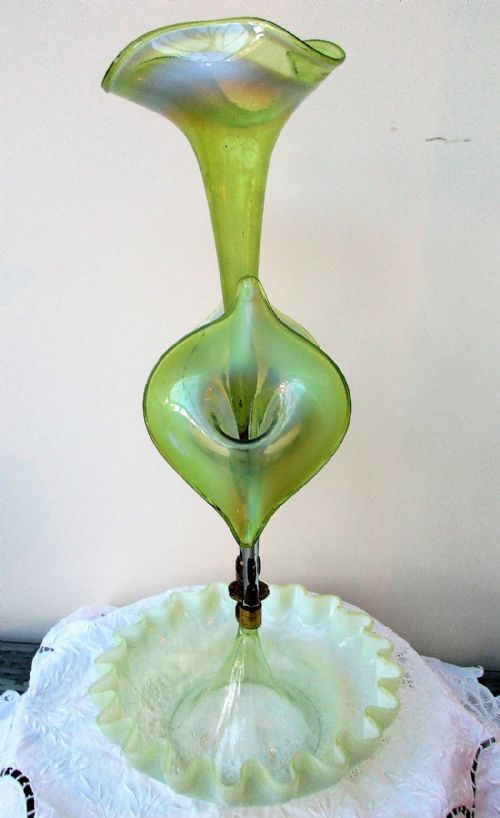
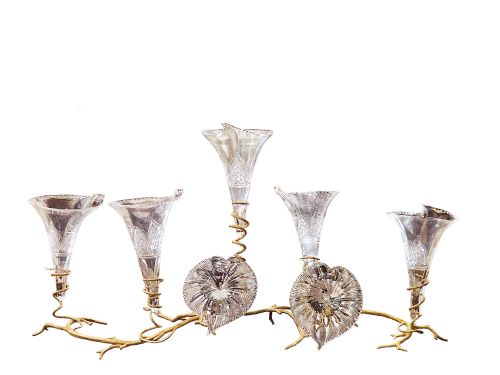
- A large table centrepiece featuring multiple branching holders, trumpets, or baskets for fruit and flowers. They frequently appeared in Victorian settings.
- Jardiniere
- An ornamental pot or stand designed to hold growing plants or flowers. Makers constructed them from ceramic, copper, and wood with bronze mounts.
- Sheffield Plate
- An early method of fusing a thin sheet of sterling silver to a thicker copper base before electroplating replaced it. Items made this way show characteristic warmth in the metal.
- Silver Overlay
- A decorative technique where pure silver is applied to the surface of glassware in intricate patterns. It became popular during the Art Nouveau and Art Deco periods.
Vintage Centrepiece: Frequently Asked Questions
What is a centrepiece used for?
These pieces served as the decorative focal point on dining tables or sideboards, traditionally holding fruit, flowers, sweetmeats, or simply standing as ornamental art.
Over time, their forms evolved from tall epergnes and punch bowls to low glass dishes and figurative silver animals suited for modern surfaces.
How do I clean silver plated items?
Silver plate requires gentle cleaning with specialised silver cloths or non-abrasive polishes to preserve the thin metallic layer over the base metal.
Avoid harsh scrubbing or soaking, particularly on pieces with applied glass overlays or delicate pierced work.
How can I tell Art Nouveau from Art Deco?
Art Nouveau pieces, dating around the turn of the twentieth century, feature fluid, asymmetrical lines inspired by organic forms like stems, flowers, and flowing hair.
Art Deco items from the 1920s and 1930s favour geometric rigidity, symmetry, streamlined shapes, and stylized motifs.
Are antique glass bowls fragile?
Hand-blown crystal, opalescent glass, and uranium glass require careful handling due to their age and composition, but heavier moulded pieces are surprisingly robust.
Display them away from high-traffic edges and wash them by hand in lukewarm water without abrasive sponges.